

Commentary
The current U.S. indifference to human rights means Astana no longer has any incentive to refuse extradition requests from its authoritarian neighbors—including Russia.
Temur Umarov
{
  "authors": [
    "Thomas de Waal",
    "Fiona Hill",
    "Wayne Merry"
  ],
  "type": "commentary",
  "centerAffiliationAll": "dc",
  "centers": [
    "Carnegie Endowment for International Peace",
    "Carnegie Europe"
  ],
  "collections": [],
  "englishNewsletterAll": "ctw",
  "nonEnglishNewsletterAll": "",
  "primaryCenter": "Carnegie Europe",
  "programAffiliation": "russia",
  "programs": [
    "Russia and Eurasia"
  ],
  "projects": [],
  "regions": [
    "Caucasus",
    "Russia",
    "Azerbaijan",
    "Armenia",
    "Georgia"
  ],
  "topics": [
    "Foreign Policy"
  ]
}
REQUIRED IMAGE
Twenty years after the disappearance of the Soviet Union, the unresolved conflicts in Nagorno-Karabakh, Abkhazia, and South Ossetia remain one of its most problematic legacies.
Twenty years after the disappearance of the Soviet Union, the unresolved conflicts in the Caucasus remain one of its most problematic legacies. Despite the Organization for Security and Cooperation in Europe’s (OSCE) long mediation in the dispute over Nagorno-Karabakh, the results have been disappointing. After the 2008 Russia-Georgia war and Moscow’s subsequent recognition of the independence of Abkhazia and South Ossetia, the prospects for settling those conflicts seem more remote than ever.
Hosted by the Helsinki Commission, this briefing examined where these conflicts stand today; what factors impede a settlement; whether the resumption of armed hostilities is a serious threat; whether changes in the negotiating format might yield a better outcome; and what, if anything, could the United States do to facilitate a resolution.

Senior Fellow, Carnegie Europe
De Waal is a senior fellow at Carnegie Europe, specializing in Eastern Europe and the Caucasus.

Fiona Hill
Fiona Hill is a senior fellow in the Center on the United States and Europe within the Foreign Policy program at the Brookings Institution. She is the Chancellor of Durham University in the United Kingdom and is a member of the Harvard University Board of Overseers.
Wayne Merry
Carnegie does not take institutional positions on public policy issues; the views represented herein are those of the author(s) and do not necessarily reflect the views of Carnegie, its staff, or its trustees.
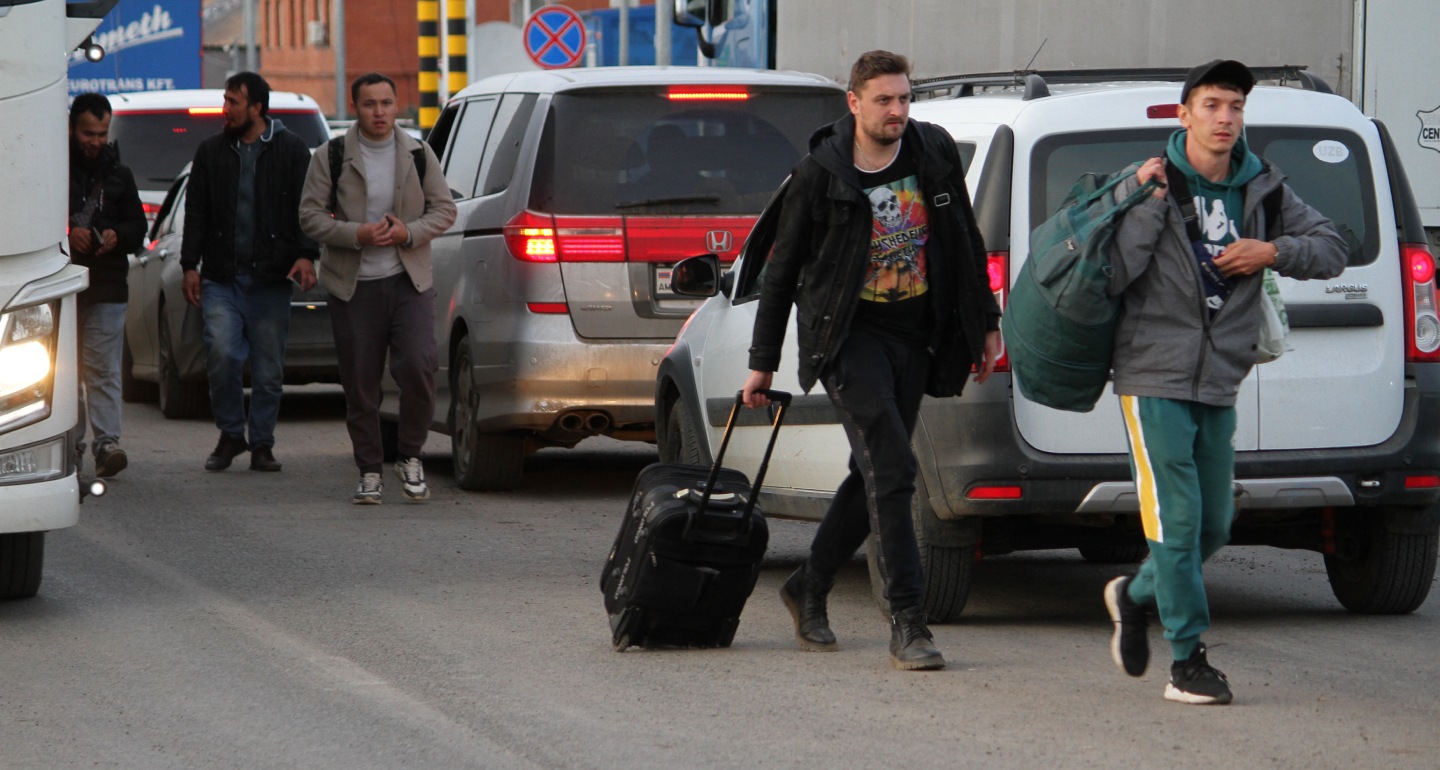
The current U.S. indifference to human rights means Astana no longer has any incentive to refuse extradition requests from its authoritarian neighbors—including Russia.

Temur Umarov
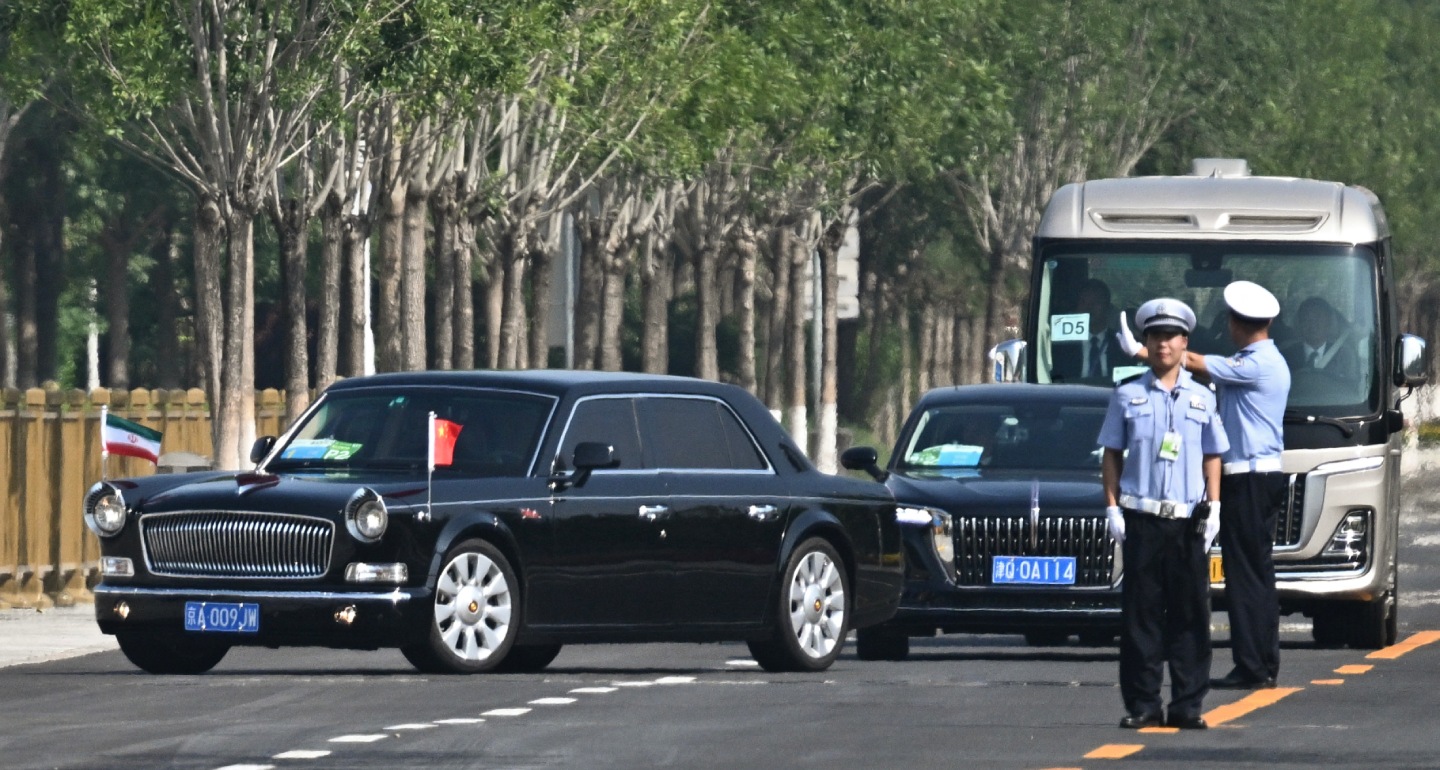
Most of Moscow’s military resources are tied up in Ukraine, while Beijing’s foreign policy prioritizes economic ties and avoids direct conflict.

Alexander Gabuev, Temur Umarov
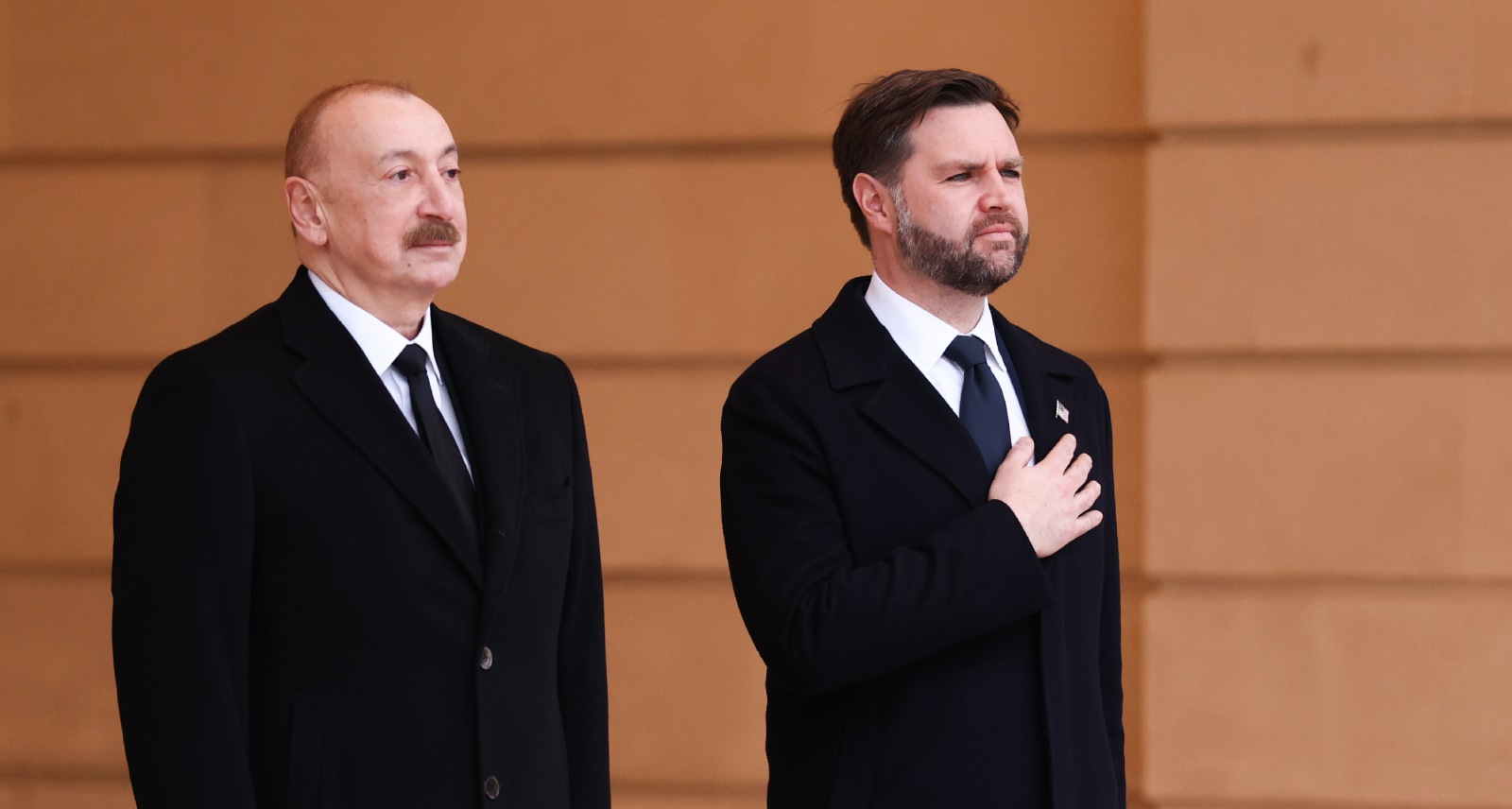
With the White House only interested in economic dealmaking, Georgia finds itself eclipsed by what Armenia and Azerbaijan can offer.

Bashir Kitachaev
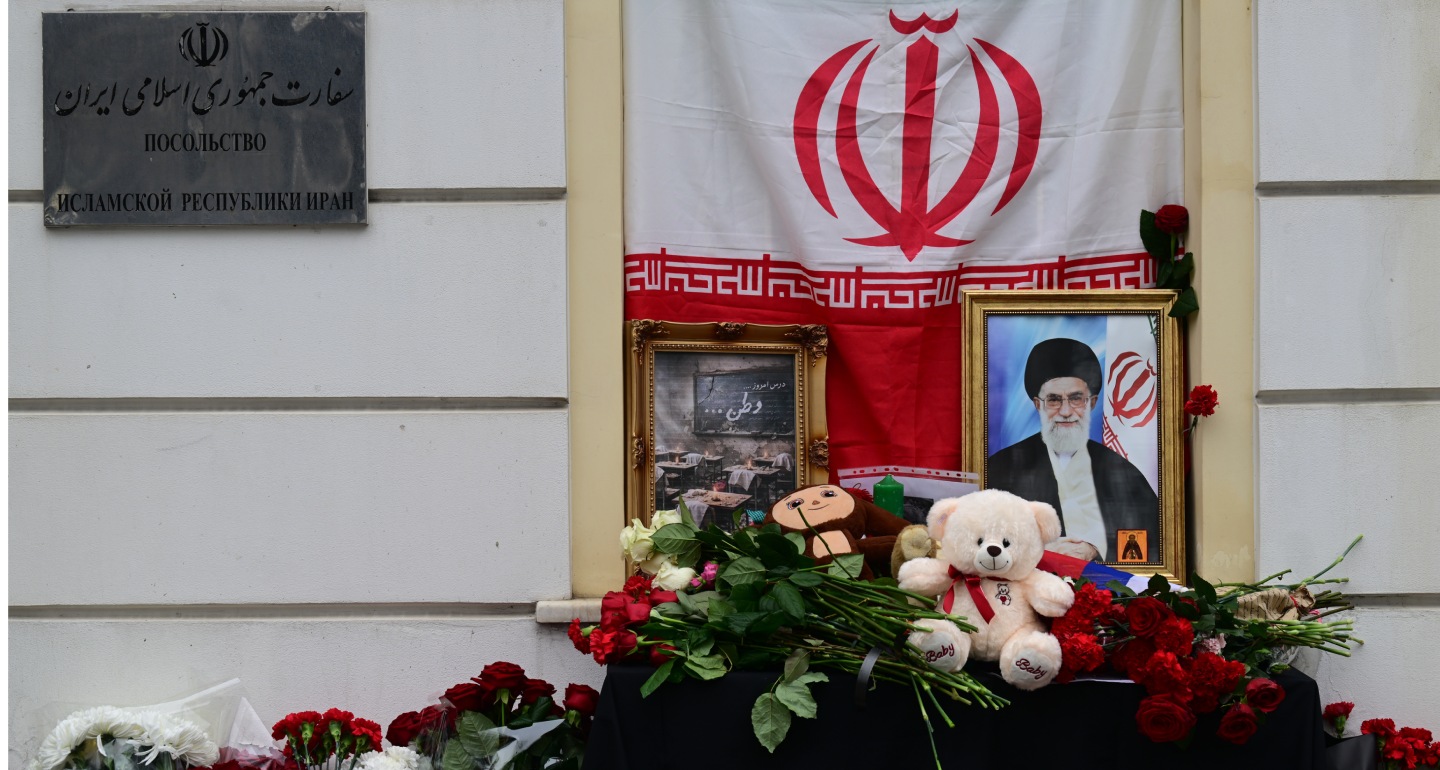
If the regime in Tehran survives, it could be obliged to hand Moscow significant political influence in exchange for supplies of weapons and humanitarian aid.

Nikita Smagin

The interventions in Iran and Venezuela are in keeping with Trump’s strategy of containing China, but also strengthen Russia’s position.

Mikhail Korostikov