

Commentary
Unexpectedly, Trump’s America appears to have replaced Putin’s Russia’s as the world’s biggest disruptor.
Alexander Baunov
{
  "authors": [
    "Zhang Chuanjie"
  ],
  "type": "legacyinthemedia",
  "centerAffiliationAll": "",
  "centers": [
    "Carnegie Endowment for International Peace",
    "Carnegie China"
  ],
  "collections": [
    "China’s Foreign Relations"
  ],
  "englishNewsletterAll": "",
  "nonEnglishNewsletterAll": "",
  "primaryCenter": "Carnegie China",
  "programAffiliation": "",
  "programs": [],
  "projects": [],
  "regions": [
    "North America",
    "United States",
    "Middle East",
    "Iraq"
  ],
  "topics": [
    "Security",
    "Military",
    "Foreign Policy"
  ]
}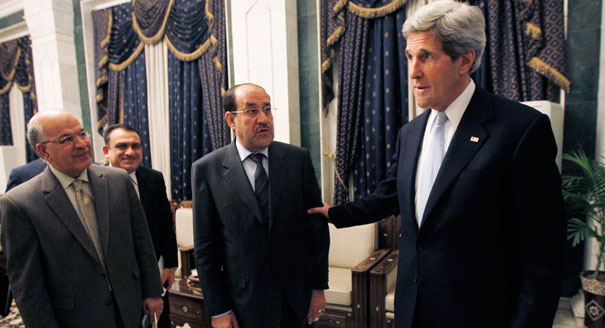
Given continuing sectarian strife and a rise in terrorist cells in Iraq, the U.S. invasion of the country could be a considered a military victory but is increasingly seen as the wrong political decision.
Source: CCTV
Speaking on CCTV, Carnegie-Tsinghua’s Zhang Chuanjie discussed the political implications and social consequences of the Iraq War ten years after the U.S. invasion. Describing the move as a military success, he said it was the wrong political decision.
Referring to the continuing sectarian strife in Iraq, Zhang noted that all sides must be willing to compromise within a political framework, without resorting to violence. It will take a long time before the political situation can be stabilized, he added. Zhang stated that in the interim, Iraq is a “very weak state, lacking legitimacy among these different political sectors” which will have a major ramifications for terrorism in Iraq and throughout the region.
Turning to other U.S. security interests in the Middle East, Zhang noted how the Iraqi invasion served no practical purpose against the primary threat from Iran.
Carnegie does not take institutional positions on public policy issues; the views represented herein are those of the author(s) and do not necessarily reflect the views of Carnegie, its staff, or its trustees.
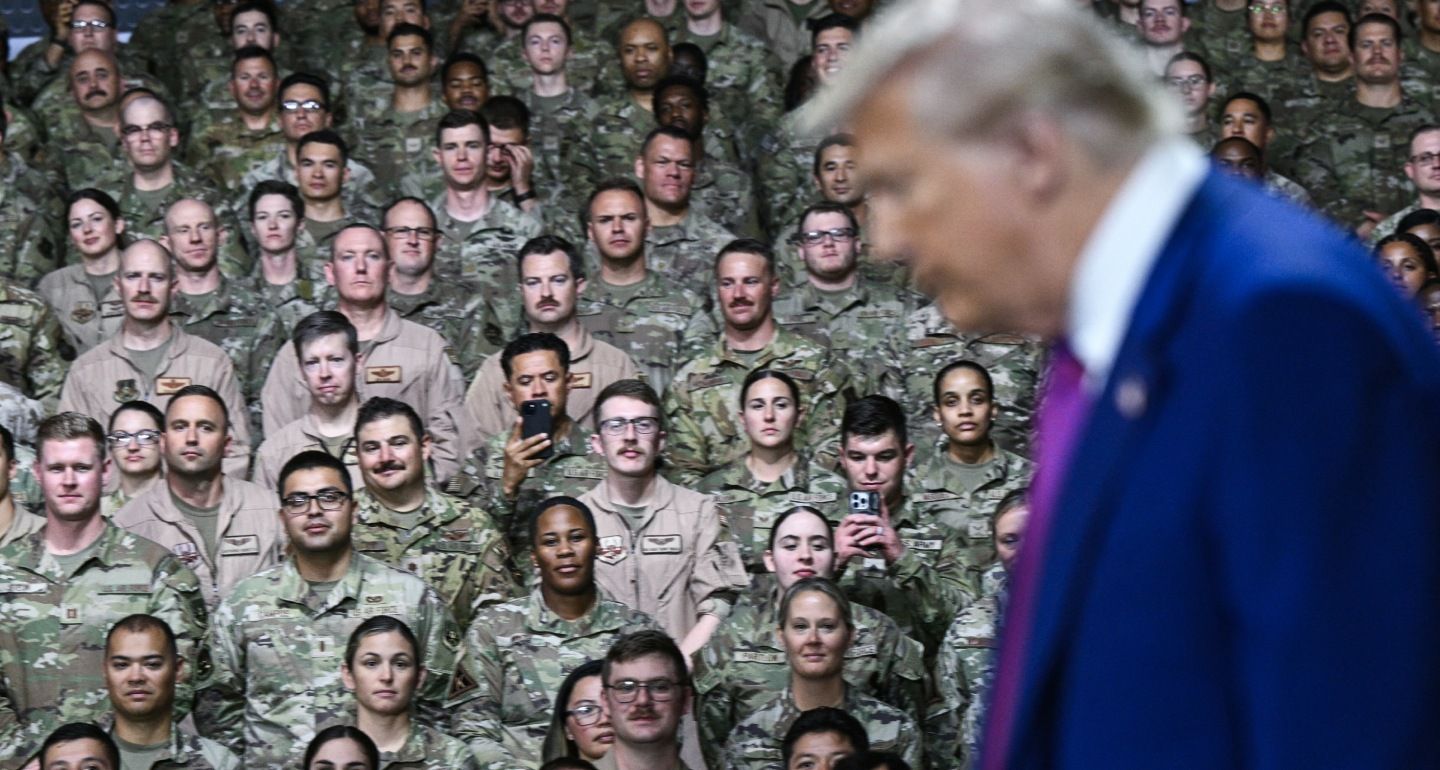
Unexpectedly, Trump’s America appears to have replaced Putin’s Russia’s as the world’s biggest disruptor.
Alexander Baunov
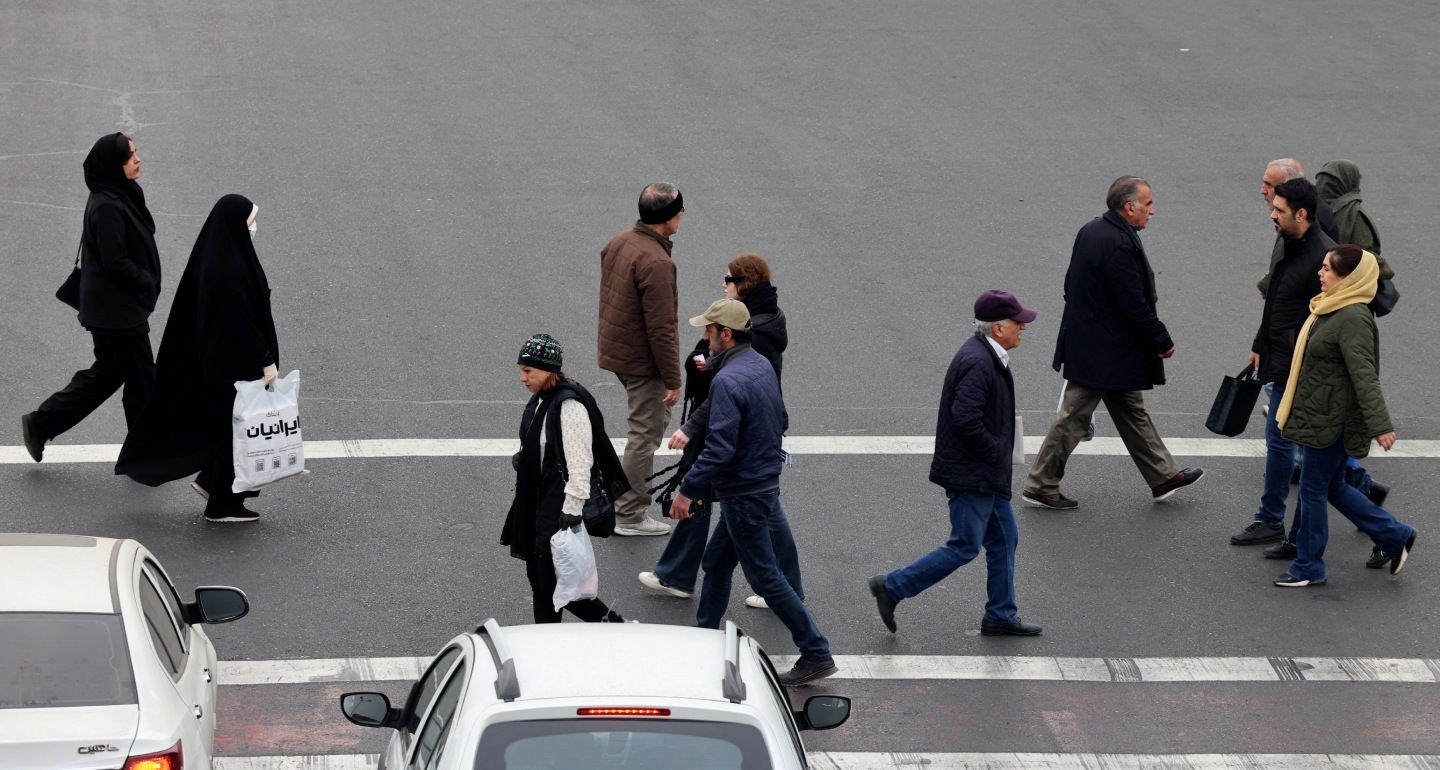
Baku may allow radical nationalists to publicly discuss “reunification” with Azeri Iranians, but the president and key officials prefer not to comment publicly on the protests in Iran.

Bashir Kitachaev
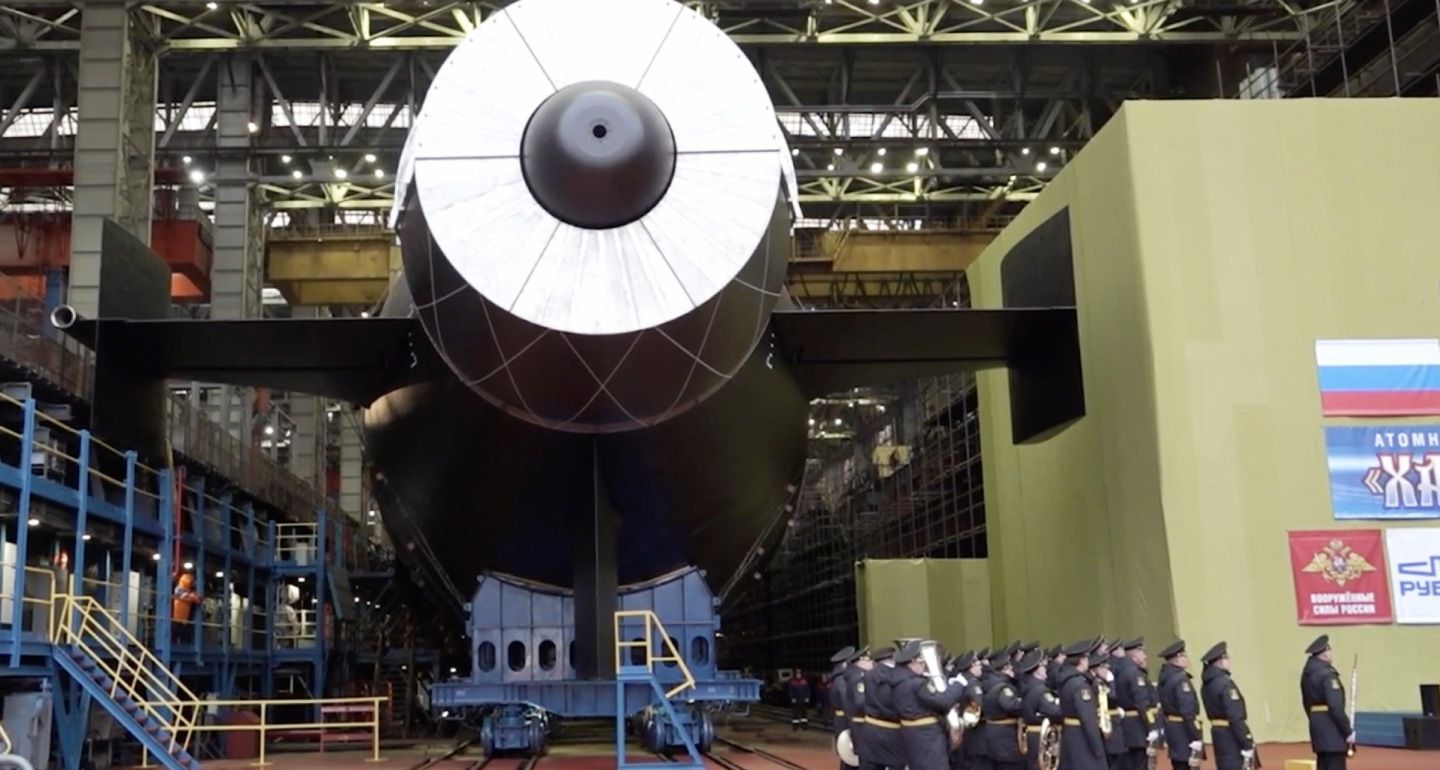
The Kremlin will only be prepared to negotiate strategic arms limitations if it is confident it can secure significant concessions from the United States. Otherwise, meaningful dialogue is unlikely, and the international system of strategic stability will continue to teeter on the brink of total collapse.

Maxim Starchak
For years, the Russian government has promoted “sovereign” digital services as an alternative to Western ones and introduced more and more online restrictions “for security purposes.” In practice, these homegrown solutions leave people vulnerable to data leaks and fraud.

Maria Kolomychenko
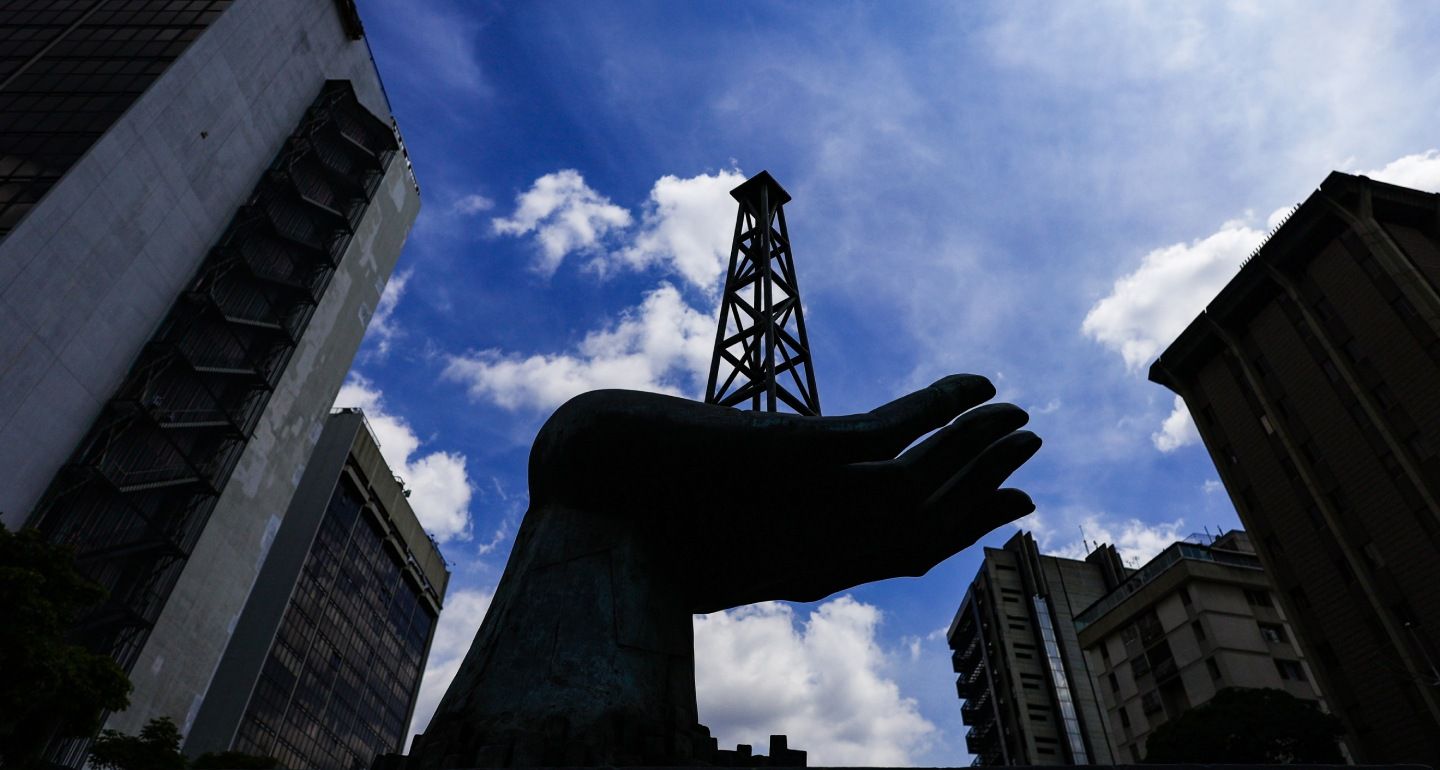
Geological complexity and years of mismanagement mean the Venezuelan oil industry is not the big prize officials in Moscow and Washington appear to believe.
Sergey Vakulenko