

Commentary
The supposed threats from China and Russia pose far less of a danger to both Greenland and the Arctic than the prospect of an unscrupulous takeover of the island.
Andrei Dagaev
{
  "authors": [
    "C. Raja Mohan"
  ],
  "type": "legacyinthemedia",
  "centerAffiliationAll": "",
  "centers": [
    "Carnegie Endowment for International Peace",
    "Carnegie China",
    "Carnegie India"
  ],
  "collections": [],
  "englishNewsletterAll": "",
  "nonEnglishNewsletterAll": "",
  "primaryCenter": "Carnegie India",
  "programAffiliation": "",
  "programs": [
    "South Asia"
  ],
  "projects": [],
  "regions": [
    "South Asia",
    "India",
    "Pakistan",
    "East Asia",
    "China"
  ],
  "topics": [
    "Nuclear Policy",
    "Nuclear Energy",
    "Arms Control"
  ]
}
Unless Delhi brings greater clarity to the interpretation of the nuclear liability act and the regulations for its implementation, India's hopes of building an advanced nuclear power industry at home and exporting nuclear reactors and services around the world will come to naught.
Source: Indian Express
In deciding to sell two additional nuclear reactors to Pakistan, in violation of the current international guidelines on atomic commerce, China, if only inadvertently, has helped reveal the unenviable nuclear policy mess that the UPA government finds itself in.
Consider the irony: India worked hard for nearly a decade to get an exemption from the guidelines of the Nuclear Suppliers Group (NSG) in order to expand its civil nuclear programme. With strong support from its partners the United States, Russia and France India got it done in 2008. Ending India's atomic isolation a decade after it conducted nuclear tests and invited international condemnation was an extraordinary diplomatic achievement.
China, responding to the pressures from Pakistan to match India's historic civil nuclear initiative, demanded that the NSG extend a similar nuclear exemption to Pakistan. When the NSG refused, China tried to block the approval of the U.S.-India nuclear deal. It failed again.Six years later, India has not been able to sign a single commercial contract for the import of nuclear reactors. Pakistan, in contrast, is getting ready to construct two reactors, to be supplied and financed by China. Unlike India, Pakistan has not separated its civilian and military programmes or given any non-proliferation commitments.
Whether you like it or not, you will have to marvel at China's nuclear chutzpah. Beijing's reactor sale to Pakistan reveals three important dimensions of China's thinking. One, Beijing is determined to reassure Islamabad that their bilateral relationship remains "deeper than the Indian Ocean, higher than the Himalayas, and sweeter than honey". This is not mere rhetoric. China has demonstrated, time and again, that its ties with Pakistan have a logic of their own, unencumbered by any global norms.
Second, in disregarding the international norms, Beijing is confident that the U.S. and Western powers will impose no costs on China. The current rules of the 46-nation NSG prohibit any nuclear commerce with Pakistan, peaceful or otherwise.
China has been party to these rules since it joined the NSG in 2004. Back then, it was agreed that the previous Chinese commitment to build a couple of reactors at Chashma was "grandfathered" from the new constraints on Chinese nuclear cooperation with Pakistan.
After 2004, China decided to build two new reactors at Chashma in Punjab (units 3 and 4). When the NSG grumbled, Beijing claimed the two new reactors at Chashma were part of the old understanding with Pakistan. Although Beijing's argument was tenuous, the NSG grudgingly accepted this and no more.
China is now at it again. Beijing plans to sell two more reactors, to be built at Karachi. Won't the NSG object? To be sure, there is some concern in the NSG about China's utter contempt for the guidelines on nuclear exports. But who would want to bell the Chinese cat? The US perhaps could, but it is too distracted to pick another quarrel with China.
Third, Beijing is also informing Delhi that despite considerable improvement in Sino-Indian relations over the last quarter of a century, there will be no change in China's long-standing policy of balancing India with strategic support, including in the field of nuclear weaponry and missiles, to Pakistan.
India has apparently lodged a formal protest against China's decision on the supply of additional nuclear reactors to Pakistan. Delhi's protests are unlikely to make any difference to Beijing. India, in fact, must prepare for worse. It is probably a matter of time before China announces the supply of a nuclear-powered submarine to Pakistan.
Ever since India's successful launch of the nuclear-powered submarine, INS Arihant, and the lease of another nuclear submarine, INS Chakra, from Russia, Pakistan has been pressing for a similar deal from China. Going by the record of China's expansive nuclear cooperation with Pakistan, it is bound to happen sooner rather than later. A nuclear submarine deal, unlike the agreement to sell nuclear reactors, will not violate the current non-proliferation regime. Even more important, such a deal might open the door to China stationing its own nuclear submarines in Pakistan and the launch of naval nuclear patrols in the Indian Ocean.
India has many reasons to nurse a nuclear grievance against China. For, Beijing's decision to arm Pakistan with nuclear weapons has given Rawalpindi the impunity to pursue cross-border terrorism against India. But Delhi has no reason at all to blame Beijing for its own failures on the nuclear policy front.
It was India's maiden nuclear test in 1974 that triggered China's nuclear embrace of Pakistan. Instead of pressing ahead with a nuclear weapons programme, India declared that its test was a "peaceful nuclear explosion" and kept mouthing slogans about nuclear disarmament. As India dithered, Pakistan marched ahead to build a nuclear arsenal. On the missile front, too, Pakistan raced ahead of India, with China's support. India's Pokhran tests of May 1998 were a belated attempt at catching up with Pakistan.
After the successful pursuit of the civil nuclear initiative with the US, India shot itself in the foot again by passing a bizarre nuclear liability act, which now comes in the way of building a large civil nuclear power programme. Although our debate has been framed in terms of American objections to the act, our other international partners, including Russia and France, are deeply uncomfortable with its provisions. The same applies to the Indian private and public sector corporations that are unwilling to bear the burdens imposed by the act.
Unless Delhi brings greater clarity to the interpretation of the nuclear liability act and the regulations for its implementation, India's hopes of building an advanced nuclear power industry at home and exporting nuclear reactors and services around the world will come to naught. It could, of course, sit back and watch China export nuclear reactors across India's neighbourhood, and occasionally dispatch a note of protest to Beijing.
This article was originally published in the Indian Express.
Carnegie does not take institutional positions on public policy issues; the views represented herein are those of the author(s) and do not necessarily reflect the views of Carnegie, its staff, or its trustees.
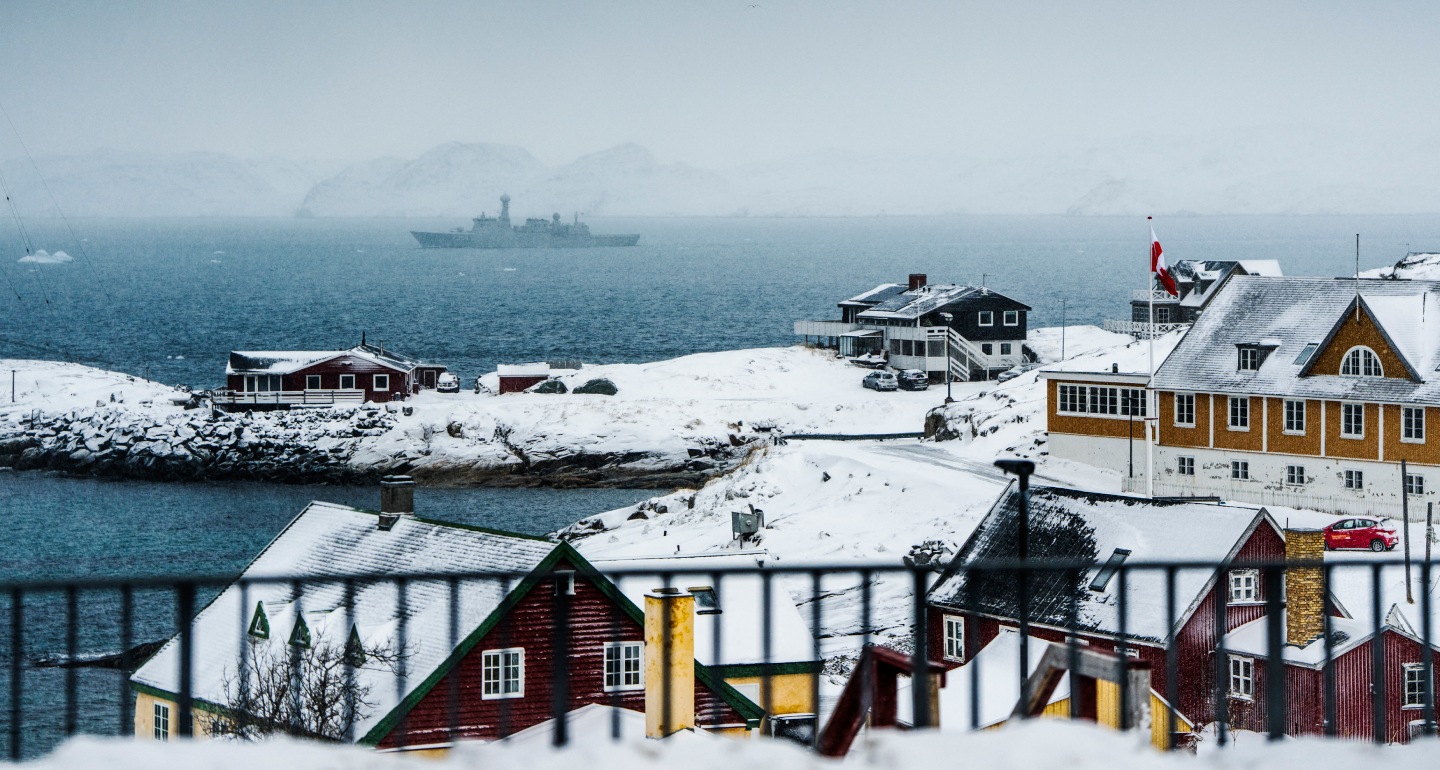
The supposed threats from China and Russia pose far less of a danger to both Greenland and the Arctic than the prospect of an unscrupulous takeover of the island.

Andrei Dagaev
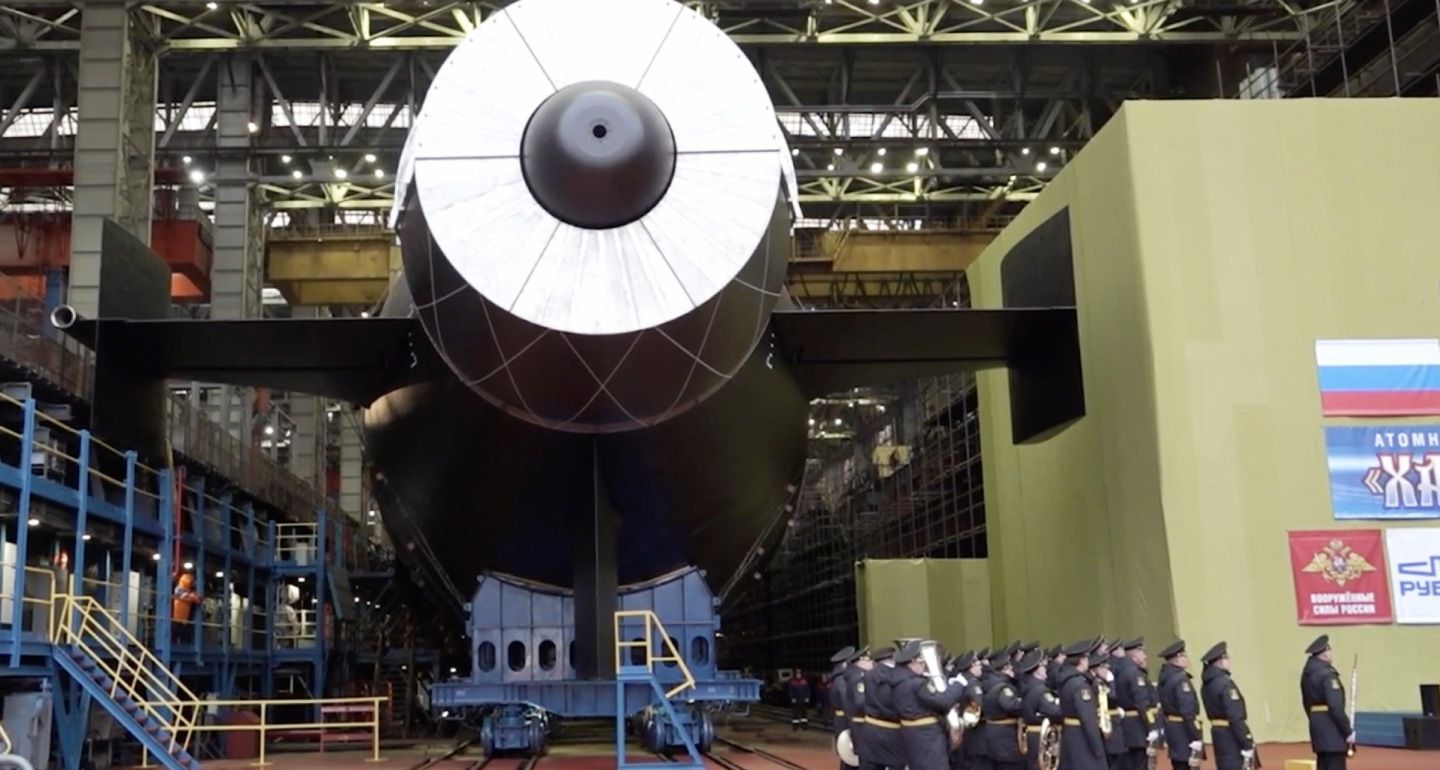
The Kremlin will only be prepared to negotiate strategic arms limitations if it is confident it can secure significant concessions from the United States. Otherwise, meaningful dialogue is unlikely, and the international system of strategic stability will continue to teeter on the brink of total collapse.

Maxim Starchak
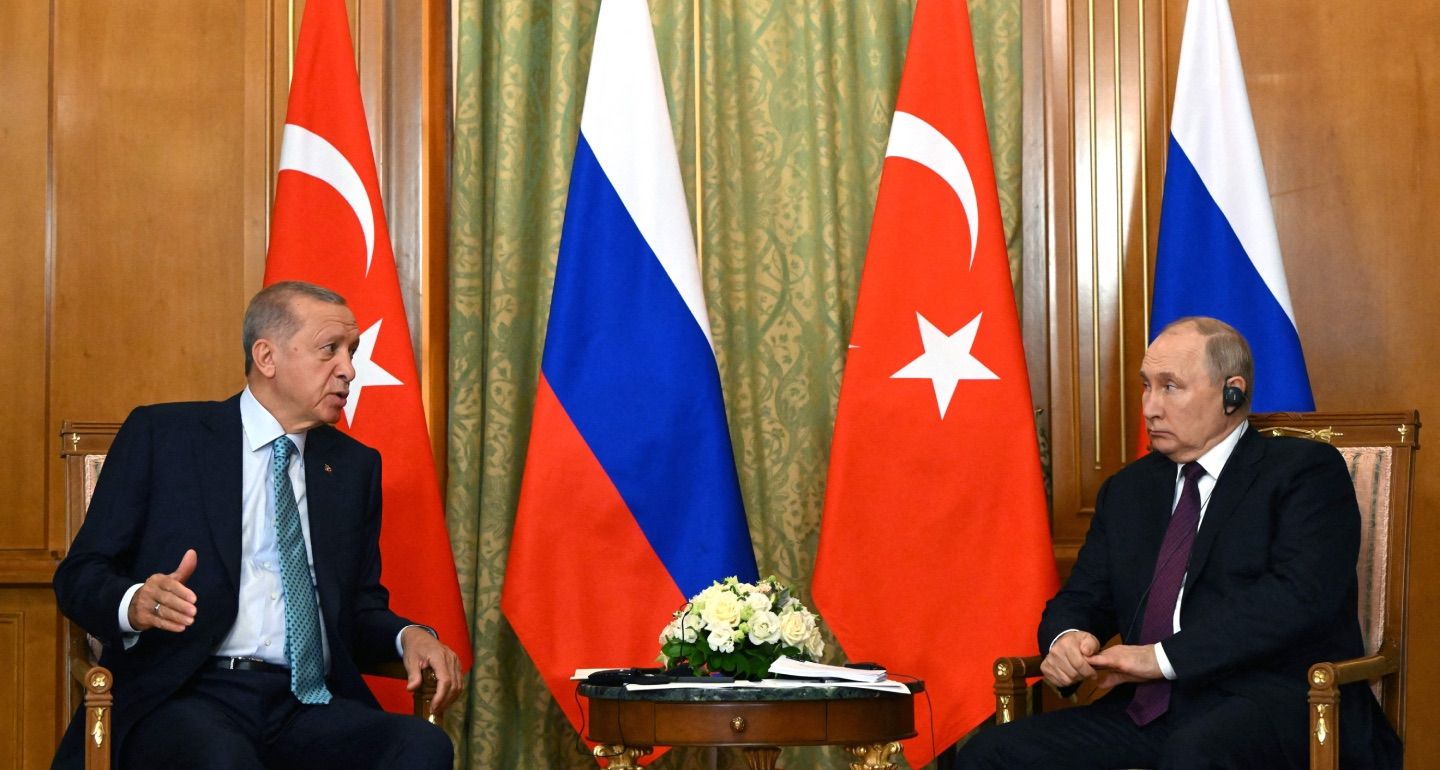
Mutual suspicion between Moscow and Ankara is growing as Türkiye cozies up to Washington and NATO while reducing its dependence on Russian energy.

Ruslan Suleymanov
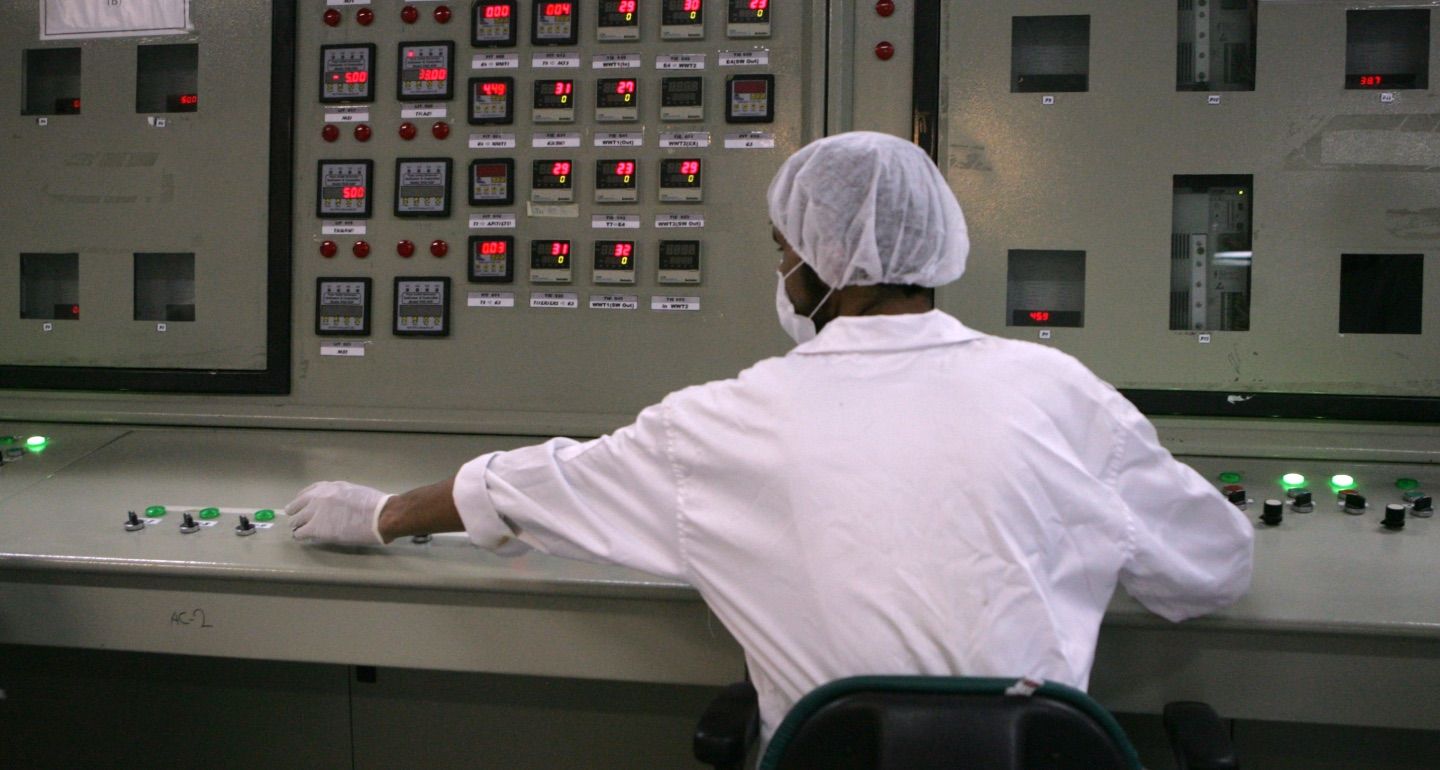
Tehran’s most urgent task is to reduce the risk of further Israeli and U.S. airstrikes. Russia’s role as a deterrent in this respect is more multifaceted than simply supplying weapons, whose real impact will only become apparent many years from now.

Nikita Smagin
The collapse of the Budapest summit is an inevitable result of the Russian system of artificially creating foreign policy crises in order to achieve a desired outcome.

Alexander Baunov