

Commentary
Unexpectedly, Trump’s America appears to have replaced Putin’s Russia’s as the world’s biggest disruptor.
Alexander Baunov
{
  "authors": [
    "Darshana M. Baruah"
  ],
  "type": "legacyinthemedia",
  "centerAffiliationAll": "",
  "centers": [
    "Carnegie Endowment for International Peace",
    "Carnegie India"
  ],
  "collections": [],
  "englishNewsletterAll": "",
  "nonEnglishNewsletterAll": "",
  "primaryCenter": "Carnegie India",
  "programAffiliation": "",
  "programs": [
    "South Asia"
  ],
  "projects": [
    "Security Studies",
    "Indian Ocean Initiative"
  ],
  "regions": [
    "India",
    "Indo-Pacific",
    "France"
  ],
  "topics": [
    "Foreign Policy"
  ]
}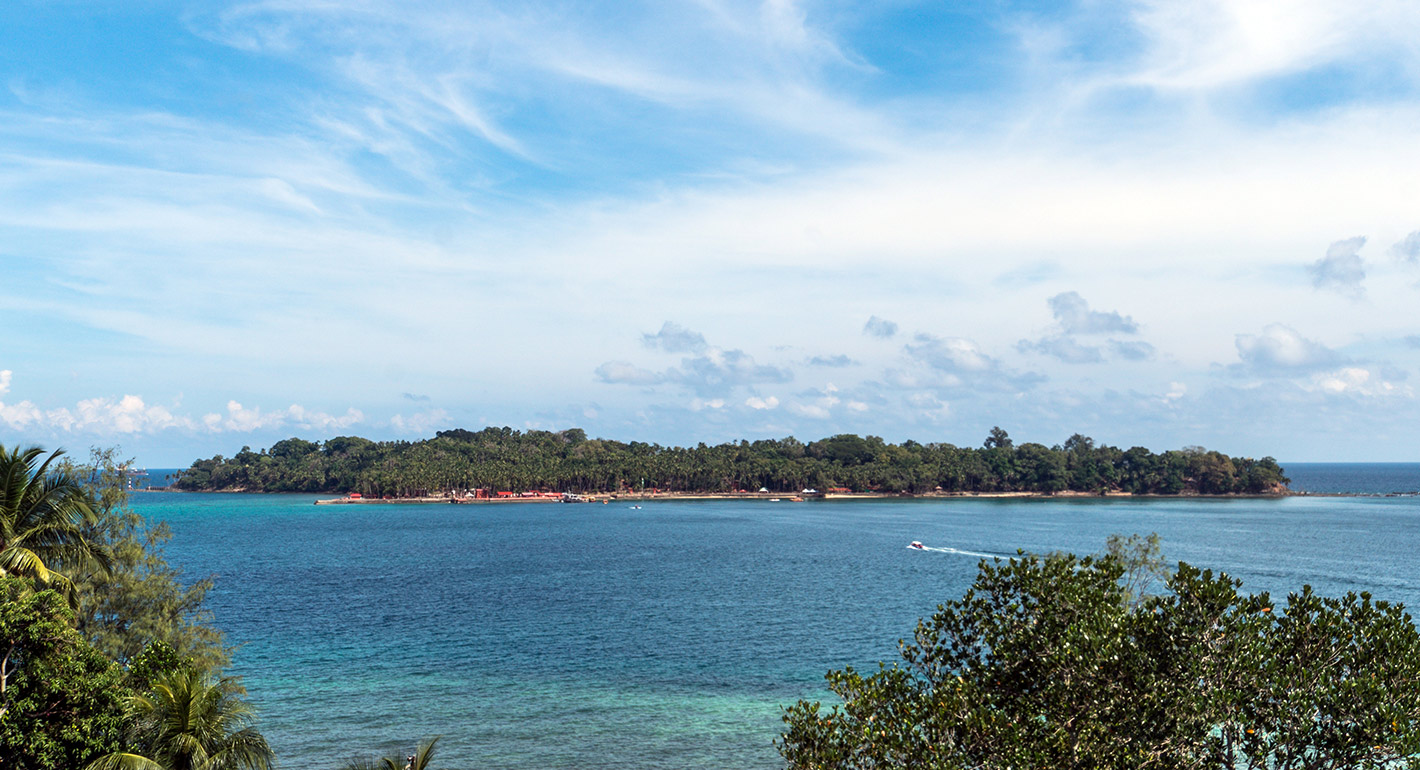
As countries debate an emerging security architecture in the Indo-Pacific, a key area is missing from the discussion: the role of islands. Much as they did in the past, islands will come to play a critical role in shaping the new order in the Indian Ocean region.
Source: War on the Rocks
Strategic islands played a key role in establishing the British empire’s dominance over the Indian Ocean region. Through a ring of bases and naval presence on islands, the British essentially controlled the entry points into this crucial area. In the east it had Singapore and the Andaman and Nicobar Islands, while Socotra and the port city of Aden provided access to the Red Sea and Bab-el Mandeb. With control of Sri Lanka, Maldives, Mauritius, the Seychelles and, briefly, Madagascar, the empire turned the Indian Ocean into a “British Lake.” To consolidate its presence along the coast of Africa, the British Empire fought bloody wars to take control of Kenya, Uganda, and the island of Zanzibar. With these islands and coastal territories, the empire projected its power across the region and dominated the key chokepoints and shipping lines between Asia, Africa, and Europe.
History has time and again highlighted the importance of islands in establishing naval dominance. In the 21st century, maritime affairs have returned to prominence on the geopolitical stage. As countries debate an emerging security architecture in the Indo-Pacific, a key area is missing from the discussion: the role of islands. Much as they did in the past, islands will come to play a critical role in shaping the new order in the Indian Ocean region.
Carnegie does not take institutional positions on public policy issues; the views represented herein are those of the author(s) and do not necessarily reflect the views of Carnegie, its staff, or its trustees.
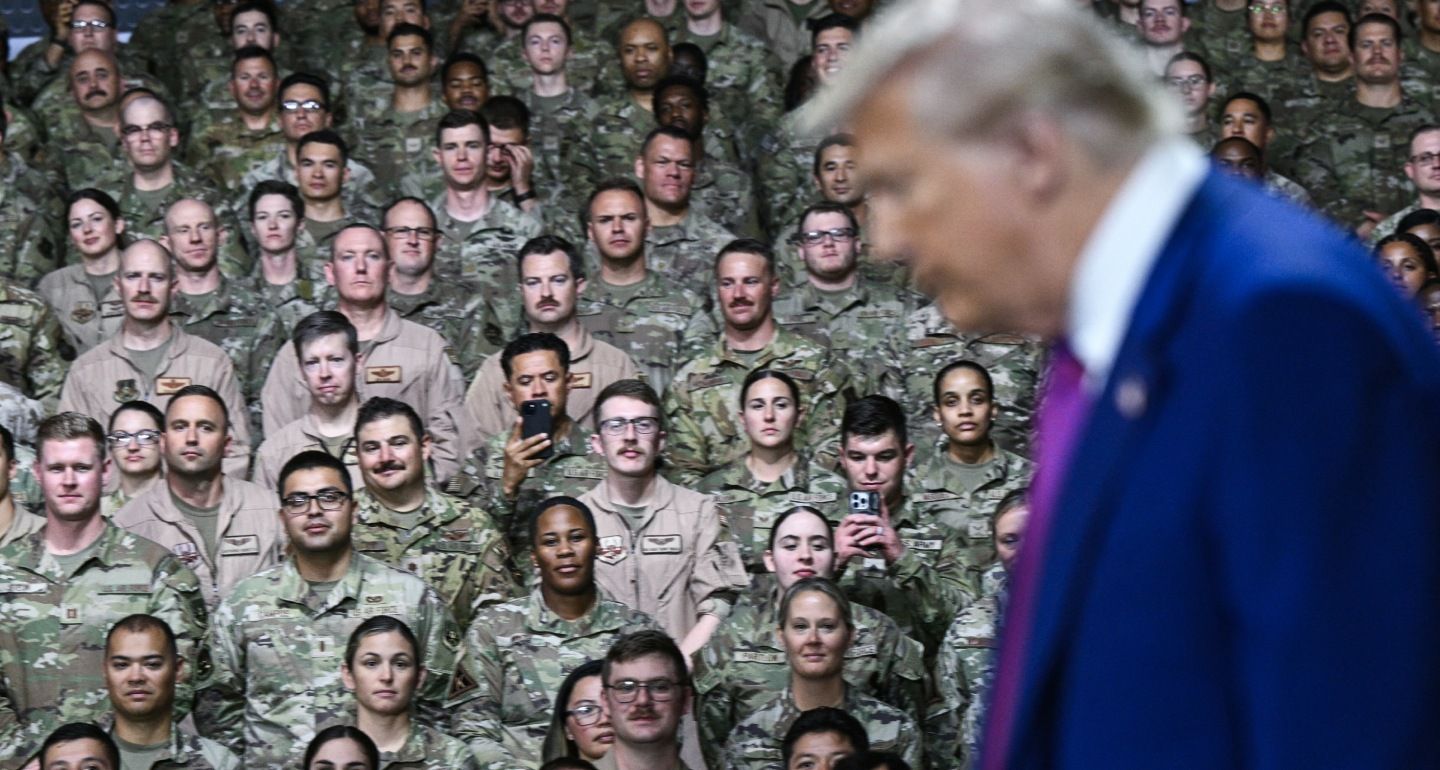
Unexpectedly, Trump’s America appears to have replaced Putin’s Russia’s as the world’s biggest disruptor.

Alexander Baunov
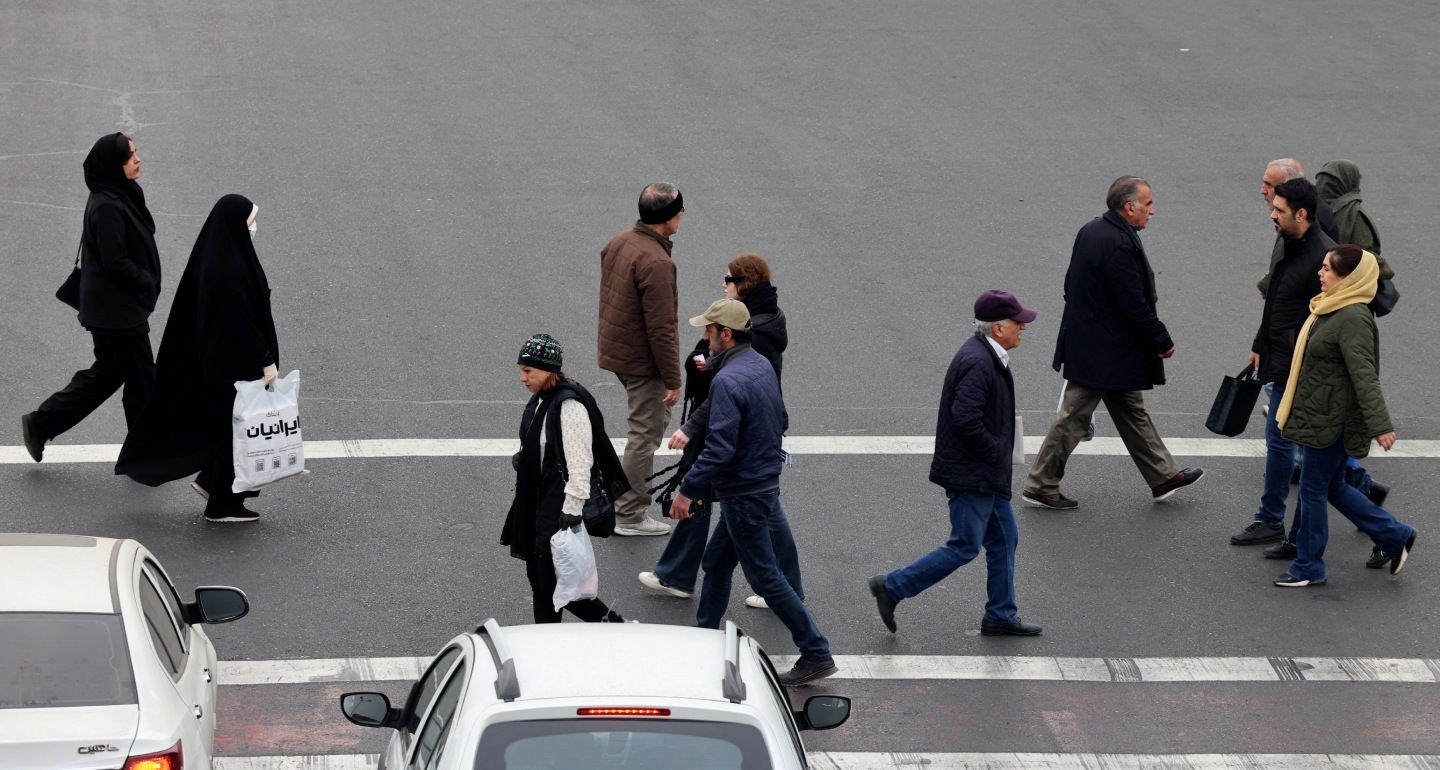
Baku may allow radical nationalists to publicly discuss “reunification” with Azeri Iranians, but the president and key officials prefer not to comment publicly on the protests in Iran.

Bashir Kitachaev
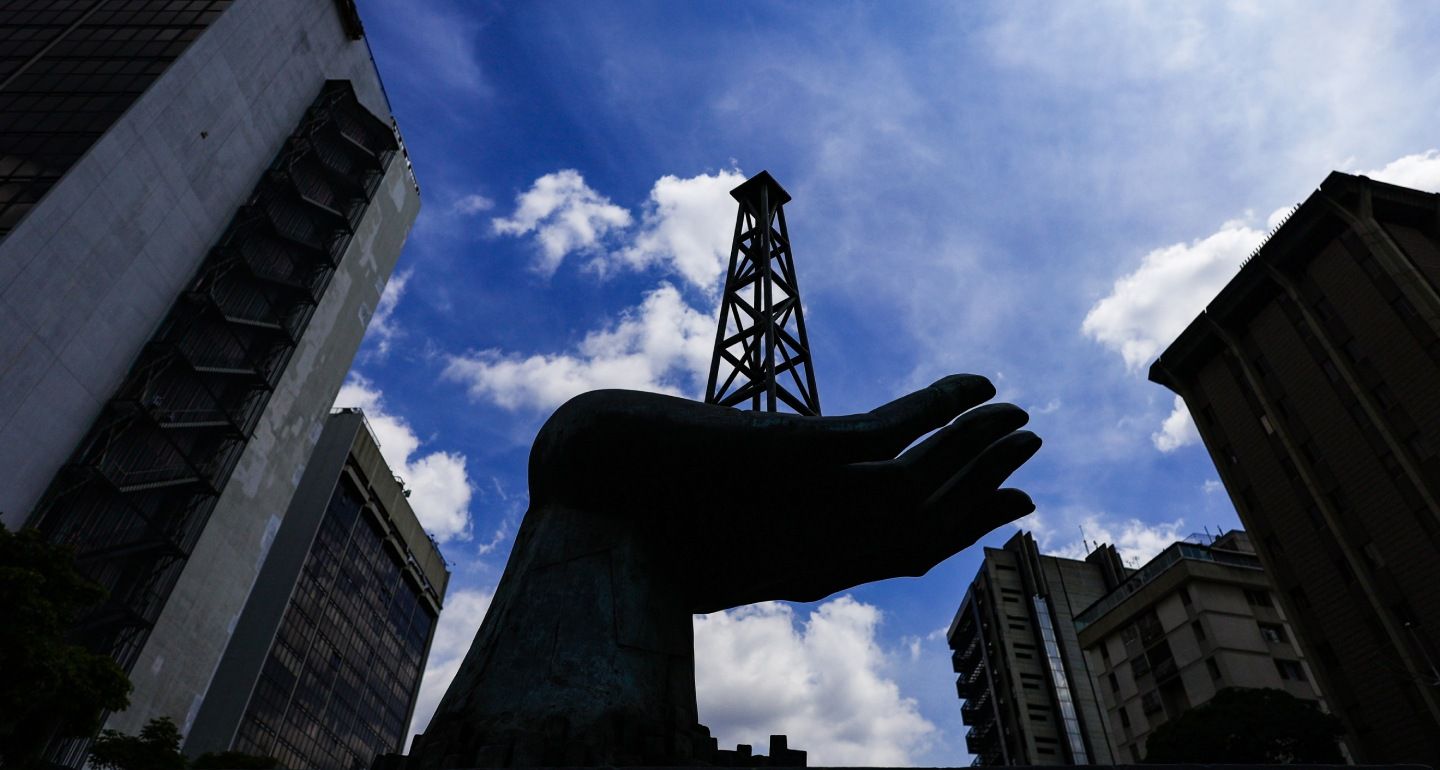
Geological complexity and years of mismanagement mean the Venezuelan oil industry is not the big prize officials in Moscow and Washington appear to believe.

Sergey Vakulenko
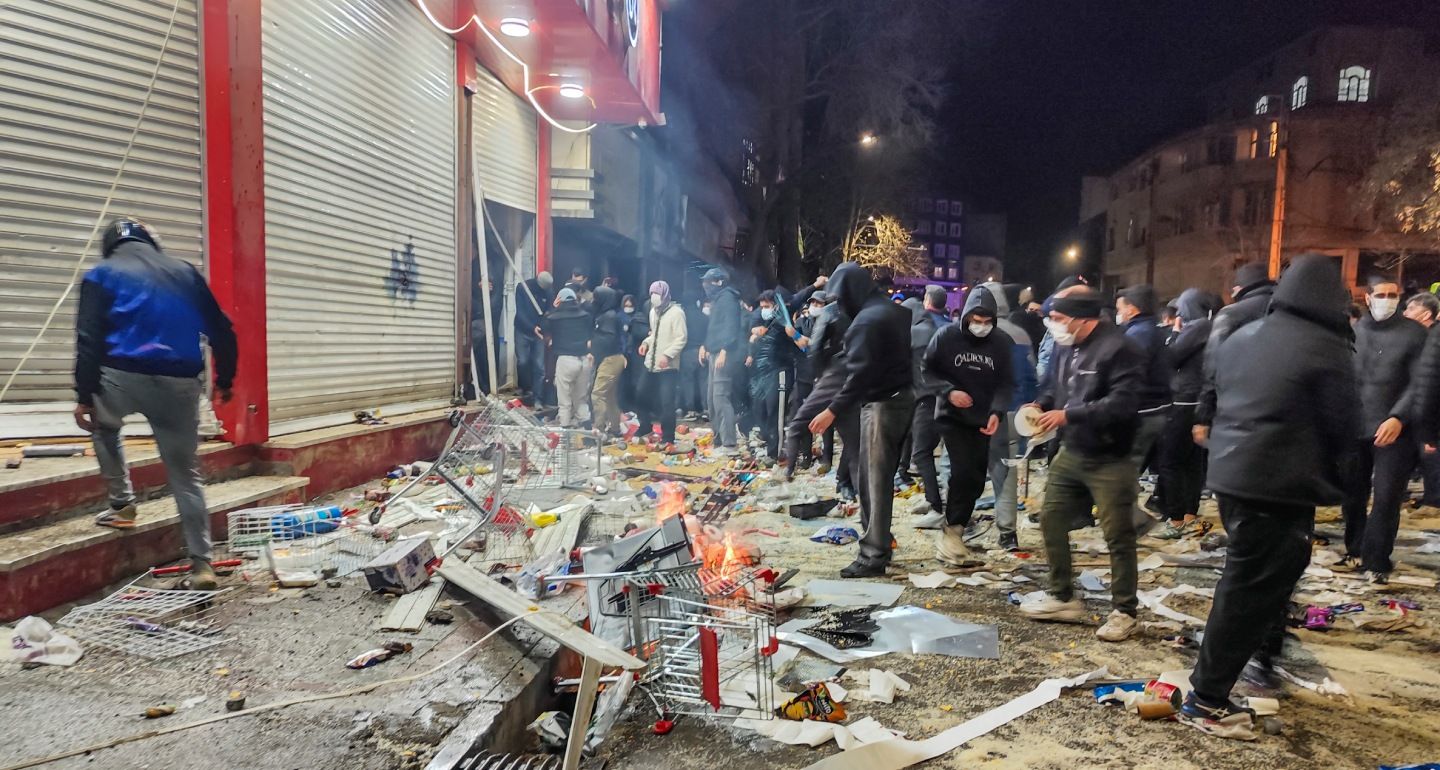
It’s one thing to export Russian helicopters to Iran to fight the insurgency, and it’s easy to imagine Moscow becoming a haven for fleeing Iranian leaders. But it’s very difficult to imagine Russian troops defending the Iranian regime on the ground.

Nikita Smagin
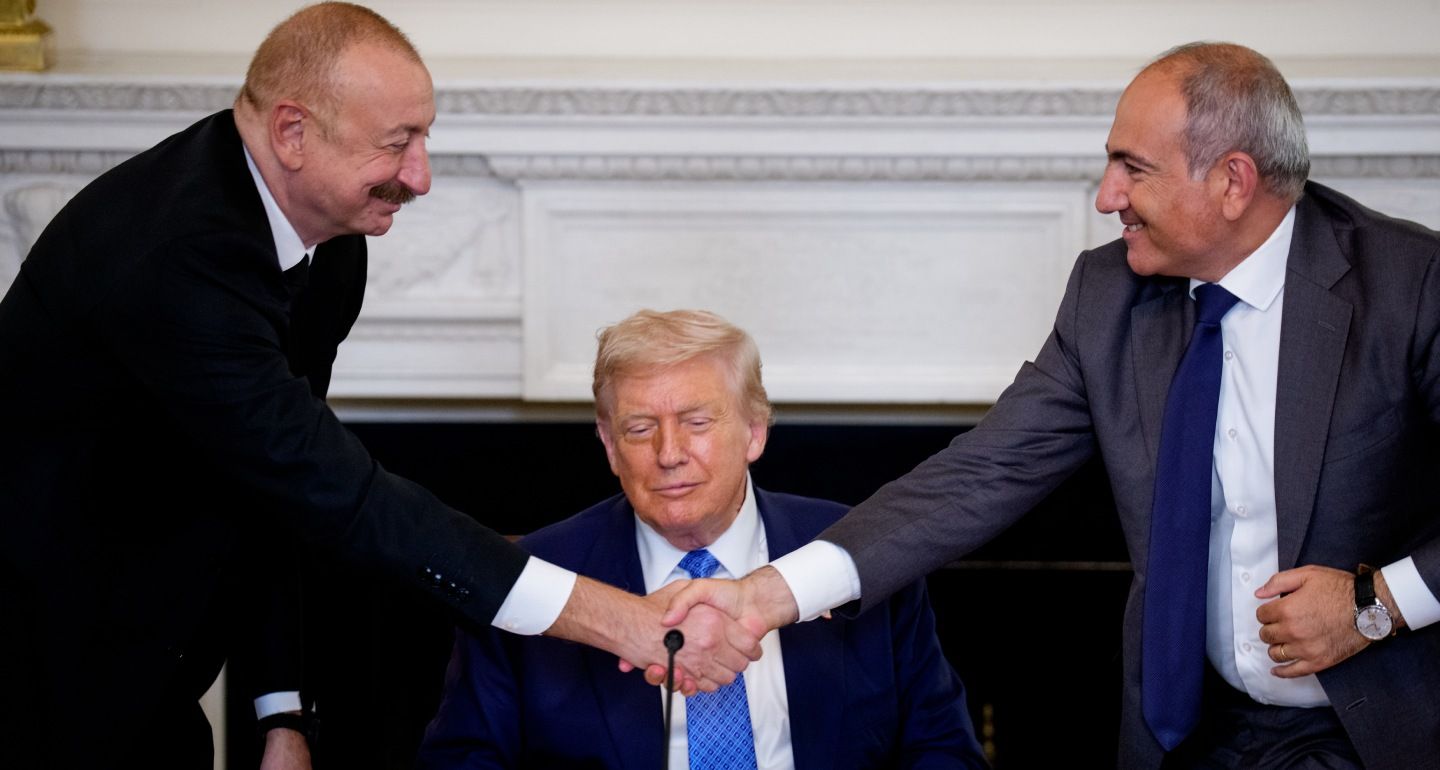
While signaling internationally that it wants peace, the Azerbaijani regime continues to promote anti-Armenian sentiment at home to mobilize domestic support.
Bashir Kitachaev