

Commentary
The story of a has-been politician apparently caught red-handed is intersecting with the larger forces at work in the Ukrainian parliament.
Konstantin Skorkin
{
  "authors": [
    "Paul Haenle"
  ],
  "type": "commentary",
  "centerAffiliationAll": "",
  "centers": [
    "Carnegie Endowment for International Peace",
    "Carnegie China"
  ],
  "collections": [
    "Carnegie China Commentaries"
  ],
  "englishNewsletterAll": "",
  "nonEnglishNewsletterAll": "",
  "primaryCenter": "Carnegie China",
  "programAffiliation": "",
  "programs": [],
  "projects": [],
  "regions": [
    "East Asia",
    "China"
  ],
  "topics": [
    "Democracy",
    "Economy",
    "Civil Society"
  ]
}
Beijing must choose between preserving its pandemic narrative or facing more unrest.
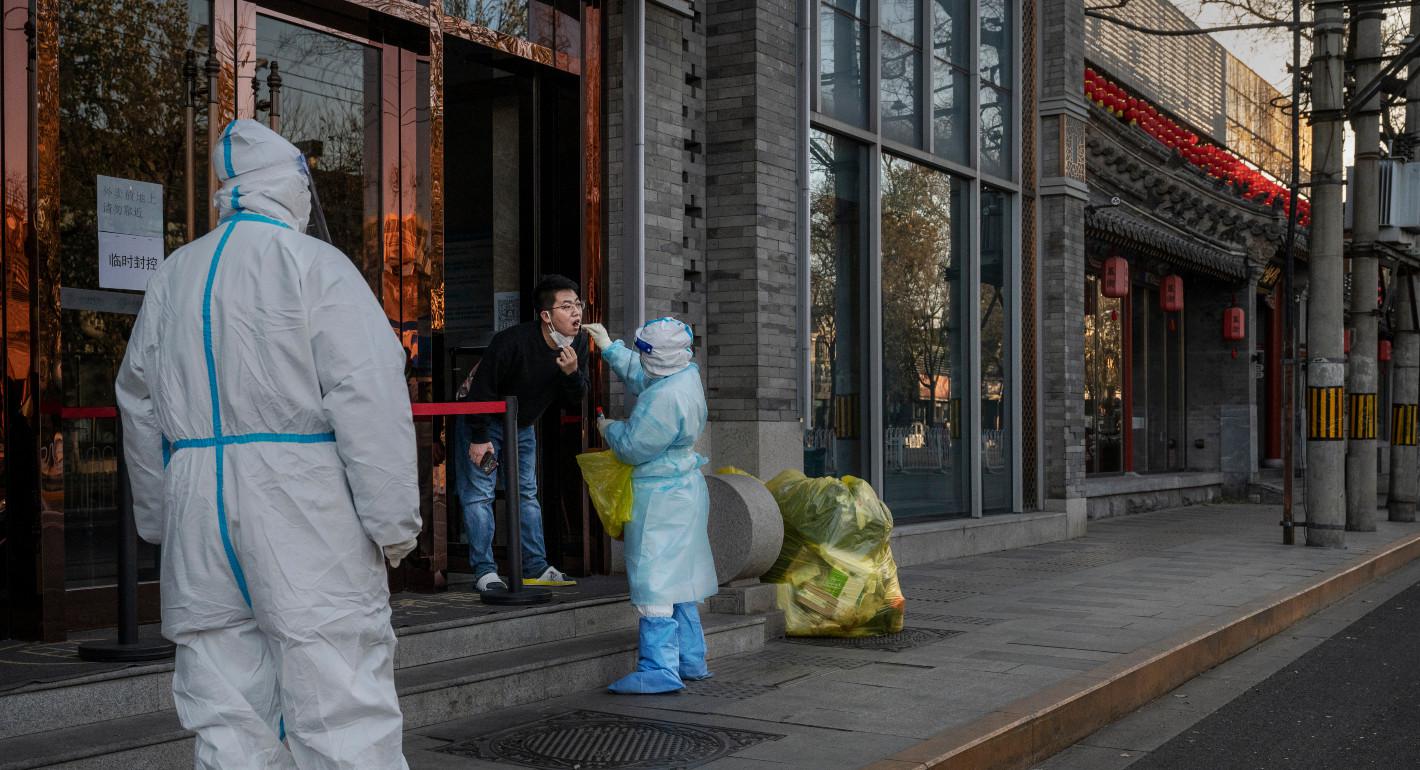
Over the past several days, China has witnessed both an increasingly severe coronavirus outbreak and an explosion of protests against its Zero COVID policy. A deadly fire in a locked-down apartment building in Xinjiang was the proximate cause of the latest round of unrest, though resentment and anger against Beijing’s harsh virus containment policies has been building for some time. The Chinese leadership now faces a difficult choice between relaxing restrictions, with the potential for greater viral spread, or ignoring protesters’ demands at the cost of greater social discontent.
In recent weeks, the Chinese government has sent mixed signals about the degree of coronavirus restrictions necessary to contain the virus, leading many to question the efficacy of the current policy. At the 20th Party Congress in October, many Chinese observers anxiously searched for indications that China would shift away from Zero COVID, but such hints were disappointingly absent. Chinese President Xi Jinping only mentioned the policy in the section of his speech on achievements of the past five years, wherein he highlighted the restrictions’ importance in stopping the spread and reducing fatalities. The work report did not include information on how the Chinese Communist Party (CCP) would handle the coronavirus pandemic going forward.
One month later, Beijing announced twenty measures meant to ease restrictions, including shortening quarantines for travelers and relaxing some contact tracing measures. Chinese citizens viewed these modifications optimistically, but the measures appear to have added to the confusion about China’s evolving approach to the pandemic. While some Chinese cities, such as Guangzhou, Shanghai, and Zhengzhou, have begun to ease lockdowns in recent days, and central authorities have begun to make rhetorical shifts by omitting reference to “dynamic Zero COVID,” a complete relaxation of the strict policy is unlikely anytime soon, as rising cases risk undermining the narrative that China handled the pandemic better than any other country.
To make matters worse, Chinese citizens saw crowds of maskless World Cup fans cheering in Qatar, leaving a deep impression that while the world has moved on, they continue to suffer under the highly restrictive and harsh measures of China’s current policy.
There is no doubt that Xi faces daunting challenges dealing with the coronavirus pandemic. But his problem really begins with how he wants China’s pandemic story to end, a story wherein the CCP’s Marxist-Leninist political system was able to manage the virus better than any other political system, especially those of the United States and other Western democracies.
The narrative Xi wants to tell is one where the Chinese people are strong and willing to sacrifice their individual freedoms for the common good. While the West may have returned to normal life faster than China, in Xi’s mind, it did so at the expense of its citizens and broader public health. The CCP protected its people, took care of their safety, and ensured that China made it through the coronavirus pandemic without the high mortality rates that many other countries experienced. This narrative overlooks the many other social ills brought on by Zero COVID, such as the inability of locked-down residents to receive emergency medical care, let alone engage in normal business and social activities.
So if Xi’s goal is to show the strengths of China’s political system through Zero COVID, how will the leadership be able to relax restrictive policies while avoiding the high transmission and mortality rates that would undermine his ultimate political objectives?
To move beyond Zero COVID, China would need to vaccinate a much higher percentage of its citizens, including the vulnerable elderly, and make significant improvements to China’s health care infrastructure. The country’s ICU capacity, for example, is wanting—China has at least seven times fewer per capita than that of the United States. Add the fact that many Chinese have not developed any form of herd immunity after suppressing the virus for so long, leading to the potential for more severe illnesses.
Given these challenges, the Chinese leadership faces a double-edged sword: relax Zero COVID restrictions and risk a high infection and fatality rate, or continue along the current path and risk continued citizen anger, frustration, and resentment.
Carnegie does not take institutional positions on public policy issues; the views represented herein are those of the author(s) and do not necessarily reflect the views of Carnegie, its staff, or its trustees.
The story of a has-been politician apparently caught red-handed is intersecting with the larger forces at work in the Ukrainian parliament.

Konstantin Skorkin
It’s one thing to export Russian helicopters to Iran to fight the insurgency, and it’s easy to imagine Moscow becoming a haven for fleeing Iranian leaders. But it’s very difficult to imagine Russian troops defending the Iranian regime on the ground.
Nikita Smagin
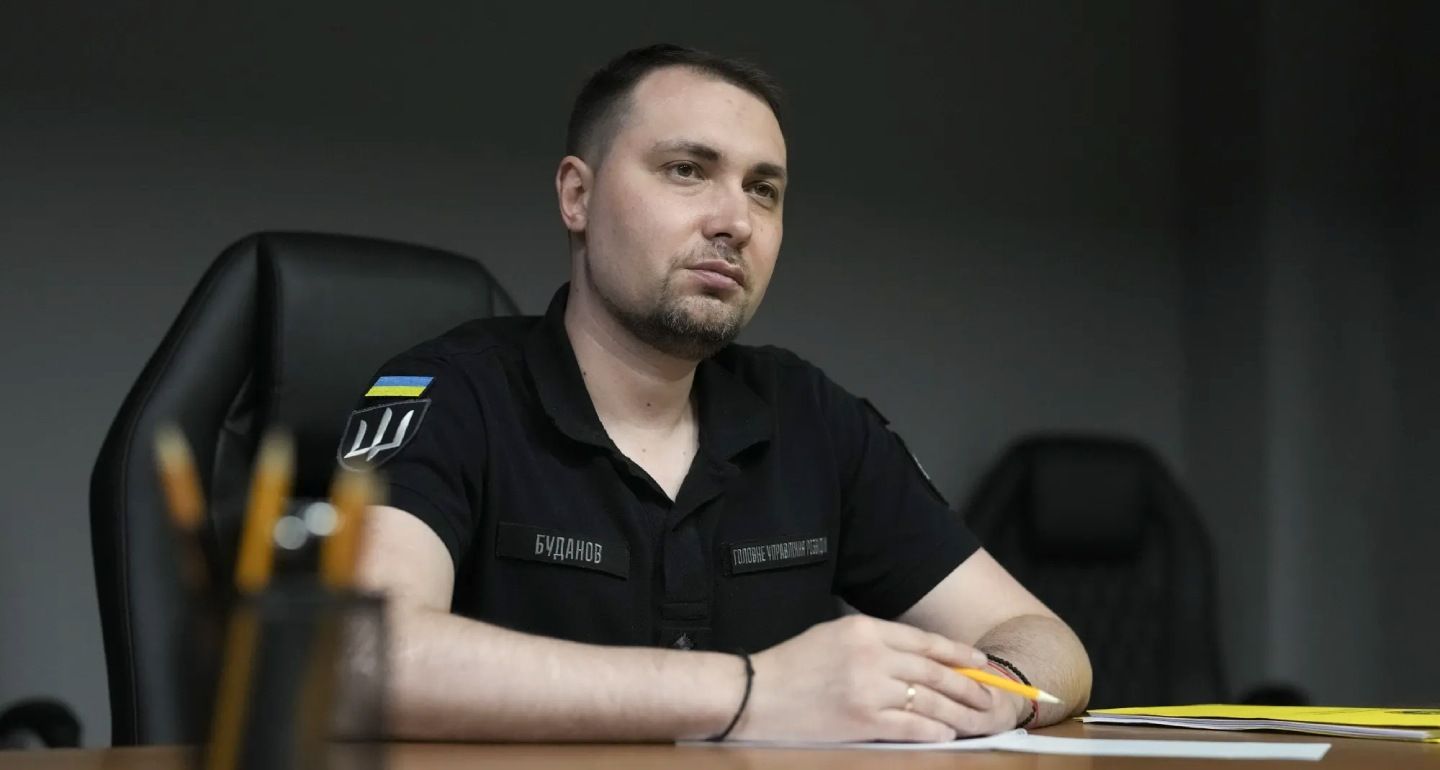
While appointing Kyrylo Budanov will help shore up Zelensky’s political authority and balance the president’s inner circle, the spy chief’s political ambitions mean he could be a threat.
Konstantin Skorkin
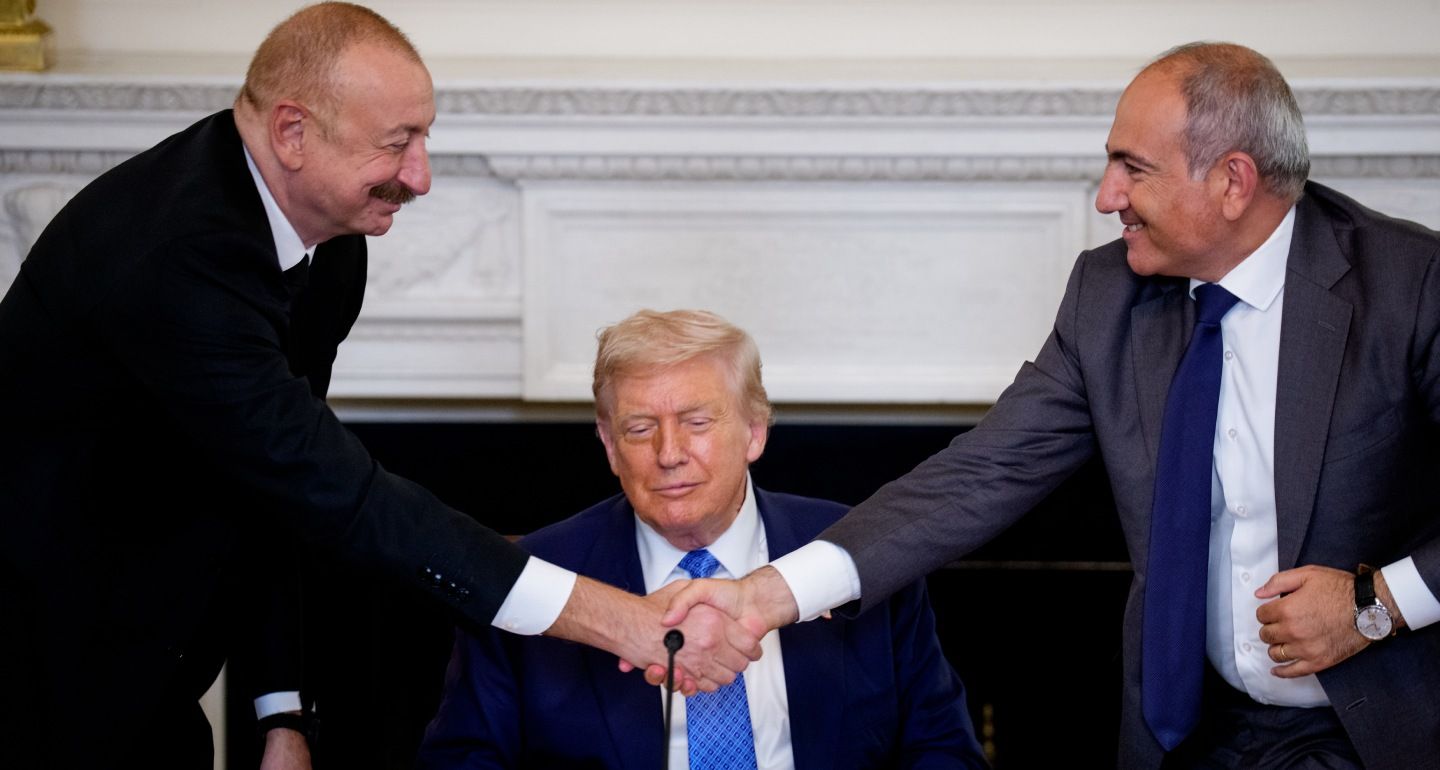
While signaling internationally that it wants peace, the Azerbaijani regime continues to promote anti-Armenian sentiment at home to mobilize domestic support.
Bashir Kitachaev
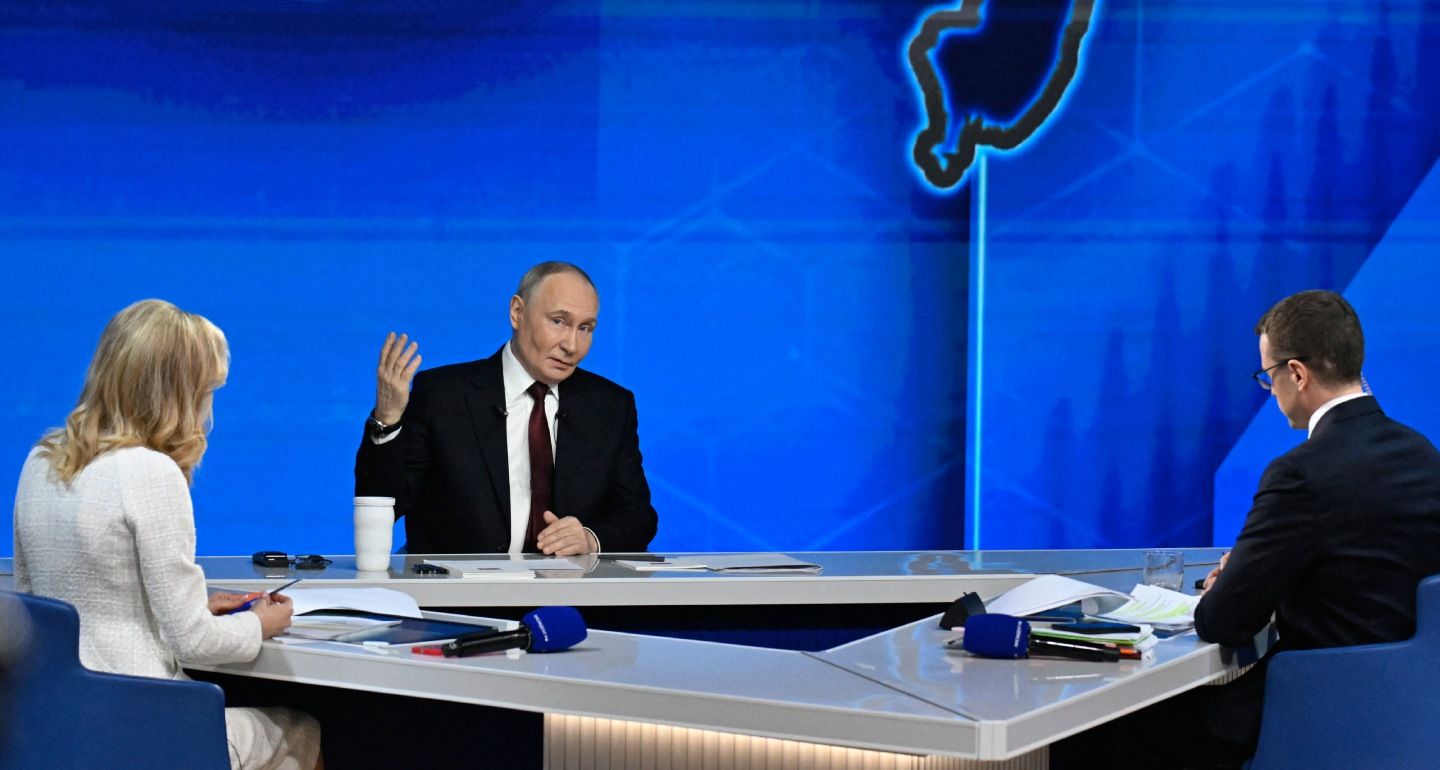
Putin used his annual Q&A to make it perfectly clear: he will not agree to an end to the war until he at least gets control of the entire Donbas.
Vladislav Gorin