

Commentary
Baku may allow radical nationalists to publicly discuss “reunification” with Azeri Iranians, but the president and key officials prefer not to comment publicly on the protests in Iran.
Bashir Kitachaev
{
  "authors": [
    "Janti Soeripto"
  ],
  "type": "commentary",
  "centerAffiliationAll": "",
  "centers": [
    "Carnegie Endowment for International Peace"
  ],
  "collections": [
    "Rebuilding Gaza: The Human Dimension",
    "Palestine/Israel Projects"
  ],
  "englishNewsletterAll": "",
  "nonEnglishNewsletterAll": "",
  "primaryCenter": "Carnegie Endowment for International Peace",
  "programAffiliation": "",
  "programs": [
    "Middle East"
  ],
  "projects": [],
  "regions": [
    "Palestine",
    "Middle East"
  ],
  "topics": []
}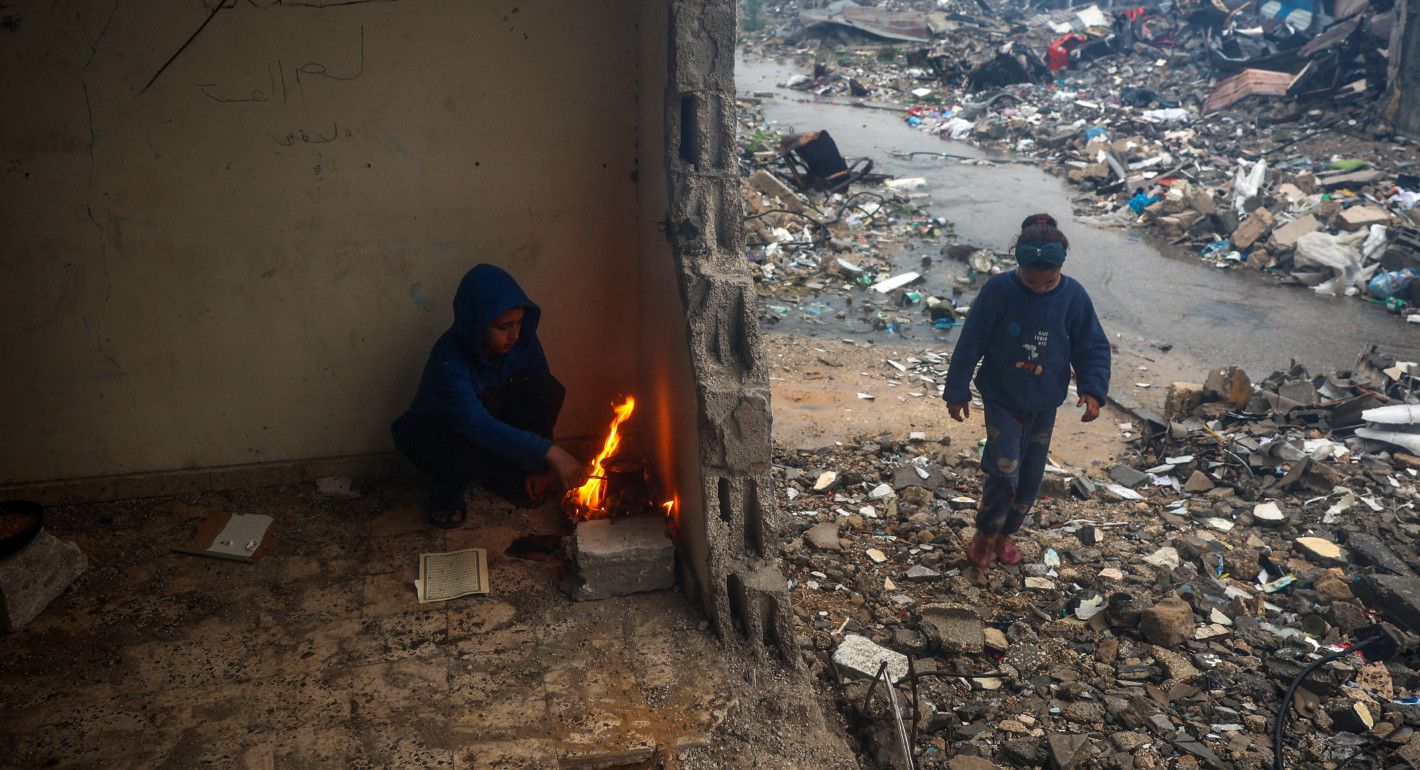
Palestinian children light a fire to warm up in Gaza on January 23, 2025. (Photo by Eyad Baba/AFP via Getty Images)
It’s a moment of hope and peril.
This piece is part of a series on the Gaza ceasefire.
After fifteen grueling months of war, the ceasefire is a fragile moment of hope for Gaza’s more than 1 million children. “Every war is waged against the child,” said Eglantyne Jebb, the founder of Save the Children (where I now serve as president), and nowhere is this more viscerally clear than in Gaza today. Children make up almost half of the Gaza Strip’s population and women and children make up almost half of the war casualties.
An estimated 14,500 children have been killed so far in this conflict, and many more thousands injured, often grievously.
In times of crisis, and especially in war zones, children are more severely affected. Lack of food and clean water can kill young children much faster than adults. Blast injuries from bombs will do more damage to their smaller bodies. And in the middle of chaos and displacement, they can easily become lost and separated from their families. After fifteen months of war there are 17,000 children in Gaza today who have been identified as unaccompanied or separated from their families. A new acronym has emerged among medical workers in this conflict: WCNSF, which stands for Wounded Child No Surviving Family.
Humanitarian agencies have been planning for the “day after” since the war began. Now that it may be here—if the ceasefire holds—these groups must focus on both immediate and medium-term priorities to aid Gaza’s children.
First and foremost, basic humanitarian supplies need to flood the whole of Gaza. People are still starving. Insufficient shelters exposing Palestinians to cold, wet conditions are resulting in more suffering—at least seven babies have died of hypothermia in recent weeks. Medicines and other health supplies are severely lacking yet in huge demand.
The impact of widespread malnutrition is particularly risky for young children. An estimated 60,000 children aged six and up will need treatment for acute malnutrition, and some under five years old, as well as pregnant and breastfeeding women, will require micronutrient supplements. Malnutrition often comes with lifelong, irreversible physical and cognitive impacts for young children. These effects could be almost completely prevented with sufficient aid deliveries to feed Gaza’s population.
Infrastructure will also need to be repaired, particularly to prevent and address disease spread. Water infrastructure, including desalination plants and sewage systems, is particularly crucial, and temporarily bringing in water via trucks will be essential to avoid more disease spread, including infants dying from diarrhea. The healthcare system—not just the hospitals and clinics, but also doctors, nurses, and specialists—will need to be rebuilt. While that happens, mobile clinics will be essential. Gaza is now home to the largest number of child amputees in modern history, and medical professionals who specialize in treating and rehabilitating pediatric blast injuries will be incredibly needed.
Reuniting children with family members is another crucial step. At least 17,000 children are now orphans or have become separated from family. Family tracing and reunification for children without caregivers and children returning from outside Gaza is a specialized and sensitive activity that needs to be done by professional case workers.
School-age children have missed more than a year of studies because of the conflict. This isn’t just an academic crisis—it’s also one of social-emotional learning. Education is a life-saving intervention, and Gaza’s youth need places where they can play, learn, and be children again. The 96 percent of schools estimated to have been damaged or destroyed will take time to rebuild, so mobile spaces could be a stopgap.
Getting children back to learning is also an essential part of mental health and psychosocial support, which are desperately needed for all children, as well as adults. When I visited Gaza in March of last year, a mother told me that mental health support was her biggest need—as we were discussing the lack of food, water, and hygiene in her community.
Lastly, giving people direct access to cash support will be one of the fastest, most effective ways to provide wide-ranging assistance. But for that to work, markets must be functioning, with products and services delivered routinely, at scale, and where people will be staying. Markets must also be safe—for humanitarian workers and those they serve. A big concern for everyone—but especially children—is the thousands of unexploded ordnances that can maim or kill well after the active conflict has ended. The sheer scale of debris is also an impediment and a hazard. Restoration of the private sector is not part of the immediate phase of the ceasefire agreement, but it can’t come soon enough.
The list above is long and extensive and might feel overwhelming. Yet all these activities are well known to child-focused agencies and tried and tested in conflicts and other humanitarian emergencies across the world. We can and should make sure the 1 million children in Gaza have access to these essentials, without delay. If that happens, hope will prevail over peril.
Read more from this series:
Carnegie does not take institutional positions on public policy issues; the views represented herein are those of the author(s) and do not necessarily reflect the views of Carnegie, its staff, or its trustees.
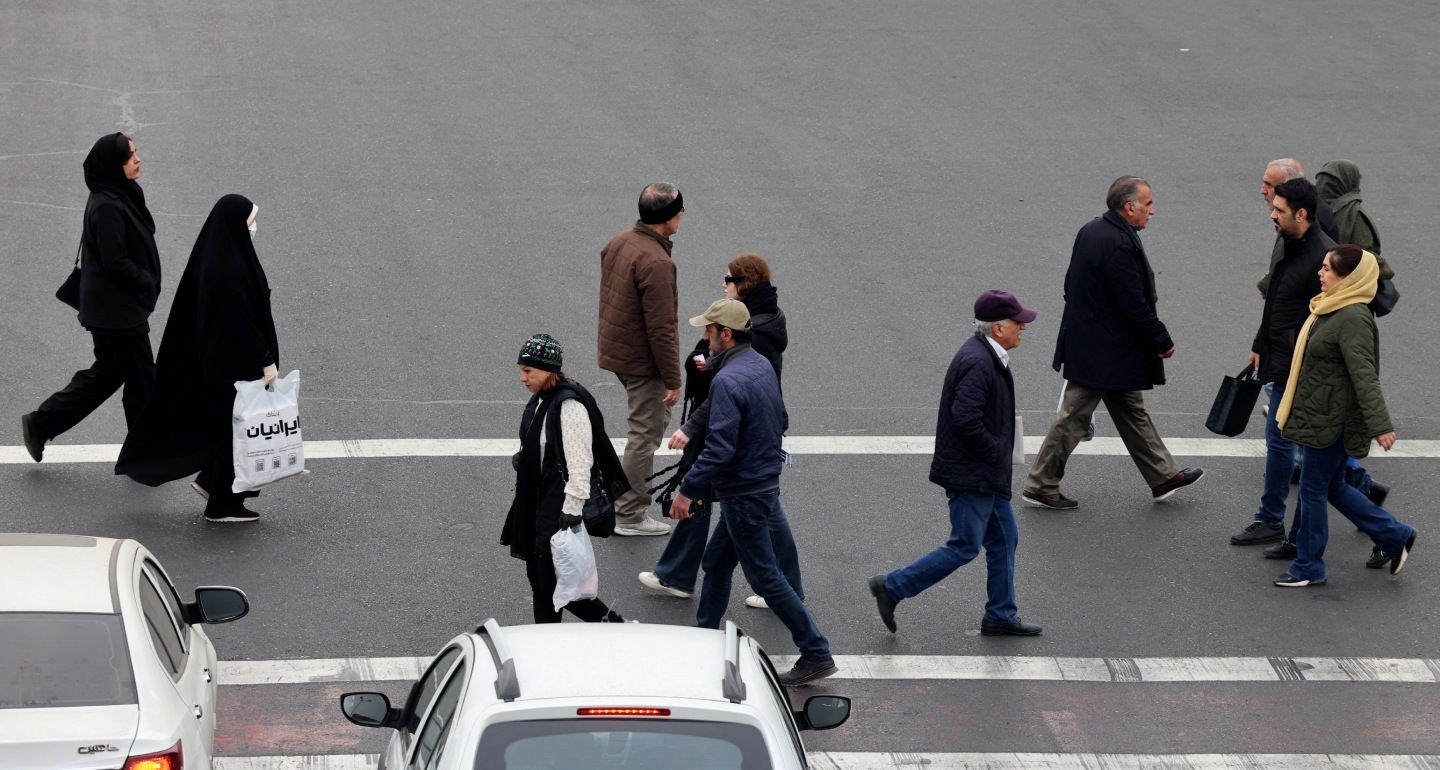
Baku may allow radical nationalists to publicly discuss “reunification” with Azeri Iranians, but the president and key officials prefer not to comment publicly on the protests in Iran.

Bashir Kitachaev
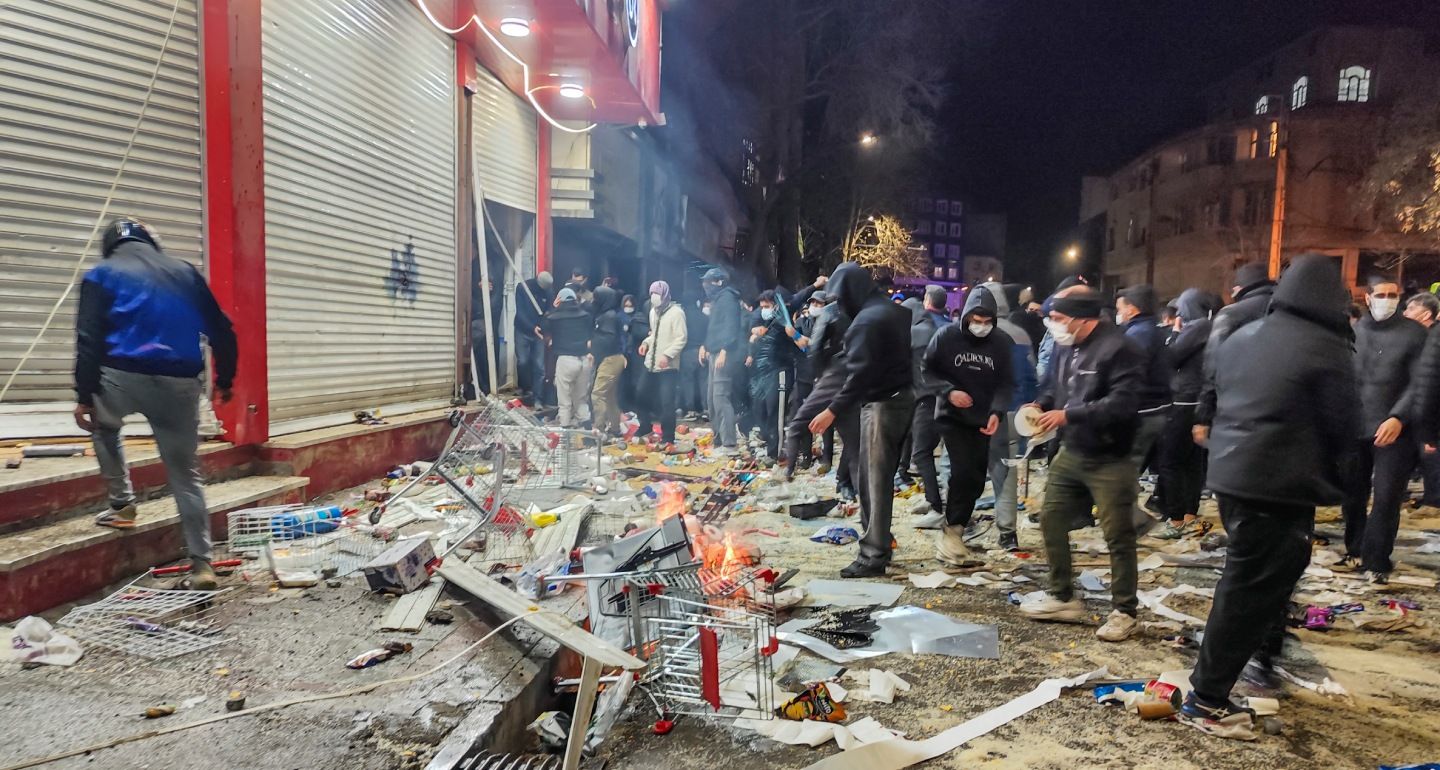
It’s one thing to export Russian helicopters to Iran to fight the insurgency, and it’s easy to imagine Moscow becoming a haven for fleeing Iranian leaders. But it’s very difficult to imagine Russian troops defending the Iranian regime on the ground.
Nikita Smagin
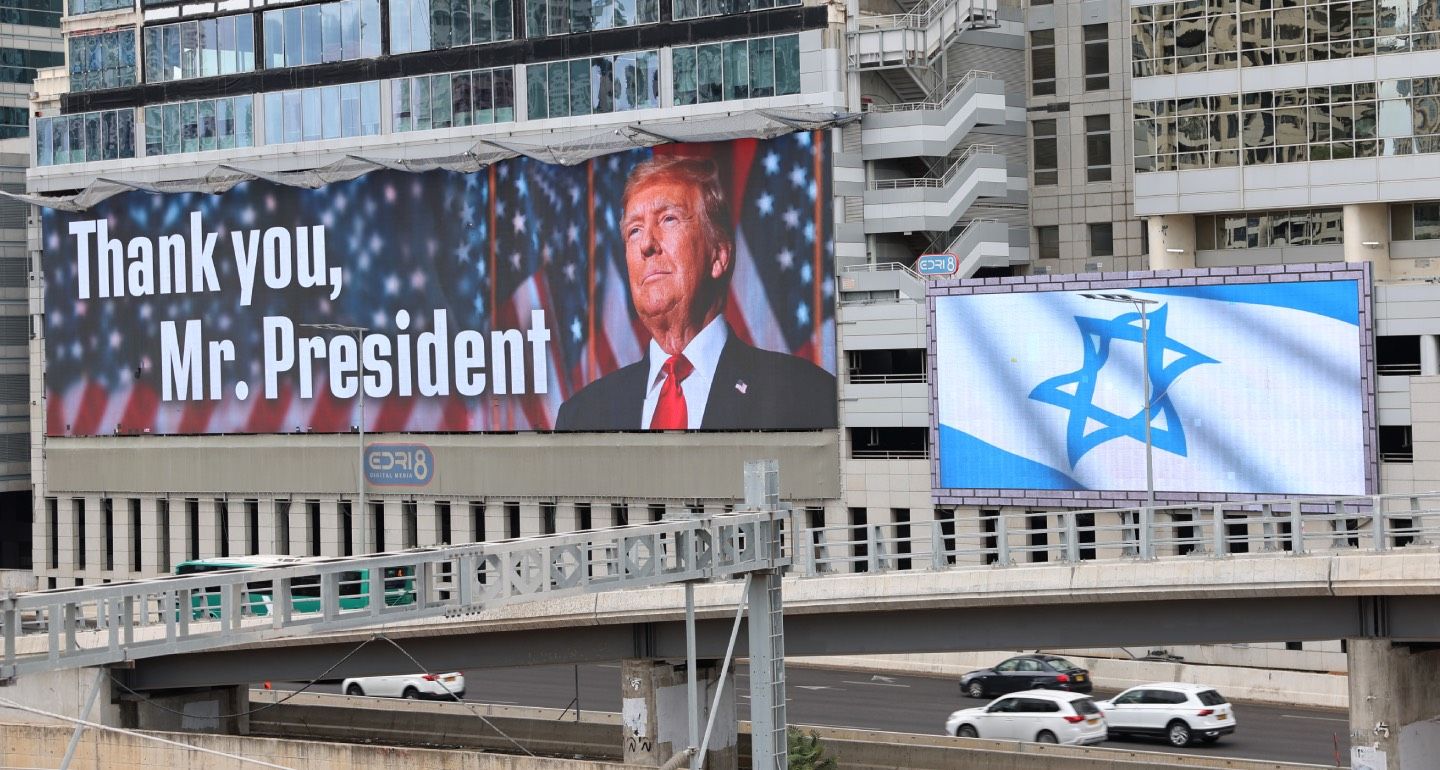
The U.S. president’s successful imposition of a ceasefire on notorious sworn enemies who have both agreed to make concessions only highlights Putin’s intransigence and his lack of competence and reason.
Alexander Baunov
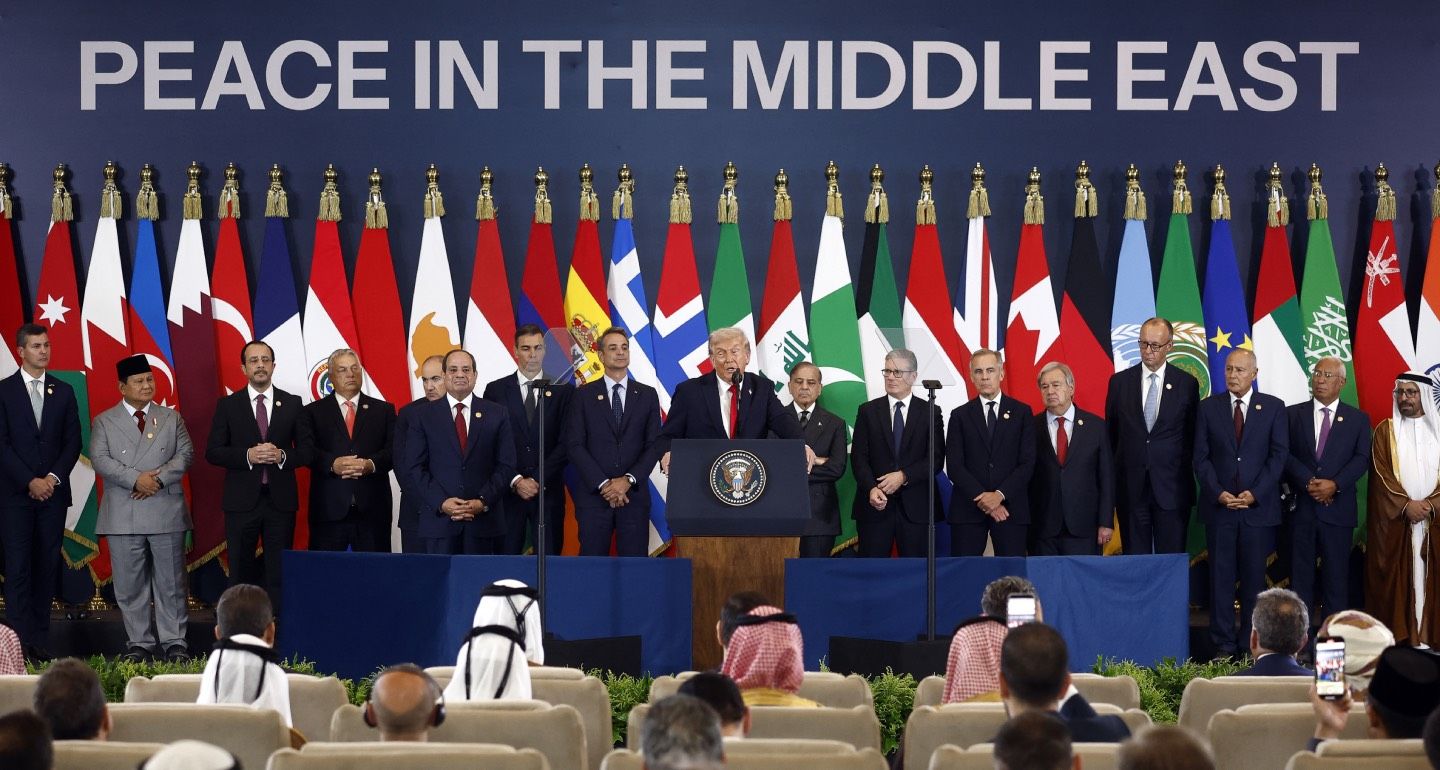
Trump’s Egypt summit may have thwarted the Kremlin’s attempts to get Middle Eastern leaders to congregate in Moscow, but Middle Eastern states are less and less convinced that the West can be relied upon, which is inevitably pushing them toward deals with Russia.
Nikita Smagin
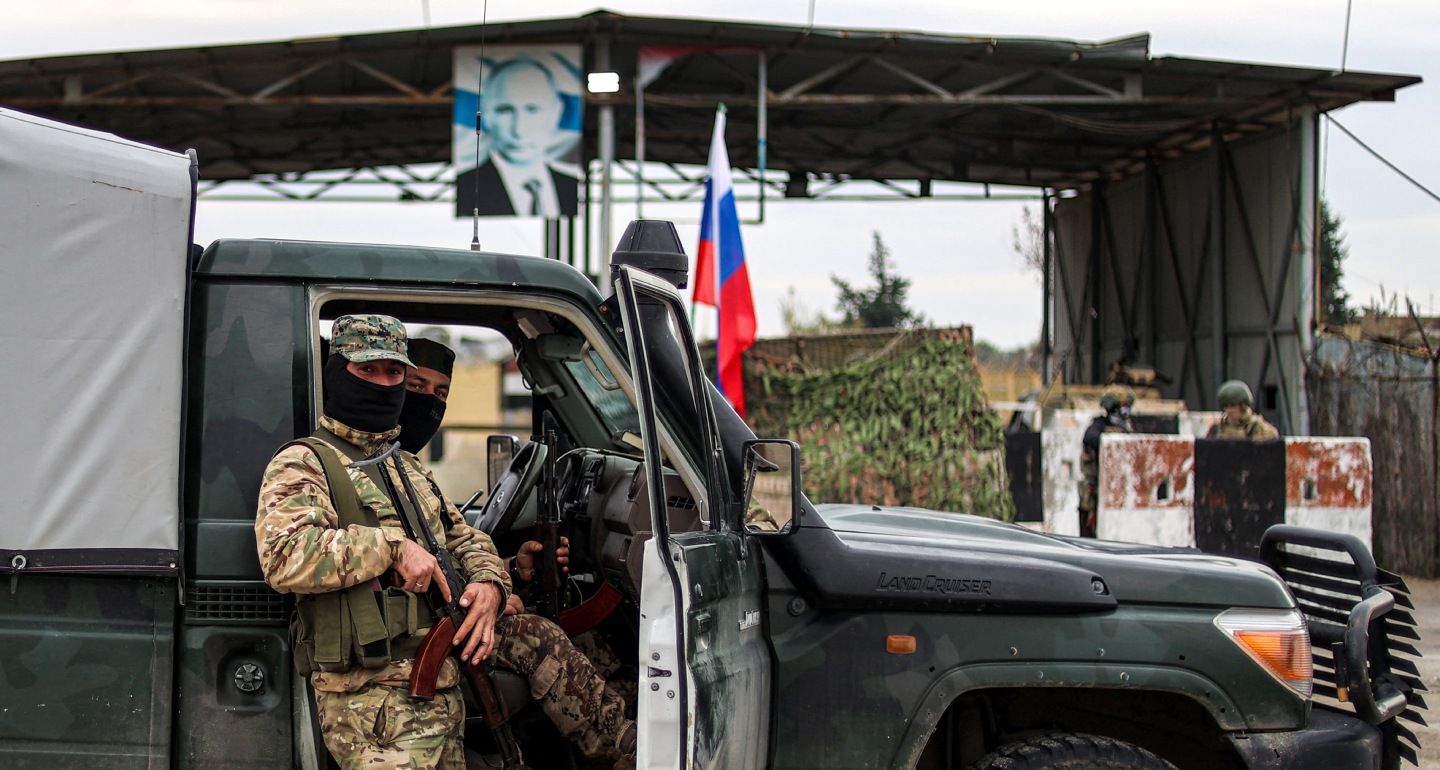
The Al-Sharaa government ultimately wants to establish control over the entire territory of Syria. Over time, Russia’s presence will become an obstacle to that goal.
Nikita Smagin