

Commentary
Unexpectedly, Trump’s America appears to have replaced Putin’s Russia’s as the world’s biggest disruptor.
Alexander Baunov

This report was prepared for a conference on the first Chen Shui-bian Administration, held in Annapolis Maryland in May 2005, and sponsored by Harvard University and the School of Oriental and African Studies, University of London.

Such a radical reversal came about as a result of a combination of broad shifts in U.S. foreign policy priorities, domestic political forces in Taiwan, the inexperience and immaturity of the Chen Administration, and perhaps most importantly, a series of personal blunders by President Chen in respect to his management of relations with the White House, and with President Bush in particular. Fundamentally, the mistakes of the first Chen Administration derived to a large extent from a misreading of the U.S. policy dynamic involving Taiwan. Chen placed narrower, short-term domestic political calculations above those fundamental, enduring strategic imperatives that confront every Taiwan government---especially the imperative of maintaining reasonably close and cooperative relations with the U.S.
Carnegie does not take institutional positions on public policy issues; the views represented herein are those of the author(s) and do not necessarily reflect the views of Carnegie, its staff, or its trustees.
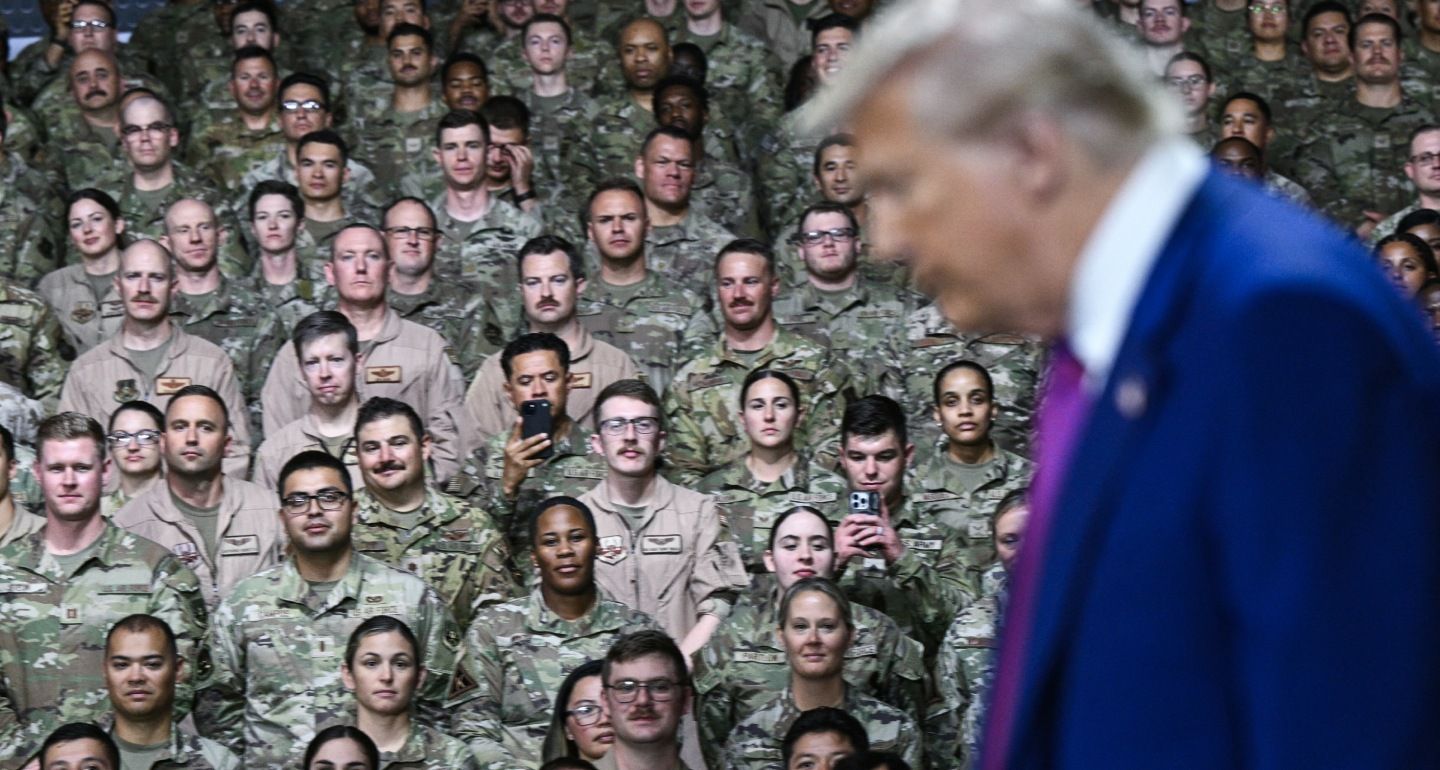
Unexpectedly, Trump’s America appears to have replaced Putin’s Russia’s as the world’s biggest disruptor.
Alexander Baunov
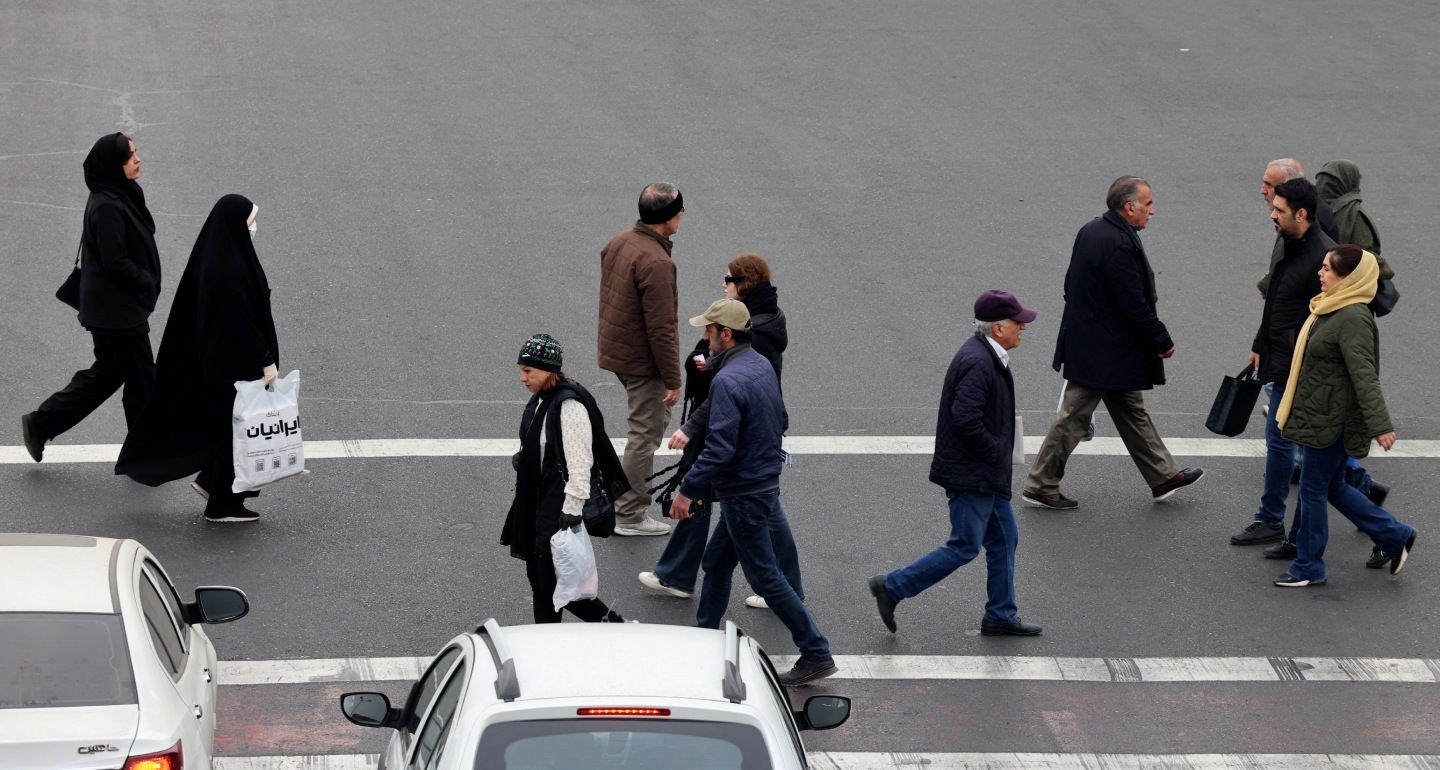
Baku may allow radical nationalists to publicly discuss “reunification” with Azeri Iranians, but the president and key officials prefer not to comment publicly on the protests in Iran.

Bashir Kitachaev

The Kremlin will only be prepared to negotiate strategic arms limitations if it is confident it can secure significant concessions from the United States. Otherwise, meaningful dialogue is unlikely, and the international system of strategic stability will continue to teeter on the brink of total collapse.

Maxim Starchak
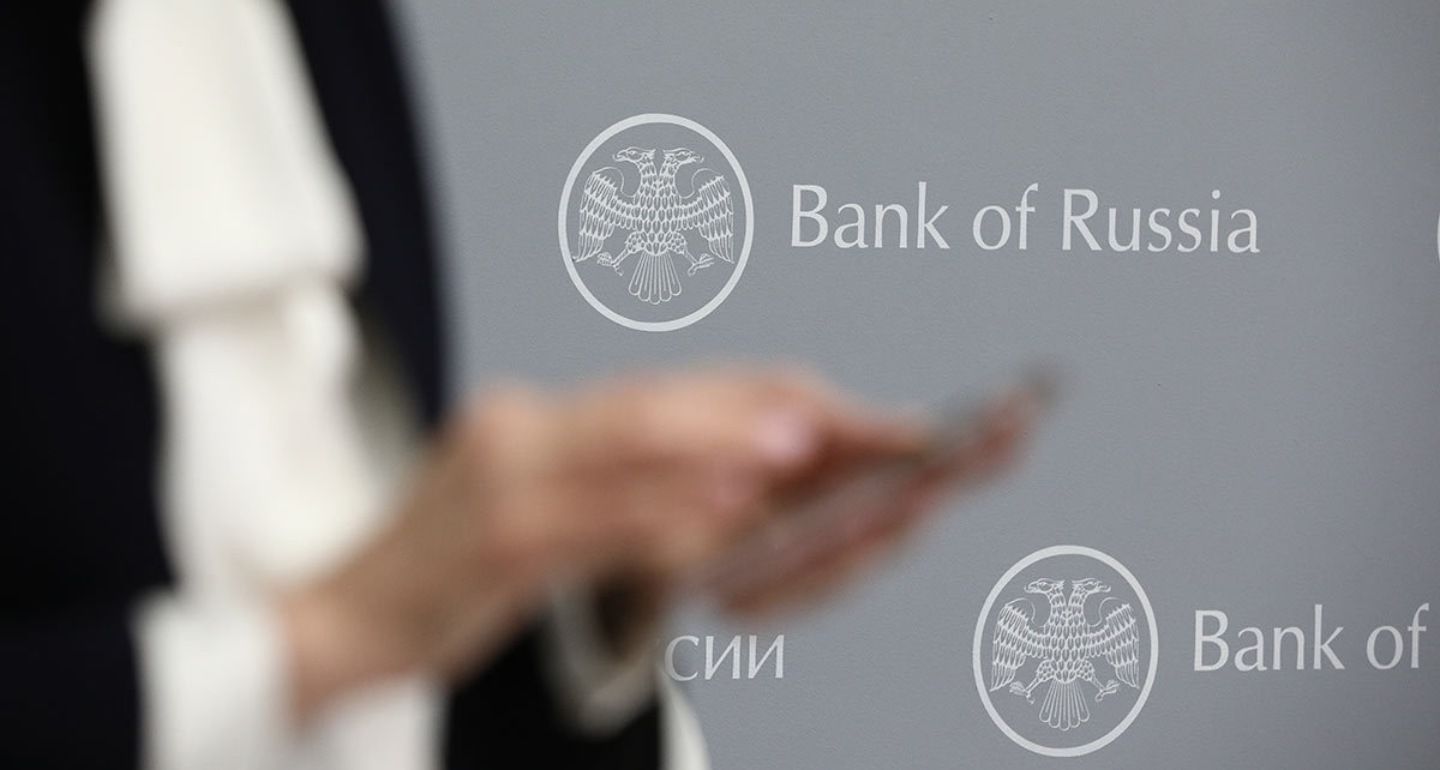
For years, the Russian government has promoted “sovereign” digital services as an alternative to Western ones and introduced more and more online restrictions “for security purposes.” In practice, these homegrown solutions leave people vulnerable to data leaks and fraud.

Maria Kolomychenko
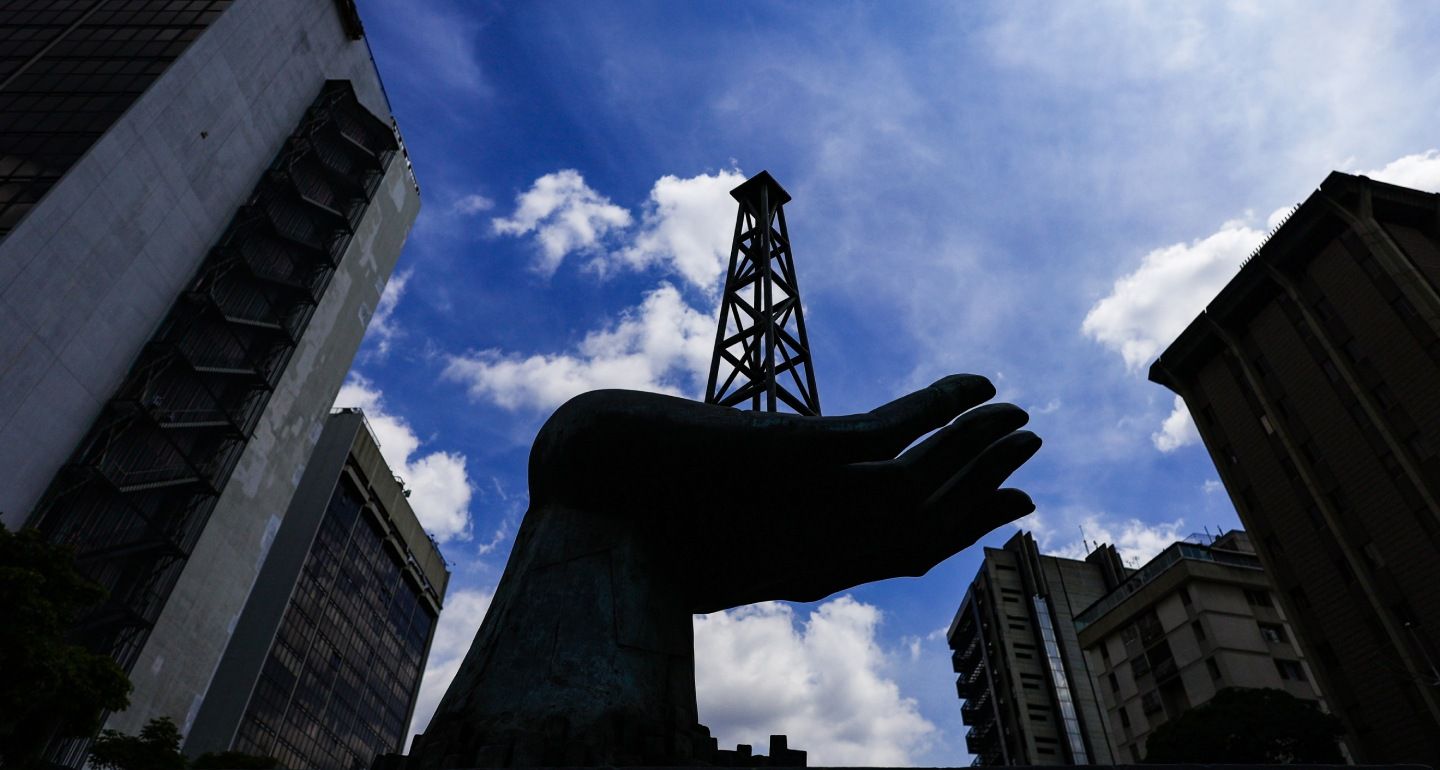
Geological complexity and years of mismanagement mean the Venezuelan oil industry is not the big prize officials in Moscow and Washington appear to believe.

Sergey Vakulenko