

{
  "authors": [],
  "type": "conference",
  "centerAffiliationAll": "dc",
  "centers": [
    "Carnegie Endowment for International Peace"
  ],
  "englishNewsletterAll": "ctw",
  "eventCollection": [
    "Nuclear Policy Conferences"
  ],
  "nonEnglishNewsletterAll": "",
  "primaryCenter": "Carnegie Endowment for International Peace",
  "programAffiliation": "NPP",
  "programs": [
    "Nuclear Policy"
  ],
  "projects": [],
  "regions": [],
  "topics": [
    "Nuclear Policy"
  ]
}
2025 Carnegie International Nuclear Policy Conference
Mon, April 21st, 2025 - Tue, April 22nd, 2025
Westin Washington DC Downtown, 999 9th Street NW, Washington, DC
For over 30 years, experts, officials, executives, journalists, and students from across the globe have come together to debate—and explore solutions for—the most pressing challenges in nuclear nonproliferation, arms control, disarmament, deterrence, energy, and security at the Carnegie International Nuclear Policy Conference.
Learn More About
Young Professionals Track Thérèse Delpech Memorial AwardMonday, April 21st, 2025
Panel
Mon. April 21, 20255:15 AM - 6:15 AM EDT
Full of Sound and Fury, Signifying… What Exactly?: Russian Nuclear Noise in the Ukraine War
During the Ukraine war, Vladimir Putin and other Russian officials have, with unprecedented frequency, invoked and evoked the risk of nuclear war. Which (if any) of these “nuclear manipulations” were genuine threats to use nuclear weapons, and which (if any) were allusions and gestures? Who have been the primary targets of these manipulations, and for what purposes? How have the United States and other NATO states perceived and responded to them? What lessons should be learned by nuclear manipulators and their targets—whether for deterrence, compellence, public reassurance, or the strengthening of opposition to the threat or use of nuclear weapons?
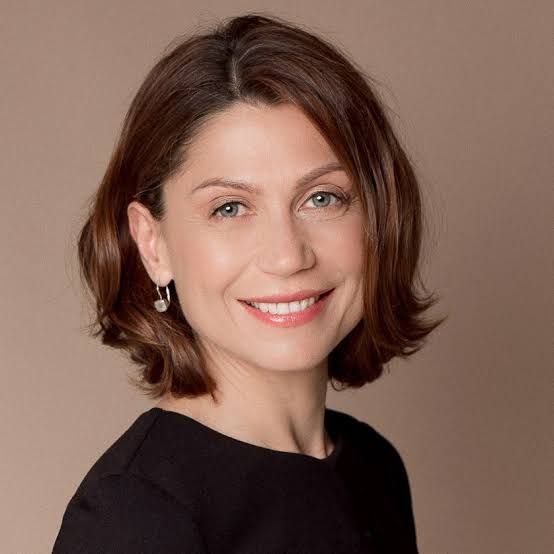
Mariana Budjeryn
Senior Research Associate, Project on Managing the Atom, Harvard Kennedy School's Belfer Center
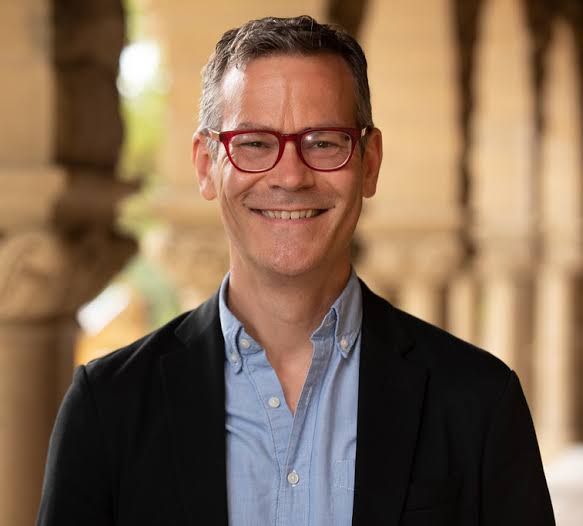
Colin Kahl
Senior Fellow, FSI/CISAC, Stanford University
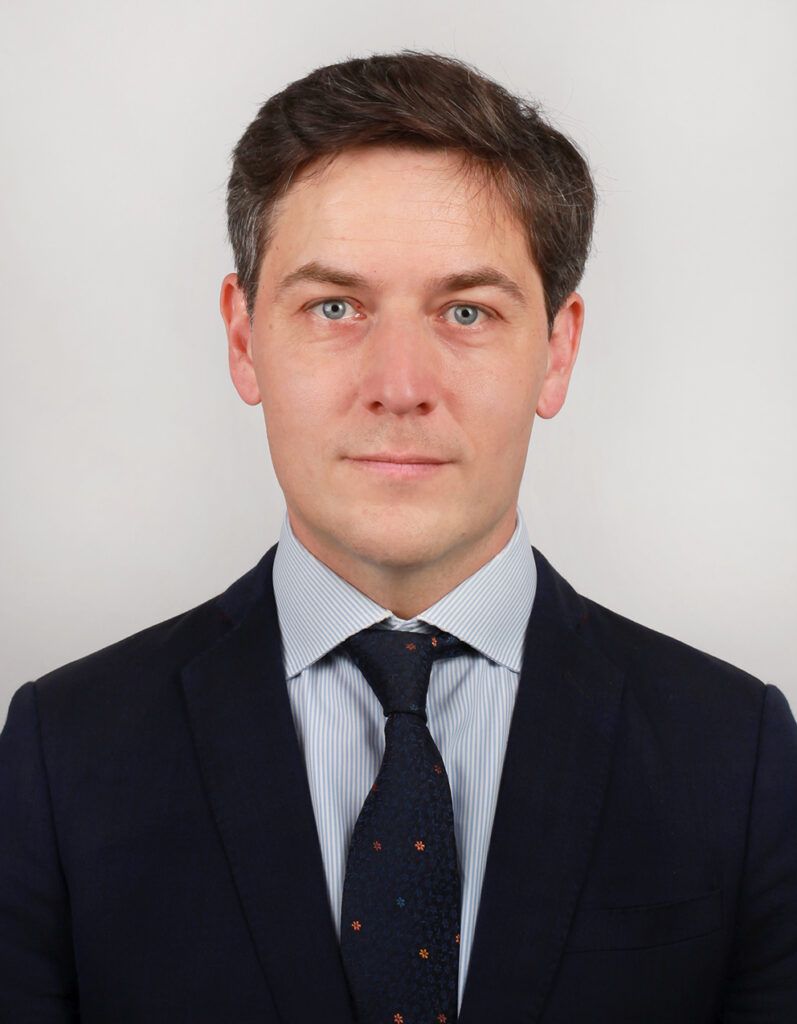
Paul Zajac
Director of Strategic Affairs, French Atomic Energy and Renewable Energies Commission
Moderator
Japan Chair for a World Without Nuclear Weapons, Senior Fellow

George Perkovich is the Japan Chair for a World Without Nuclear Weapons and a senior fellow in the Carnegie Endowment for International Peace’s Nuclear Policy Program. He works primarily on nuclear deterrence, nonproliferation, and disarmament issues, and is leading a study on nuclear signaling in the 21st century.
Panel
Mon. April 21, 20257:00 AM - 8:00 AM EDT
From JCPOA to TBD: Assessing the Prospects for Diplomacy with Iran
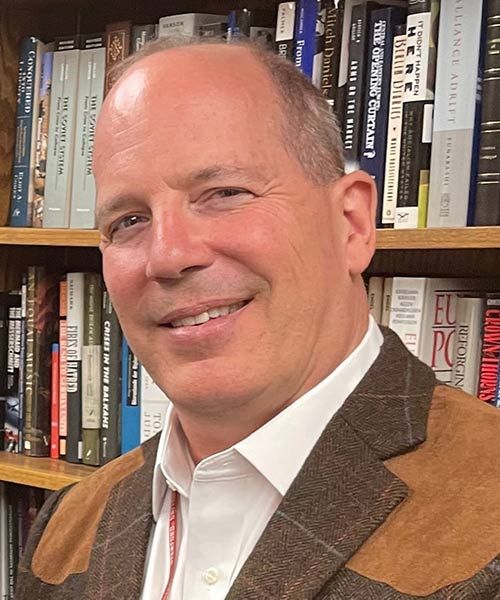
Christopher Ford
Professor of International Relations and Strategic Studies, Missouri State University
Richard Nephew
Senior Research Scholar, Columbia’s Center on Global Energy Policy
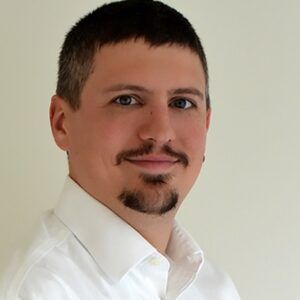
Ali Vaez
Iran Project Director and Senior Adviser to the President, Crisis Group
Moderator
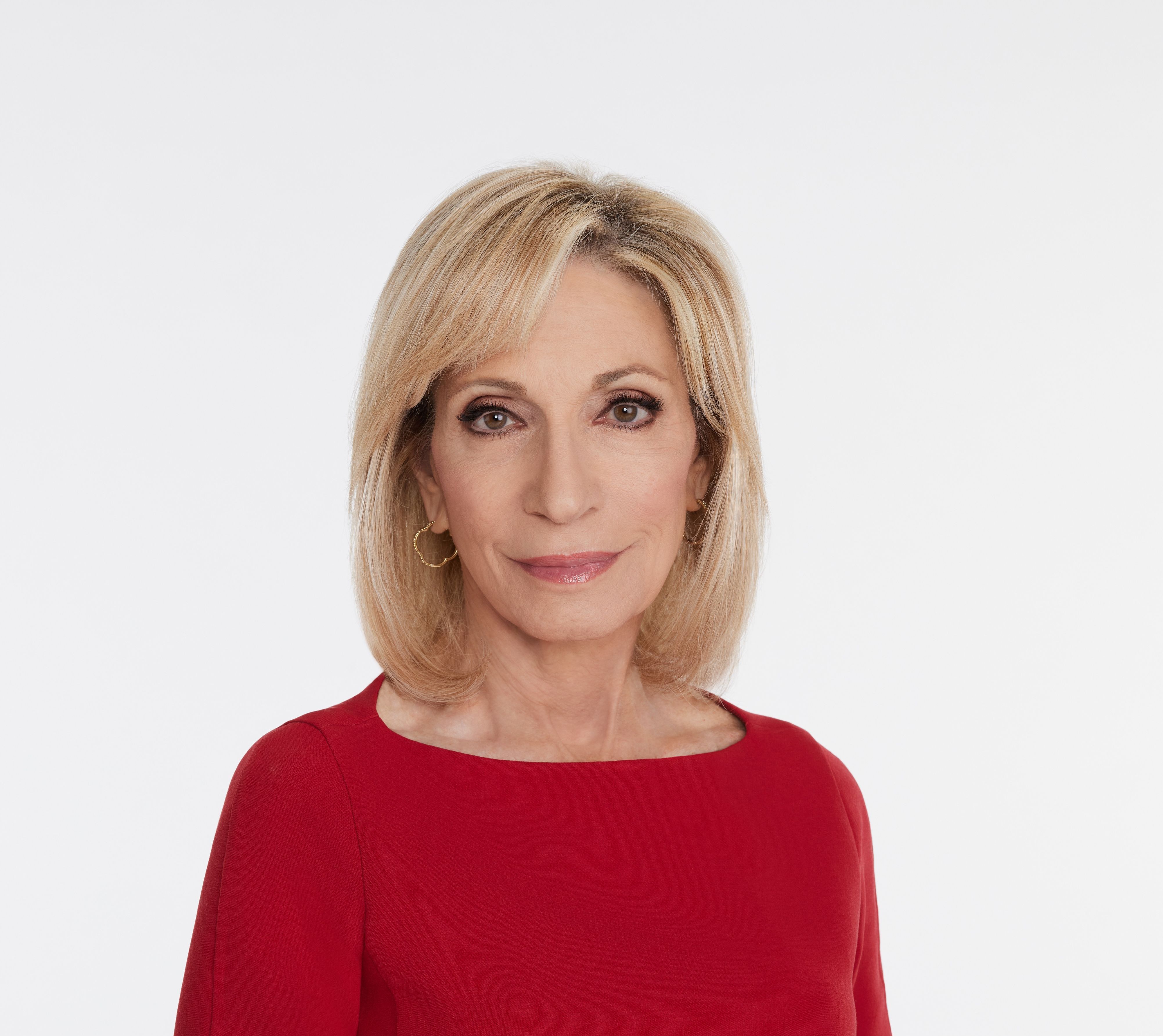
Andrea Mitchell
Chief Foreign Affairs Correspondent and Chief Washington Correspondent, NBC News
Keynote
Mon. April 21, 20258:00 AM - 8:45 AM EDT
Keynote Speaker: The Honorable Christopher T. Hanson
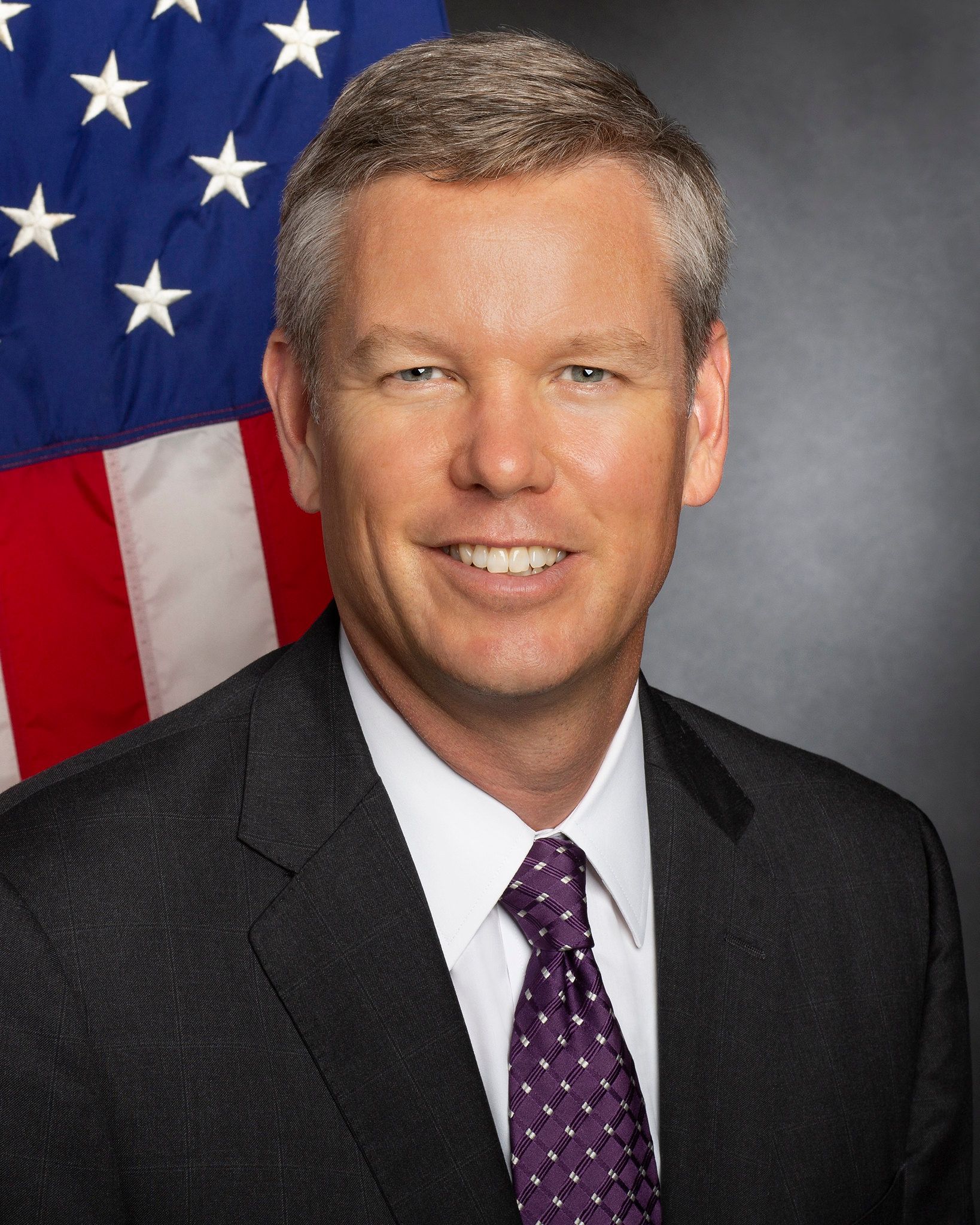
Christopher T. Hanson
Commissioner, United States Nuclear Regulatory Commission
Moderator
Matthew Yglesias
Journalist, Slow Boring
Keynote
Mon. April 21, 20259:55 AM - 10:25 AM EDT
Keynote Speaker: Dr. Jooho Whang
Jooho Whang
President & CEO, Korea Hydro & Nuclear Power
Moderator
Laura Holgate
Former U.S. Ambassador to the United Nations and International Atomic Energy Agency
Keynote
Mon. April 21, 20259:55 AM - 10:25 AM EDT
Keynote Speaker: Dr. Robert Floyd
Robert Floyd
Executive Secretary, Comprehensive Test Ban Treaty Organization
Moderator
Fellow, Nuclear Policy Program
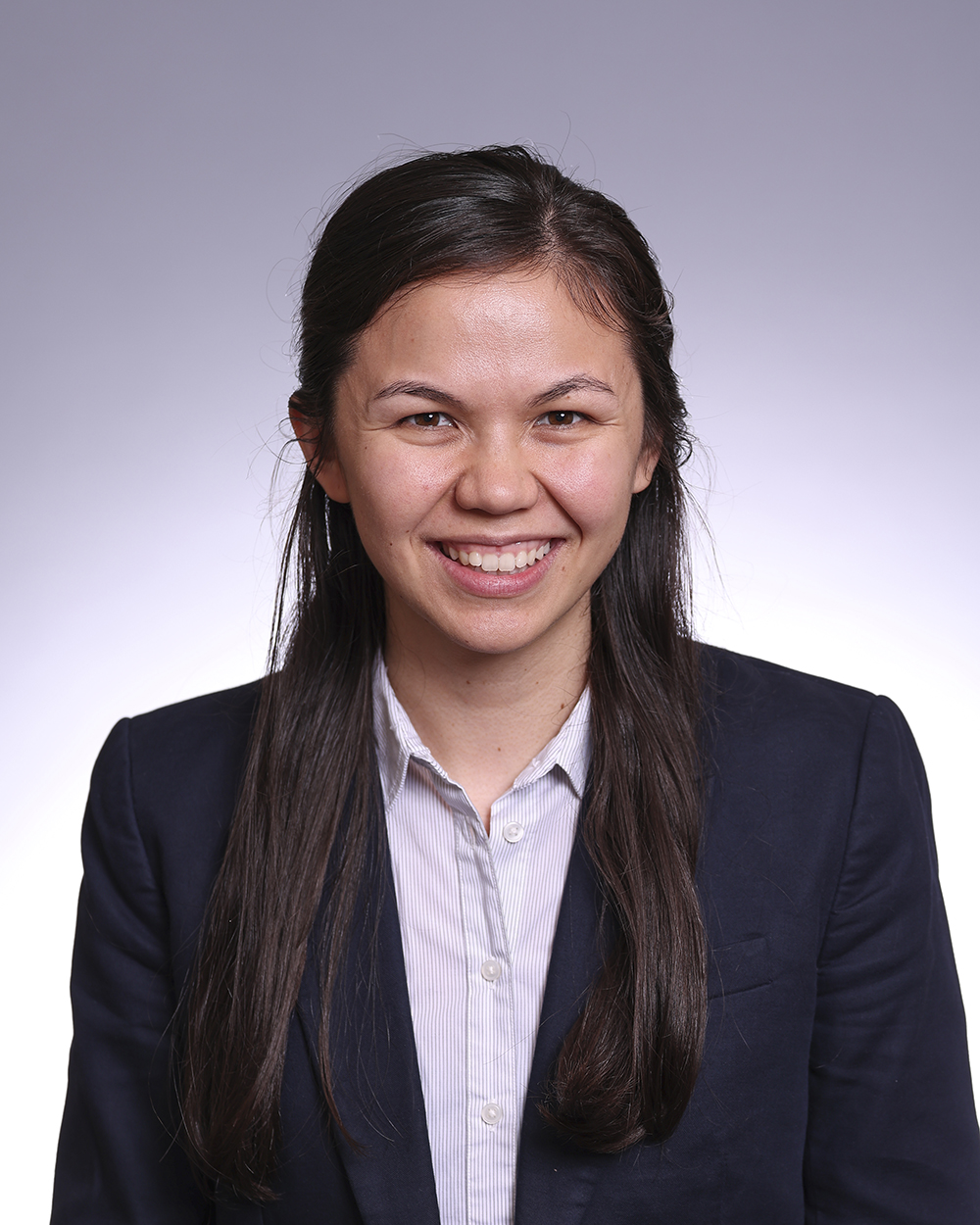
Jamie Kwong is a fellow in the Nuclear Policy Program at the Carnegie Endowment for International Peace.
Panel
Mon. April 21, 202511:30 AM - 12:30 PM EDT
An American Iron Dome: Big, Beautiful Blueprint or Bloated Boondoggle?
Since the end of Cold War, most commentators have believed that the United States’ missile defense policy went either too far or not far enough. Critics questioned the feasibility of defending against even North Korean attacks. Advocates believed the United States should try to defeat limited or possibly even large-scale Chinese and Russian attacks against the homeland. The new U.S. administration seems to have sided decisively with those advocates. Is comprehensive defense the way forward? What kind of programs should the United States prioritize? How might China and Russia respond? What role does missile defense play in assuring allies? Should the United States be willing to put missile defense on the table in any future arms control negotiations?
Jacek Durkalec
Staff Officer, Net Assessment Section, NATO
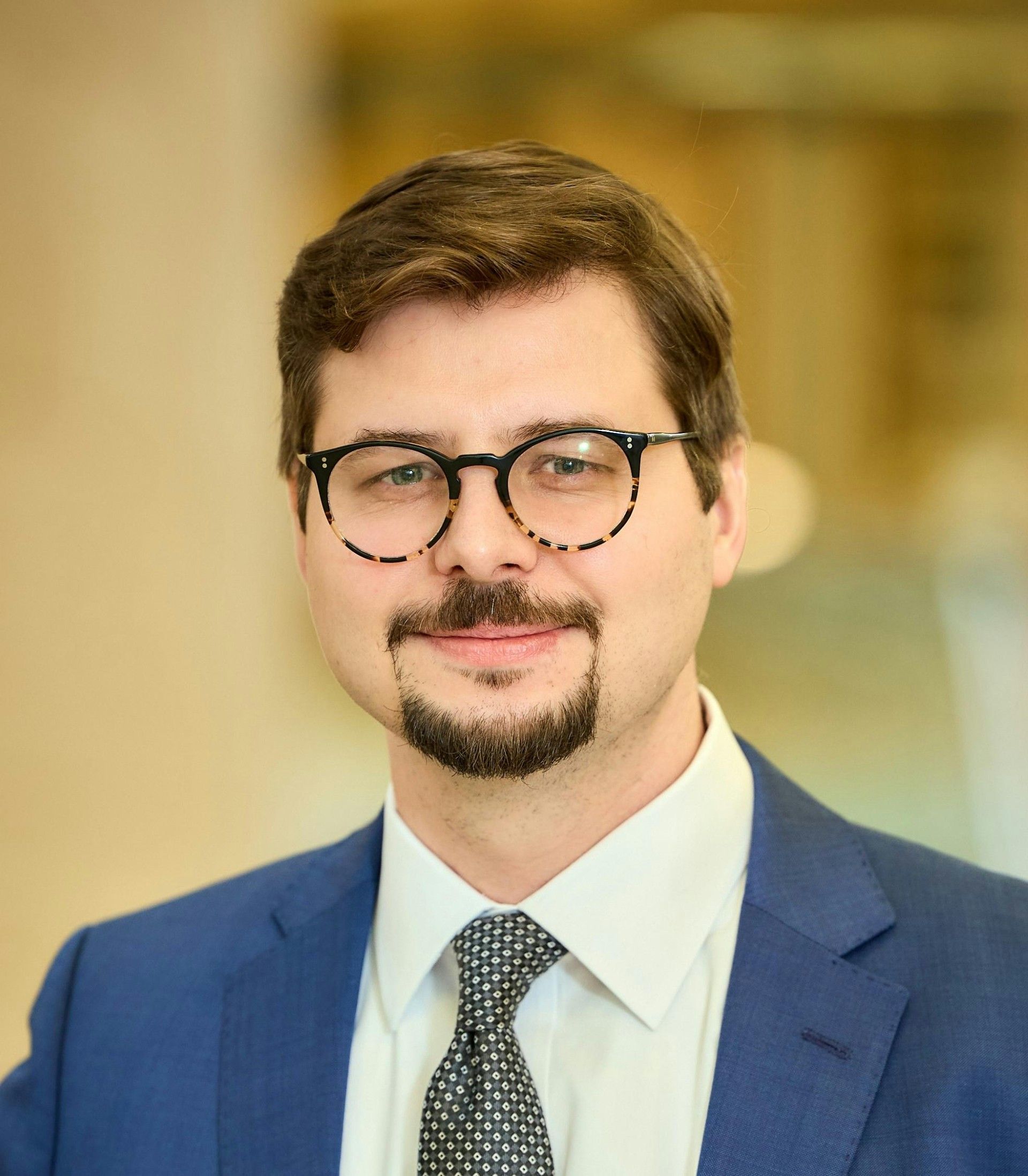
Robert Soofer
Senior Fellow, Forward Defense, Atlantic Council
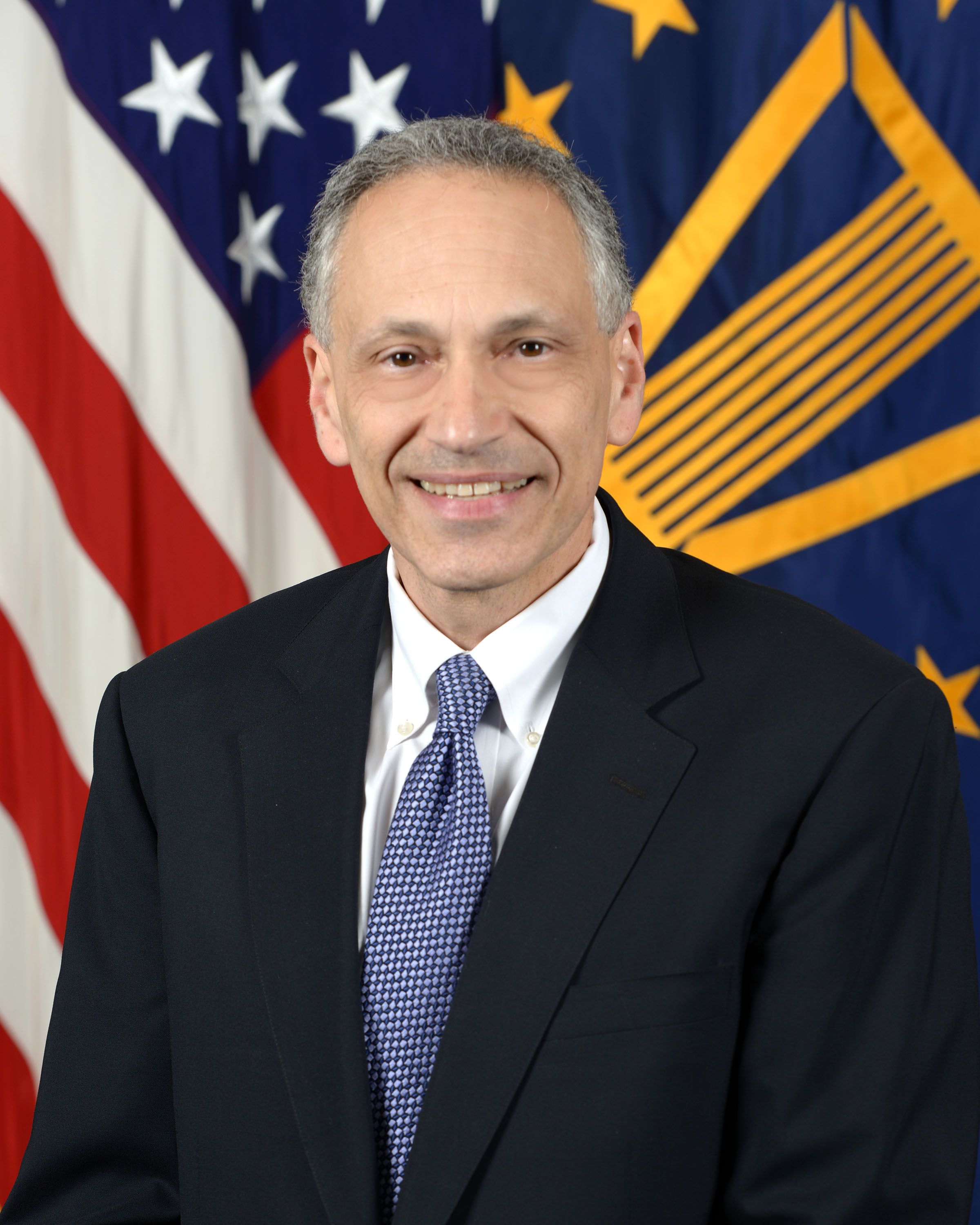
Sanne Verschuren
Assistant Professor of International Security, Boston University
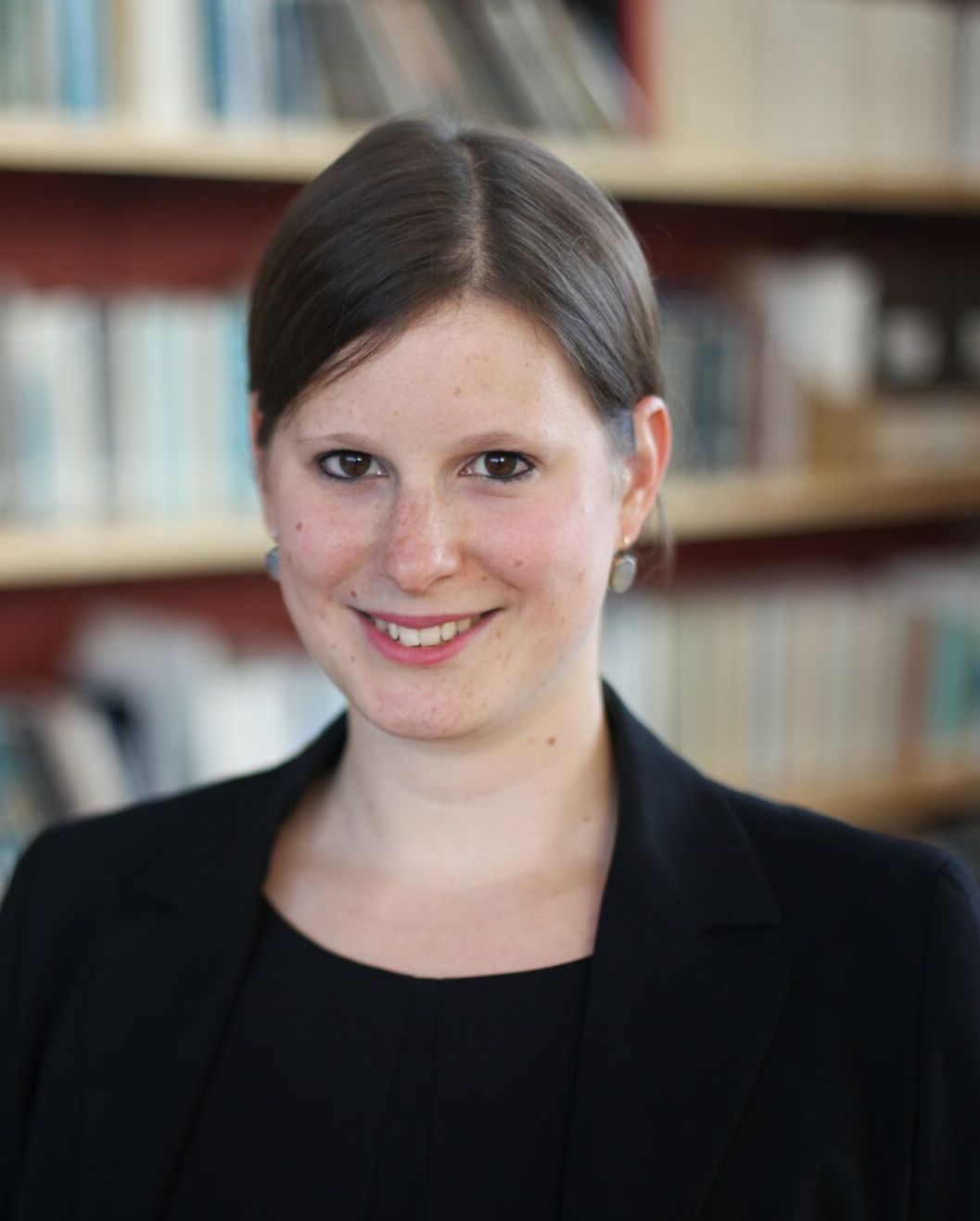
Moderator
Stanton Senior Fellow in the Nuclear Policy Program at the Carnegie Endowment for International Peace

Ankit Panda is the Stanton Senior Fellow in the Nuclear Policy Program at the Carnegie Endowment for International Peace.
Panel
Mon. April 21, 202511:30 AM - 12:30 PM EDT
The Fallout After Fallout: What Do Nuclear Weapon States Owe Non-Belligerents?
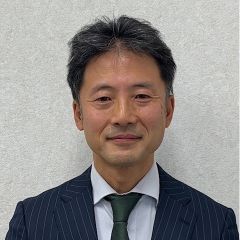
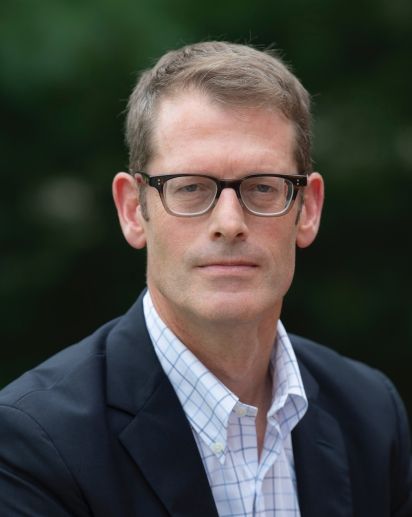
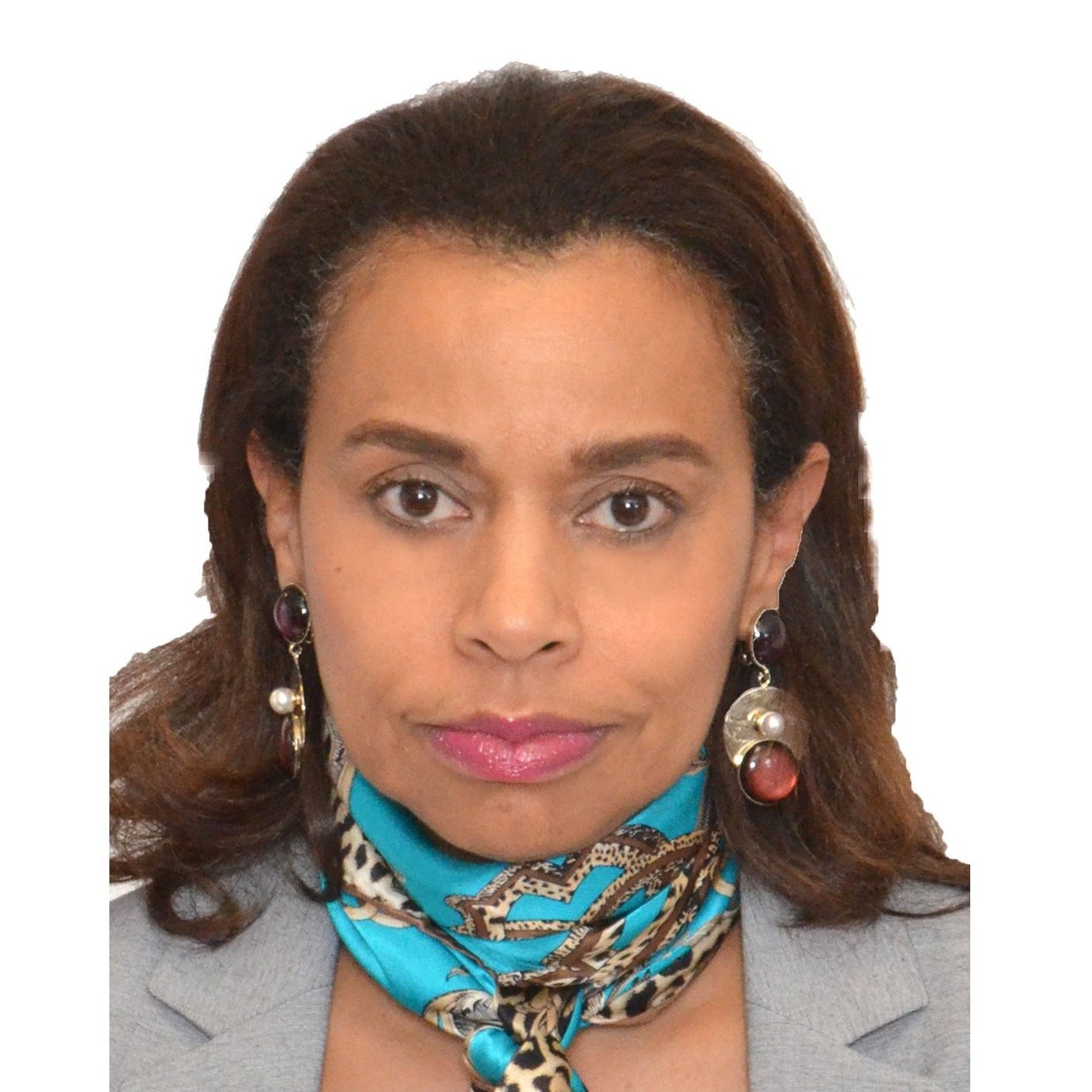
Any nuclear war would have global effects. Depending on the number of weapons used, and their yields and targets, these might include trade disruptions, the spread of radioactive fallout to populated areas, and climatic changes resulting in famine. Because the consequences of nuclear use would transcend national borders, third parties that were entirely uninvolved in the conflict could bear a significant brunt of the suffering. What responsibilities do nuclear-armed states have toward nonbelligerent states? Specifically, in developing their nuclear postures and policies--and in making any decision to use nuclear weapons--to what extent should nuclear-weapon possessors consider global interests alongside their own and those of their allies? How, if at all, should they change those postures and policies to reduce harms to bystanders?
Michiru Nishida
Professor, Nagasaki University
Daryl G. Press
Professor of Government, Dartmouth University
Elayne Whyte Gómez
Professor of Practice, SAIS, Johns Hopkins University
Moderator
Alexandra Bell
President & CEO, Bulletin of the Atomic Scientists
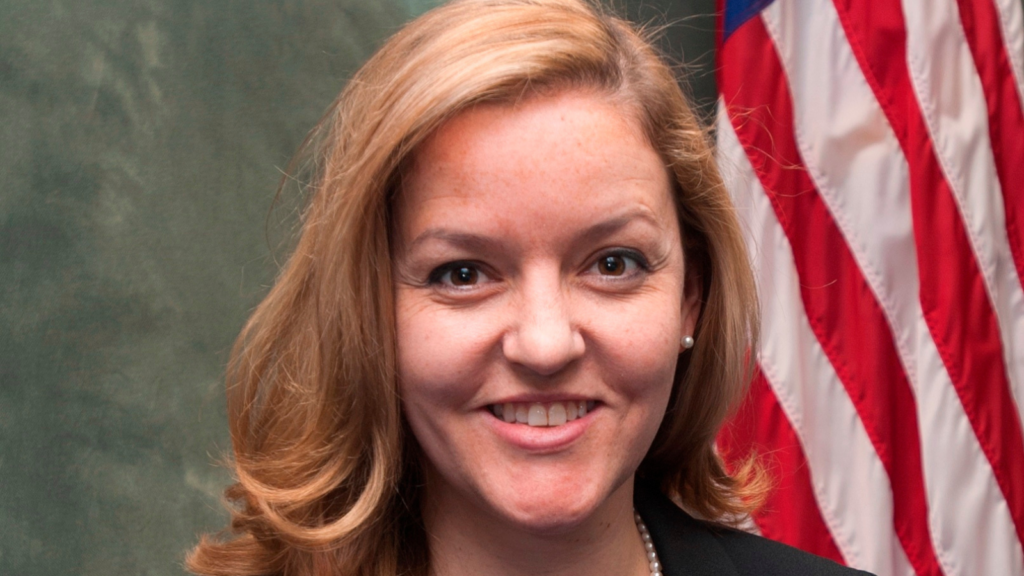
Bell is the president and CEO of the Bulletin of the Atomic Scientists. Before joining the Bulletin, Alexandra Bell served as the Deputy Assistant Secretary for Nuclear Affairs in the Bureau of Arms Control, Deterrence, and Stability (ADS) at the U.S. Department of State. Previously, she has worked at the Center for Arms Control and Non-Proliferation and the Council for a Livable World, Ploughshares Fund, and the Center for American Progress.
Panel
Mon. April 21, 202512:45 PM - 1:45 PM EDT
Back to the Future? Nuclear Proliferation Risks in an Era of Uncertainty
Fears in the 1960s of a highly proliferated world largely dissipated following the formation of the global nonproliferation regime. Today, there are just nine nuclear-armed states, not dozens. There is, however, surging interest in nuclear weapons among various states in Europe and Asia, in addition to long-standing concerns about proliferation in the Middle East. What are the most important drivers of contemporary explorations of proliferation? To what extent are these drivers region-specific or the result of global trends? Are public expressions of interest in nuclear weapons indicative of real proliferation potential or more a reflection of perceived insecurity? What developments might suggest when and where proliferation could actually occur?
Distinguished Fellow
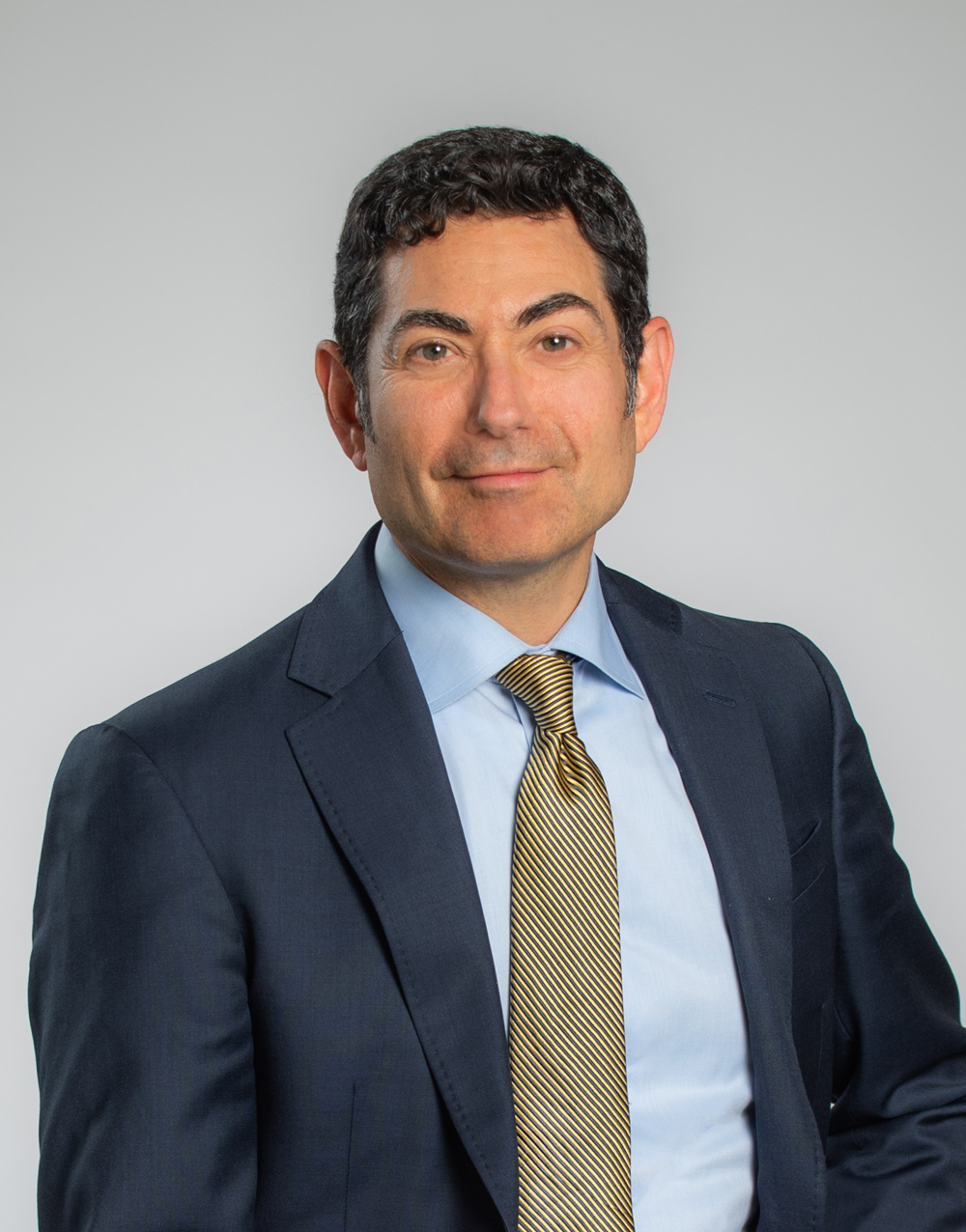
Mariano-Florentino (Tino) Cuéllar is a distinguished fellow at the Carnegie Endowment for International Peace. He was previously the tenth president of the Carnegie Endowment for International Peace. A former justice of the Supreme Court of California, he has served three U.S. presidential administrations at the White House and in federal agencies, and was the Stanley Morrison Professor at Stanford University, where he held appointments in law, political science, and international affairs and led the university’s Freeman Spogli Institute for International Studies.
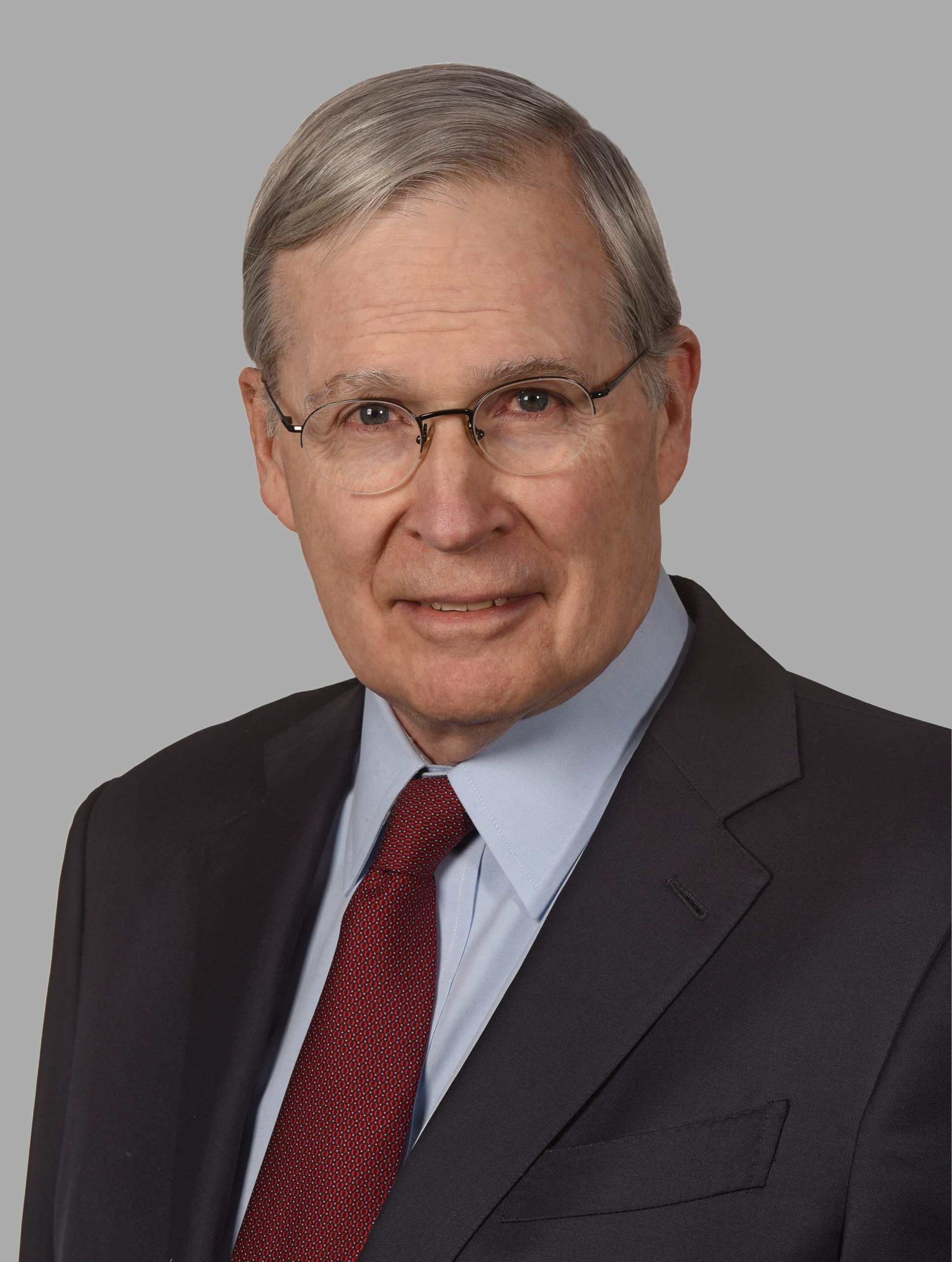
Stephen J. Hadley
Principal, Rice, Hadley, Gates & Manuel LLC
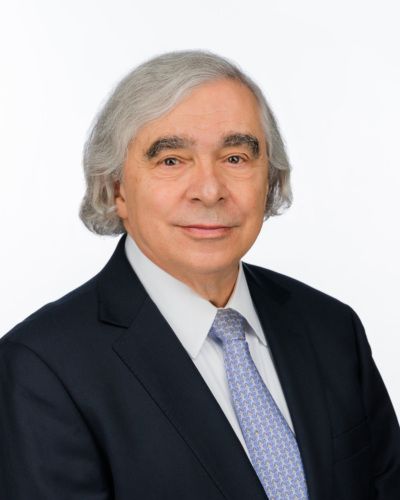
Ernest J. Moniz
Co-Chair & CEO, Nuclear Threat Initiative
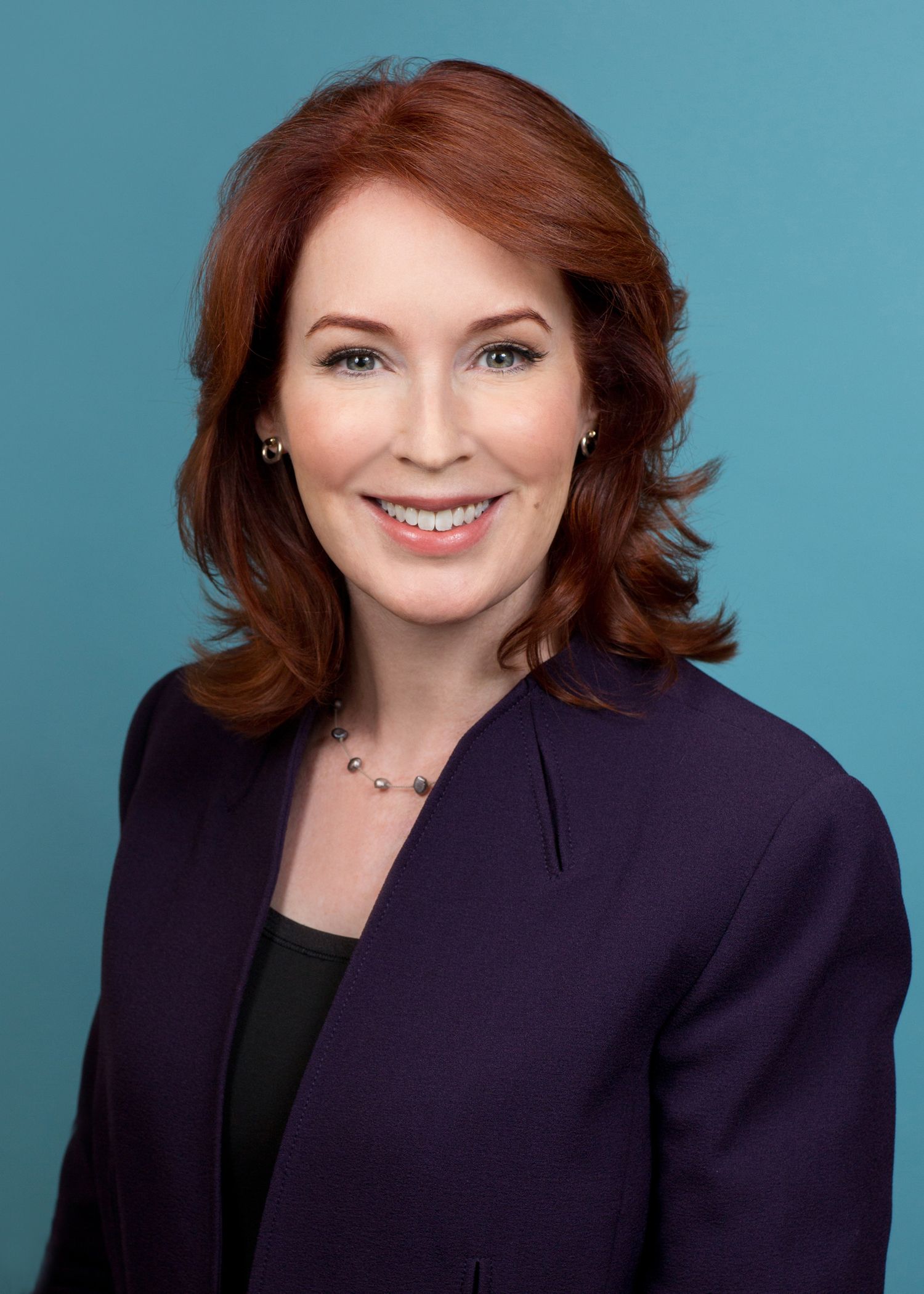
Meghan O'Sullivan
Director, Belfer Center for Science and International Affairs, Harvard University’s Kennedy School
Moderator
Nancy Youssef
National Security Correspondent, The Wall Street Journal
Side Session
Mon. April 21, 20253:45 AM - 4:45 AM EDT
Changes to Space-Based Nuclear Command and Control, and Its Implications on Escalation in Space
Organized by the Center for Space Policy Strategy
The United States in the process of fundamentally changing its approach for missile warning and strategic satellite communications, the two core pillars of space-based nuclear command and control. For missile warning, DOD is transitioning to large numbers of satellites across a diversity of orbits. For strategic satellite communications, the department is “disaggregating” to largely separate spacecraft supporting nuclear operations from those supporting conventional operations; it will be the first time that the United States deploys strategic satellite communication satellites that are not designed to serve tactical missions. Meanwhile, although details are scant, Russia is modernizing its early warning satellites, and China is developing its first space-based early warning system. This panel will discuss these developments for space-based nuclear command and control missions, examine the factors causing these developments, and explore their implications on the potential for conflict and nuclear escalation in space.
Pete Hayes
George Washington University
Kaitlyn Johnson
Space Force
Nivedita Raju
SIPRI
Moderator
Sam Wilson
Center for Space Policy Strategy
Side Session
Mon. April 21, 20253:45 AM - 4:45 AM EDT
Building a Nuclear Policy Community for All
Organized by the Bulletin of the Atomic Scientists
In recent years, the nuclear policy community has taken steps to remove barriers to access and advancement in the field, allowing for a broader range of talent to tackle the challenges we face. Still, with increasingly complex threats and generational shifts on the horizon, the need for new experts to join the community is more urgent than ever. However, the current political climate presents challenges, if not outright resistance, to such work. This panel will discuss practical tools that individuals and organizations can use as we continue to grow the field. The speakers bring expertise in community building, cybersecurity, legal strategies, and organizational leadership from both inside and outside of nuclear policy.
Ya'ara Barnoon
AU Washington College of Law
Nola Haynes
Georgetown University & WCAPS
Colin H. Kahl
Stanford University
Colin H. Kahl is the Steven C. Házy senior fellow at Stanford University’s Center for International Security and Cooperation and a strategic consultant at the Penn Biden Center for Diplomacy and Global Engagement.
Maju Varghese
Democracy Security Project
Moderator
John Pope
Bulletin of the Atomic Scientists
Tuesday, April 22nd, 2025
Keynote
Tue. April 22, 20255:00 AM - 5:45 AM EDT
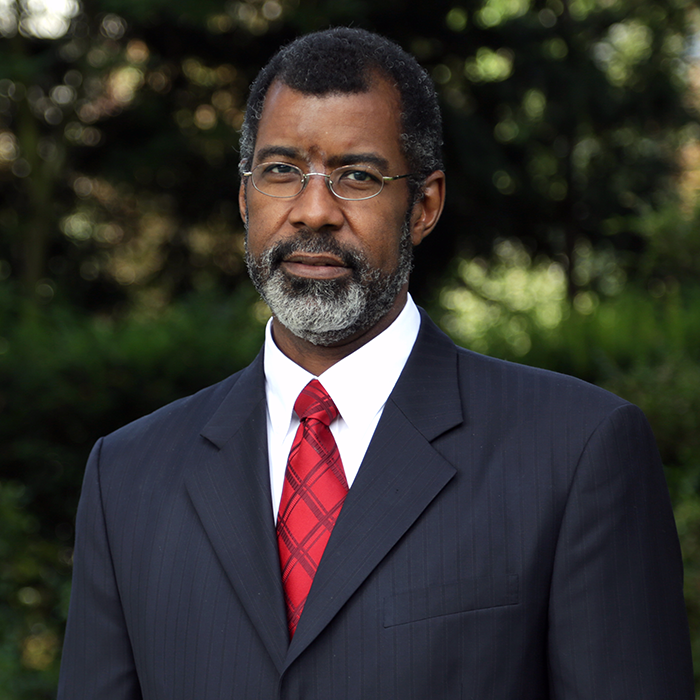
Keynote Speaker: Mr. William D. Magwood, IV
William D. Magwood, IV
Director General, Nuclear Energy Agency
Moderator
Joyce Connery
Former Chair, Defense Nuclear Facilities Safety Board
Keynote
Tue. April 22, 20256:00 AM - 7:00 AM EDT
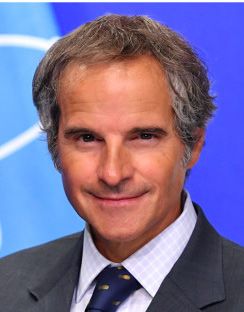
Keynote Speaker: Director General Rafael Mariano Grossi
Rafael Mariano Grossi
Director General, International Atomic Energy Agency
Moderator
Vice President for Studies
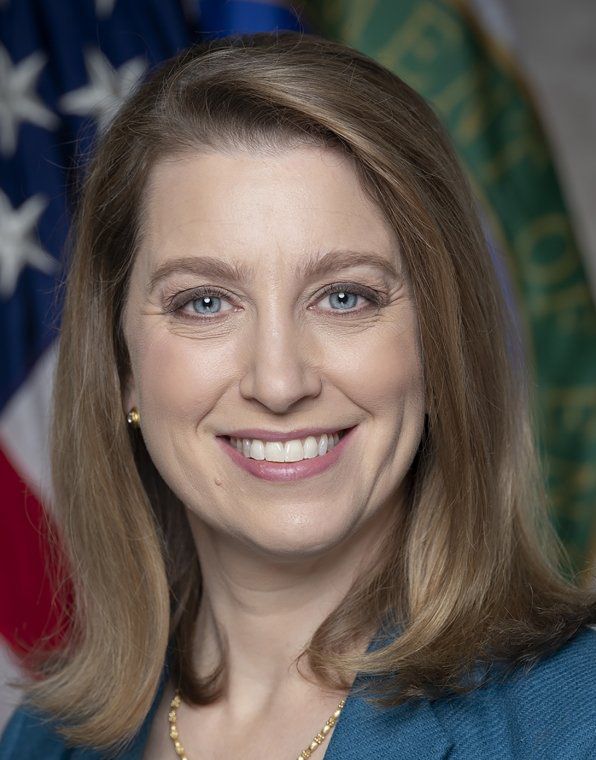
Corey Hinderstein is vice president for studies at the Carnegie Endowment for International Peace, overseeing the Technology and International Affairs Program, the Nuclear Policy Program, and the Sustainability, Climate, and Geopolitics Program.
Panel
Tue. April 22, 20257:30 AM - 8:30 AM EDT
Fission Accomplished… Then What? International Security Implications of a Nuclear Energy Boom
As geopolitics and the climate heat up, there is an emerging rush to significantly expand nuclear power. Shuttered nuclear plants are being rehabilitated, vendors are seeking to construct new advanced and modular designs, and private technology companies looking to power AI and data centers are emerging as key advocates and financiers. How might the anticipated renaissance in civilian nuclear programs affect nuclear weapon proliferation risks, including the potential spread of enrichment or reprocessing capabilities? What are the implications for international safeguards, safety, and security? How should the putative benefits be shared with developing countries? What technologies, including small modular reactors and fusion plants, or policies could mitigate--or exacerbate--the risks of deployment? What are the effects of leadership by private technology companies rather than traditional utilities?
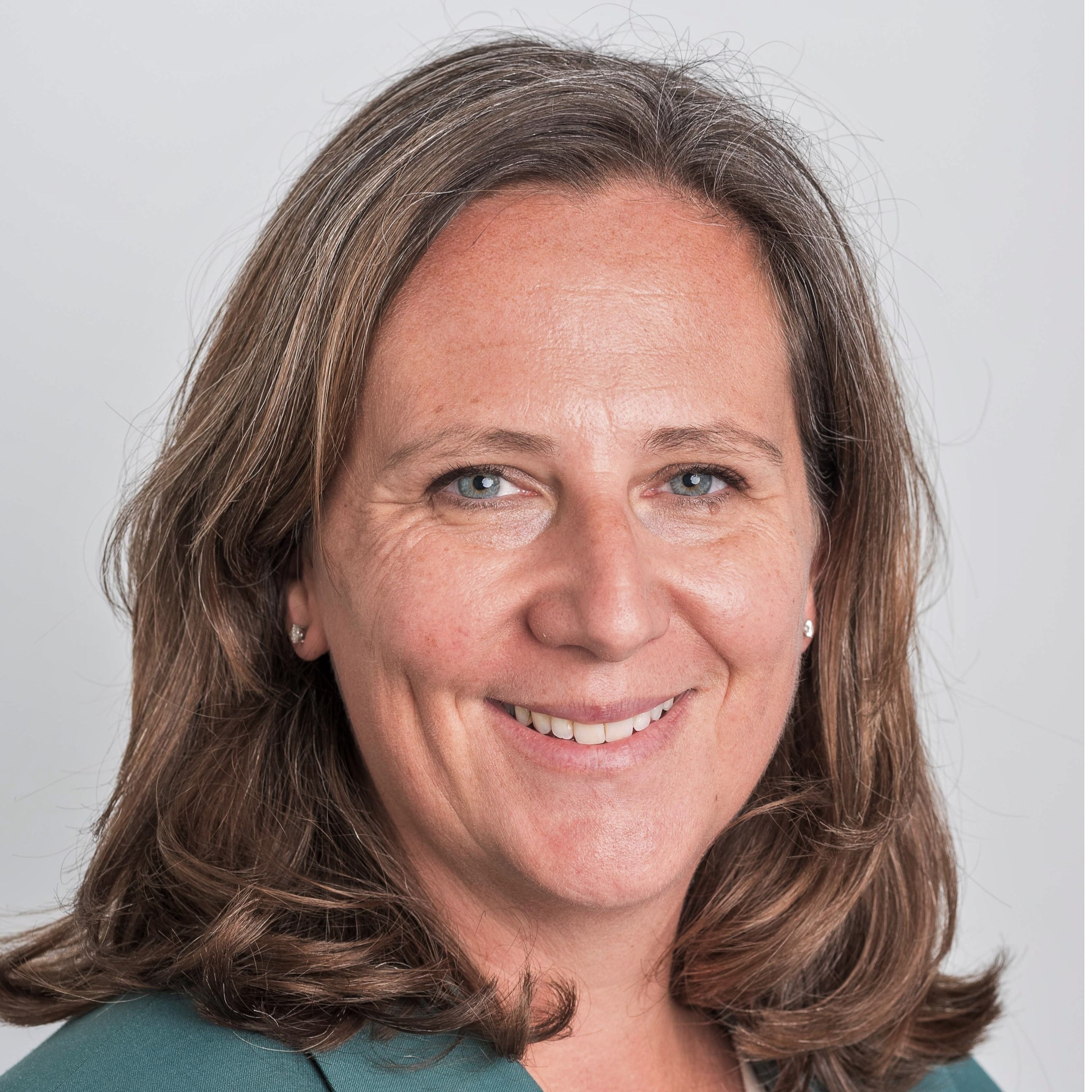
Jo Anna Bredenkamp
Director, Global Nuclear Safeguards and Strategic Export Programs, Westinghouse Nuclear
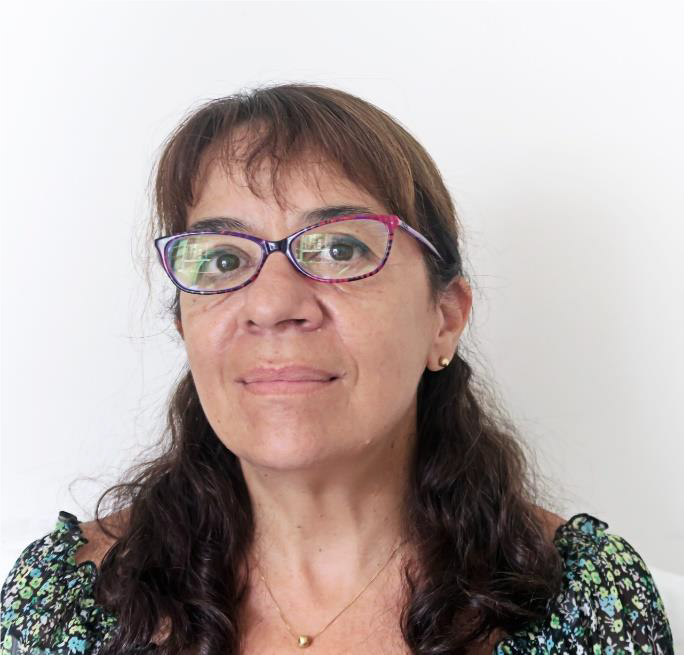
Sonia Fernández Moreno
Planning & Evaluation Officer, Brazilian-Argentine Agency for Accounting and Control of Nuclear Materials
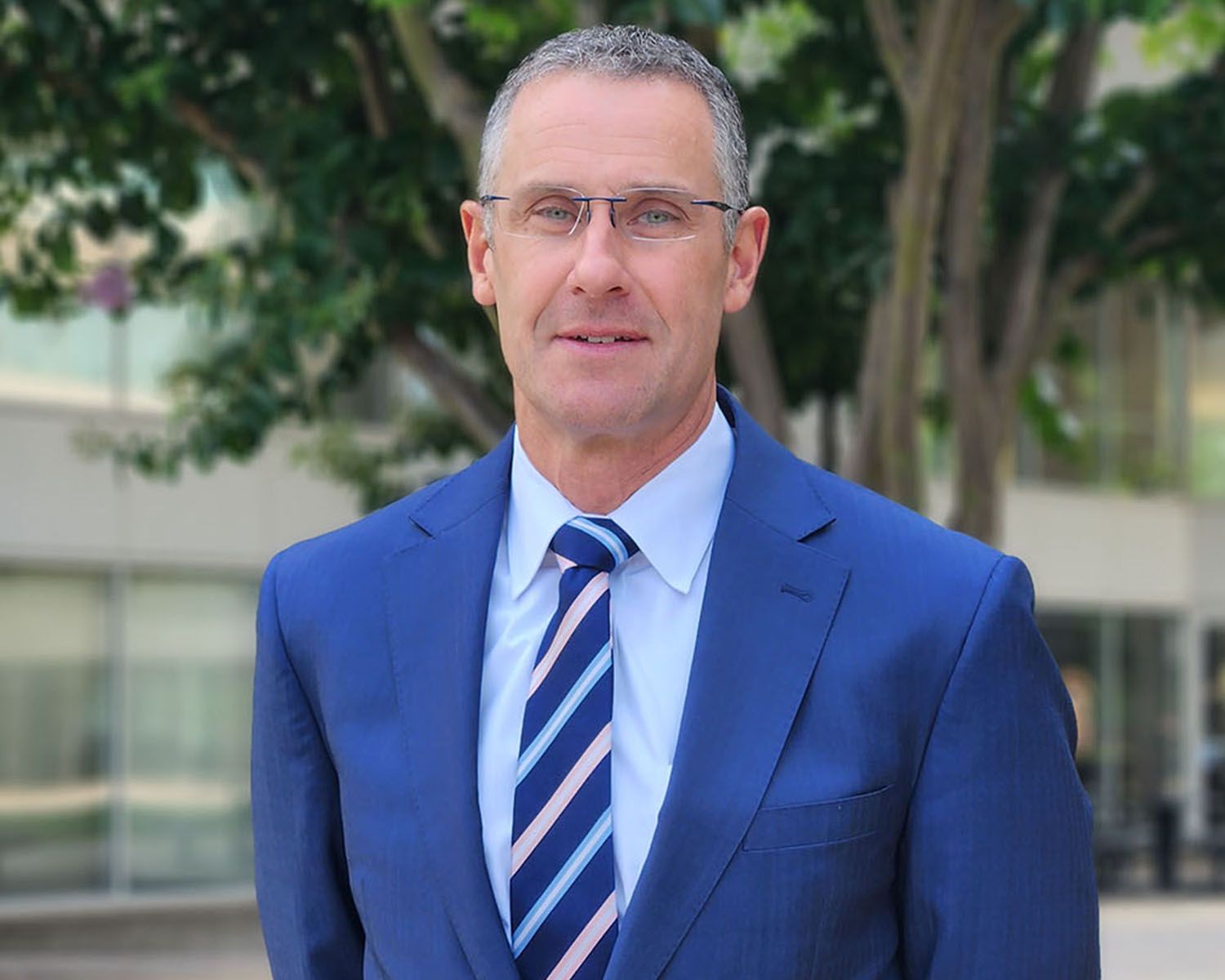
Sean Oehlbert
Vice President, Corporate Business Strategy, Centrus Energy Corp
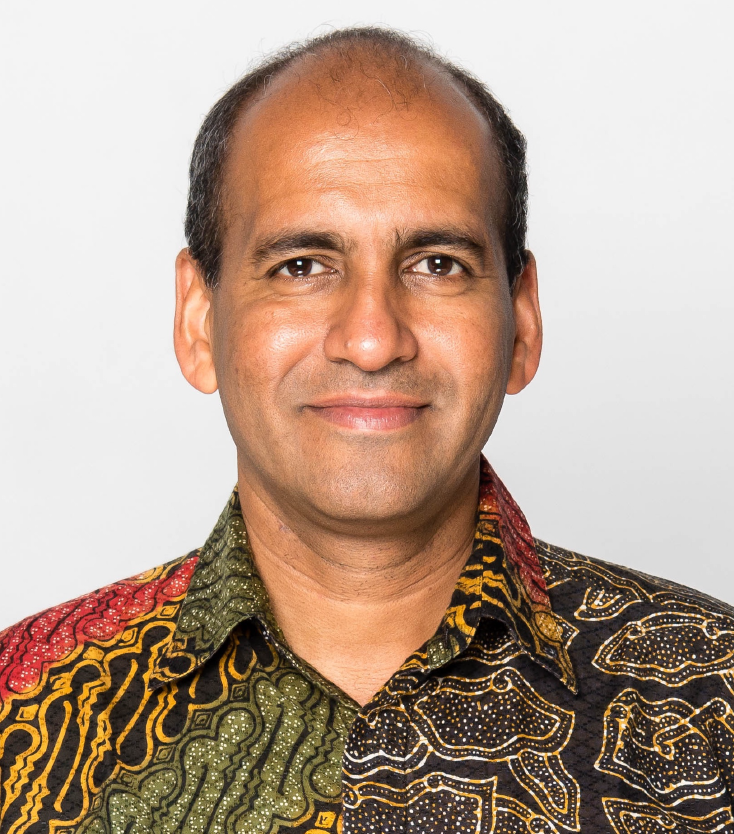
M.V. Ramana
Professor and Simons Chair in Disarmament, Global and Human Security, University of British Columbia
Moderator
Lindsey Gehrig
Advisor, Threat Prevention and Resilience, Pacific Northwest National Laboratory
Panel
Tue. April 22, 20257:30 AM - 8:30 AM EDT
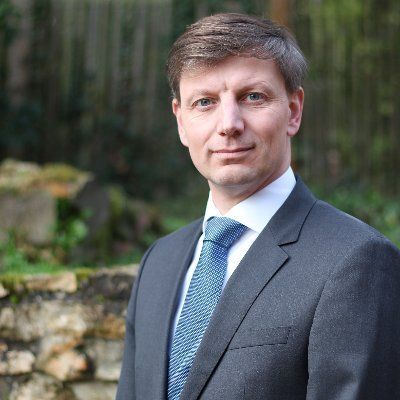
The Great Power Consensus on Nonproliferation is Fraying: What Should be Done?
During the Cold War, a shared interest in stymying proliferation motivated extensive cooperation between the United States and the Soviet Union. Since its end, however, the great powers have become increasingly interested in bolstering alliances at the expense of nonproliferation. China supports Pakistan’s nuclear program. Russia is formalizing its partnership with the Democratic People's Republic of Korea and shielding Iran’s nuclear program from international censure. And, as the U.S.-India deal and the AUKUS submarine initiative exemplify, the United States’ wants exceptions to the rules it originally championed. What are the implications of this fraying great power commitment for nonproliferation? Are there circumstances that might revive cooperation? Can the nonproliferation regime be upheld in the absence of great-power consensus and what role might non-nuclear weapons states play?
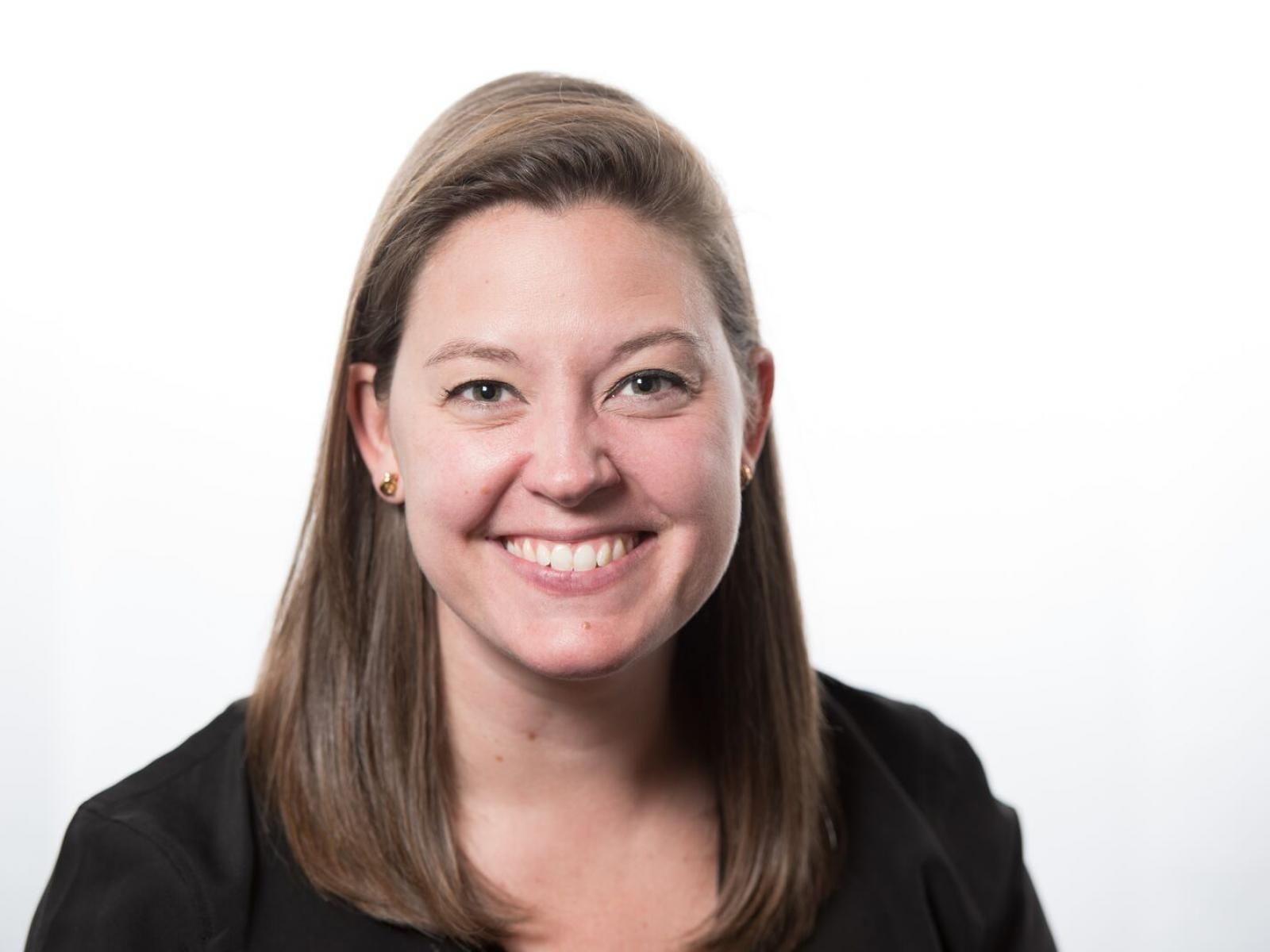
Sarah Bidgood
Postdoctoral Fellow , UC Institute on Global Conflict and Cooperation
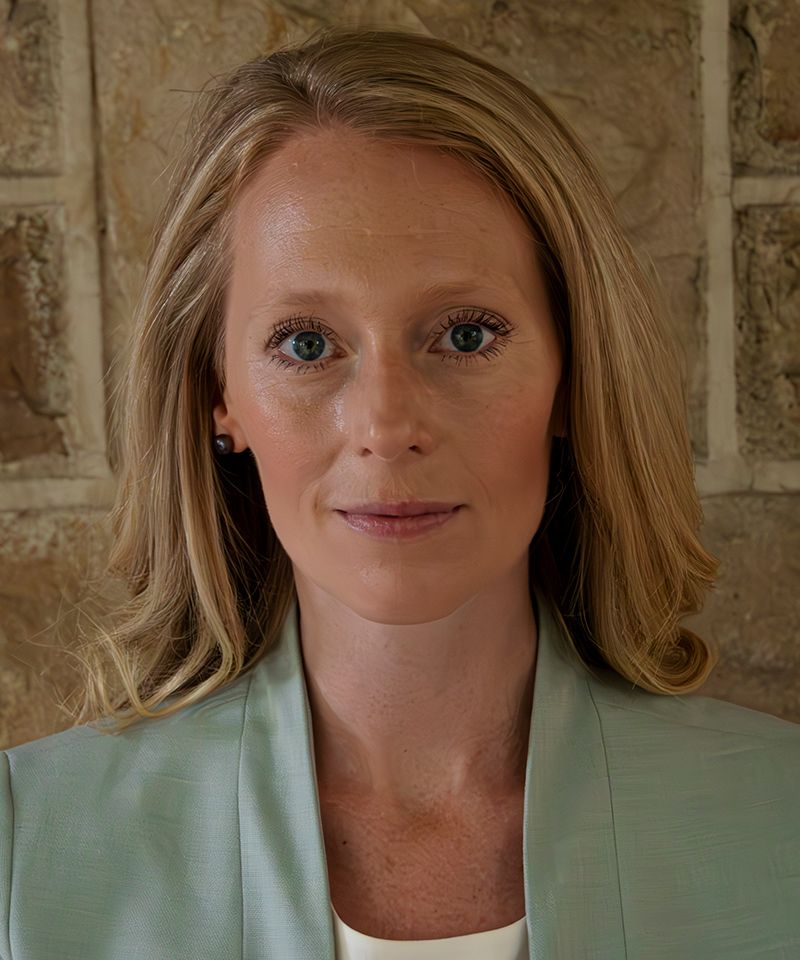
Kazuko Hikawa
Vice Director, Research Center for Nuclear Weapons Abolition, Nagasaki University
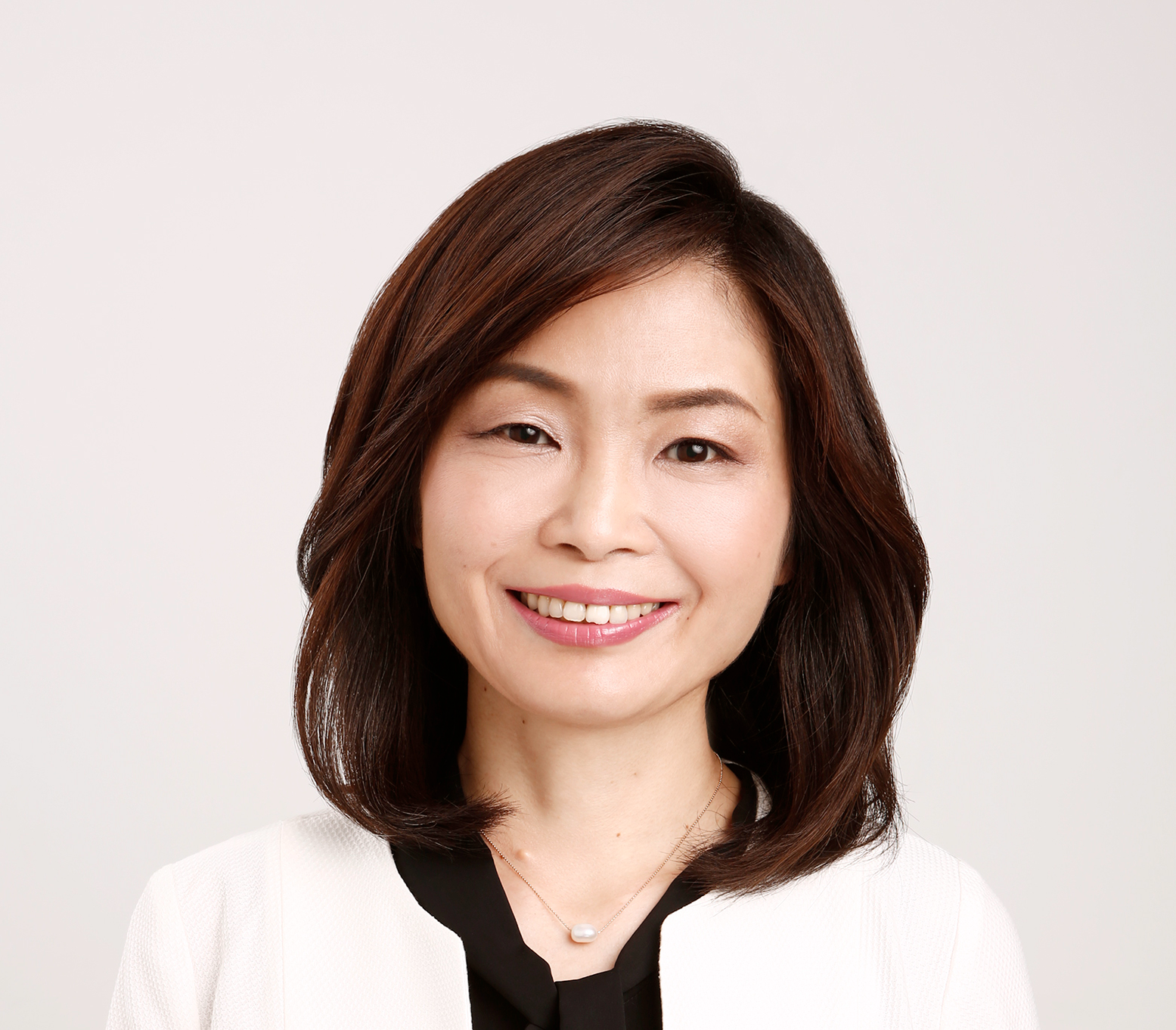
Joelien Pretorius
Associate Professor of Political Science, University of the Western Cape
Moderator
Daniël Kooij
Head, Nonproliferation, Arms Control, and Disarmament, Netherlands Ministry of Foreign Affairs
Panel
Tue. April 22, 20257:30 AM - 8:30 AM EDT
Is Limited Nuclear War a Thing?
All nuclear-armed states appear to have military doctrines that include at least some role for limited nuclear strikes. At one end of the spectrum, France envisions a “final warning”—a single limited nuclear strike—before launching a massive attack; at the other, both Russia and the United States appear to plan for a protracted nuclear exchange. In all cases, nuclear-armed states assess that the ability to conduct less than all-out nuclear attacks enhances their capacity to deter nuclear and non-nuclear aggression. But what would happen if deterrence failed and nuclear weapons were used in a limited way? What pressures would leaders face to further escalate toward all-out nuclear war? To what extent would the fear of such an outcome help prevent escalation? Is there a version of nuclear planning for limited strikes—French-style, U.S./Russian-style, or something else—that better achieves the goal of deterrence?
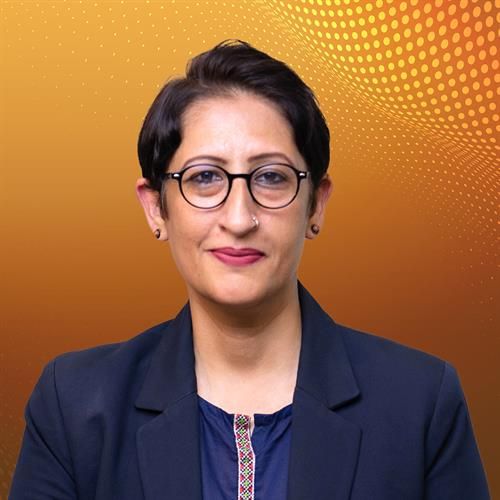
Rabia Akhtar
Dean Faculty of Social Sciences, University of Lahore
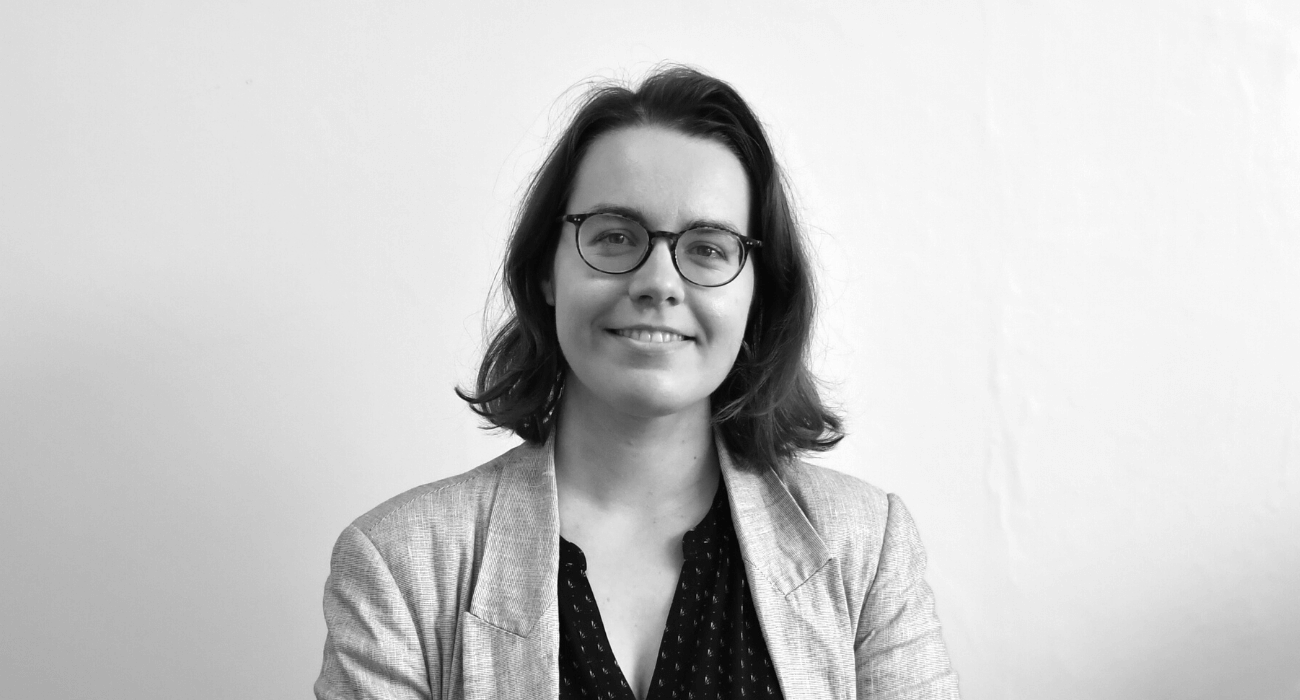
Héloïse Fayet
Research Fellow and Head, Deterrence & Proliferation Research Program, Institut Français des Relations Internationales
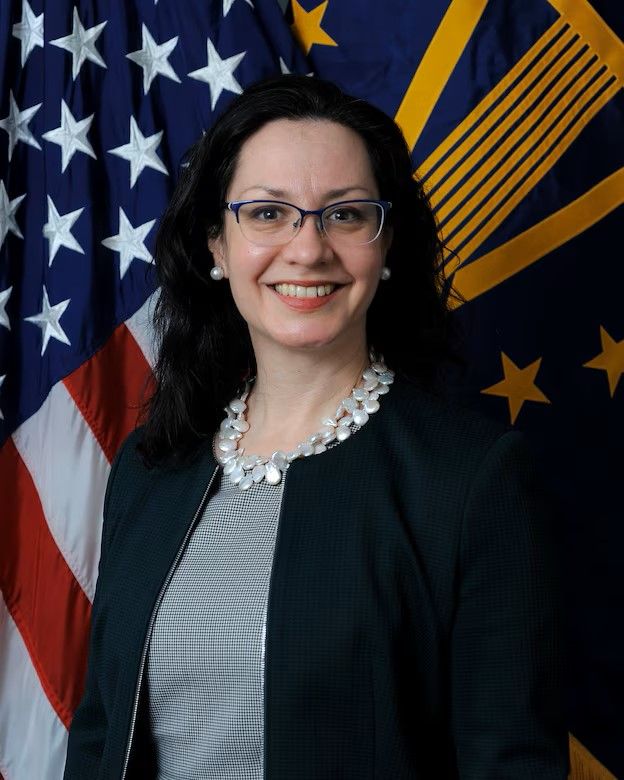
Leonor Tomero
Vice President of Government Relations, J.A. Green & Co.
Moderator
Nonresident Scholar, Nuclear Policy Program

Nicole Grajewski is a nonresident scholar in the Nuclear Policy Program at the Carnegie Endowment for International Peace.
Keynote
Tue. April 22, 202510:00 AM - 10:30 AM EDT
Keynote Speaker: Dame Louise Richardson
Louise Richardson
President, Carnegie Corporation of New York
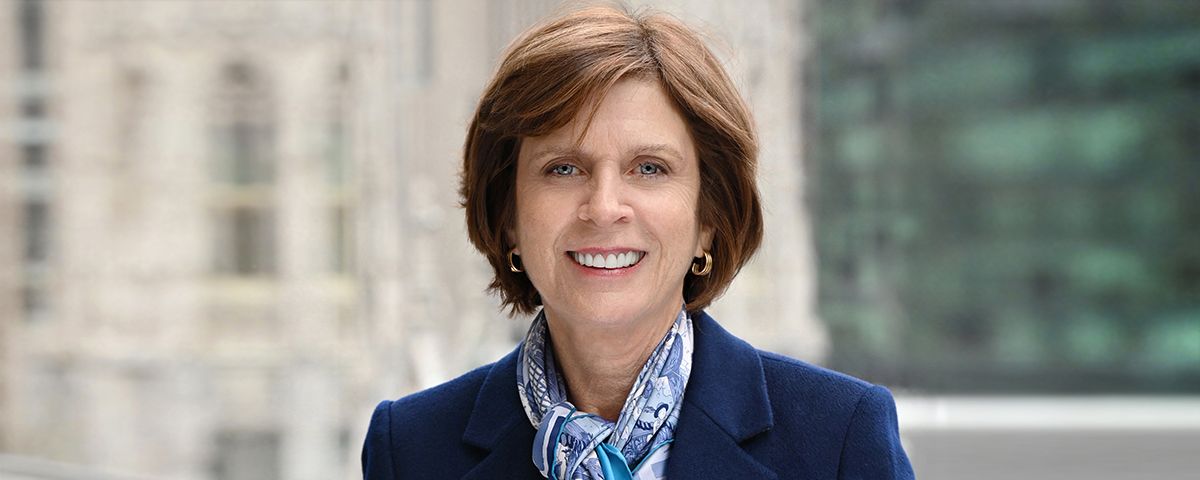
Moderator
Distinguished Fellow
Mariano-Florentino (Tino) Cuéllar is a distinguished fellow at the Carnegie Endowment for International Peace. He was previously the tenth president of the Carnegie Endowment for International Peace. A former justice of the Supreme Court of California, he has served three U.S. presidential administrations at the White House and in federal agencies, and was the Stanley Morrison Professor at Stanford University, where he held appointments in law, political science, and international affairs and led the university’s Freeman Spogli Institute for International Studies.
Panel
Tue. April 22, 202511:00 AM - 12:00 PM EDT
From Russia with Love? Interpreting Russia's New Nuclear Doctrine
Russia recently revised its nuclear doctrine by broadening the range of circumstances in which it might use nuclear weapons. According to U.S. officials, Russian is developing a space-based nuclear-armed anti-satellite weapon, which also suggests an expanding role for Russian nuclear weapons. How well understood are the circumstances in which Russia might use nuclear weapons and the purposes that such use might serve? To what extent do changes in Russia’s nuclear strategy impact European and global security as well as the risks of escalation? And how should the United States, NATO, and other states respond to such changes?
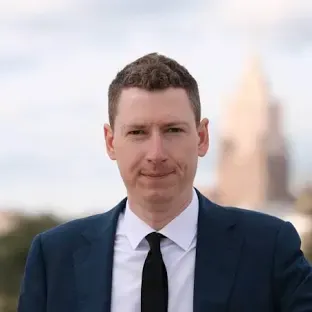
Andrey Baklitskiy
Senior Researcher, WMD Programme, UNIDIR
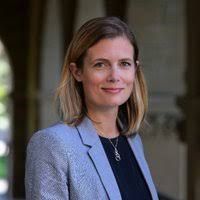
Kristin Ven Bruusgaard
Director, Norwegian Intelligence School
Lukasz Kulesa
Director, Proliferation and Nuclear Policy, Royal United Services Institute
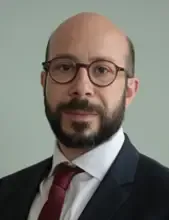
Łukasz Kulesa is the deputy head of research at the Polish Institute of International Affairs (PISM).
Moderator
Anya Fink
Nuclear Policy Analyst, Congressional Research Service,United States Library of Congress
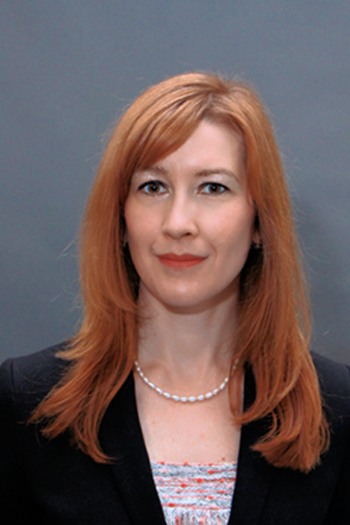
Anya Fink is a research scientist in the Russia Studies Program at CNA where her work focuses on Russian strategy, military thought, and nuclear issues.
Panel
Tue. April 22, 202511:00 AM - 12:00 PM EDT
Inputs vs. Outputs: Would Broadening Who’s Heard Change What’s Done?
Evidence shows that bringing alternative perspectives and different skills sets to bear helps organizations achieve their goals more efficiently and effectively. But, when it comes to nuclear policy, might it also change those goals? For example, would nuclear policy communities that reflected more viewpoints affect how governments deal with proliferation threats or the environmental legacy of nuclear-weapons production and testing? Or would it affect policies toward nuclear power or radioactive waste management? What factors shape whether the views of those involved in policy processes are representative of the populations they serve?
Renata H. Dalaqua
Head of Programme, UNIDIR

Fellow, American Statecraft Program
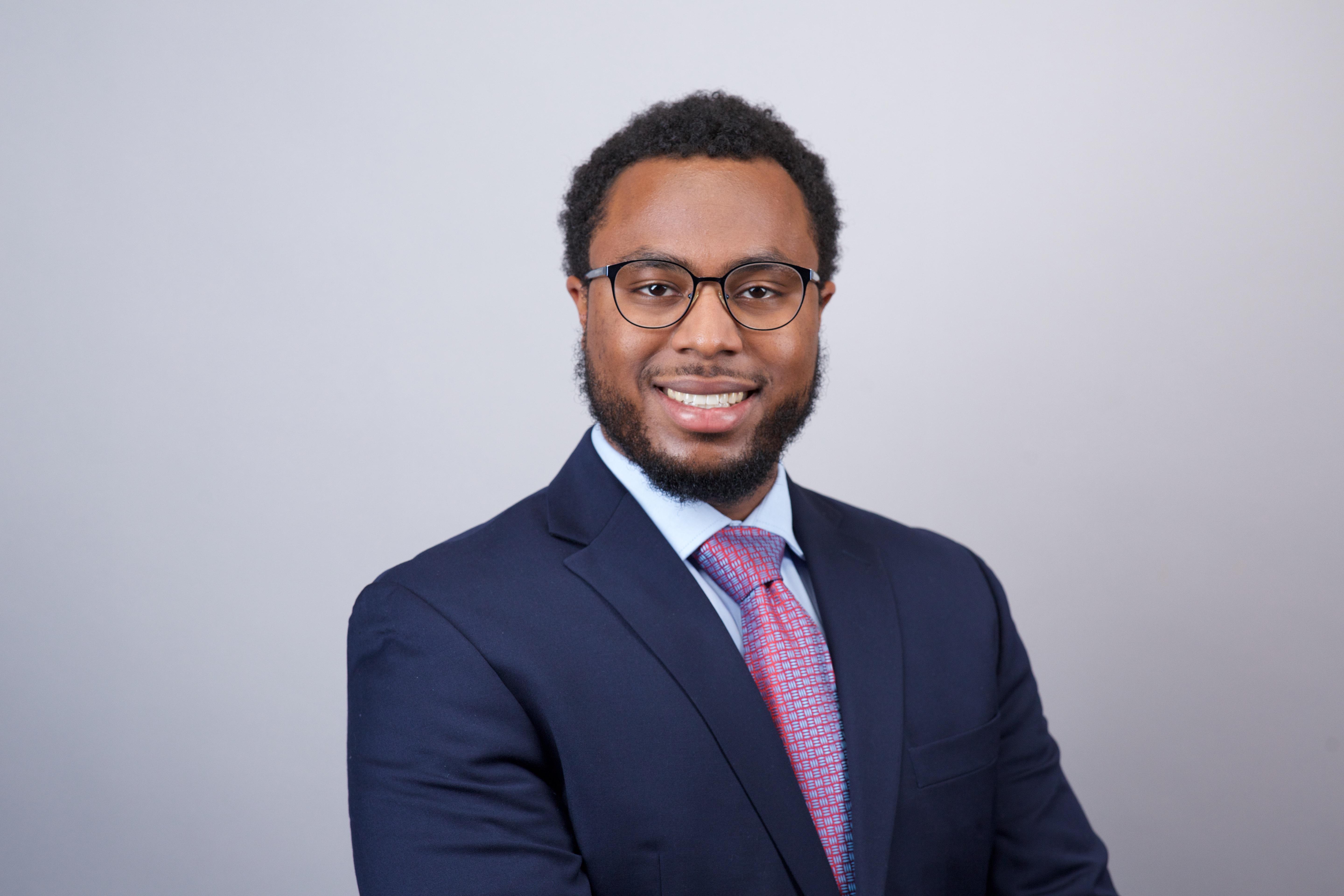
Christopher Shell is a fellow in the American Statecraft Program at Carnegie Endowment for International Peace.
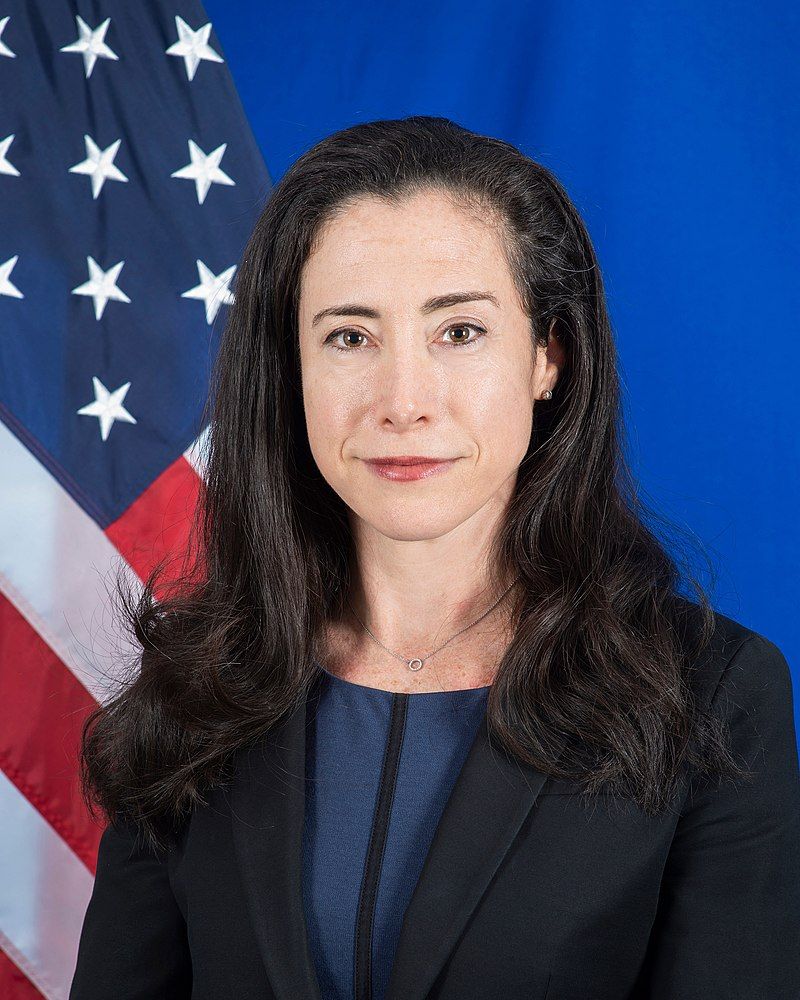
Mallory Stewart
Former Assistant Secretary of State for Arms Control, Deterrence, and Stability
Moderator
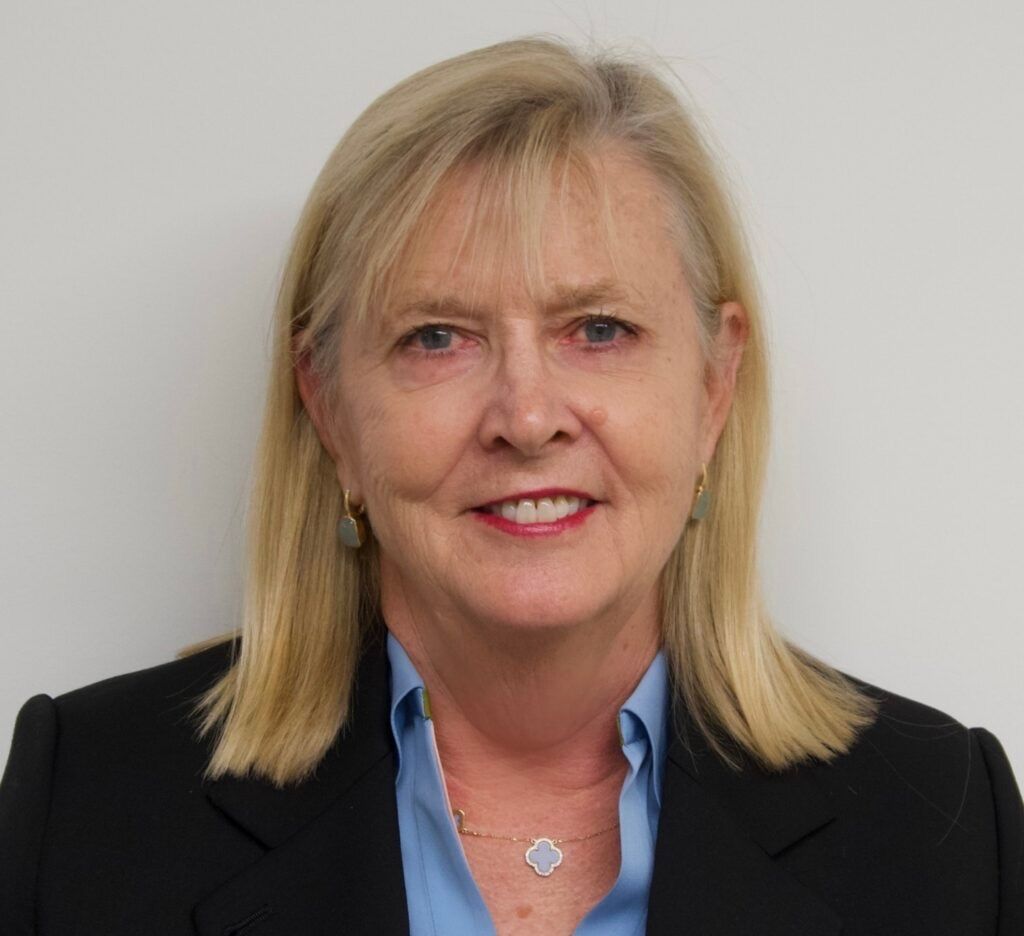
Gretchen Hund
Board Chair, Ploughshares Fund
Panel
Tue. April 22, 202511:00 AM - 12:00 PM EDT
Easy as 123? The Future of U.S.-Saudi Civil Nuclear Cooperation
Saudi Arabia has ambitious plans to stand up a nuclear energy program and wants to enrich uranium to fuel its future reactors. But enrichment technology can also be used to build nuclear weapons, as Saudi leaders have threatened to do if Iran crosses the proliferation threshold. Washington has reportedly considered relaxing the conditions it usually imposes on nuclear cooperation, and even building an enrichment plant in Saudi Arabia, as a way to strengthen relations with Riyadh at China’s expense, incentivize Saudi rapprochement with Israel, and create commercial opportunities for the U.S. nuclear industry. Should the United States support Saudi Arabia’s nascent nuclear program? If so, in what ways? What are the implications of Washington’s policy toward Riyadh for the nonproliferation regime? How might other regional powers react?
Bernard Haykel
Professor of Near Eastern Studies, Princeton University
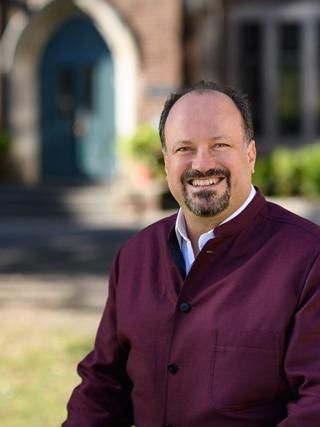
Senior Fellow, Nuclear Policy Program, Technology and International Affairs Program
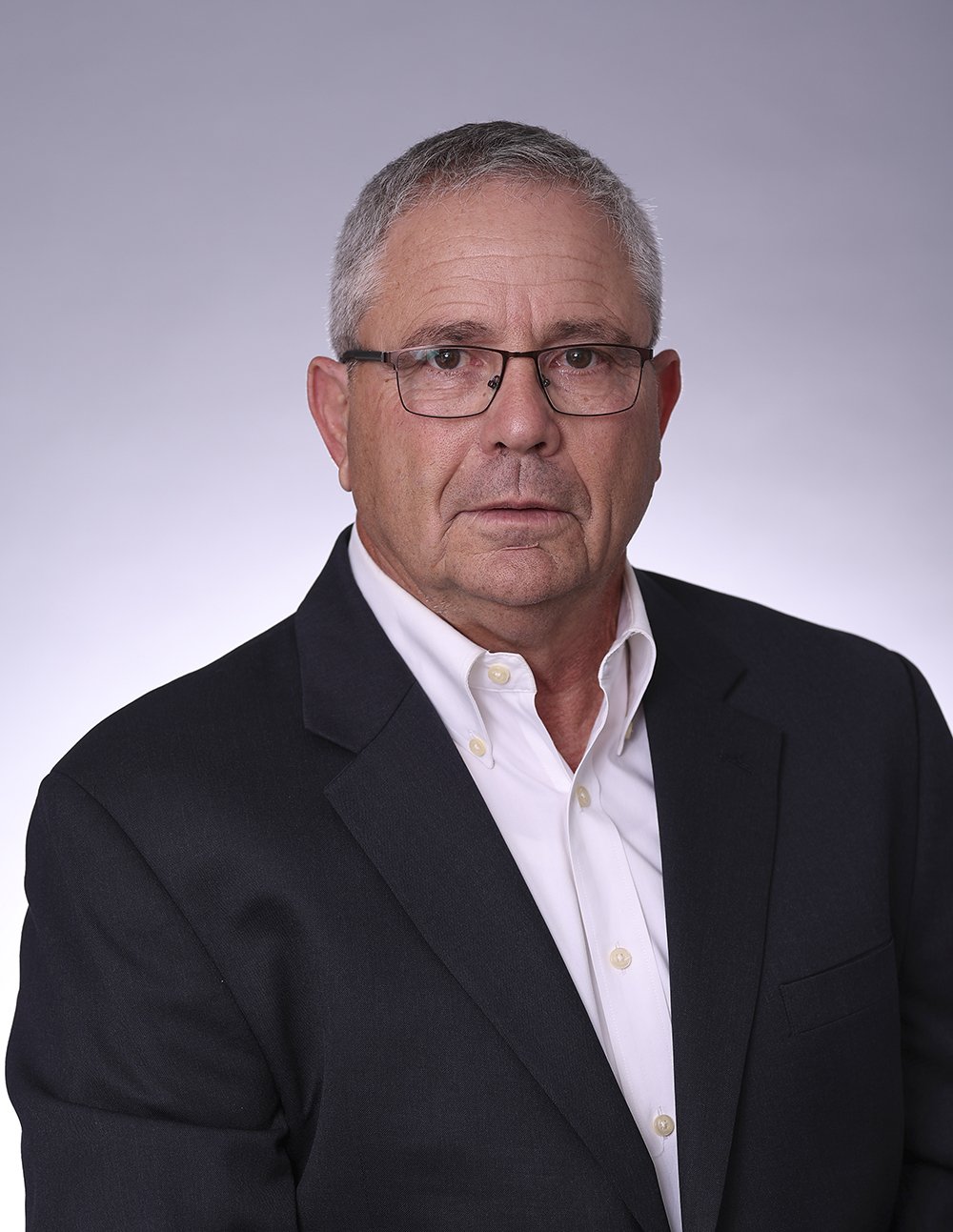
Levite was the principal deputy director general for policy at the Israeli Atomic Energy Commission from 2002 to 2007.
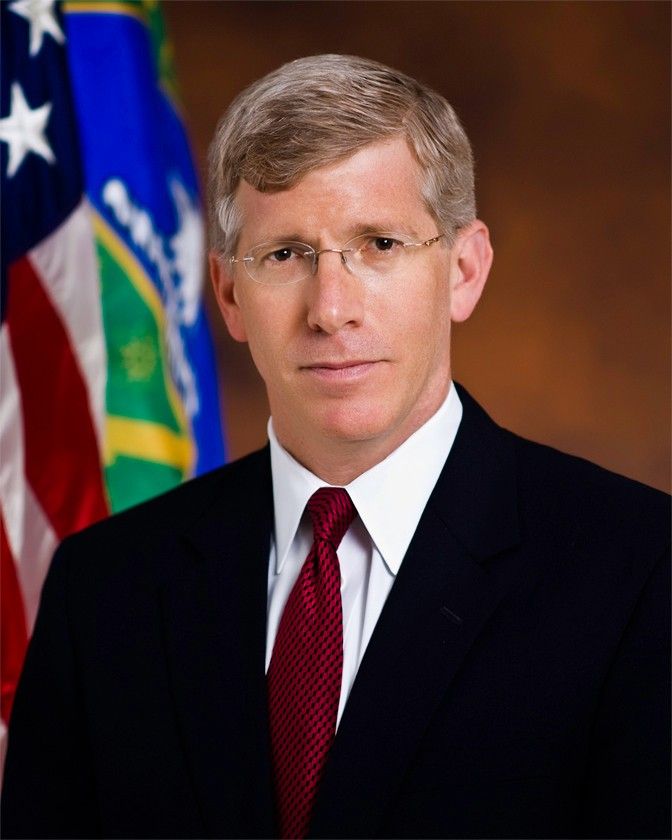
Daniel Poneman
Senior Fellow, Council on Foreign Relations
Moderator
Fellow, Nuclear Policy Program

Jane Darby Menton is a fellow in the Nuclear Policy Program at the Carnegie Endowment for International Peace and director of the Carnegie International Nuclear Policy Conference.
Panel
Tue. April 22, 202512:10 PM - 1:10 PM EDT
Why is China Building Up its Nuclear Forces? Does it Matter for U.S. Policy?
Rapid changes in the size of China’s nuclear arsenal, its development of new nuclear capabilities, and the persistent opacity about its goals have fueled speculation about Beijing’s motives. Is China abandoning its traditional posture of minimal deterrence and seeking to develop a nuclear arsenal that it can wield for aggressive purposes? Is it primarily interested in bolstering its status as a great power Or, does it simply seek to ensure the survivability of its nuclear forces? Finally, how—if at all—should the answer to these questions influence policy and military planning for the United States and its allies?
Wakana Mukai
Associate Professor, Asia University
Nonresident Scholar, Asia Program

Oriana Skylar Mastro is a nonresident scholar at the Carnegie Endowment for International Peace where her research focuses on Chinese military and security policy, Asia-Pacific security issues, war termination, and coercive diplomacy.
Senior Fellow with the Nuclear Policy Program and Carnegie China

Tong Zhao is a senior fellow with the Nuclear Policy Program and Carnegie China, Carnegie’s East Asia-based research center on contemporary China. Formerly based in Beijing, he now conducts research in Washington on strategic security issues.
Moderator
William J. Hennigan
Opinion Correspondent, The New York Times
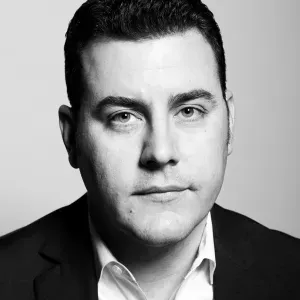
W.J. Hennigan writes about national security, foreign policy and conflict for the Opinion section at The New York Times. He's currently the lead writer for the Times' ongoing At the Brink series about the modern nuclear threat.
Side Session
Tue. April 22, 20253:45 AM - 4:45 AM EDT
The Consequences for Europe of the Two-Peer Competition
Organized by the French Institute of International Relations
As China’s nuclear arsenal expands—potentially reaching 1,500 warheads by 2035—the U.S. faces a historic challenge: deterring two nuclear peers, Russia and China, simultaneously. This “two-peer competition” fuels intense debate in Washington, shaping strategic postures, arms programs, and alliance dynamics. While extended deterrence in East Asia is widely discussed, its implications for Europe remain largely overlooked. Yet, with U.S. forces stretched across two potential conflicts, American nuclear and conventional deployments in Europe could become an adjustment variable. Meanwhile, European nations, particularly France and the UK, must reassess their roles in this evolving nuclear landscape. With Donald Trump’s re-election raising uncertainties about U.S. commitments, this session will explore how Europe should position itself in the face of growing nuclear competition between Washington and Beijing.
Léonie Allard
Atlantic Council
Lukasz Kulesa
Director, Proliferation and Nuclear Policy, Royal United Services Institute
Łukasz Kulesa is the deputy head of research at the Polish Institute of International Affairs (PISM).
Stanton Senior Fellow in the Nuclear Policy Program at the Carnegie Endowment for International Peace
Ankit Panda is the Stanton Senior Fellow in the Nuclear Policy Program at the Carnegie Endowment for International Peace.
Moderator
Héloïse Fayet
Research Fellow and Head, Deterrence & Proliferation Research Program, Institut Français des Relations Internationales
Side Session
Tue. April 22, 20253:45 AM - 4:45 AM EDT
Building Critical Mass for the Fight Against Nuclear Risks
Organized by the Nuclear Threat Initiative
In this dynamic conversation, panelists will discuss how nuclear security advocates can engage public audiences and shift beliefs in ways that can transform political incentives to pave the way for policy progress—even now. Panelists will share lessons from other social movements. They’ll also spotlight members of the nuclear policy field and its allies who have demonstrated innovative ways to push new narratives or use cultural organizing to seed progress on nuclear risk reduction and disarmament while capturing new audiences outside the beltway that are critical to winning fights in DC.
Mackenzie Hamilton
ReThink Media
Elise Rowan
Nuclear Threat Initiative
Jason Rzepka
Writ Large
Moderator
Emma Belcher
Ploughshares Fund
Young Professionals Track
As part of its 2025 International Nuclear Policy Conference, the Carnegie Endowment for International Peace will again convene the Young Professionals Track (YPT). Building on the broader conference content, the YPT is designed to give young professionals a focused, more intimate opportunity to engage with core debates in the field, network with both peers and senior experts, and build the skillset for a successful career.
MORE >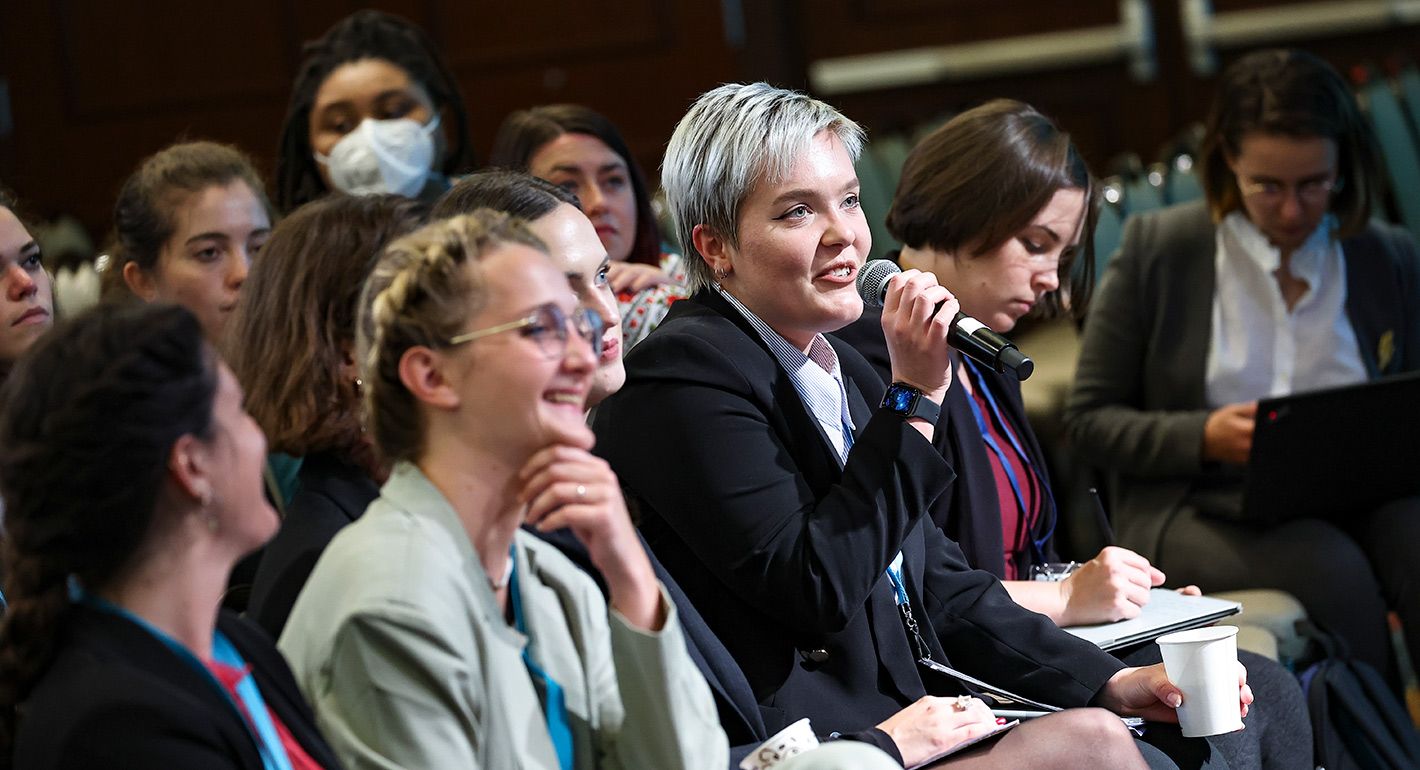
Plenary Sessions
The Three-Body Problem: Does U.S. Nuclear Posture and Strategy Need to Change?
MORE >Careers in Nuclear Policy
MORE >Breakout Sessions
A Return to Nuclear Testing? Reimagining Nuclear Futures
MORE >Ukraine Crisis Simulation
MORE >Emerging Technologies and Nuclear Energy
MORE >Skills-Building Sessions
Creating Lasting Impact: Media and Public Communication for Early-Career Nuclear Experts
MORE >IAEA Inspector for a Day: Nuclear Material Verification Mission
MORE >

2025 Thérèse Delpech Memorial Award
The Thérèse Delpech Memorial Award is offered, at each conference, to an individual who has rendered exceptional service to the nongovernmental nuclear policy community. While exceptional service includes major intellectual contributions to critical debates, it also encompasses the time-consuming and often unrecognized work that sustains and strengthens our community: mentoring young women and men; constructively critiquing the work of others; creating fora for discussion; building networks; and enhancing diversity.
MORE >Nuclear Policy
The Nuclear Policy Program aims to reduce the risk of nuclear war. Our experts diagnose acute risks stemming from technical and geopolitical developments, generate pragmatic solutions, and use our global network to advance risk-reduction policies. Our work covers deterrence, disarmament, arms control, nonproliferation, and nuclear energy.
Nuclear Policy Conferences
See the agendas and watch videos from sessions in previous nuclear policy conferences.