

{
  "authors": [
    "Eugene Chen",
    "Lise Morjé Howard",
    "Daniel Forti",
    "Stewart Patrick"
  ],
  "type": "event",
  "centerAffiliationAll": "dc",
  "centers": [
    "Carnegie Endowment for International Peace"
  ],
  "collections": [
    "The Post-American World"
  ],
  "englishNewsletterAll": "ctw",
  "nonEnglishNewsletterAll": "",
  "primaryCenter": "Carnegie Endowment for International Peace",
  "programAffiliation": "GOI",
  "programs": [
    "Global Order and Institutions"
  ],
  "regions": [
    "United States"
  ],
  "topics": [
    "Global Governance"
  ]
}
The UN Without the United States: UN Peacekeeping
Wed, March 11th, 2026
Live Online
Invalid video URL
UN peacekeeping faces an existential crisis. Despite a dramatic upsurge in violent conflict globally, no new UN peacekeeping operations have been authorized in over a decade, and multidimensional missions featuring blue helmets have lost their vogue. The Trump administration has declared the United States would no longer pay its annually assessed dues for peacekeeping, a legally binding obligation under the UN Charter, potentially depriving the world body of a quarter of its budget. At the same time, it has agreed to fund specialized operations, including in Haiti, Lebanon, and the Democratic Republic of the Congo, on an à la carte basis.
Peacekeeping has always been an imperfect instrument, hobbled by sometimes unrealistic mandates, shifting geopolitical support, recurrent liquidity crises, and occasional scandals involving peacekeeping troops themselves. Still, it remains the most cost-effective tool to reduce death and conflict, including in circumstances where the United States has no desire to put boots on the ground. It has saved—and continues to save—lives around the world, from Kosovo to Liberia to South Sudan.
What does the future of peacekeeping look like—something lighter, or different altogether, and what risks would that pose? What are the costs of losing U.S. support, financial or otherwise? Will other countries reinvest in traditional UN peacekeeping and can regional organizations help pick up the slack? And how can peacekeeping evolve to be more nimble and relevant?
To shed light on these and other questions, please join Carnegie’s Global Order and Institution Program director and senior fellow Stewart Patrick for a conversation with Eugene Chen, non-resident advisor at the International Peace Institute, Lise Howard, professor at Georgetown University, and Dan Forti, head of UN Affairs at International Crisis Group.
Carnegie does not take institutional positions on public policy issues; the views represented herein are those of the author(s) and do not necessarily reflect the views of Carnegie, its staff, or its trustees.
Event Speakers
Eugene Chen
Non-Resident Adviser, International Peace Institute
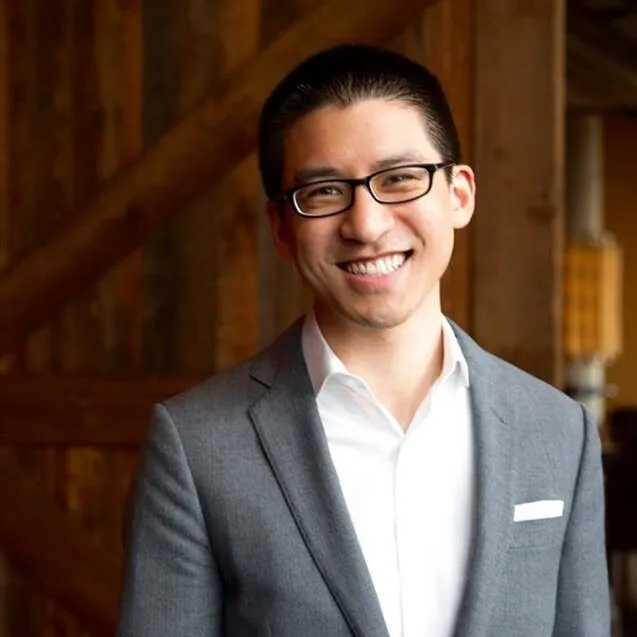
Eugene Chen is a non-resident adviser at the International Peace Institute, where his research examines the interplay of substantive policy, intergovernmental politics, and bureaucratic processes in multilateral peace operations. Earlier in his career, he worked in the United Nations Secretariat on peacekeeping operations and served at the U.S. Mission to the United Nations as an adviser on United Nations management and reform.
Lise Morjé Howard
Professor of Government and Foreign Service, Georgetown University
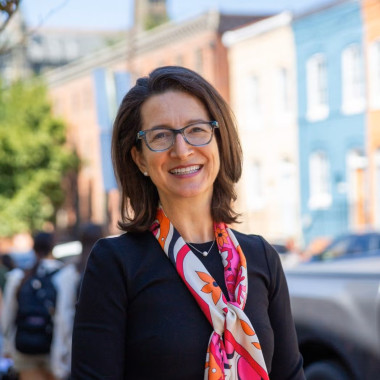
Lise Morjé Howard is a tenured professor and chair of the faculty council for the Edmund A. Walsh School of Foreign Service at Georgetown University. She teaches and conducts research on matters of war, peace, and security. She has authored two award winning books on peacekeeping: UN Peacekeeping in Civil Wars (Cambridge University Press, 2008) and Power in Peacekeeping (Cambridge University Press, 2019).
Daniel Forti
Head of UN Affairs, International Crisis Group
Daniel Forti is head of UN Affairs at the International Crisis Group. He oversees day-to-day advocacy and research at the United Nations, liaising with diplomats and UN officials in New York. Before joining Crisis Group, he worked as an analyst for the International Peace Institute in New York, and as a researcher for the African Centre for the Constructive Resolution of Disputes (ACCORD) in Durban, South Africa.
Senior Fellow and Director, Global Order and Institutions Program

Stewart Patrick is a senior fellow and director of the Global Order and Institutions Program at the Carnegie Endowment for International Peace. His primary areas of research focus are the shifting foundations of world order, the future of American internationalism, and the requirements for effective multilateral cooperation on transnational challenges.