

Paper
Ms. Shanthi Kalathil, Mr. Taylor Boas
{
  "authors": [
    "Taylor Boas"
  ],
  "type": "legacyinthemedia",
  "centerAffiliationAll": "",
  "centers": [
    "Carnegie Endowment for International Peace"
  ],
  "collections": [],
  "englishNewsletterAll": "",
  "nonEnglishNewsletterAll": "",
  "primaryCenter": "Carnegie Endowment for International Peace",
  "programAffiliation": "",
  "programs": [],
  "projects": [],
  "regions": [
    "China"
  ],
  "topics": []
}
REQUIRED IMAGE
Source: Carnegie
Reprinted with permission from Foreign Policy, May-June 2001.
Whether seen as a peaceful spiritual group or a dangerous cult, China's Falun Gong is an extensively wired faith. Government crackdowns have made it harder to use the Internet for organization within China, but elsewhere, Web sites help Falun Gong enlist support for its human rights campaign while recruiting and informing members worldwide.
Sect founder Li Hongzhi uses the Internet as his principal means of communicating with followers. Even if they can't access sites through government-controlled servers in China, people may receive Li's missives as e-mail attachments or smuggled documents. FalunDafa.org hosts the full text of all Li's writings and includes links to local chapters worldwide. Download videos to learn the group?s exercises and audio clips to play during practice. Easy access to such information has helped boost membership in Europe and North America.
FalunInfo.net represents the public relations face of Falun Gong. The site frames the movement in terms of human rights and freedom of religion?concepts with greater resonance in the West than Falun Gong's philosophical tenets, drawn largely from Buddhism and Taoism. The site features press releases and an extensive Western news archive.
While critics charge that FalunInfo.net is one-sided, China's efforts are as well: One of several anti-Falun Gong sites (www.mingjing.org.cn/ppflg/) features testimonials from "re-educated" practitioners and gruesome photos of the recent self-immolations in Tiananmen Square. Falun Gong responded by creating pages "Exposing the Crimes of Jiang Zemin" and charging that Chinese authorities orchestrated the burnings to defame the group.
Former Project Associate
Recent Work
Ms. Shanthi Kalathil, Mr. Taylor Boas
Carnegie does not take institutional positions on public policy issues; the views represented herein are those of the author(s) and do not necessarily reflect the views of Carnegie, its staff, or its trustees.

The hybrid warfare landscape is evolving rapidly, leaving policymakers without clear strategies. To better inform their work in addressing emerging challenges, governments must dig deeper into the underlying dynamics at play.


Raluca Csernatoni, Alicia Wanless
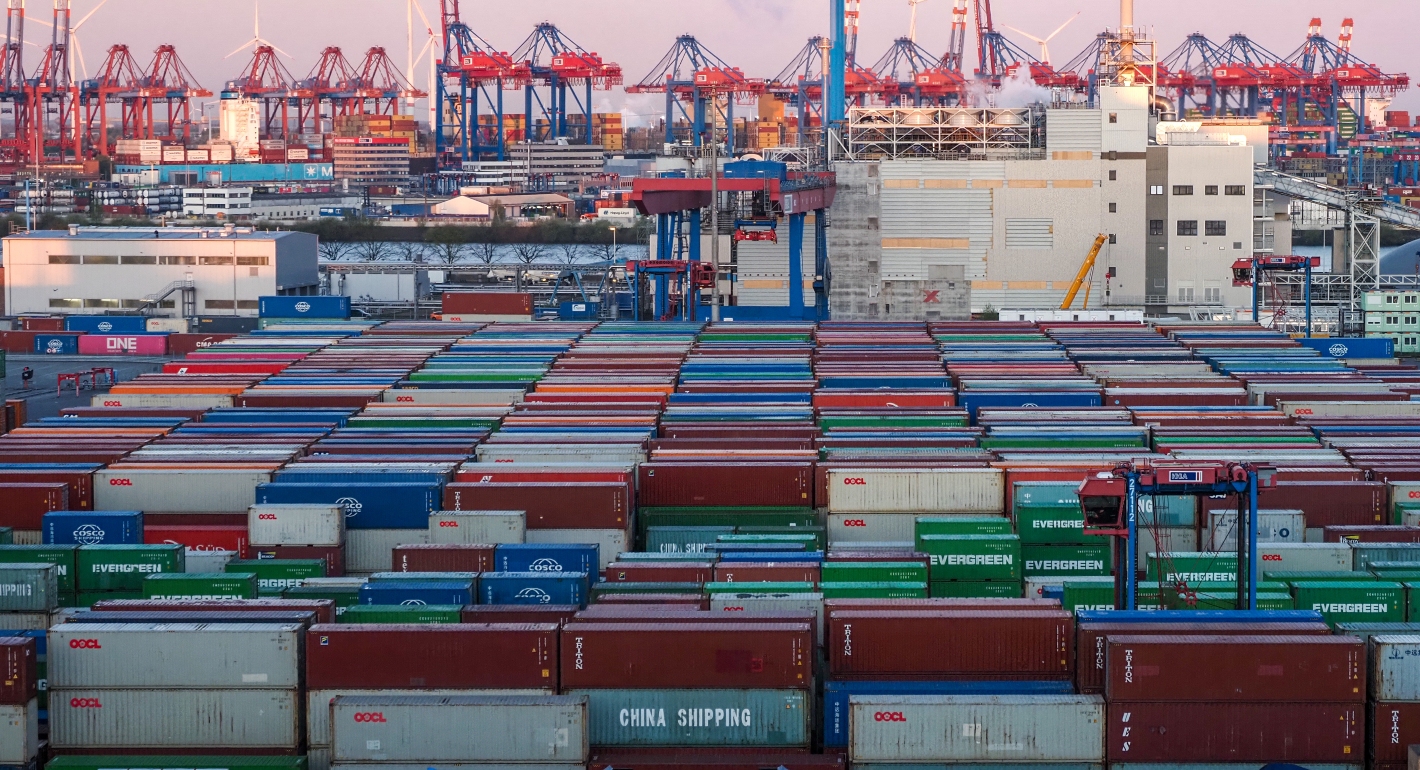
As geopolitical rivalry weaponizes global supply chains, the EU’s true vulnerability lies in emerging-risk imports. For these goods, suppliers are growing more concentrated, substitution more difficult, and political risk is looming.

Sinan Ülgen
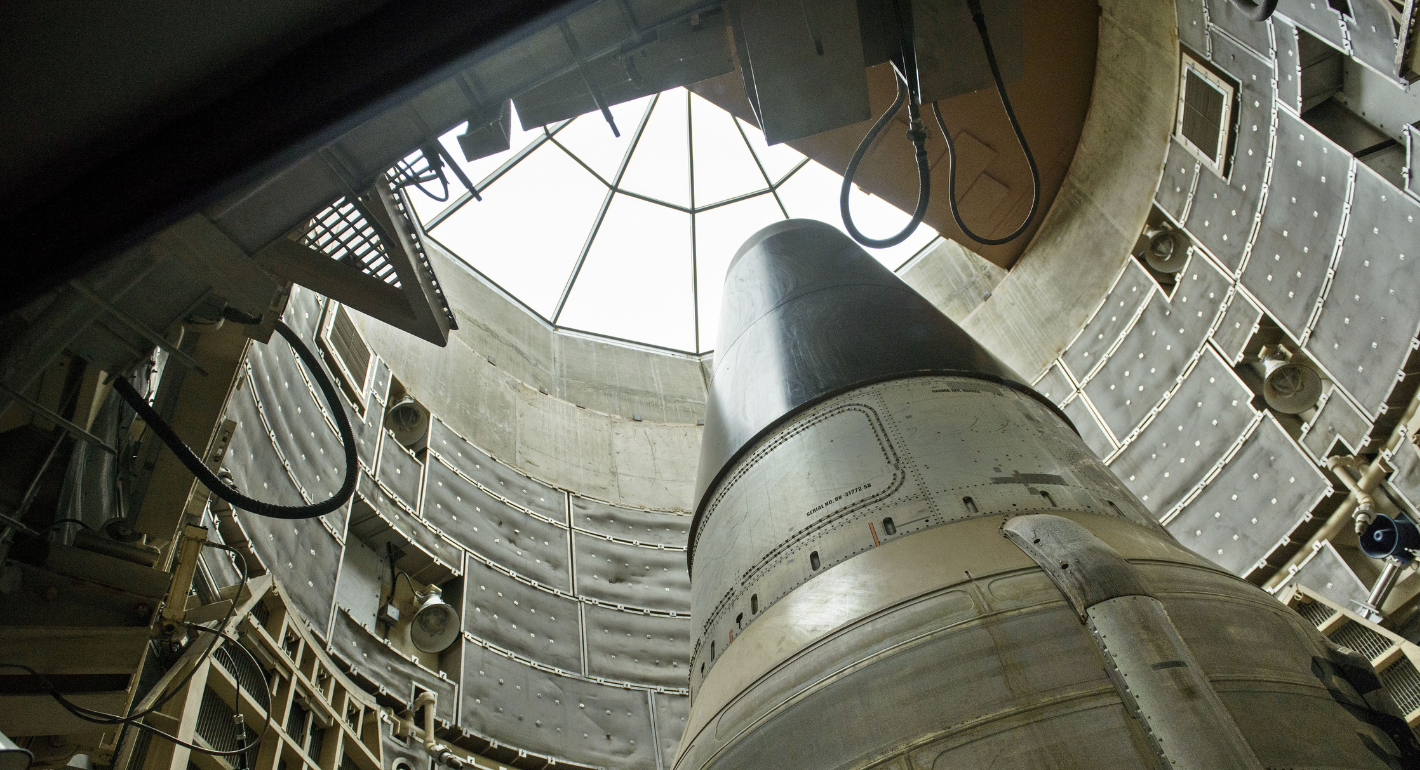
Amid uncertainty caused by the Iran war, the global drive for nonproliferation has stalled. With Europe diplomatically marginalized and countries reassessing their nuclear options, efforts to curb the spread of nuclear weapons risk becoming irrelevant.

Jane Darby Menton
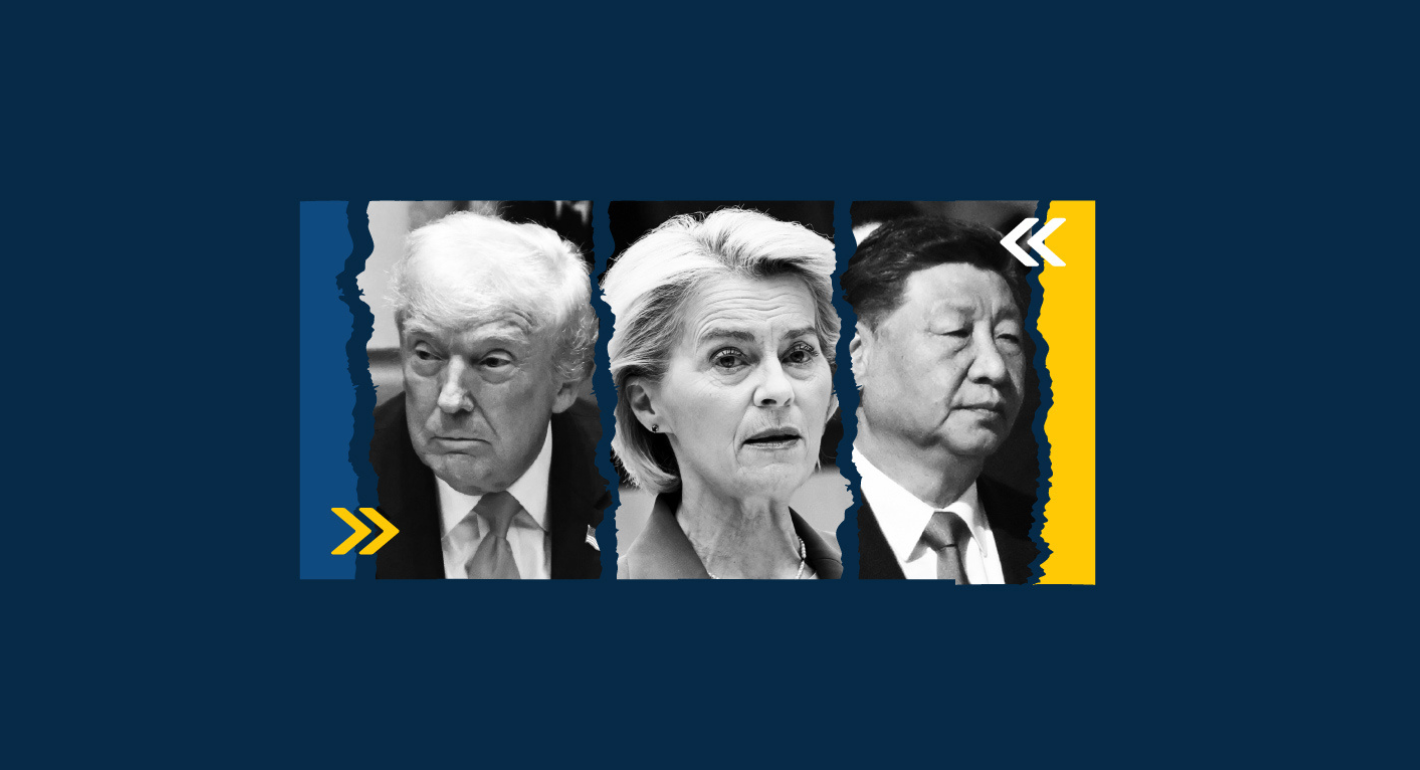
Between the United States’ market-driven approach and China's state-led industrial strategy, Europe is reckoning with how it can remain competitive in the global economy. But is Europe in danger of becoming a U.S. or China colony?

Noah Barkin, Anu Bradford
For years, the United States anchored global cyber diplomacy. As Washington rethinks its leadership role, the launch of the UN’s Cyber Global Mechanism may test how allies adjust their engagement.

Patryk Pawlak, Chris Painter