

Report
- +2
George Perkovich, Jessica Tuchman Mathews, Joseph Cirincione, …
{
  "authors": [
    "Jon Wolfsthal"
  ],
  "type": "legacyinthemedia",
  "centerAffiliationAll": "dc",
  "centers": [
    "Carnegie Endowment for International Peace"
  ],
  "collections": [],
  "englishNewsletterAll": "ctw",
  "nonEnglishNewsletterAll": "",
  "primaryCenter": "Carnegie Endowment for International Peace",
  "programAffiliation": "NPP",
  "programs": [
    "Nuclear Policy"
  ],
  "projects": [],
  "regions": [],
  "topics": []
}
REQUIRED IMAGE
Source: Carnegie
Even during the depths of the Cold War, the United States and the Soviet Union often worked together to halt the spread of nuclear weapons to new countries. Now, both countries are dealing with the realization that Iran's nuclear program is more advanced than previously thought and may be aimed directly at acquiring nuclear weapons in the next few years. Unfortunately, the approaches being pursued by both countries will do nothing to slow Iran's ability to produce nuclear weapons, and a new approach and better coordination is desperately needed before it is too late.
For the better part of a decade, U.S. officials pressured Russia to stop its support for the Bushehr nuclear reactor project in Iran. The United States argued that the power plant was a front for Iran to acquire weapons-related technology, a charge that Russian rejected. It now appears that both sides may have been wrong.
Counter to U.S. projections, Iran appears to have used Pakistan and other third parties to develop a uranium enrichment technology based on centrifuges, instead of relying on covert acquisitions of Russian technology. This does not mean, however, that Russian experts or companies have not been involved in this program without the Kremlin's knowledge or permission -- only that Russia appears not to be the primary source of Iran's newfound capabilities. Yet Russia also ignored clear signs that Iran was interested in much more than a peaceful nuclear power program. Its willingness to engage in nuclear commerce with Iran, while financially beneficial, is now coming back to negatively effect Russia's security.
To remedy the situation, the two countries have adopted similarly flawed approaches. Russian officials are working with Iran to ensure that any fuel used in the reactor at Bushehr -- fuel that when reprocessed could produce hundreds of nuclear weapons worth of plutonium -- is returned to Russia. For its part, with Russian support, the United States is pushing Iran to join the IAEA's enhanced inspection agreement, which will give the agency broader inspection and monitoring rights in Iran.
While both of these initiatives are helpful, they will do absolutely nothing to head off the main challenge posed by Iran's growing nuclear program -- Tehran's construction of advanced centrifuge enrichment facilities that could produce enough weapons-grade uranium for 20 weapons per year by the end of the decade. Iran has stated that it is developing the means to produce its own enriched uranium fuel for the Bushehr reactors out of concern that the United States will convince Russia to cut off its fuel supply.
Under the Nuclear Nonproliferation Treaty, to which Iran is a party, states are entitled to engage in all manner of peaceful nuclear development as long as they accept international inspections. This provision, however, allows states to use the cover of the treaty to acquire the very means to produce a formidable nuclear arsenal, and then later withdraw from the pact and use the material for nuclear weapons. At the heart of international concerns is the risk that Iran will follow just this scenario to the detriment of regional and even global security.
To head off this eventuality, the United States and Russia should reach quick agreement on a new strategy that would not only head off Iran's nuclear weapons potential, but address the underlying flaw in the NPT system. At a minimum, Russia should offer to guarantee -- with explicit U.S. endorsement -- Iran's supply of fuel for the Bushehr reactor as long as Iran abandons its indigenous uranium enrichment and plutonium production programs. This offer would give Iran a clear choice -- a reliable foreign source of nuclear energy or an internal nuclear program with weapons potential. The choice that Iran makes would help show the international community Iran's true intentions.
To many, it is already clear that at a minimum, Iran is seeking the option of producing nuclear weapons through its own independent nuclear program. Given its history of conflict with Iraq -- a state by no means guaranteed of a peaceful and stable future -- as well as the perceived threats from Israel's and America's nuclear arsenals, Iran's position is understandable in some circles. But this nuclear option would only serve to increase the desire of other countries, including Saudi Arabia, Syria and even a future independent Iraq, to acquire their own nuclear options, to say nothing of the steps Israel might take before Iran's became a reality.
Thus, in addition to the offer to guarantee Iran's supply of low enriched uranium fuel for its nuclear reactor, the United States and Russia should revisit the idea of establishing a clear policy that nuclear weapons will not be used to threaten states that do not have nuclear weapons or an active nuclear program. Amazingly, since the end of the Cold War, both the United States and Russia have increased the circumstances under which they would be willing to use or threaten use of nuclear weapons. It is time the two countries recognize that such a policy has negative implications that could drive states to acquire nuclear weapons.
Russia and America have an important legacy of preventing proliferation of which they should be proud. It is a legacy that should be revived and focused on the core proliferation threats in Iran and elsewhere before the nuclear confrontation of the Cold War is replaced by a broader nuclear competition the two states will not find as easy to control.
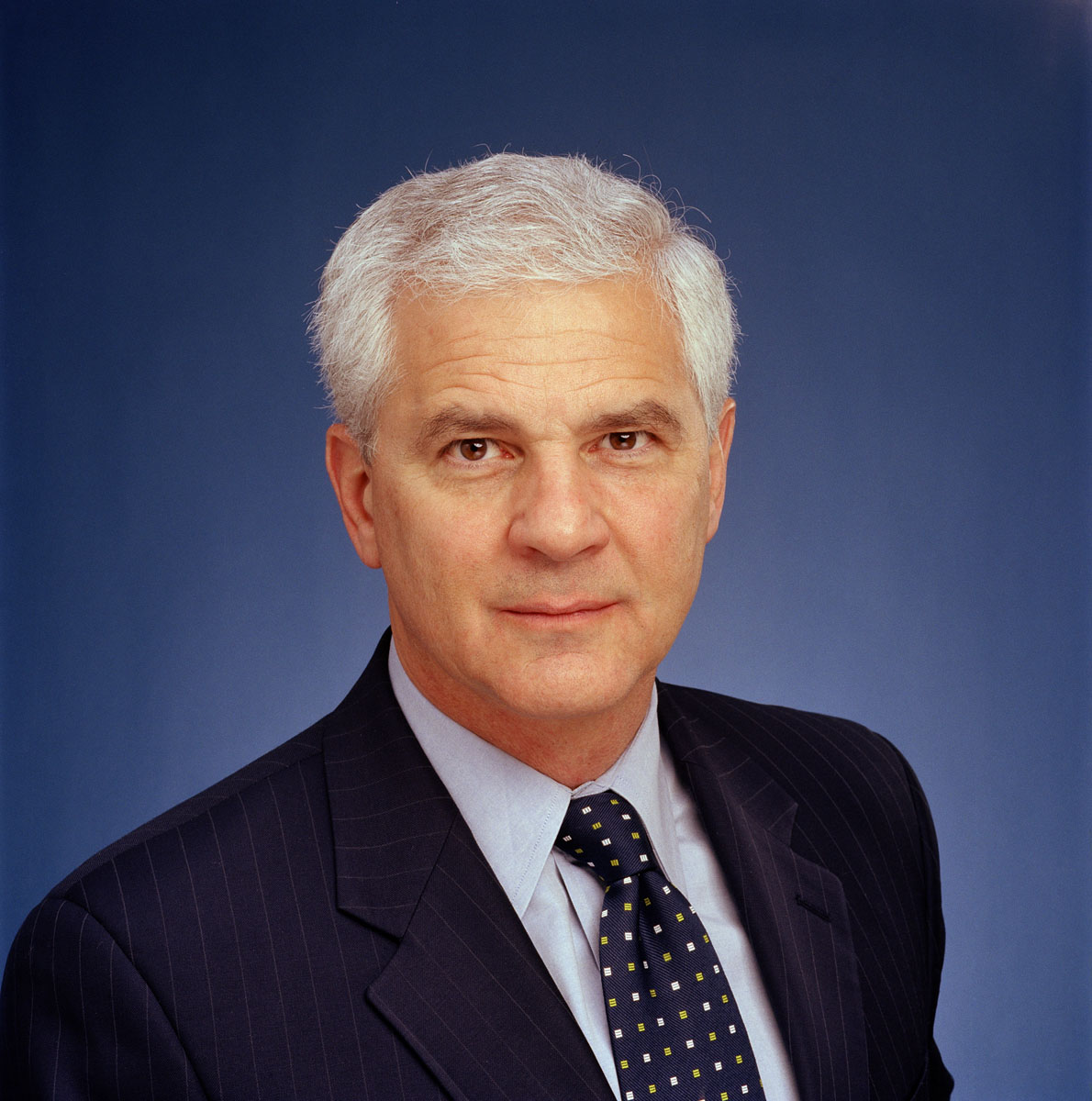
Jon B. Wolfsthal, deputy director of the Nonproliferation Project at the Carnegie Endowment for International Peace, contributed this comment to The Moscow Times.
Additional Resources:
Click here to return to ProliferationNews.org

Former Nonresident Scholar, Nuclear Policy Program
Jon Wolfsthal was a nonresident scholar with the Nuclear Policy Program.
Recent Work


George Perkovich, Jessica Tuchman Mathews, Joseph Cirincione, …
Jon Wolfsthal
Carnegie does not take institutional positions on public policy issues; the views represented herein are those of the author(s) and do not necessarily reflect the views of Carnegie, its staff, or its trustees.