

In The Media
Minxin Pei
{
  "authors": [
    "Minxin Pei"
  ],
  "type": "legacyinthemedia",
  "centerAffiliationAll": "dc",
  "centers": [
    "Carnegie Endowment for International Peace"
  ],
  "collections": [],
  "englishNewsletterAll": "asia",
  "nonEnglishNewsletterAll": "",
  "primaryCenter": "Carnegie Endowment for International Peace",
  "programAffiliation": "AP",
  "programs": [
    "Asia"
  ],
  "projects": [],
  "regions": [
    "China"
  ],
  "topics": []
}
Source: Getty
With President Hu Jintao's record, one might assume that he should face little opposition in installing his favoured successors at the party’s congress. But politics in Beijing is never so simple. When it comes to succession politics, China still has a long way to evolve politically.
Source: Financial Times

To some extent, Mr Hu and his team have had exceptionally good luck: China’s political and business cycles were in sync. When he rose to the top in November 2002, the Chinese economy was about to climb out of the stagnant deflationary phase brought on by the 1997 east Asian financial crisis and China’s painful industrial restructuring. Since then, an investment-powered economic upswing has enabled Mr Hu to pursue a policy shift, at least in rhetoric, from growth to social equity.
With his record, one might assume that Mr Hu should face little opposition in installing his favoured successors at the party’s congress. But politics in Beijing is never so simple. When it comes to succession politics, China still has a long way to evolve politically. Lacking procedural transparency and democratic legitimacy, China’s ruling party must engage, once every five years, in a Byzantine game of bargaining and posturing to select new leaders. Without the unchallenged personal authority enjoyed by Mao Zedong and Deng Xiaoping, Mr Hu has no choice but to play a game of horse-trading.
Such political intrigue keeps China-watchers busy but distracts from the pressing policy decisions Beijing faces. However, the headline outcome of the congress – the appointment of Mr Hu’s possible successors – will have practically no effect on how China fares in the next five years, while succession- induced paralysis will most certainly delay the key decisions imperative to China’s future stability.
Of the policy decisions that must be made quickly, exchange rate reform tops the list. China’s quasi-fixed exchange rate regime is fuelling inflation and an asset bubble at home while stoking protectionism abroad. Regardless of the misplaced pressures from the US Congress on China to revalue as a quick fix for the Sino-American trade imbalances, Beijing would be well-advised to adopt a more flexible exchange rate regime for its own good. Unfortunately, the rules of politics in Beijing work against risk-taking, especially in the ultra-sensitive times of picking successors. Excessive caution among the key figures jockeying for power is further compounded by the exaggerated fears of unknown risks associated with important policy moves. Whether it is revaluation or imposing a fuel tax to moderate energy demand, Chinese leaders have tended to prevaricate and accept the known risks (rising trade tensions, inflation and soaring energy consumption) even though existing policies are unsustainable.
With the 2008 Beijing Olympics looming, obsession with political stability and the desire to project the best possible image to the outside world can only prolong the paralysis even beyond the installation of the full new leadership team at the National People’s Congress next March. The imbalances will, in all likelihood, increase further. The speculative bubble in the Chinese stock market could grow bigger before it finally bursts (most probably immediately after the Beijing Olympics when the government no longer feels the pressure to prop up stock prices).
The economic consequences – falling consumer demand, diminished household wealth, rising bad bank loans and reduced corporate investment – will most likely endanger Mr Hu’s goal of guiding China’s growth towards a more balanced and equitable path. Since he called for this, the government has achieved only modest results. The state has abolished regressive taxes in the countryside, moderately increased social spending and begun to explore ways to repair China’s tattered social safety net. But the macroeconomic imbalances – excessive investment and ballooning external surpluses – persist. Environmental degradation continues. Income inequality is widening.
The best outcome for Mr Hu is that he succeeds in fully establishing his authority at the 17th congress, breaks the political gridlock and boldly moves forward with long-delayed reforms. He may have no other choice. No Chinese leader wants the congress to be the last party before the storm
This article was originally published in Financial Times on October 12, 2007
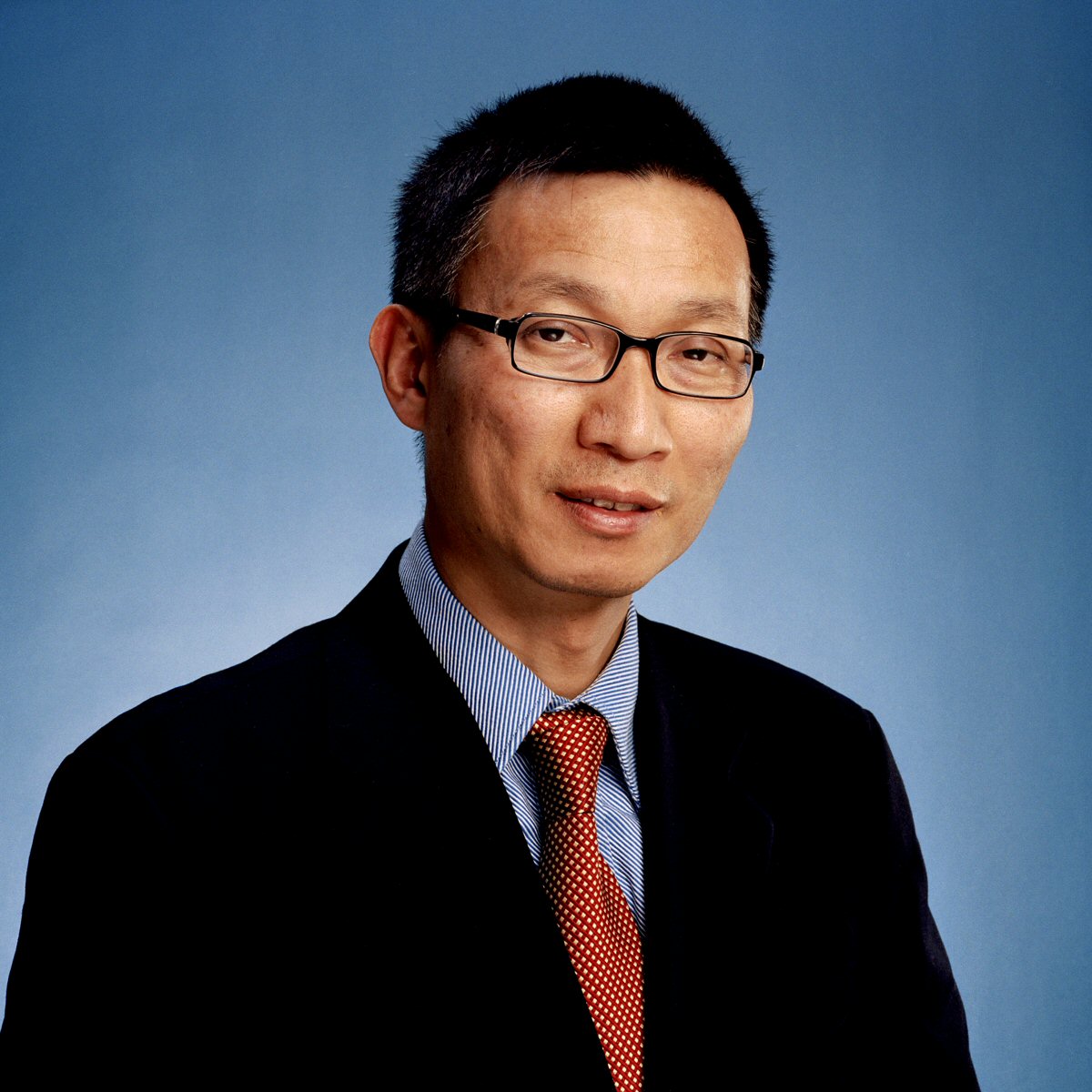
Former Adjunct Senior Associate, Asia Program
Pei is Tom and Margot Pritzker ‘72 Professor of Government and the director of the Keck Center for International and Strategic Studies at Claremont McKenna College.
Recent Work
Minxin Pei
Minxin Pei
Carnegie does not take institutional positions on public policy issues; the views represented herein are those of the author(s) and do not necessarily reflect the views of Carnegie, its staff, or its trustees.

The hybrid warfare landscape is evolving rapidly, leaving policymakers without clear strategies. To better inform their work in addressing emerging challenges, governments must dig deeper into the underlying dynamics at play.


Raluca Csernatoni, Alicia Wanless

As geopolitical rivalry weaponizes global supply chains, the EU’s true vulnerability lies in emerging-risk imports. For these goods, suppliers are growing more concentrated, substitution more difficult, and political risk is looming.

Sinan Ülgen

Amid uncertainty caused by the Iran war, the global drive for nonproliferation has stalled. With Europe diplomatically marginalized and countries reassessing their nuclear options, efforts to curb the spread of nuclear weapons risk becoming irrelevant.

Jane Darby Menton
Between the United States’ market-driven approach and China's state-led industrial strategy, Europe is reckoning with how it can remain competitive in the global economy. But is Europe in danger of becoming a U.S. or China colony?
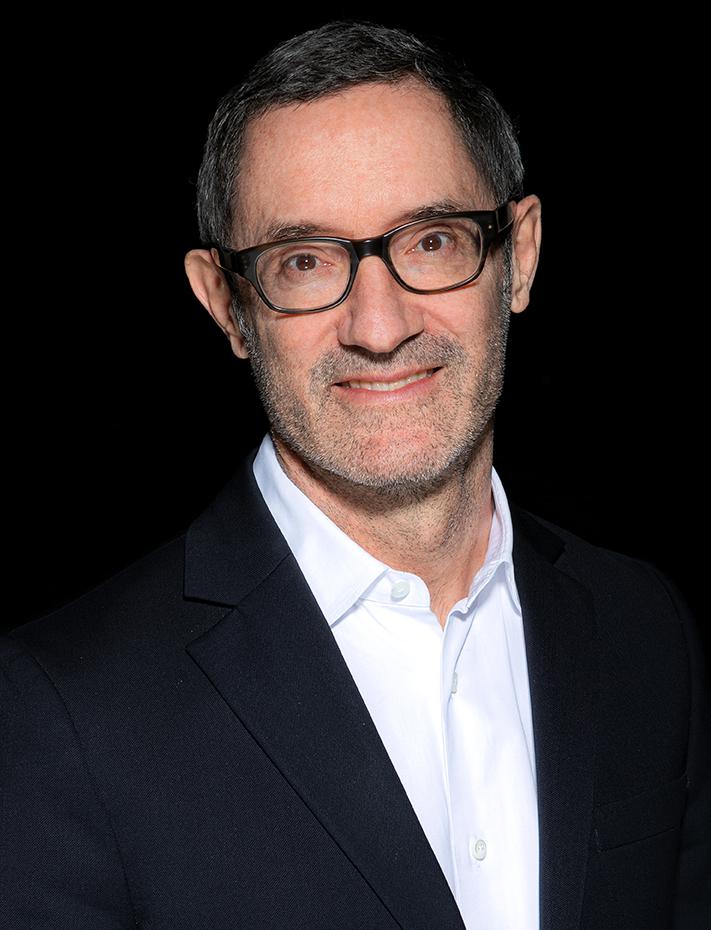

Noah Barkin, Anu Bradford
For years, the United States anchored global cyber diplomacy. As Washington rethinks its leadership role, the launch of the UN’s Cyber Global Mechanism may test how allies adjust their engagement.


Patryk Pawlak, Chris Painter