

Commentary
In Ukraine, Gaza, and Iran, AI warfare has come to dominate, with barely any oversight or accountability. Europe must lead the charge on the responsible use of new military technologies.
Raluca Csernatoni
{
  "authors": [],
  "type": "pressRelease",
  "centerAffiliationAll": "dc",
  "centers": [
    "Carnegie Endowment for International Peace"
  ],
  "collections": [
    "U.S. Nuclear Policy"
  ],
  "englishNewsletterAll": "ctw",
  "nonEnglishNewsletterAll": "",
  "primaryCenter": "Carnegie Endowment for International Peace",
  "programAffiliation": "NPP",
  "programs": [
    "Nuclear Policy"
  ],
  "projects": [],
  "regions": [
    "North America",
    "United States"
  ],
  "topics": [
    "Nuclear Policy"
  ]
}
REQUIRED IMAGE
The Carnegie Endowment for International Peace announced today that it has been chosen to serve as the U.S.–based Associated Research Centre for the International Commission on Non-proliferation and Disarmament.
WASHINGTON, Sept 26—The Carnegie Endowment for International Peace announced today that it has been chosen to serve as the U.S.–based Associated Research Centre for the International Commission on Non-proliferation and Disarmament.
Making the announcement, the Endowment’s President, Jessica T. Mathews, said:
“We are honored to have been chosen to serve as the U.S. research hub of this important Commission. We are also pleased that George Perkovich, Carnegie’s vice president for studies, will be a member of the Commission’s advisory panel and drafting committee, and Alexei Arbatov, from the Carnegie Moscow Center, will serve as a Commissioner. The Carnegie Nonproliferation Program has been a central element of the Endowment’s work and a leading producer of new ideas and cutting edge analysis for decades. Our multinational presence and working relationships with many key governments gives us a unique capacity to engage and collaborate with others from relevant regions. We look forward to helping the International Commission in every way we can.”
The International Commission on Non-proliferation and Disarmament, which will report on ways to rid the world of nuclear weapons, was announced yesterday by Australian Prime Minister Kevin Rudd and Japanese Prime Minister Taro Aso. Headed by a former foreign minister of Australia, Gareth Evans, and a former foreign minister of Japan, Yoriko Kawaguchi, the Commission will discuss the three closely interconnected issues of nuclear disarmament, nonproliferation, and the peaceful uses of nuclear energy, and produce reports to contribute to the debate on these issues in the context of the 2010 NPT Review Conference and beyond.
The Commission itself will be globally representative, comprised of members with high level political experience, and will meet up to six times over a two-year period, with its major report targeted for publication in January 2010.
The seven Associated Centres will be expected to:
###

Carnegie does not take institutional positions on public policy issues; the views represented herein are those of the author(s) and do not necessarily reflect the views of Carnegie, its staff, or its trustees.
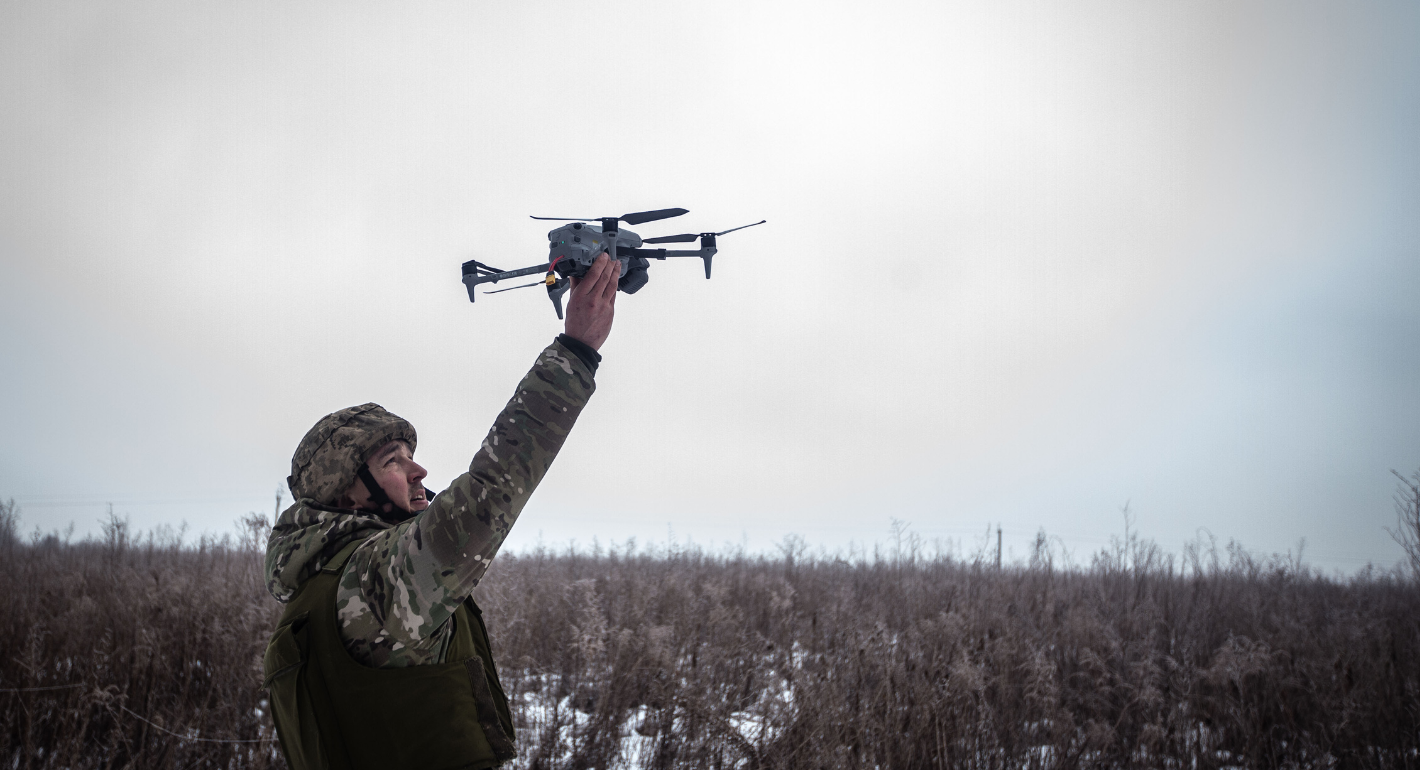
In Ukraine, Gaza, and Iran, AI warfare has come to dominate, with barely any oversight or accountability. Europe must lead the charge on the responsible use of new military technologies.

Raluca Csernatoni
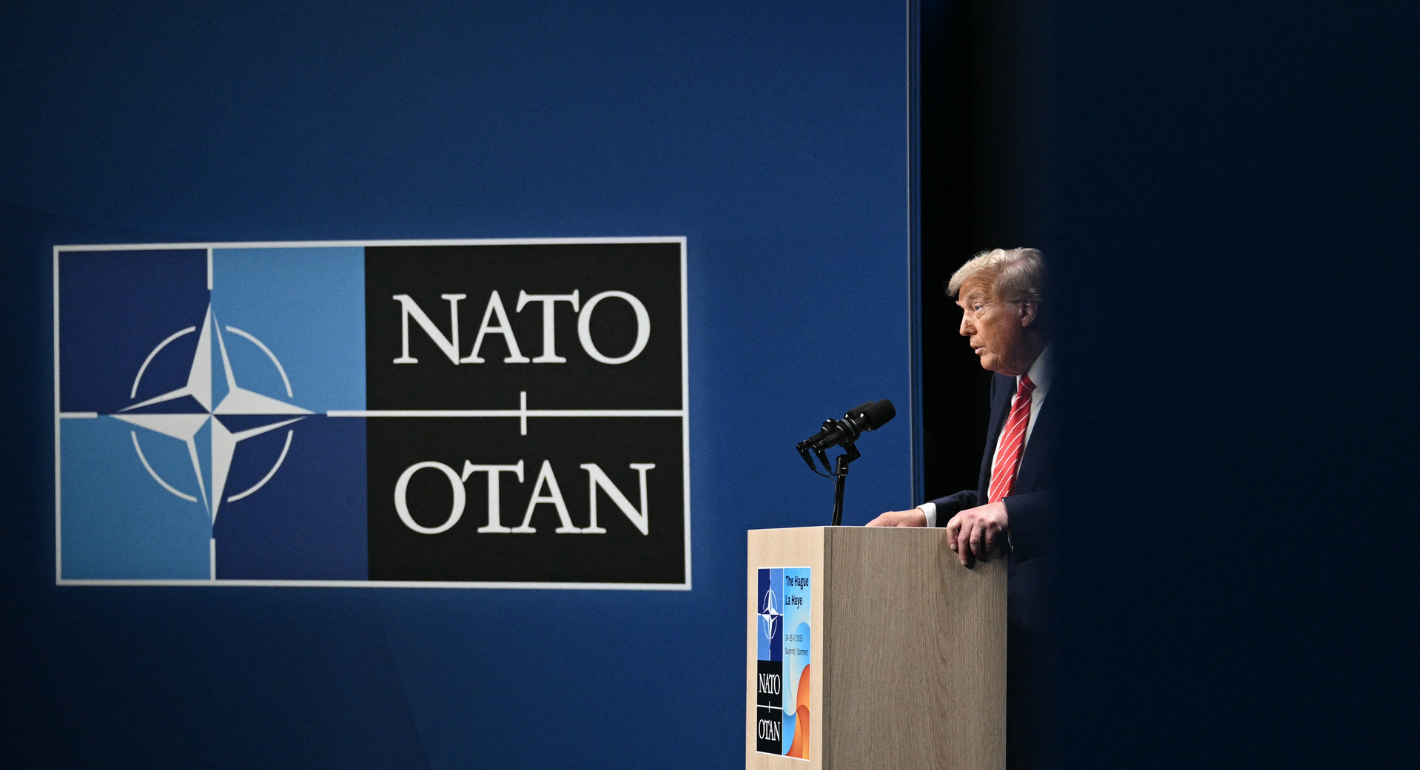
Donald Trump has repeatedly bashed NATO and European allies, threatening to annex Canada and Greenland and deploring their lack of enthusiasm for his war of choice in Iran. Is this latest round of abuse the final straw?

Rym Momtaz, ed.
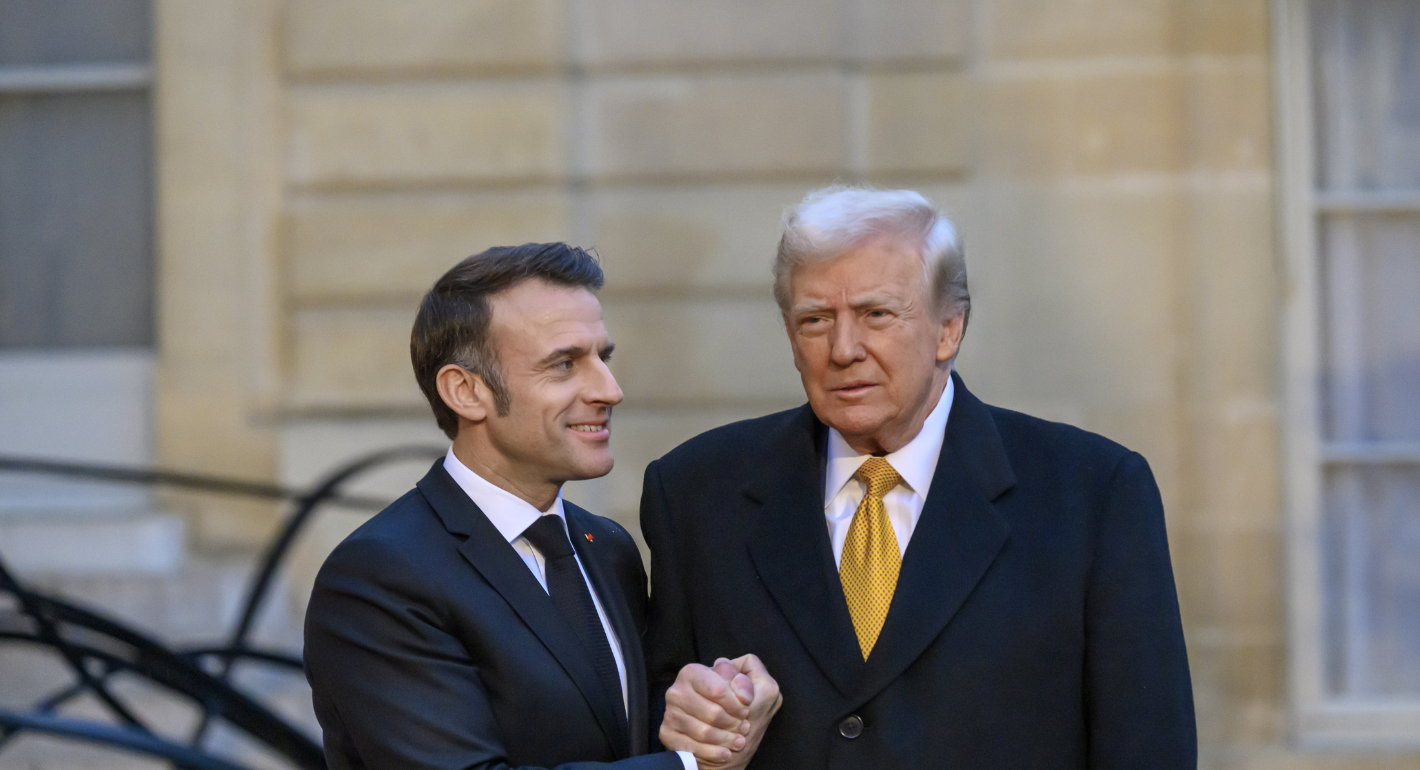
Donald Trump’s repudiation of NATO goes against the Make America Great Again vision of a U.S.-centered foreign policy. If the goal is to preserve the alliance by boosting Europe’s commitments, leaning into France’s vision is the most America First way forward.
Rym Momtaz

The wars in Ukraine and the Middle East are existential threats to Europe as a peace project. Leaders and citizens alike must reaffirm their solidarity to face up to today’s multifaceted challenges.

Marc Pierini

The U.S.-sponsored TRIPP deal is driving the Armenia-Azerbaijan peace process forward. But foreign and domestic hurdles remain before connectivity and economic interdependence can open up the South Caucasus.



Thomas de Waal, Areg Kochinyan, Zaur Shiriyev