

Commentary
The EU’s new migration policy is not suited to today’s realities. With climate change increasingly becoming a driver of displacement, Europe needs to rethink its deterrence-focused approach.
Shana Tabak
{
  "authors": [],
  "type": "pressRelease",
  "centerAffiliationAll": "dc",
  "centers": [
    "Carnegie Endowment for International Peace"
  ],
  "collections": [],
  "englishNewsletterAll": "menaTransitions",
  "nonEnglishNewsletterAll": "",
  "primaryCenter": "Carnegie Endowment for International Peace",
  "programAffiliation": "MEP",
  "programs": [
    "Middle East"
  ],
  "projects": [],
  "regions": [
    "Middle East",
    "Israel",
    "Palestine"
  ],
  "topics": []
}
REQUIRED IMAGE
Efforts to move the Israeli–Palestinian peace process forward will fail if the U.S. continues to marginalize or ignore Hamas. A national unity government—which would require a slower approach to the peace process and depends on difficult concessions—is the only promising solution.
WASHINGTON, June 3—Efforts to move the Israeli–Palestinian peace process forward will fail if the United States continues to marginalize or ignore Hamas. A national unity government—which would require a slower approach to the peace process than the Obama administration would like and depends on difficult concessions—is the only promising solution, explains a new commentary by Nathan Brown.
Key Conclusions:
Brown concludes:
“The new leadership in Washington is refreshingly bold in its tactics but far more conventional in its strategies. Its new approach (especially on settlements) has already attracted attention in the region. But thus far its public policy toward Gaza remains unrealistic: demanding that Hamas change and treating the movement as if it does not exist until it does so. It is difficult to envision how the Obama administration’s initiatives can gain full traction until it develops more realistic ideas on Gaza."
###
NOTES
Carnegie does not take institutional positions on public policy issues; the views represented herein are those of the author(s) and do not necessarily reflect the views of Carnegie, its staff, or its trustees.

The EU’s new migration policy is not suited to today’s realities. With climate change increasingly becoming a driver of displacement, Europe needs to rethink its deterrence-focused approach.

Shana Tabak
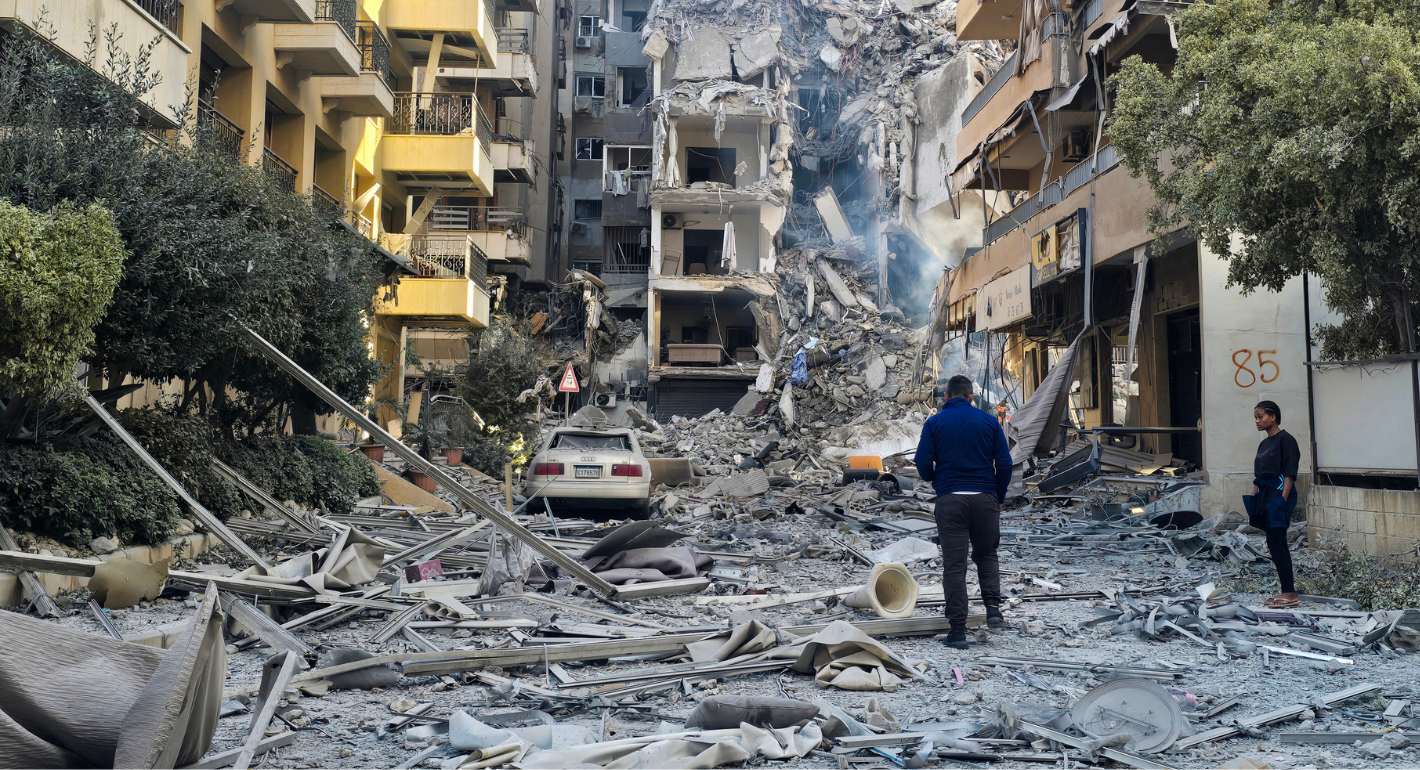
Europe seems to have accepted its sidelining in the Middle East. The EU must reassert its support for the international rules-based order and step up engagement.

Rym Momtaz

Amid uncertainty caused by the Iran war, the global drive for nonproliferation has stalled. With Europe diplomatically marginalized and countries reassessing their nuclear options, efforts to curb the spread of nuclear weapons risk becoming irrelevant.

Jane Darby Menton

Five countries staged the biggest political boycott in Eurovision history over Israel’s participation. With the FIFA World Cup and other sporting or cultural touchstones on the horizon, are boycotts effective?
Rym Momtaz, ed.
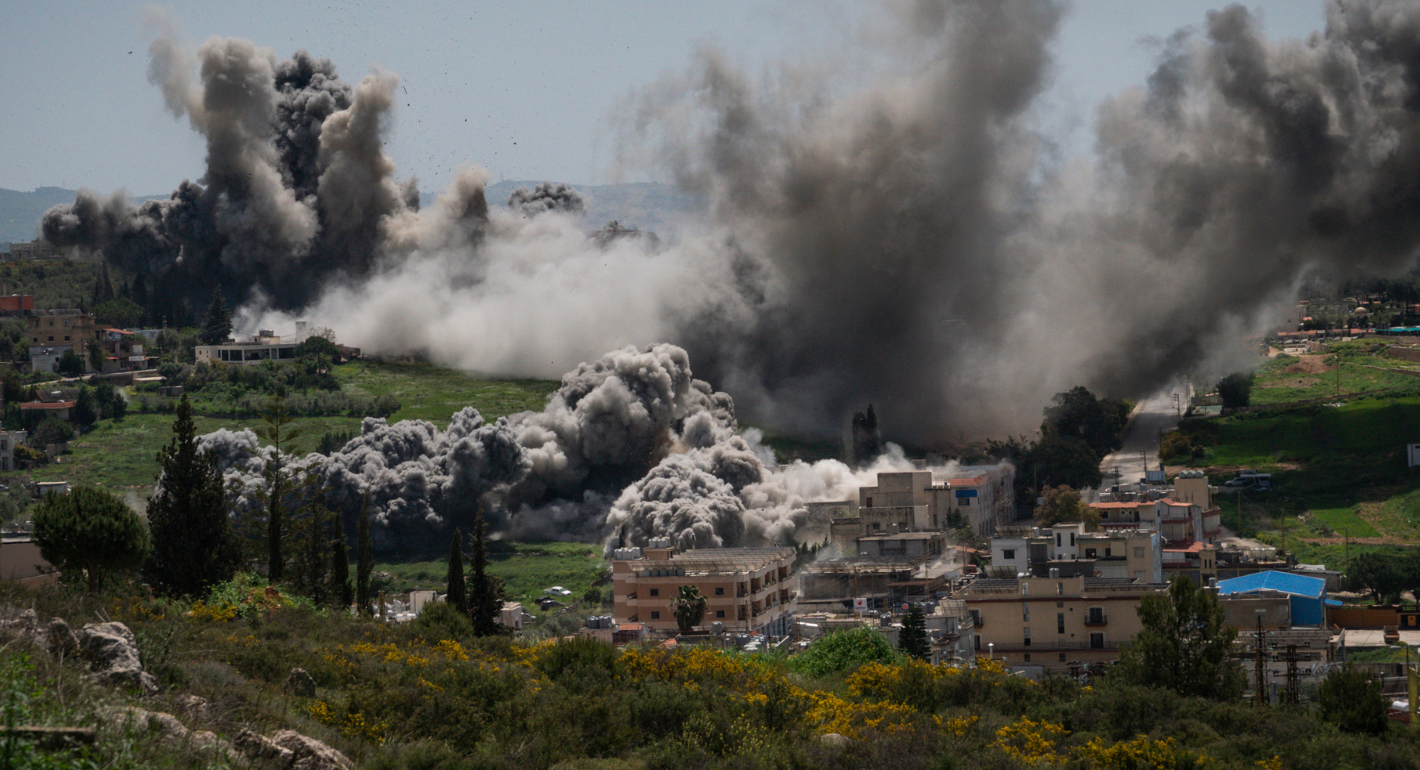
Europe has been standing by while its Southern neighborhood is being redrawn by force. To establish a path to peace between Israel and Lebanon, it’s time for Europeans to get involved with hard power.
Rym Momtaz