

Other
- +18
James M. Acton, Saskia Brechenmacher, Cecily Brewer, …
{
  "authors": [
    "James M. Acton"
  ],
  "type": "legacyinthemedia",
  "centerAffiliationAll": "dc",
  "centers": [
    "Carnegie Endowment for International Peace"
  ],
  "collections": [],
  "englishNewsletterAll": "ctw",
  "nonEnglishNewsletterAll": "",
  "primaryCenter": "Carnegie Endowment for International Peace",
  "programAffiliation": "NPP",
  "programs": [
    "Nuclear Policy"
  ],
  "projects": [],
  "regions": [
    "East Asia",
    "Japan"
  ],
  "topics": [
    "Nuclear Policy",
    "Nuclear Energy"
  ]
}
Source: Getty
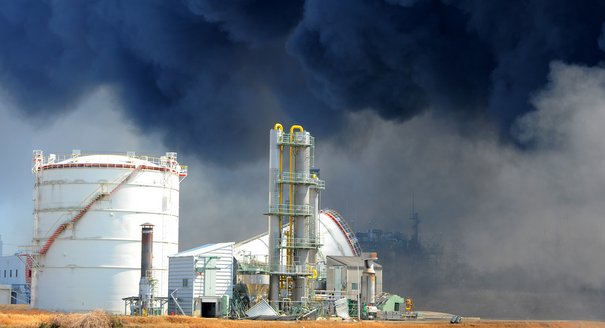
As Japan rebuilds after the devastating earthquake, tsunami, and nuclear crisis, its nuclear engineers should reconsider the safety standards of the country’s reactors and seriously consider the likelihood of a reactor facing a disaster it was not designed to withstand.
Source: Kyodo News

About 30 percent of Japan's electricity comes from nuclear power. Turning off this capacity is realistically not an option.
However, nuclear power can and should be made safer. Twice in four years, Japanese nuclear power plants have been hit by bigger disasters than they were designed to handle. On July 16, 2007, a magnitude-6.8 earthquake shook the Kashiwazaki-Kariwa Nuclear Power Plant in Niigata Prefecture beyond its design limit. Fortunately, the safety systems worked and only non-critical systems were damaged.
Although the outcome of the crisis at the Fukushima Daiichi Power Plant will be immeasurably worse, its cause was similar to the much smaller accident at Kashiwazaki-Kariwa: neither plant was designed to deal with the forces of nature they were subject to. From the moment the massive tsunami overwhelmed the sea walls at Fukushima Daiichi and knocked out the backup diesel generators that were providing power to the cooling systems, reactor operators were always going to be faced with monumental problems.
Nuclear reactors can be designed to withstand disasters. But, the safety of even the most modern and sophisticated reactor cannot be guaranteed if it is certified to withstand a magnitude-8 earthquake and is hit by a magnitude-9. The 2007 and 2011 earthquakes demonstrate that this problem must be urgently addressed.
The Japanese government should immediately commission a panel of independent scientific experts to examine the ''design basis'' for Japanese reactors. They should be tasked with assessing the risk of any Japanese nuclear reactor being struck by a bigger disaster than it is capable of withstanding.
They must consider the full range of possibilities: natural disasters such as earthquakes, tsunamis, floods and hurricanes, and man-made events such as airplane strikes and terrorism. And, most importantly, they should be tasked with recommending steps to address whatever deficiencies they identify. The Japanese people deserve no less.

Jessica T. Mathews Chair, Co-director, Nuclear Policy Program
Acton holds the Jessica T. Mathews Chair and is co-director of the Nuclear Policy Program at the Carnegie Endowment for International Peace.
Recent Work

James M. Acton, Saskia Brechenmacher, Cecily Brewer, …
James M. Acton
Carnegie does not take institutional positions on public policy issues; the views represented herein are those of the author(s) and do not necessarily reflect the views of Carnegie, its staff, or its trustees.
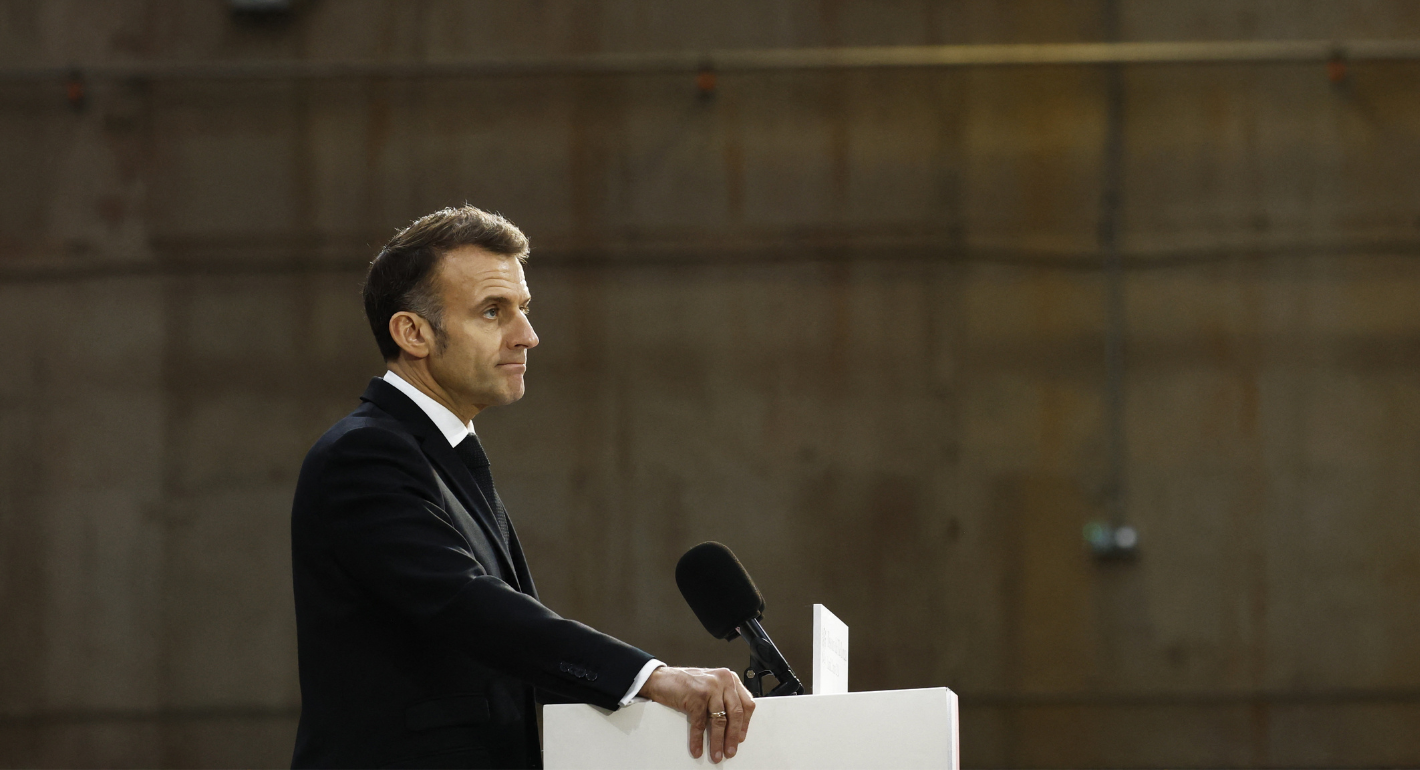
French President Emmanuel Macron has unveiled his country’s new nuclear doctrine. Are the changes he has made enough to reassure France’s European partners in the current geopolitical context?

Rym Momtaz, ed.
For years, the United States anchored global cyber diplomacy. As Washington rethinks its leadership role, the launch of the UN’s Cyber Global Mechanism may test how allies adjust their engagement.

Patryk Pawlak, Chris Painter
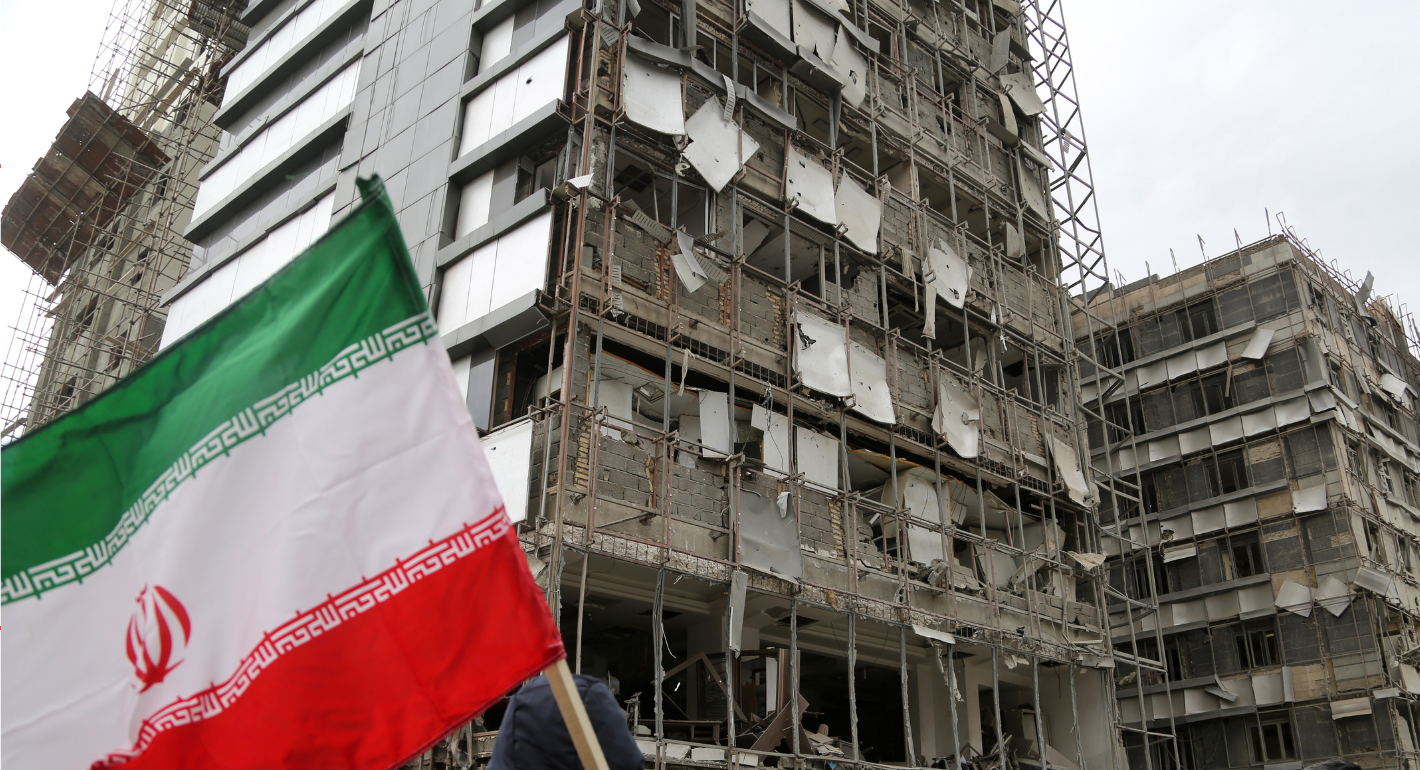
Europe’s reaction to the war in Iran has been disunited and meek, a far cry from its previously leading role in diplomacy with Tehran. To avoid being condemned to the sidelines while escalation continues, Brussels needs to stand up for international law.

Pierre Vimont
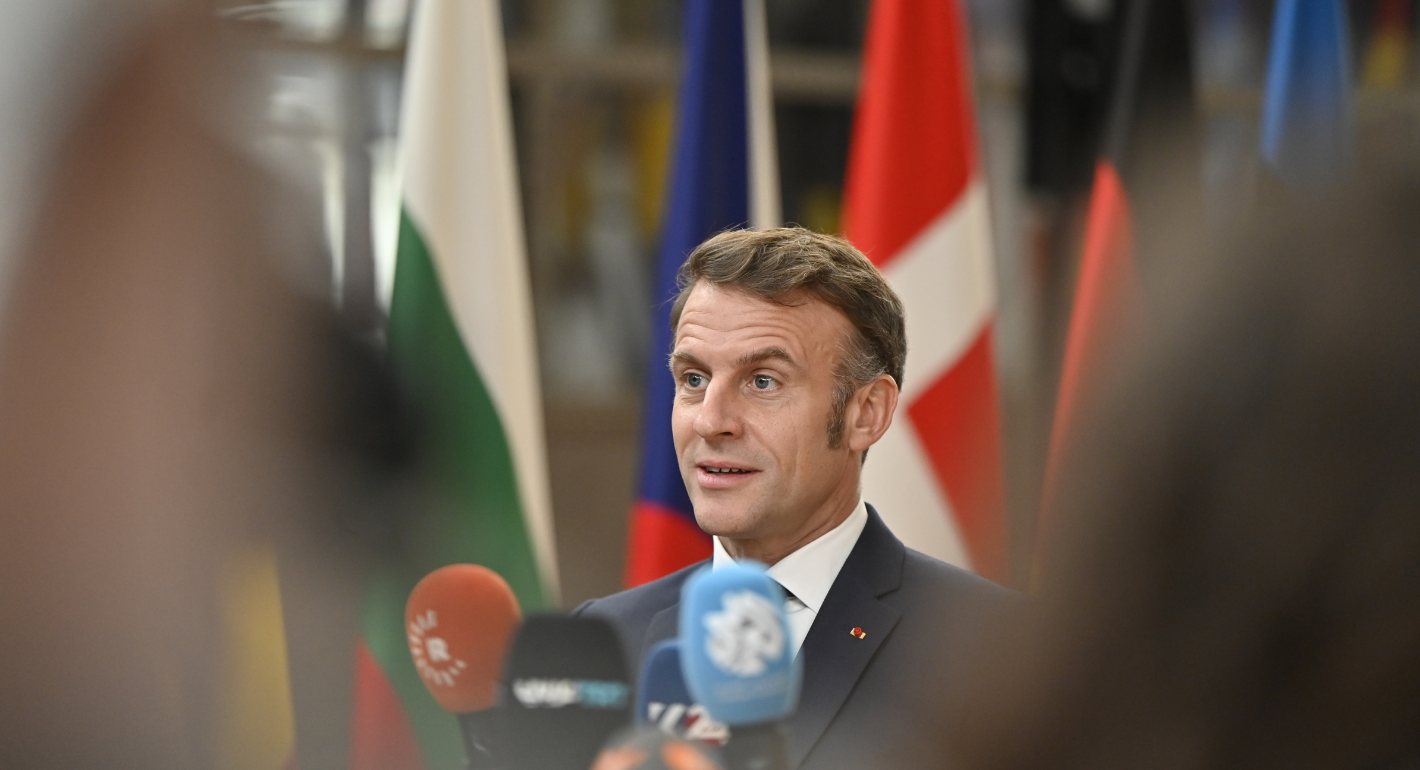
France has stopped clinging to notions of being a great power and is embracing the middle power moment. But Emmanuel Macron has his work cut out if he is to secure his country’s global standing before his term in office ends.
Rym Momtaz

In Donald Trump’s second term in office, the transatlantic relationship that helped define the postwar European project and global order appears broken. Is it time for Brussels to chart its own path?

Nathalie Tocci, Jan Techau