

Commentary
The EU’s new migration policy is not suited to today’s realities. With climate change increasingly becoming a driver of displacement, Europe needs to rethink its deterrence-focused approach.
Shana Tabak
{
  "authors": [],
  "type": "other",
  "centerAffiliationAll": "",
  "centers": [
    "Carnegie Endowment for International Peace"
  ],
  "collections": [],
  "englishNewsletterAll": "",
  "nonEnglishNewsletterAll": "",
  "primaryCenter": "Carnegie Endowment for International Peace",
  "programAffiliation": "",
  "programs": [],
  "projects": [],
  "regions": [
    "North Africa",
    "Egypt"
  ],
  "topics": []
}
Source: Getty
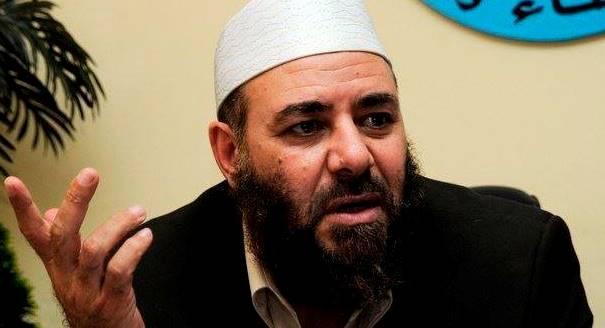
A backgrounder on the Building and Development Party.
This resource was published on 9/20/2011 and is not updated to reflected changing circumstances.
The Building and Development Party (al-Banna’ wa al-Tanmiyya) is the official political party of the Egyptian al-Gama’a al-Islamiyya (the Islamic Group). It was founded by the prominent Islamist Tareq al-Zumr following the January 2011 uprising. Al-Banna’ wa al-Tanmiyya was a member of the Democratic Alliance until it left on October 14, 2011, accusing the Brotherhood of monopolizing the political process and not dealing with them in good faith. The party won a number of seats in the 2011-2012 parliamentary elections as a member of the Islamist Alliance.
Tareq al-Zumr: Founder
Safwat Abd al-Ghani: Founder
Al-Shazli al-Sagher: Founder
Ashraf Tawfiq: Founder
Mohammed Essam Derbala: President of the Shura Council of the Egyptian al-Gama’a al-Islamiyya
Osama Hafez: Vice president of the Shura Council of the Egyptian al-Gama’a al-Islamiyya
On June 20, 2011, the Egyptian al-Gama’a al-Islamiyya announced the establishment of its official political wing, al-Banna’ wa al-Tanmiyya. The party was founded by a number of prominent members of al-Gama’a Islamiyya in Egypt, including Tareq al-Zumr and Safwat Abd al-Ghani. Tareq al-Zumr made headlines in Egypt in March 2011 when he was released from prison along with Aboud al-Zumr, after the two spent thirty years in prison for planning President Anwar al-Sadat’s assassination.
The party’s founders stated that their group has accepted the principles of political pluralism and equality and has renounced all forms of violence. On September 19, the Political Parties Affairs Committee denied the party a license because its platform was deemed “purely religious.” Al-Banna’ wa al-Tanmiyya finally gained official recognition as a political party in October 2011.
Carnegie does not take institutional positions on public policy issues; the views represented herein are those of the author(s) and do not necessarily reflect the views of Carnegie, its staff, or its trustees.

The EU’s new migration policy is not suited to today’s realities. With climate change increasingly becoming a driver of displacement, Europe needs to rethink its deterrence-focused approach.

Shana Tabak
2026 has started in crisis, as the actions of unpredictable leaders shape an increasingly volatile global environment. To shift from crisis response to strategic foresight, what under-the-radar issues should the EU prepare for in the coming year?

Thomas de Waal
Despite the strategic importance of relations between the EU and the African Union, deep divisions remain between the blocs. At their upcoming summit, both partners should strive to build a mutually beneficial cooperation.
Marta Martinelli
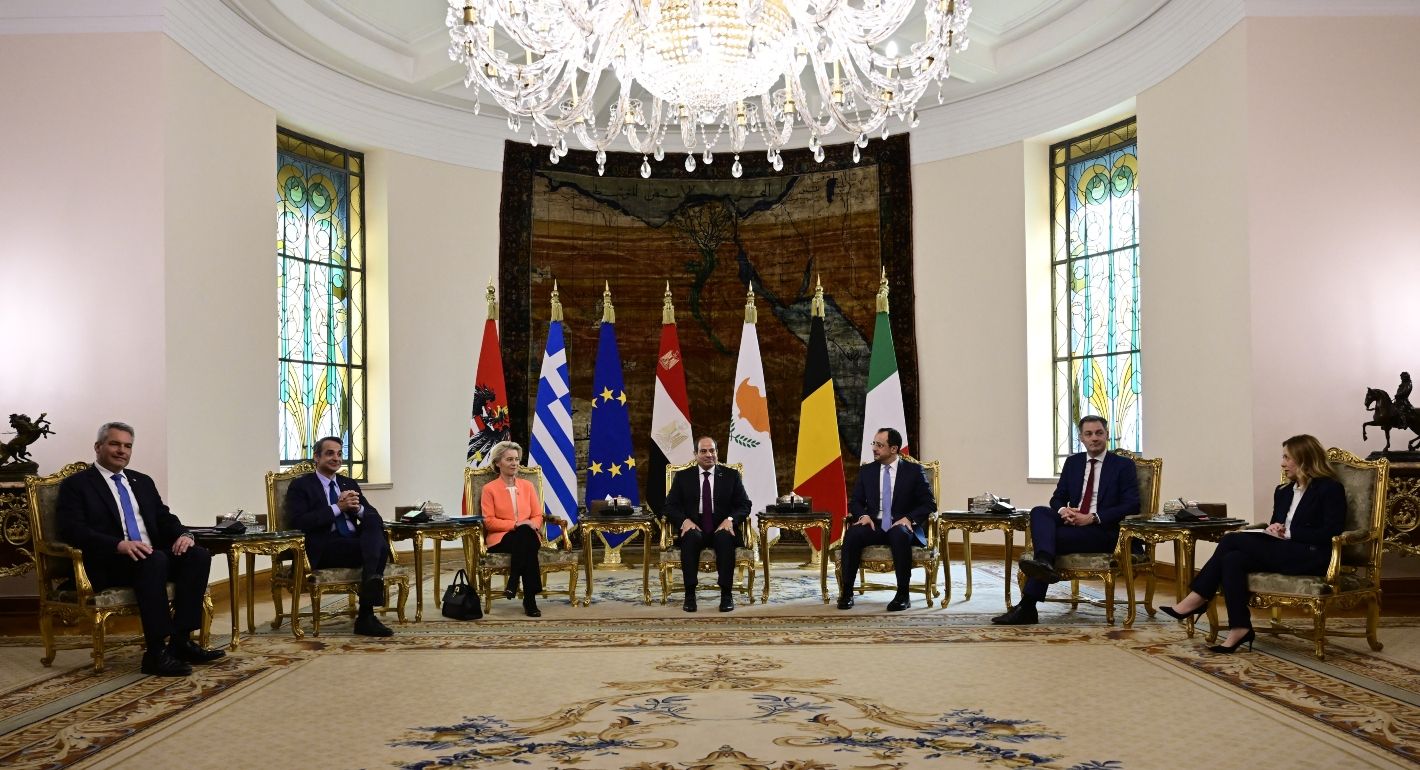
The EU’s new Pact for the Mediterranean aims to reshape the bloc’s relations with its Southern neighborhood. But the initiative lacks concrete measures to address societal divides and the region’s pressing challenges.

Richard Youngs
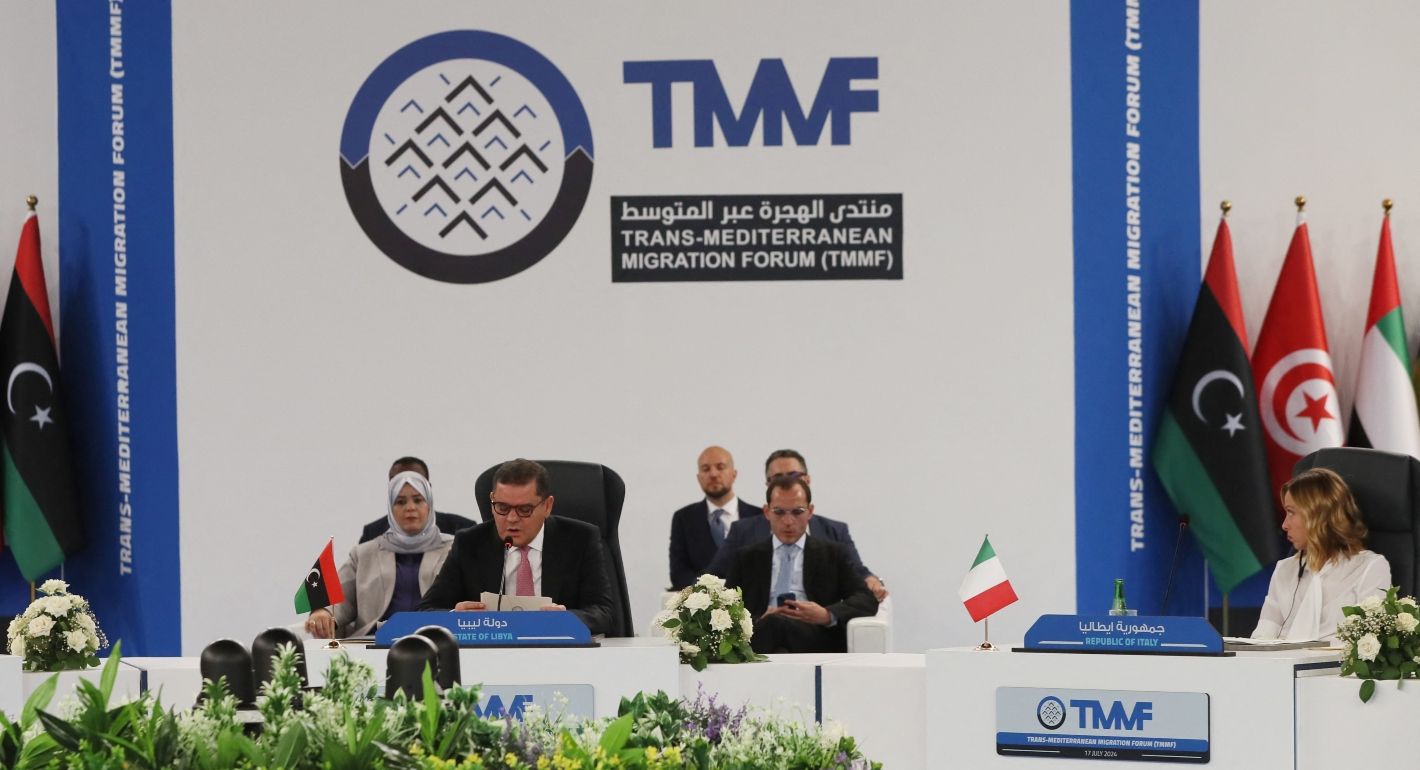
As the EU prepares a new pact for its Southern neighborhood, the union should balance economic and security interests with support for civil society, political reforms, and inclusive governance.
Hussein Baoumi