

Commentary
The EU’s new migration policy is not suited to today’s realities. With climate change increasingly becoming a driver of displacement, Europe needs to rethink its deterrence-focused approach.
Shana Tabak
{
  "authors": [],
  "type": "other",
  "centerAffiliationAll": "",
  "centers": [
    "Carnegie Endowment for International Peace"
  ],
  "collections": [],
  "englishNewsletterAll": "",
  "nonEnglishNewsletterAll": "",
  "primaryCenter": "Carnegie Endowment for International Peace",
  "programAffiliation": "",
  "programs": [],
  "projects": [],
  "regions": [
    "North Africa",
    "Egypt"
  ],
  "topics": []
}
Source: Getty
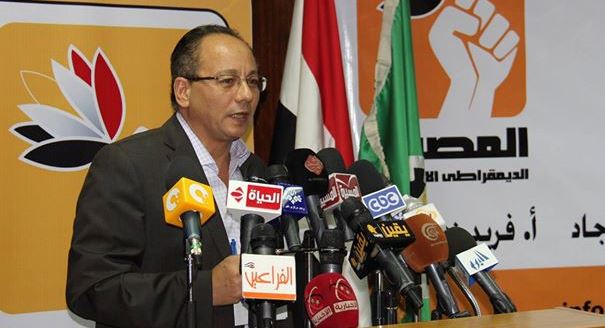
A backgrounder on the Egyptian Social Democratic Party
This resource was published on 11/04/2011 and is not updated to reflect changing circumstances.
The Egyptian Social Democratic Party is a liberal party with an emphasis on social-democratic principles in its platform, straddling the fine line between free enterprise and social justice. It was a founding member of the Egypt Bloc and the second largest party in the Bloc in representation on electoral lists. During the administration of former president Mohamed Morsi, the Egyptian Social Democratic Party played a leading role in the opposition. After Morsi’s ouster by the military on July 3, 2013, a member of the party’s leadership, Dr. Hazem el-Beblawi, became prime minister in the interim government.
Mohamed Abou El-Ghar: Founding member and member of the party’s Board of Trustees
Emad Gad: Founding member and member of the party’s administrative committee
Farid Zahran: Founding member and member of the party’s administrative committee
Ziyad al-Elaimy: Founding member and member of the party’s administrative committee
Hany Naguib: Executive Director of the party’s administrative committee
Hazem el-Beblawi: Member of the party’s Board of Trustees
The Egyptian Social Democratic Party was founded in March 2011 following the January 2011 uprising. After submitting the paperwork in June, the party was given official recognition on July 3, 2011.
Amr Hamzawy was a founding member of the Egyptian Social Democratic Party, but broke off from the party in April 2011 to form the Egypt Freedom Party after disagreements over a statement released by the Egyptian Social Democratic Party. The Egyptian Social Democratic Party was a member of the Egypt Bloc alliance. Disputes between the Bloc and Hamzawy’s Egypt Freedom Party over electoral lists led to the latter withdrawing from the Egypt Bloc.
Carnegie does not take institutional positions on public policy issues; the views represented herein are those of the author(s) and do not necessarily reflect the views of Carnegie, its staff, or its trustees.

The EU’s new migration policy is not suited to today’s realities. With climate change increasingly becoming a driver of displacement, Europe needs to rethink its deterrence-focused approach.

Shana Tabak
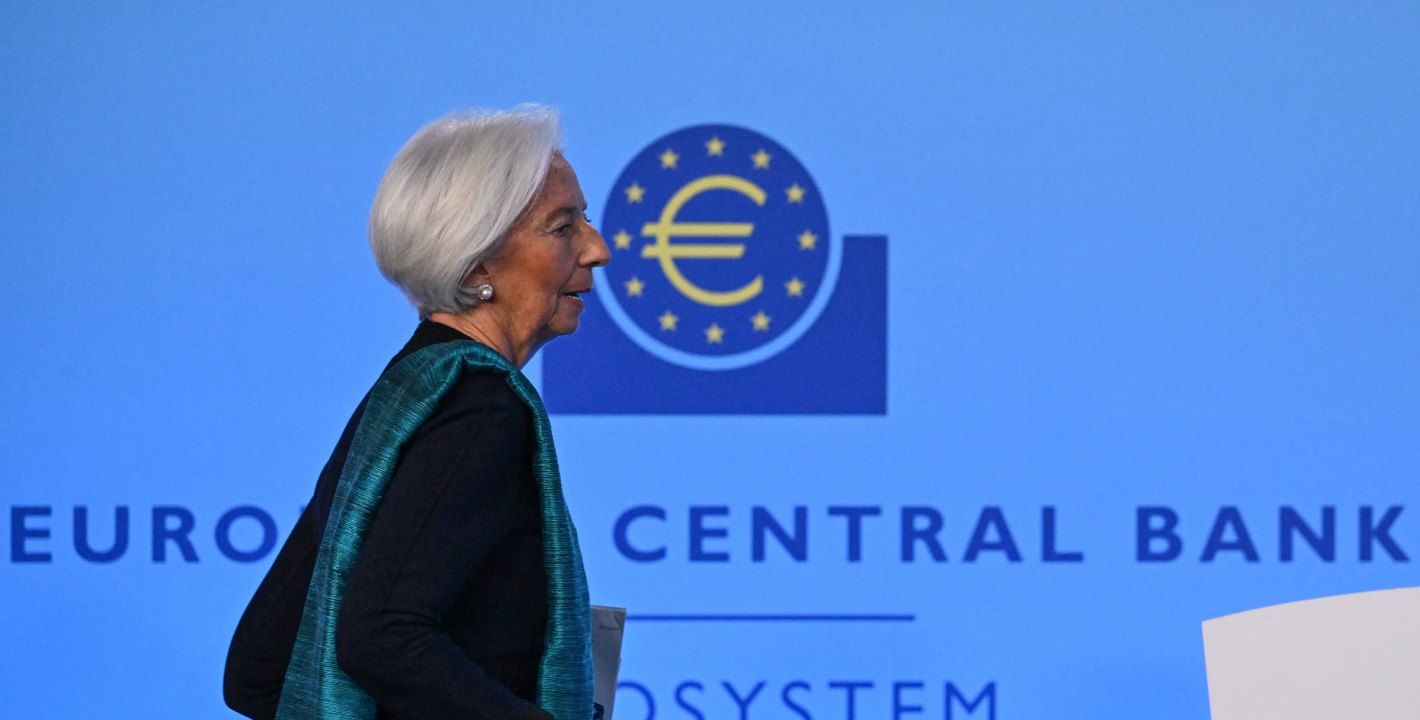
2026 has started in crisis, as the actions of unpredictable leaders shape an increasingly volatile global environment. To shift from crisis response to strategic foresight, what under-the-radar issues should the EU prepare for in the coming year?

Thomas de Waal
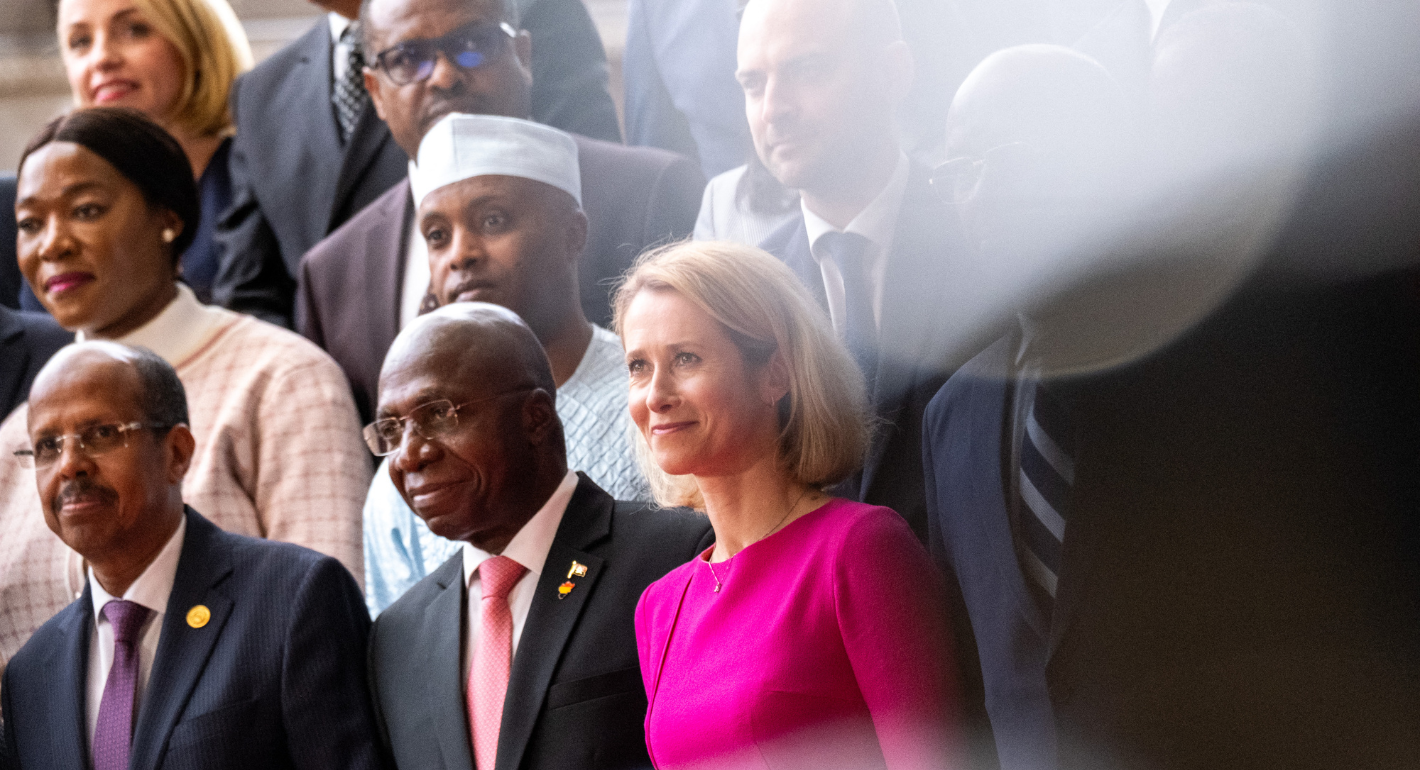
Despite the strategic importance of relations between the EU and the African Union, deep divisions remain between the blocs. At their upcoming summit, both partners should strive to build a mutually beneficial cooperation.
Marta Martinelli
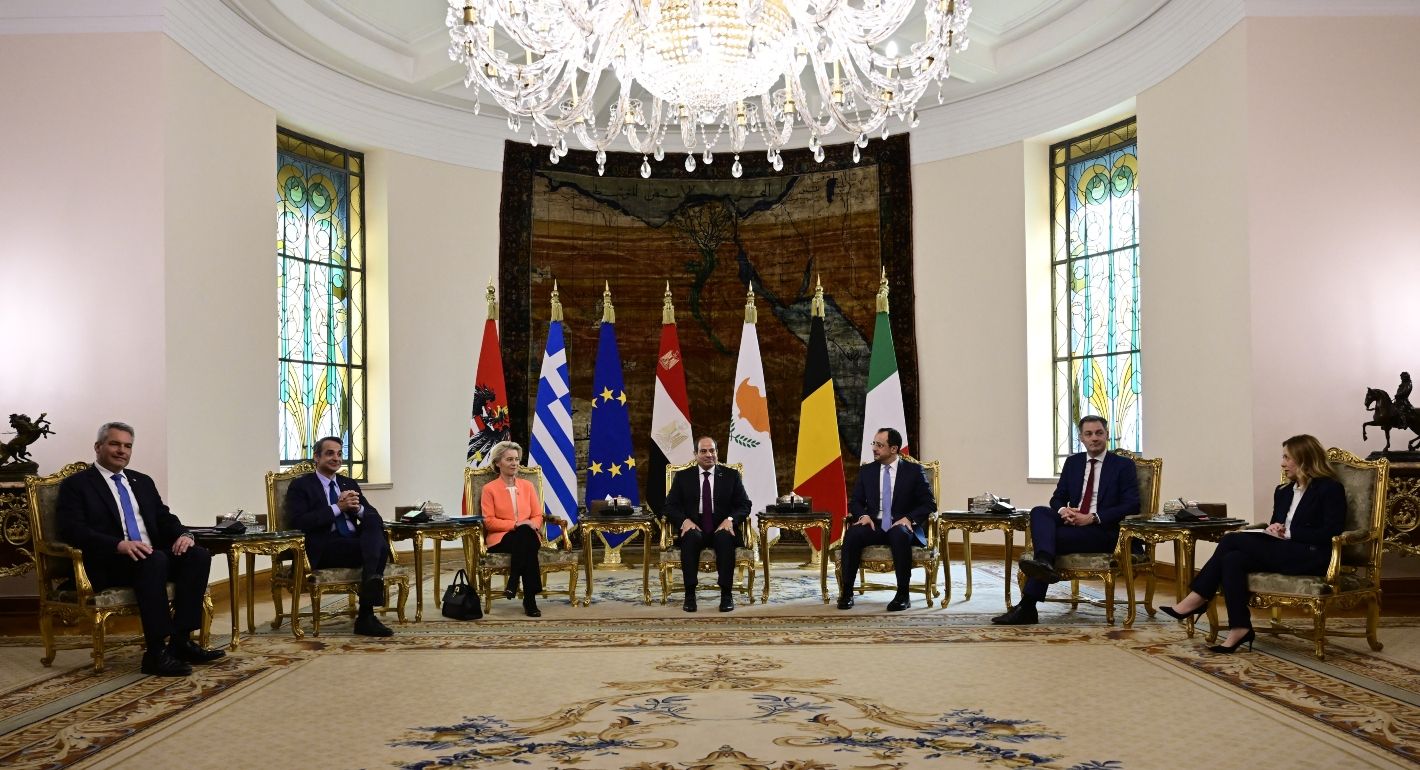
The EU’s new Pact for the Mediterranean aims to reshape the bloc’s relations with its Southern neighborhood. But the initiative lacks concrete measures to address societal divides and the region’s pressing challenges.

Richard Youngs
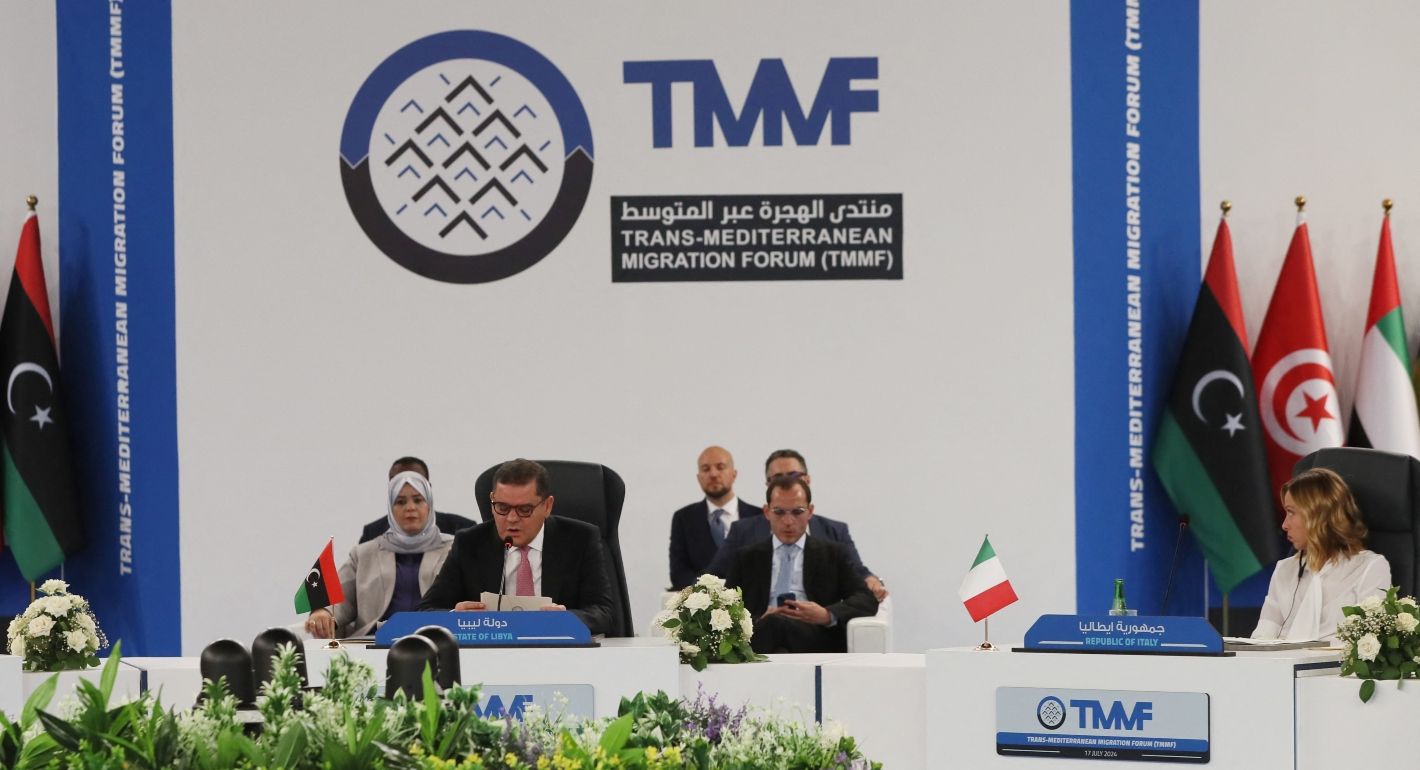
As the EU prepares a new pact for its Southern neighborhood, the union should balance economic and security interests with support for civil society, political reforms, and inclusive governance.
Hussein Baoumi