• Research
  • Strategic Europe
  • About
  • Experts
Carnegie Europe logoCarnegie lettermark logo
EUUkraine
  • Donate
{
  "authors": [
    "Mark Hibbs"
  ],
  "type": "legacyinthemedia",
  "centerAffiliationAll": "dc",
  "centers": [
    "Carnegie Endowment for International Peace",
    "Carnegie Europe",
    "Carnegie Russia Eurasia Center"
  ],
  "collections": [
    "Korean Peninsula"
  ],
  "englishNewsletterAll": "ctw",
  "nonEnglishNewsletterAll": "",
  "primaryCenter": "Carnegie Endowment for International Peace",
  "programAffiliation": "NPP",
  "programs": [
    "Nuclear Policy"
  ],
  "projects": [
    "Eurasia in Transition"
  ],
  "regions": [
    "Middle East",
    "Iran",
    "South Asia",
    "India",
    "Pakistan",
    "East Asia",
    "Japan",
    "North Korea"
  ],
  "topics": [
    "Nuclear Policy",
    "Nuclear Energy"
  ]
}

Source: Getty

In The Media

Nuclear Energy 2011: A Watershed Year

The cumulative impact of the nuclear developments that occurred in 2012, from the disaster in Fukushima to Iran's continuing nuclear program, will make the world's nuclear future more uncertain.

Link Copied
By Mark Hibbs
Published on Jan 9, 2012
Project hero Image

Project

Eurasia in Transition

Learn More

Source: Bulletin of the Atomic Scientists

The year 2011 marked the first serious accident at a nuclear power plant in a quarter century. After the previous disaster at Chernobyl, the world’s nuclear industry axiomatically predicted that another accident—especially in an advanced country operating conventional light-water reactors—would spell the end of nuclear power everywhere. A year after three US-designed power reactors in Japan melted down in March, that hasn’t happened, but the real impact of the accident on the future of nuclear energy worldwide has yet to be felt. The accident focused attention on Japan for nearly half a year. As the threat gradually receded, the world’s focus shifted back to flashpoints where nuclear crises have been with us for a long time: Iran, North Korea, and South Asia. These weren’t resolved in 2011, and all three appear to be escalating. Two years after the United States recommitted itself to multilateral nuclear diplomacy in 2009, it became apparent that its recommitment was oversold and would not suffice to bridge serious divisions besetting Washington, Beijing, and Moscow—divisions that stand in the way of resolving nuclear crises in Iran and North Korea, or of effectively contributing to a de-escalation of an emerging nuclear arms race in South Asia.

About the Author

Mark Hibbs

Nonresident Senior Fellow, Nuclear Policy Program

Hibbs is a Germany-based nonresident senior fellow in Carnegie’s Nuclear Policy Program. His areas of expertise are nuclear verification and safeguards, multilateral nuclear trade policy, international nuclear cooperation, and nonproliferation arrangements.

    Recent Work

  • Article
    Dimming Prospects for U.S.-Russia Nonproliferation Cooperation
      • Nicole Grajewski Profile Picture
      • +1

      Toby Dalton, Mark Hibbs, Nicole Grajewski, …

  • Commentary
    What Comes After Russia’s Attack on a Ukrainian Nuclear Power Station?

      Mark Hibbs

Mark Hibbs
Nonresident Senior Fellow, Nuclear Policy Program
Mark Hibbs
Nuclear PolicyNuclear EnergyMiddle EastIranSouth AsiaIndiaPakistanEast AsiaJapanNorth Korea

Carnegie does not take institutional positions on public policy issues; the views represented herein are those of the author(s) and do not necessarily reflect the views of Carnegie, its staff, or its trustees.
More Work from Carnegie Europe

  • Commentary
    Strategic Europe
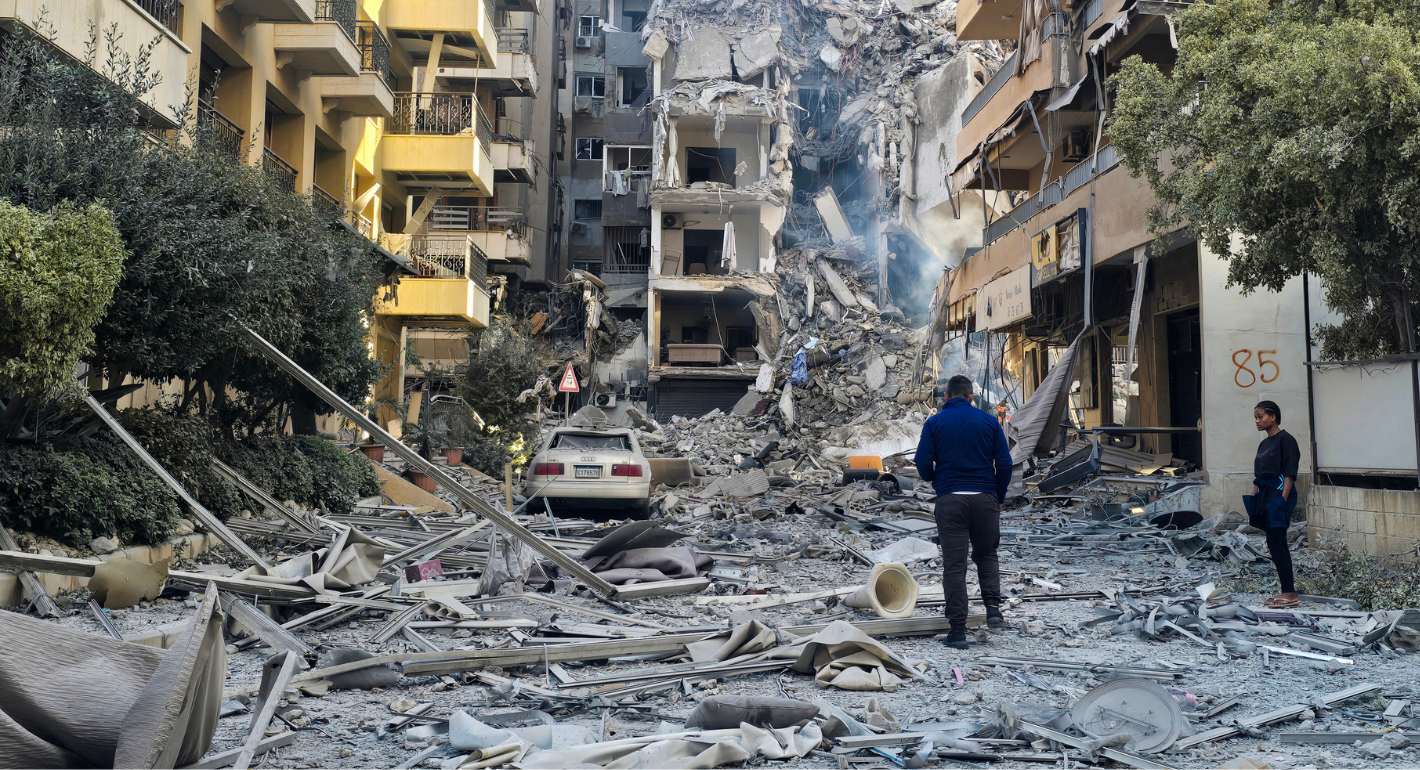
    The EU Needs a Third Way in Iran

    European reactions to the war in Iran have lost sight of wider political dynamics. The EU must position itself for the next phase of the crisis without giving up on its principles.

      Richard Youngs

  • Trump United Nations multilateralism institutions 2236462680
    Article
    Resetting Cyber Relations with the United States

    For years, the United States anchored global cyber diplomacy. As Washington rethinks its leadership role, the launch of the UN’s Cyber Global Mechanism may test how allies adjust their engagement.

      • Christopher Painter

      Patryk Pawlak, Chris Painter

  • Commentary
    Strategic Europe
    Europe on Iran: Gone with the Wind

    Europe’s reaction to the war in Iran has been disunited and meek, a far cry from its previously leading role in diplomacy with Tehran. To avoid being condemned to the sidelines while escalation continues, Brussels needs to stand up for international law.

      Pierre Vimont

  • Commentary
    Strategic Europe
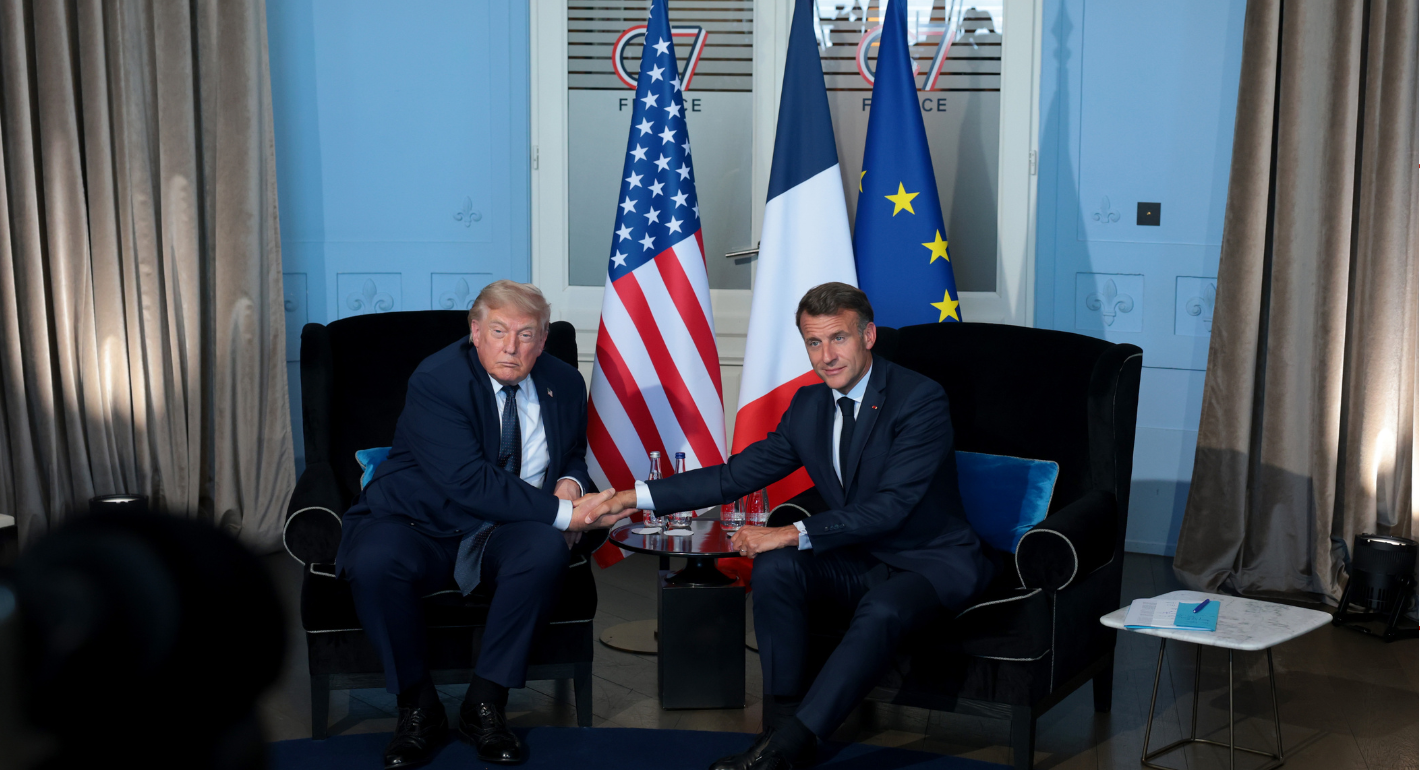
    Macron Makes France a Great Middle Power

    France has stopped clinging to notions of being a great power and is embracing the middle power moment. But Emmanuel Macron has his work cut out if he is to secure his country’s global standing before his term in office ends.

      • Rym Momtaz

      Rym Momtaz

  • Turkey Erdogan Caucasus Central Asia
    Article
    How Turkey Can Help the Economies of the South Caucasus to Diversify

    Over the past two decades, regional collaboration in the South Caucasus has intensified. Turkey and the EU should establish a cooperation framework to accelerate economic development and diversification.

      • Feride Inan
      • Güven Sak
      • Berat Yücel

      Feride İnan, Güven Sak, Berat Yücel

Get more news and analysis from
Carnegie Europe
Carnegie Europe logo, white
Rue du Congrès, 151000 Brussels, Belgium
  • Research
  • Strategic Europe
  • About
  • Experts
  • Projects
  • Events
  • Contact
  • Careers
  • Privacy
  • For Media
  • Gender Equality Plan
Get more news and analysis from
Carnegie Europe
© 2026 Carnegie Endowment for International Peace. All rights reserved.