

Q&A
Suzanne Maloney, Aaron David Miller, Karim Sadjadpour
{
  "authors": [
    "Karim Sadjadpour"
  ],
  "type": "legacyinthemedia",
  "centerAffiliationAll": "dc",
  "centers": [
    "Carnegie Endowment for International Peace"
  ],
  "collections": [
    "Arab Awakening"
  ],
  "englishNewsletterAll": "menaTransitions",
  "nonEnglishNewsletterAll": "",
  "primaryCenter": "Carnegie Endowment for International Peace",
  "programAffiliation": "MEP",
  "programs": [
    "Middle East"
  ],
  "projects": [],
  "regions": [
    "Middle East",
    "Iran",
    "Syria"
  ],
  "topics": [
    "Political Reform"
  ]
}
Source: Getty
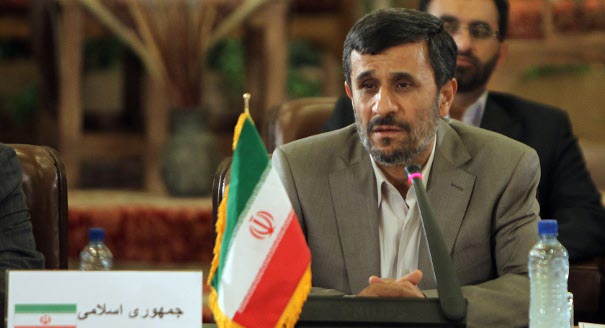
No country stands to lose more from the collapse of the Assad regime in Syria than its lone regional ally, the Islamic Republic of Iran.
Source: New York Times

The Iran-Syria alliance is a not a natural bond between nations, but a tactical-cum-strategic alliance between two authoritarian regimes. Mutual contempt for Saddam Hussein’s Iraq brought them together in 1980, and mutual fear and loathing (in that order) of the United States and Israel has helped sustain them.
Iran’s interests are to ensure that Syria remains a geo-political ally and a thoroughfare to Hezbollah. Given their lack of confidence that a Sunni-ruled, post-Assad order in Damascus would guarantee these interests, they’ve doubled and tripled down on Assad, even as civilian casualties in Syria approach 20,000. In this context, international diplomatic efforts by Kofi Annan or others to compel Tehran to abandon Assad are all but futile.In the words of Iranian envoy Saeed Jalili, who met Bashar Assad Tuesday in Damascus, “Iran will absolutely not allow the axis of resistance, of which it considers Syria to be a main pillar, to be broken in any way." In other words, if the ends are opposing the United States and Israel, almost any means can be justified.
Iran’s combination of agility and chutzpah, however, should not be underestimated. When the Assad regime finally loses Damascus, Tehran will likely try and take credit for his exit, and use their petro-dollars to cultivate and co-opt his successors, much like they did in Iraq after the fall of Saddam Hussein.
What’s important to Tehran is not the sectarian identity of the men who run Damascus, but their ideological outlook. Can they be partners in resistance?
In contrast to Iraq, however, where their Shiite brethren were a demographic majority, Iran will be working with an increasingly sectarian Sunni population whom they’ve been indirectly complicit in massacring the last two years.
Consequently, until then, Tehran will continue to advocate and pursue two objectives—Assad staying and calm restored—that are irreconcilable and bloody.
This article was originally published in the New York Times.

Senior Fellow, Middle East Program
Karim Sadjadpour is a senior fellow at the Carnegie Endowment for International Peace, where he focuses on Iran and U.S. foreign policy toward the Middle East.
Recent Work


Suzanne Maloney, Aaron David Miller, Karim Sadjadpour

Aaron David Miller, Karim Sadjadpour, Robin Wright
Carnegie does not take institutional positions on public policy issues; the views represented herein are those of the author(s) and do not necessarily reflect the views of Carnegie, its staff, or its trustees.

As the EU confronts profound challenges, several leaders have called for fundamental reform to the union’s model—but only modest, superficial changes have resulted. What if Europe really could be reimagined from zero today: What should such a redesigned European order look like?

Richard Youngs, ed.
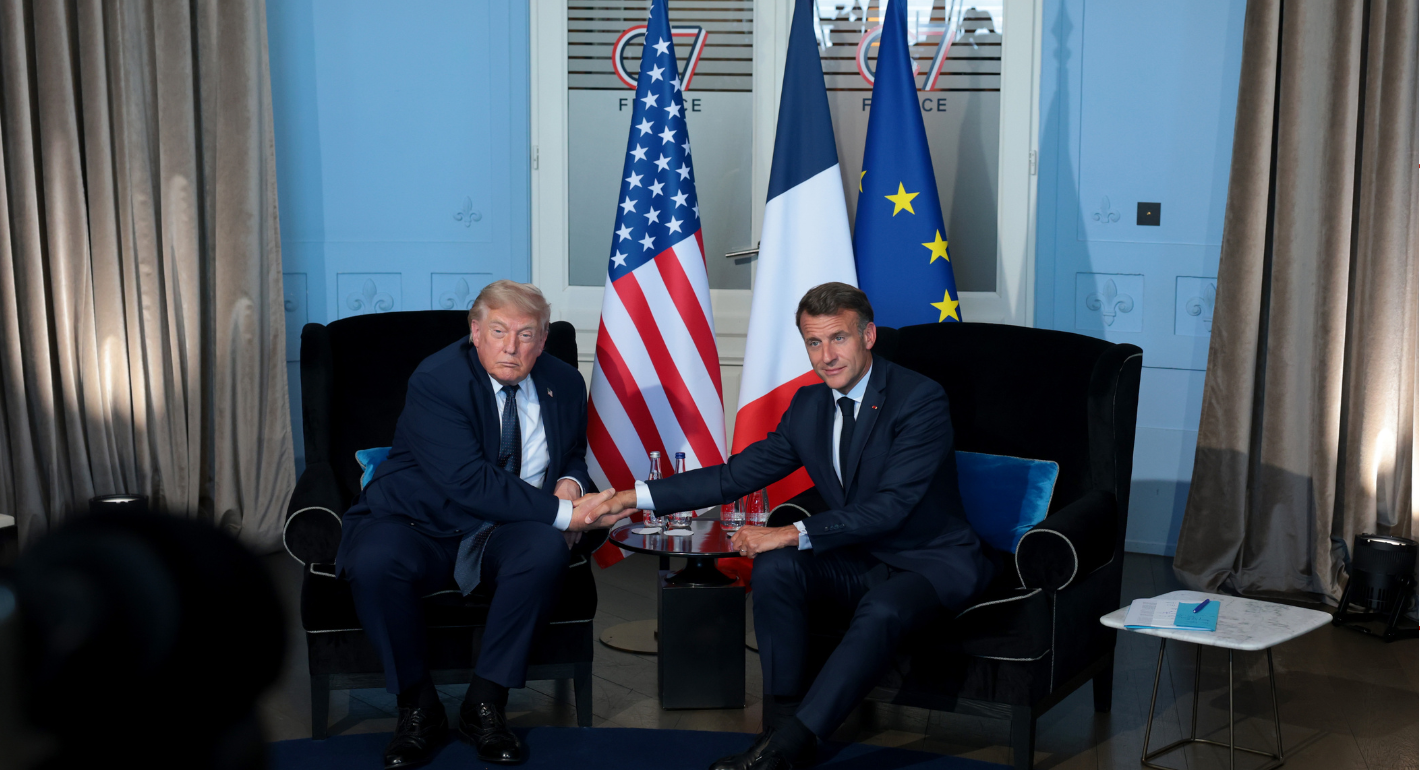
When the U.S.-Iran memorandum of understanding was announced, the UK, France, Germany, and Italy declared their readiness to help demine the Strait of Hormuz and lift nuclear sanctions on Tehran. But does Europe need new tools to recover a diplomatic role?

Rym Momtaz, ed.

The EU’s new migration policy is not suited to today’s realities. With climate change increasingly becoming a driver of displacement, Europe needs to rethink its deterrence-focused approach.

Shana Tabak
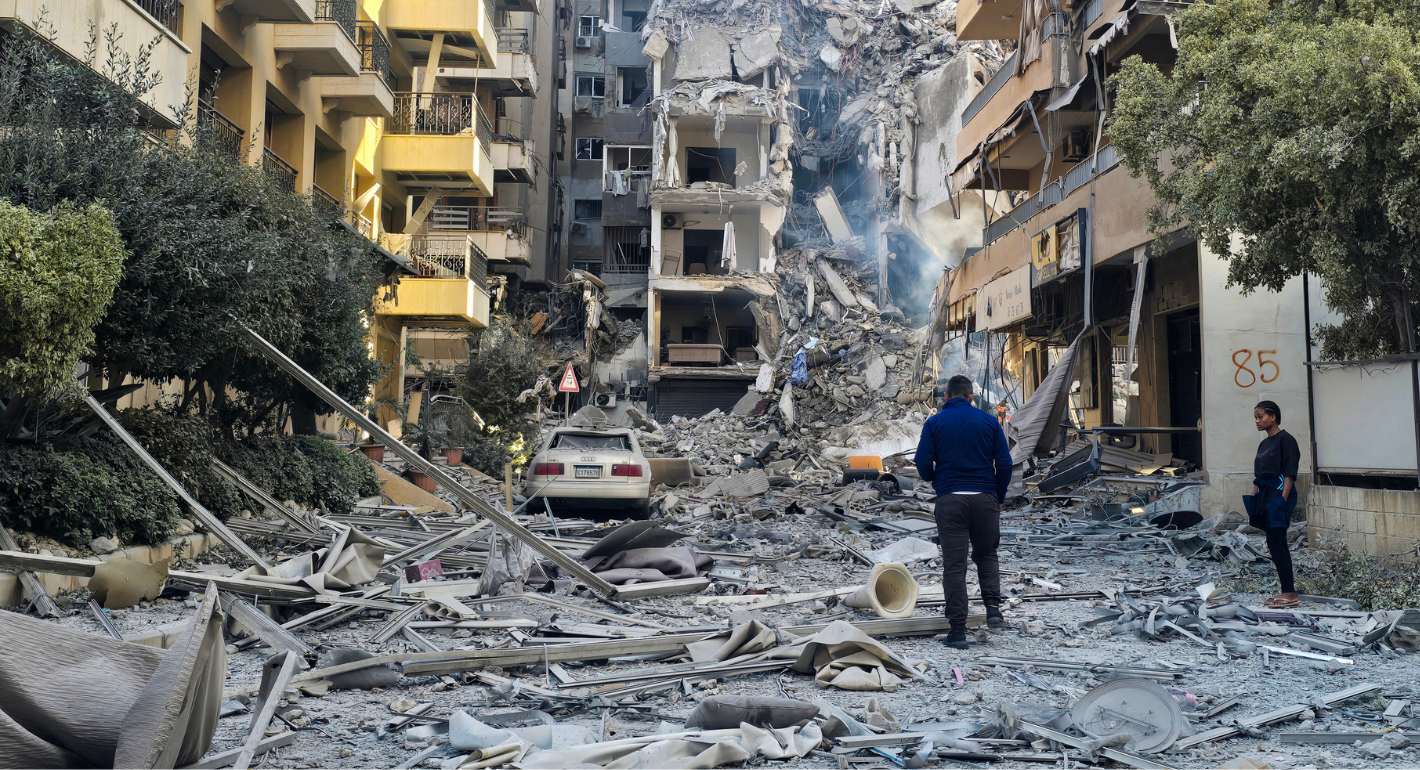
Europe seems to have accepted its sidelining in the Middle East. The EU must reassert its support for the international rules-based order and step up engagement.
Rym Momtaz

Amid uncertainty caused by the Iran war, the global drive for nonproliferation has stalled. With Europe diplomatically marginalized and countries reassessing their nuclear options, efforts to curb the spread of nuclear weapons risk becoming irrelevant.

Jane Darby Menton