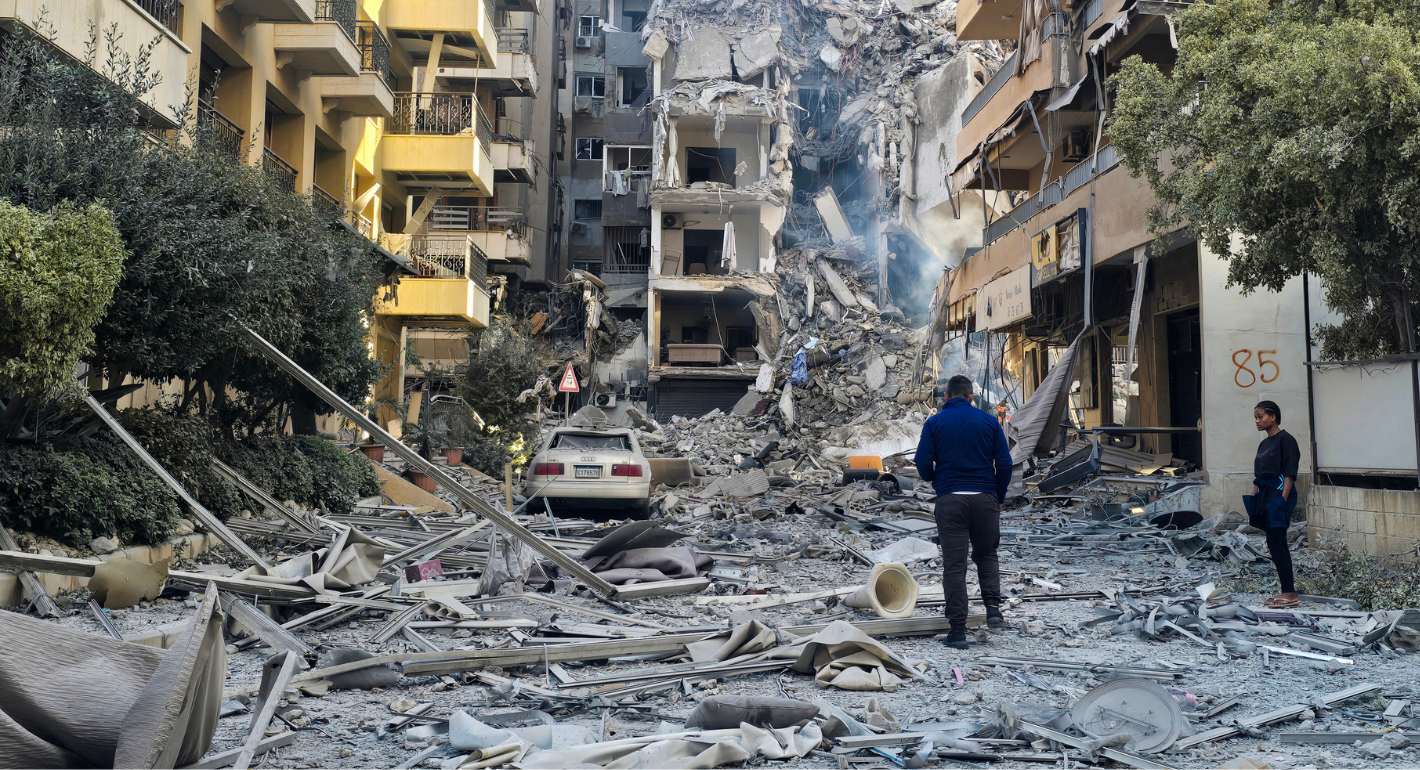

Europe has been standing by while its Southern neighborhood is being redrawn by force. To establish a path to peace between Israel and Lebanon, it’s time for Europeans to get involved with hard power.
Rym Momtaz
{
"authors": [
"Nima Gerami",
"Pierre Goldschmidt"
],
"type": "legacyinthemedia",
"centerAffiliationAll": "dc",
"centers": [
"Carnegie Endowment for International Peace"
],
"collections": [],
"englishNewsletterAll": "ctw",
"nonEnglishNewsletterAll": "",
"primaryCenter": "Carnegie Endowment for International Peace",
"programAffiliation": "NPP",
"programs": [
"Nuclear Policy"
],
"projects": [],
"regions": [
"Middle East",
"Iran"
],
"topics": [
"Nuclear Policy"
]
}Source: Getty
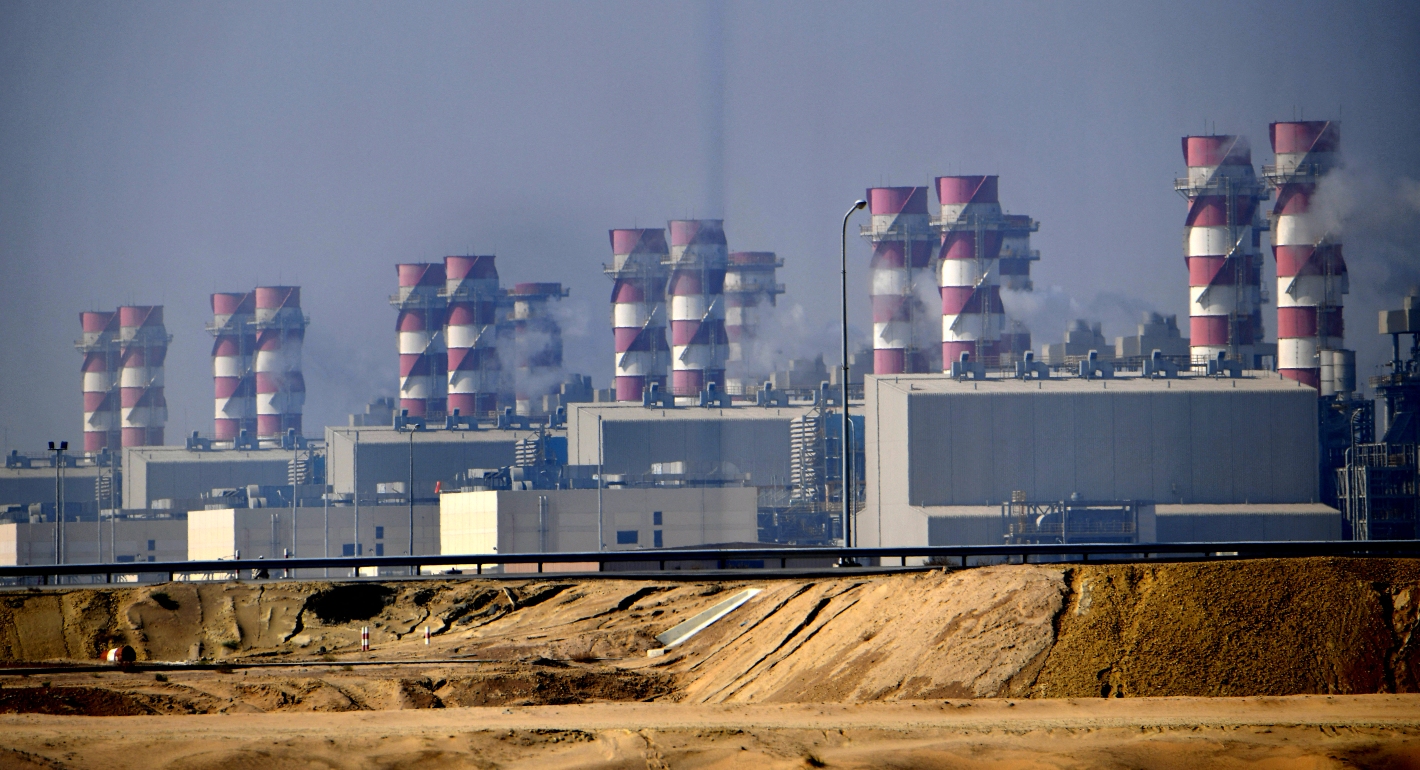
The public revelations of Iran's clandestine nuclear activities in August 2002 unleashed one of the most intensive and highly publicized inspections in the history of the International Atomic Energy Agency.
Source: National Defense University

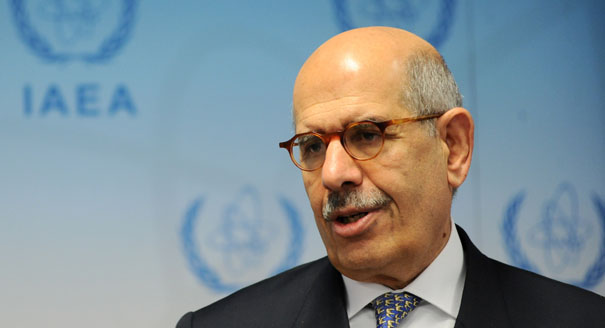
The process for determining non-compliance depends on the technical and legal findings of the IAEA Secretariat—the Agency’s technical arm—and the political judgments made by the IAEA Board. However, the lack of an established definition of non-compliance makes the decisionmaking process one of the most challenging tasks faced by the IAEA, which has a statutory obligation to report non-compliance to the UN Security Council (UNSC) and the General Assembly. Since the IAEA was first established in 1957, the Agency’s Board of Governors traditionally made its decisions based on a rule of consensus widely celebrated as the “Spirit of Vienna.” All previous safeguards violations were routinely reported as non-compliance by the IAEA to the UNSC (Iraq in 1991, Romania in 1992, and North Korea in 1993 and 1994). In the case of Iran, it took more than 2 years for the IAEA Board to reach a formal finding of non-compliance. This case study examines the IAEA’s approach to determining non-compliance with NPT safeguards agreements, as exemplified by past experience with Iran, and addresses the following questions: How did the IAEA decide to find Iran in non-compliance and refer the case to the UNSC? Who were the primary actors involved and how did they seek to advance their positions? How did the internal politics of the IAEA and changing geopolitical circumstances shape the Agency’s decisionmaking process?
Nima Gerami
Former Research Assistant, Nuclear Policy Program
Former Nonresident Senior Associate, Nuclear Policy Program
Goldschmidt was a nonresident senior associate at the Carnegie Endowment.
Carnegie does not take institutional positions on public policy issues; the views represented herein are those of the author(s) and do not necessarily reflect the views of Carnegie, its staff, or its trustees.
Europe has been standing by while its Southern neighborhood is being redrawn by force. To establish a path to peace between Israel and Lebanon, it’s time for Europeans to get involved with hard power.
Rym Momtaz
In Ukraine, Gaza, and Iran, AI warfare has come to dominate, with barely any oversight or accountability. Europe must lead the charge on the responsible use of new military technologies.
Raluca Csernatoni
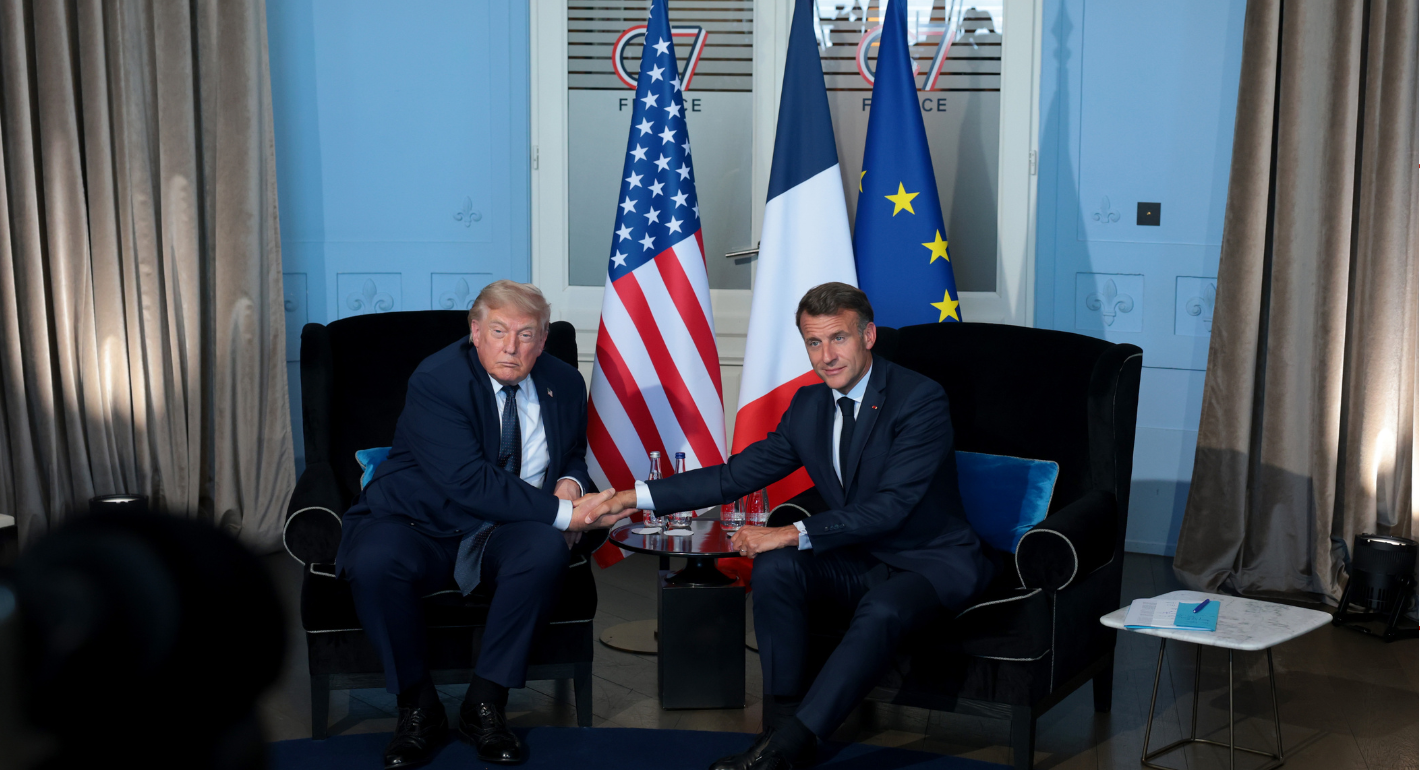
Donald Trump has repeatedly bashed NATO and European allies, threatening to annex Canada and Greenland and deploring their lack of enthusiasm for his war of choice in Iran. Is this latest round of abuse the final straw?
Rym Momtaz, ed.
Donald Trump has demanded that European allies send ships to the Strait of Hormuz while his war of choice in Iran rages on. He has constantly berated NATO while the alliance’s secretary-general has emphatically supported him.
Rym Momtaz, ed.
The war in Ukraine is costing Russia its leverage overseas. Across the South Caucasus and Middle East, this presents an opportunity for Europe to pick up the pieces and claim its own sphere of influence.
William Dixon, Maksym Beznosiuk