

Article
Frederic Wehrey, Charles H. Johnson
{
  "authors": [
    "Frederic Wehrey"
  ],
  "type": "legacyinthemedia",
  "centerAffiliationAll": "dc",
  "centers": [
    "Carnegie Endowment for International Peace",
    "Malcolm H. Kerr Carnegie Middle East Center"
  ],
  "collections": [],
  "englishNewsletterAll": "menaTransitions",
  "nonEnglishNewsletterAll": "",
  "primaryCenter": "Carnegie Endowment for International Peace",
  "programAffiliation": "MEP",
  "programs": [
    "Middle East"
  ],
  "projects": [],
  "regions": [
    "Middle East",
    "Gulf",
    "Levant",
    "Iran"
  ],
  "topics": [
    "Political Reform",
    "Civil Society",
    "Religion"
  ]
}
Source: Getty
What is missing in the interpretations of sectarianism and identifying its roots is a focus on the role of institutions and the agency of political actors in deliberately invoking and amplifying sectarian passions.
Source: Lawfare
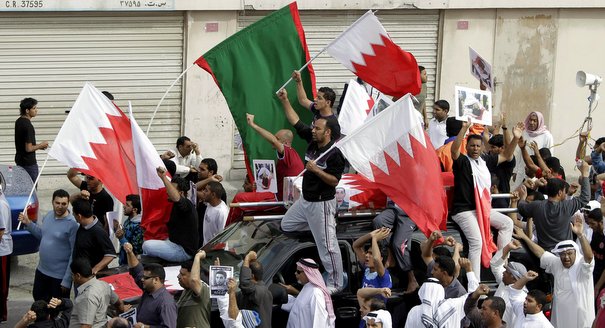
Sectarian passions are once again inflaming the Middle East. Syria’s ferocious civil war has spilled over into fragile Lebanon and Iraq. Saudi Arabia and Iran are at loggerheads, funding and equipping protagonists in conflict zones that are arrayed along sectarian lines. The winds of Shi’a-Sunni strife are spreading, and the referee of American power is nowhere to be seen.
The sectarian lens has long been an appealing, shorthand way to make sense of a confounding, complex region. President Obama, in his September 2013 speech before the United Nations General Assembly, attributed Bahrain’s violence to “sectarian tensions.” But focusing exclusively on the Shiite-Sunni split conflates symptoms with root causes. Often what seems to be a religious or doctrinal difference is more accurately a byproduct of political repression, provincial marginalization or uneven access to economic resources...

Senior Fellow, Middle East Program
Frederic Wehrey is a senior fellow in the Middle East Program at the Carnegie Endowment for International Peace, where his research focuses on governance, conflict, and security in Libya, North Africa, and the Persian Gulf.
Recent Work
Frederic Wehrey, Charles H. Johnson
Frederic Wehrey, Charles H. Johnson
Carnegie does not take institutional positions on public policy issues; the views represented herein are those of the author(s) and do not necessarily reflect the views of Carnegie, its staff, or its trustees.

Before the next wave of EU enlargement takes place, the union needs to grapple with thorny questions of how power is distributed among its members.


Emil Sondaj Hansen, Ditte Brasso Sørensen

Radical-right parties are expected to do well in upcoming elections in four of the EU's biggest member states. If successful, they could prevent the union from addressing key challenges ahead.

Stefan Lehne

In supporting Europe’s far-right, MAGA and Russia both want the same thing: a weaker EU. Europe must defend itself without abandoning the openness these forces exploit.

Armida van Rij

As the EU confronts profound challenges, several leaders have called for fundamental reform to the union’s model—but only modest, superficial changes have resulted. What if Europe really could be reimagined from zero today: What should such a redesigned European order look like?

Richard Youngs, ed.
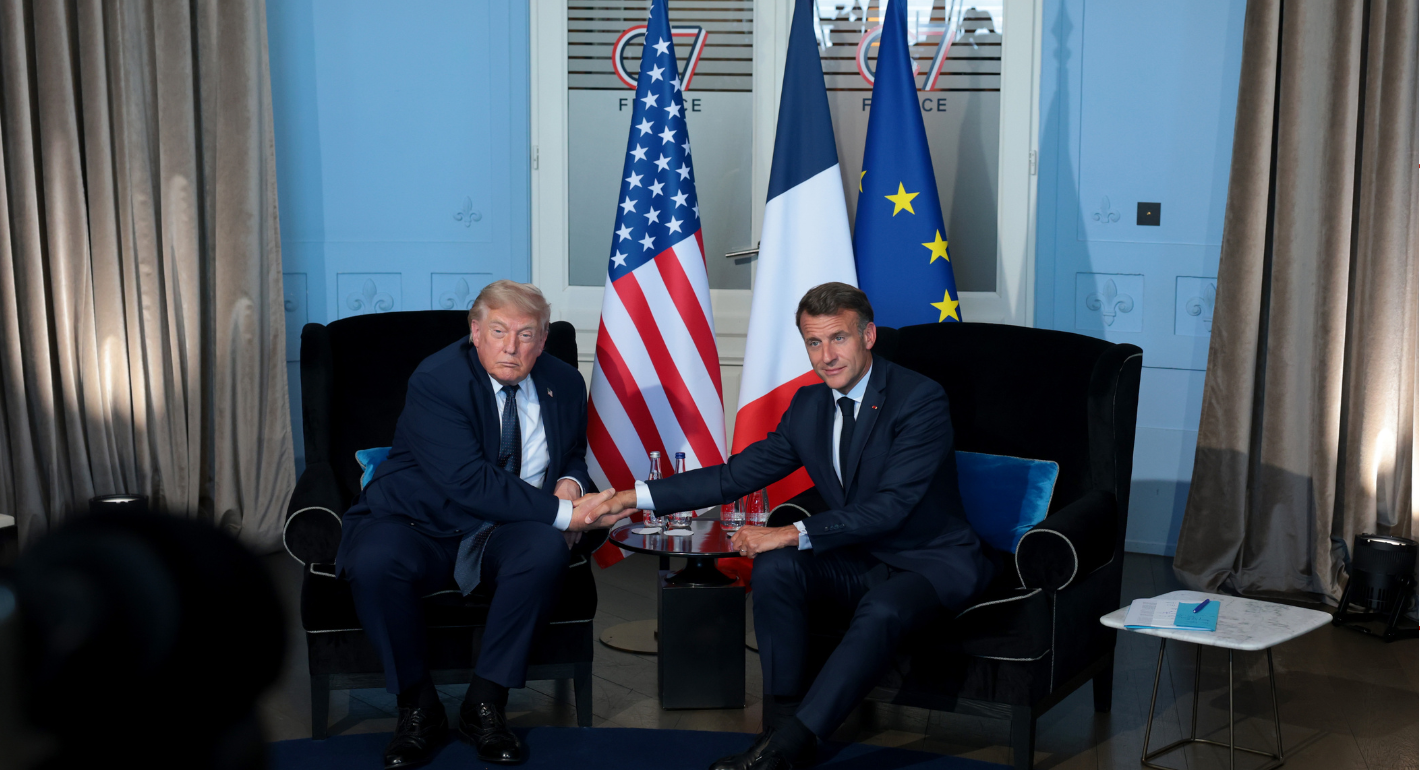
When the U.S.-Iran memorandum of understanding was announced, the UK, France, Germany, and Italy declared their readiness to help demine the Strait of Hormuz and lift nuclear sanctions on Tehran. But does Europe need new tools to recover a diplomatic role?

Rym Momtaz, ed.