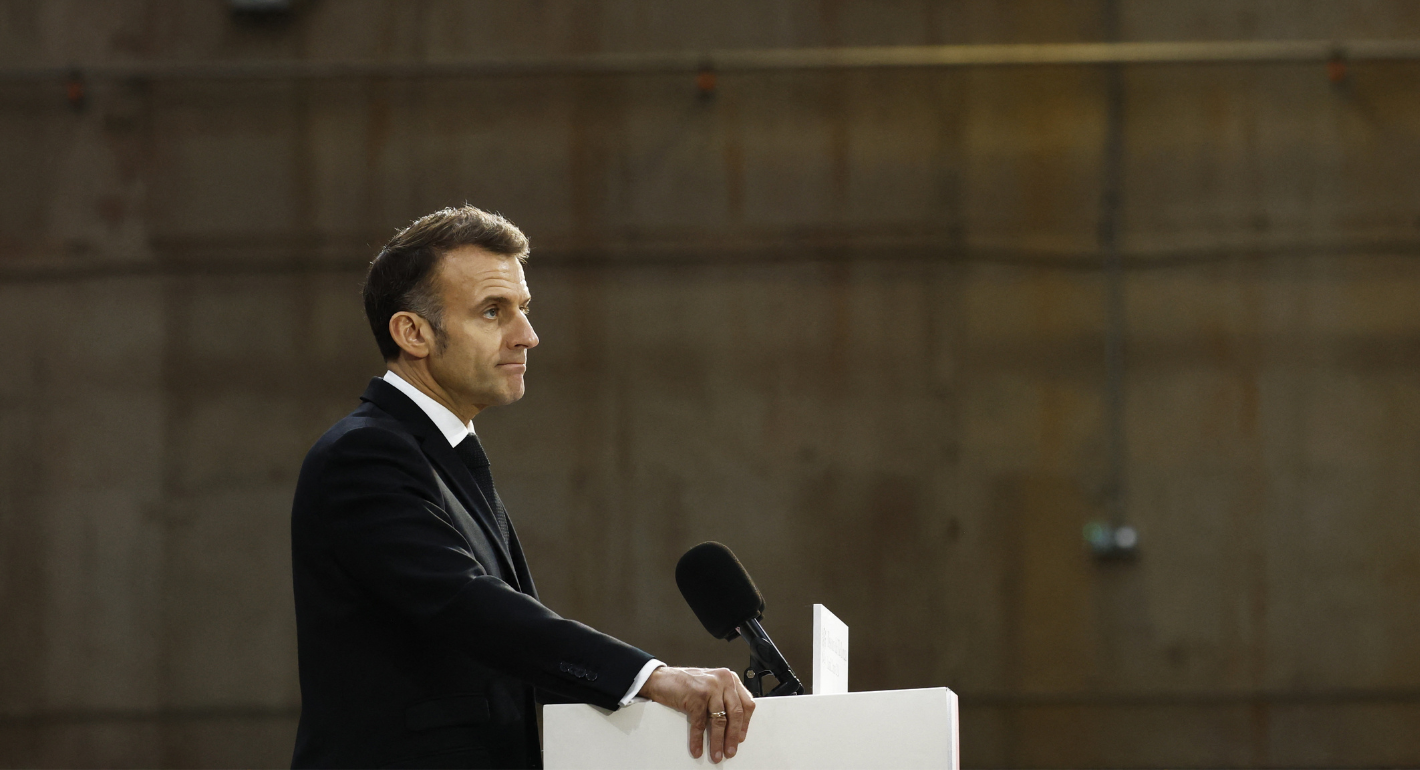


French President Emmanuel Macron has unveiled his country’s new nuclear doctrine. Are the changes he has made enough to reassure France’s European partners in the current geopolitical context?
Rym Momtaz, ed.
{
"authors": [
"Toby Dalton",
"Sameer Lalwani",
"Gaurav Kampani"
],
"type": "other",
"centerAffiliationAll": "dc",
"centers": [
"Carnegie Endowment for International Peace"
],
"collections": [],
"englishNewsletterAll": "ctw",
"nonEnglishNewsletterAll": "",
"primaryCenter": "Carnegie Endowment for International Peace",
"programAffiliation": "NPP",
"programs": [
"Nuclear Policy"
],
"projects": [],
"regions": [
"South Asia",
"Pakistan"
],
"topics": [
"Nuclear Policy"
]
}Source: Getty
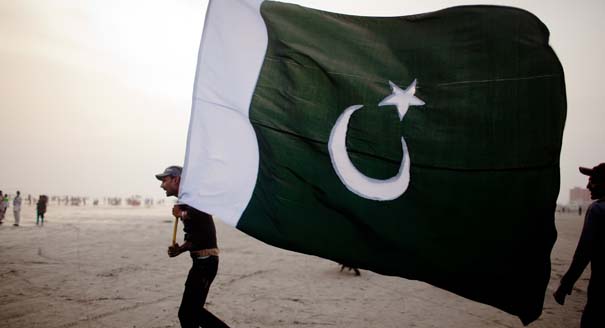
Policy options for a potential grand nuclear bargain between the U.S. and Pakistan remain a contested topic of discourse with serious implications for regional cooperation and security.
Source: Atlantic Council Discussion
Speaking at an event held by the Atlantic Council, Carnegie’s Toby Dalton explained that nuclear dangers in South Asia are increasing, particularly as a result of advances in Pakistan’s nuclear arsenal. He said that a nuclear deal may be one way to encourage Pakistan to constrain its nuclear developments in ways that reduce the chances of conflict, if Pakistan were willing to entertain such steps in return for opening a path to joining nuclear regimes. Though the prospects of Pakistan considering such steps are at best uncertain, he argued that it is useful to explore the contours, costs, and benefits of a potential deal as an improvement over the status quo.
Senior Fellow and Co-director, Nuclear Policy Program
Toby Dalton is a senior fellow and co-director of the Nuclear Policy Program at the Carnegie Endowment. An expert on nonproliferation and nuclear energy, his work addresses regional security challenges and the evolution of the global nuclear order.
Sameer Lalwani
Stimson Center
Gaurav Kampani
Carnegie does not take institutional positions on public policy issues; the views represented herein are those of the author(s) and do not necessarily reflect the views of Carnegie, its staff, or its trustees.
French President Emmanuel Macron has unveiled his country’s new nuclear doctrine. Are the changes he has made enough to reassure France’s European partners in the current geopolitical context?
Rym Momtaz, ed.
Europe’s reaction to the war in Iran has been disunited and meek, a far cry from its previously leading role in diplomacy with Tehran. To avoid being condemned to the sidelines while escalation continues, Brussels needs to stand up for international law.
Pierre Vimont
France has stopped clinging to notions of being a great power and is embracing the middle power moment. But Emmanuel Macron has his work cut out if he is to secure his country’s global standing before his term in office ends.
Rym Momtaz
In Donald Trump’s second term in office, the transatlantic relationship that helped define the postwar European project and global order appears broken. Is it time for Brussels to chart its own path?
Nathalie Tocci, Jan Techau
The debate on the future of European deterrence has intensified, as NATO allies seek to balance three key aims. Going forward, they will need to cooperate more deeply to craft a coherent strategy for confronting new threats.
Sophia Besch, Jamie Kwong