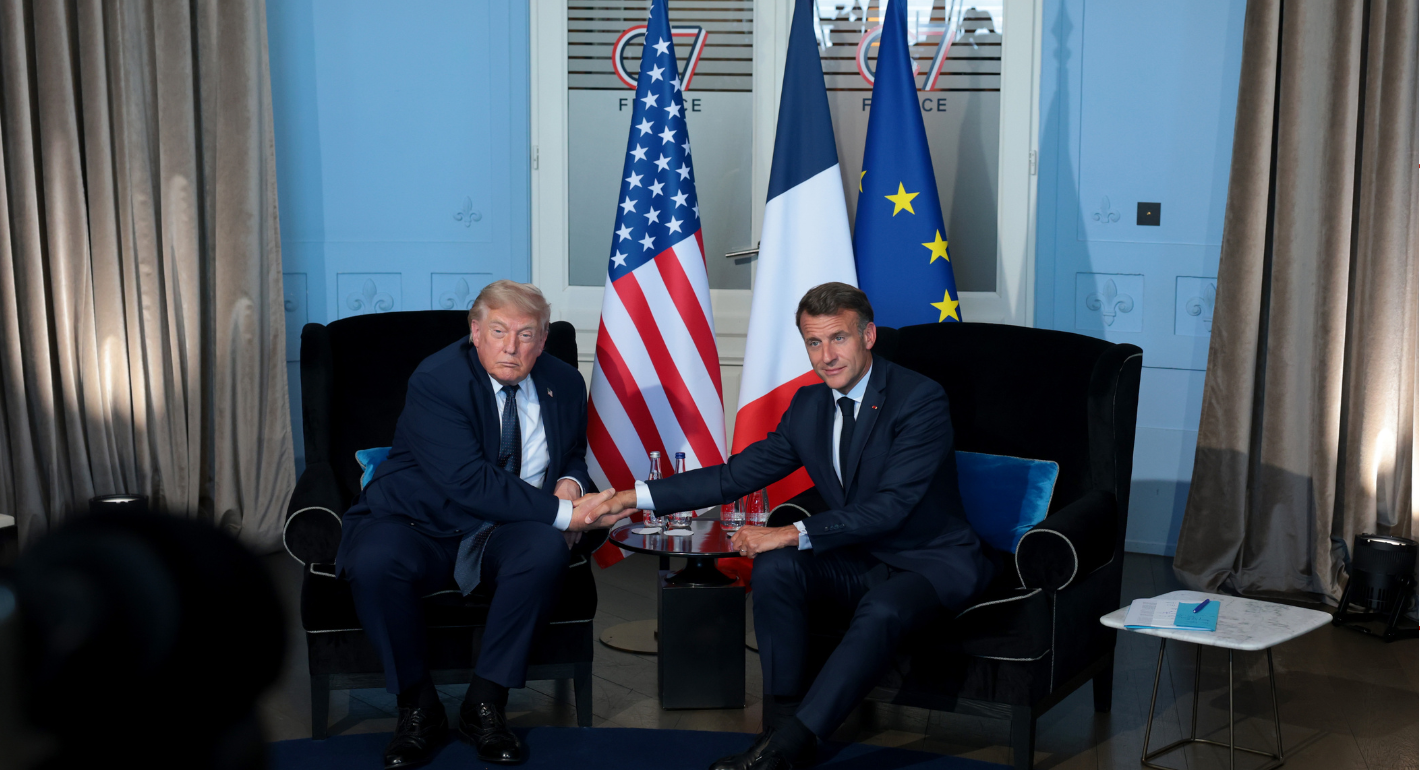
In Donald Trump’s second term in office, the transatlantic relationship that helped define the postwar European project and global order appears broken. Is it time for Brussels to chart its own path?
Nathalie Tocci, Jan Techau
{
"authors": [
"Se Young Jang"
],
"type": "other",
"centerAffiliationAll": "dc",
"centers": [
"Carnegie Endowment for International Peace"
],
"collections": [
"Korean Peninsula"
],
"englishNewsletterAll": "",
"nonEnglishNewsletterAll": "",
"primaryCenter": "Carnegie Endowment for International Peace",
"programAffiliation": "NPP",
"programs": [
"Nuclear Policy"
],
"projects": [],
"regions": [
"East Asia",
"South Korea"
],
"topics": [
"Nuclear Policy"
]
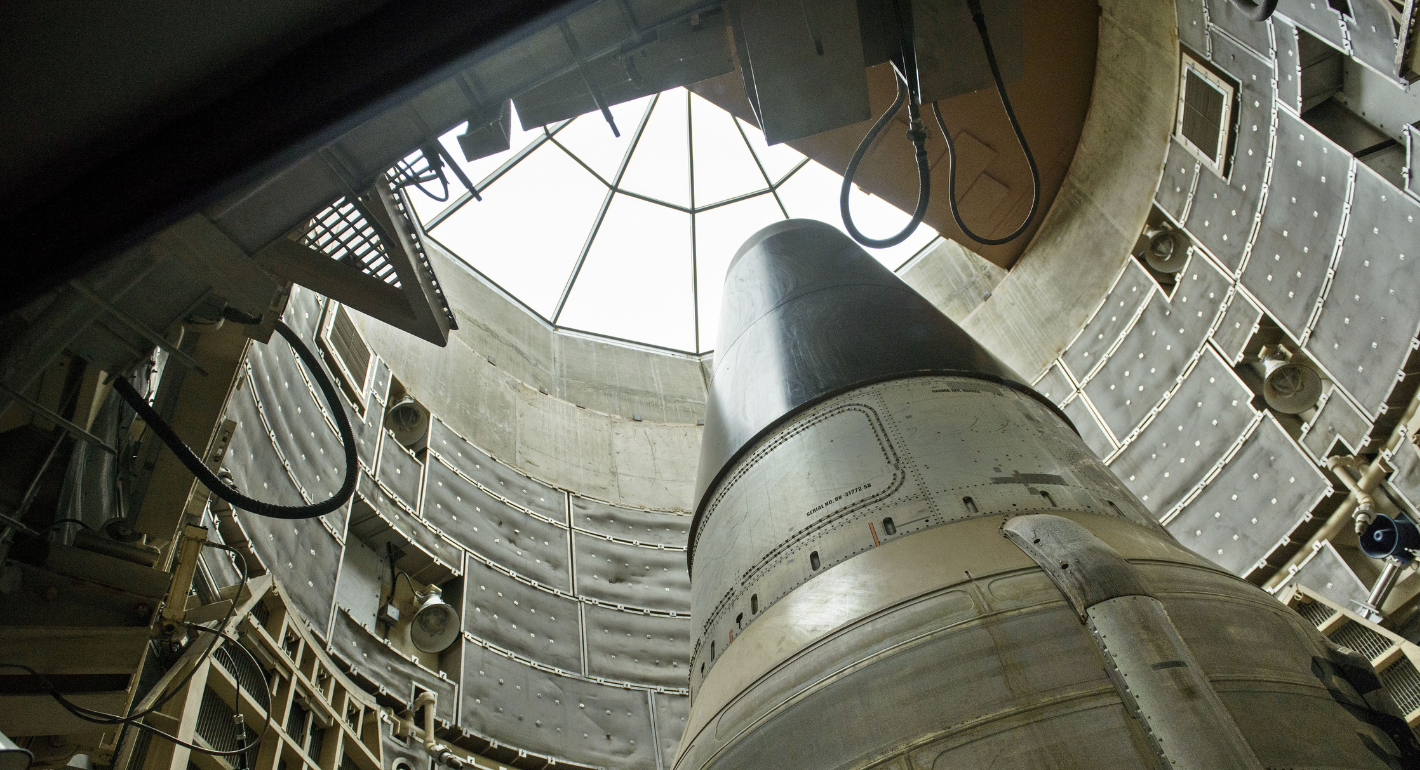
}Source: Getty
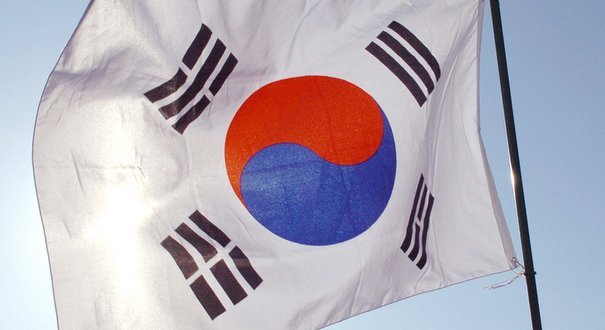
Pressure by the United States was less decisive in forcing South Korea to ratify the NPT in 1975 than commonly assumed.
Source: Wilson Center
In this Nuclear Proliferation International History Project (NPIHP) Working Paper, Se Young Jang challenges the the common narrative that US pressure forced South Korea to ratify the NPT in 1975. Using new evidence from international archives, Jang finds that the decisive pressure came from a different country—Canada.
Pressure by the United States was less decisive in forcing South Korea to ratify the NPT in 1975 than commonly assumed. Records show that a consensus to ratify the treaty was reached within the ROK government by early March 1975—before the US applied meaningful pressure.
There is little evidence that the 1975 Congressional resolution calling on the EX-IM bank to defer financing for reactor construction in Korea had an impact on ROK decision-making. The short time between the introduction of the resolution to the Senate Committee on Foreign Relations on March 7th and the notification of ROK President Park’s decision to ratify the NPT by the Korean Ministry of Foreign Affairs on March 8th suggests the events were not directly related.
South Korea joined the NPT to secure the sale of Canadian heavy-water reactors, whose sale had been made contingent on ratification. The ROK government chose to pursue the plutonium route to a bomb in 1972, making the acquisition of heavy-water reactors critical to the entire project.
The South Korean government did not regard NPT ratification as the end of its military nuclear pursuits. South Korea’s program was not formally suspended until December 1976—over one-and-a-half years after the Korean National Assembly ratified the NPT in March 1975.
Carnegie does not take institutional positions on public policy issues; the views represented herein are those of the author(s) and do not necessarily reflect the views of Carnegie, its staff, or its trustees.
In Donald Trump’s second term in office, the transatlantic relationship that helped define the postwar European project and global order appears broken. Is it time for Brussels to chart its own path?
Nathalie Tocci, Jan Techau
The debate on the future of European deterrence has intensified, as NATO allies seek to balance three key aims. Going forward, they will need to cooperate more deeply to craft a coherent strategy for confronting new threats.
Sophia Besch, Jamie Kwong
To turn U.S. strikes on Iran’s nuclear program into a long-term resolution, Washington should seize the moment and cooperate with France, Germany, and the UK on diplomatic talks.
Rym Momtaz
Confronted with a U.S. disengagement and the Russian threat, Europeans are reconsidering their stance on nuclear deterrence. Given the capabilities of the French and British arsenals, can Europe develop an independent nuclear deterrent?
Rym Momtaz
For too long, the EU focused on Iran’s nuclear program while mostly ignoring its malign regional activities and missile program. As the consequences of both hit closer to home, the union must pursue a new strategy focused on containing Iran’s regime, supporting Iranian civil society, and engaging with Gulf states.
Cornelius Adebahr