

Commentary
French President Emmanuel Macron has unveiled his country’s new nuclear doctrine. Are the changes he has made enough to reassure France’s European partners in the current geopolitical context?
Rym Momtaz, ed.
{
  "authors": [
    "Vipin Narang",
    "Ankit Panda"
  ],
  "type": "other",
  "centerAffiliationAll": "dc",
  "centers": [
    "Carnegie Endowment for International Peace"
  ],
  "collections": [
    "Korean Peninsula"
  ],
  "englishNewsletterAll": "ctw",
  "nonEnglishNewsletterAll": "",
  "primaryCenter": "Carnegie Endowment for International Peace",
  "programAffiliation": "NPP",
  "programs": [
    "Nuclear Policy"
  ],
  "projects": [],
  "regions": [
    "East Asia",
    "North Korea"
  ],
  "topics": [
    "Nuclear Policy"
  ]
}
Source: Getty
Could a president’s overconfidence in U.S. defensive systems lead to deadly miscalculation and nuclear armageddon? Yes, it could.
Source: War on the Rocks
Could a president’s overconfidence in U.S. defensive systems lead to deadly miscalculation and nuclear armageddon? Yes. Yes, it could. Last Wednesday, referring to potential American responses to North Korea’s missile and nuclear program, President Donald Trump told Sean Hannity “We have missiles that can knock out a missile in the air 97 percent of the time, and if you send two of them it’s gonna get knocked out.” If Trump believes — or is being told — that American missile defenses are that accurate, not only is he factually wrong, he is also very dangerously wrong. This misperception could be enough to lead the United States into a costly war with devastating consequences.
Here’s why: If Trump believes U.S. missile defenses work this effectively, he might actually think a first strike attempt to disarm North Korea of its missile and nuclear forces would successfully spare U.S. cities from North Korean nuclear retaliation. They probably wouldn’t. Believing that each ground-based midcourse missile defense (GMD) interceptor can provide anything close to a 97 percent interception rate against retaliation raises the temptation to attempt a so-called “splendid first strike” based on the assumption that missile defenses can successfully intercept any leftover missiles North Korea could then fire at the United States.
In this article, we first lay out the complexity of American missile defenses and explain why it’s way off the mark to believe U.S. ground-based missile defense interceptors are even close to as effective as Trump suggested. We then explain how overconfidence in national missile defense may tempt the president to consider a first strike with no actual guarantee that it can spare an American city — or multiple cities — from potential North Korean thermonuclear retaliation. For a president who has already expressed an inclination to visit “fire and fury” on Kim Jong Un and threatened to “totally destroy” his country, we’re obligated to take Trump’s misplaced confidence in GMD very seriously. His attraction to attempting a first strike will only grow if he is blind to an important gap in U.S. defenses. Not only might he still want to denuclearize North Korea by force, he might think it is actually possible to do so without putting the U.S. homeland at risk.
This article was originally published in War on the Rocks
Former Nonresident Scholar, Nuclear Policy Program
Vipin Narang was a nonresident scholar in the Nuclear Policy Program at the Carnegie Endowment for International Peace.

Stanton Senior Fellow in the Nuclear Policy Program at the Carnegie Endowment for International Peace
Ankit Panda is the Stanton Senior Fellow in the Nuclear Policy Program at the Carnegie Endowment for International Peace.
Carnegie does not take institutional positions on public policy issues; the views represented herein are those of the author(s) and do not necessarily reflect the views of Carnegie, its staff, or its trustees.

French President Emmanuel Macron has unveiled his country’s new nuclear doctrine. Are the changes he has made enough to reassure France’s European partners in the current geopolitical context?

Rym Momtaz, ed.
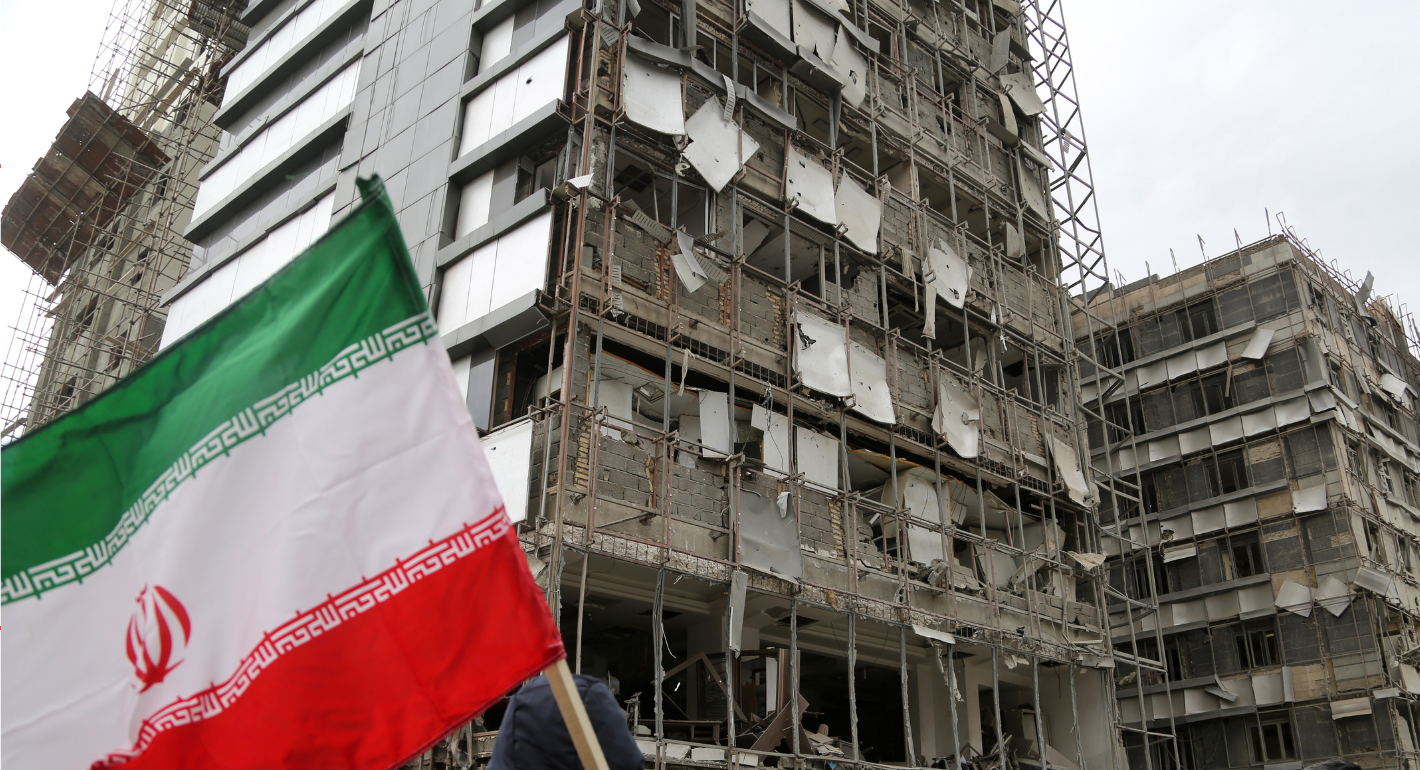
Europe’s reaction to the war in Iran has been disunited and meek, a far cry from its previously leading role in diplomacy with Tehran. To avoid being condemned to the sidelines while escalation continues, Brussels needs to stand up for international law.

Pierre Vimont
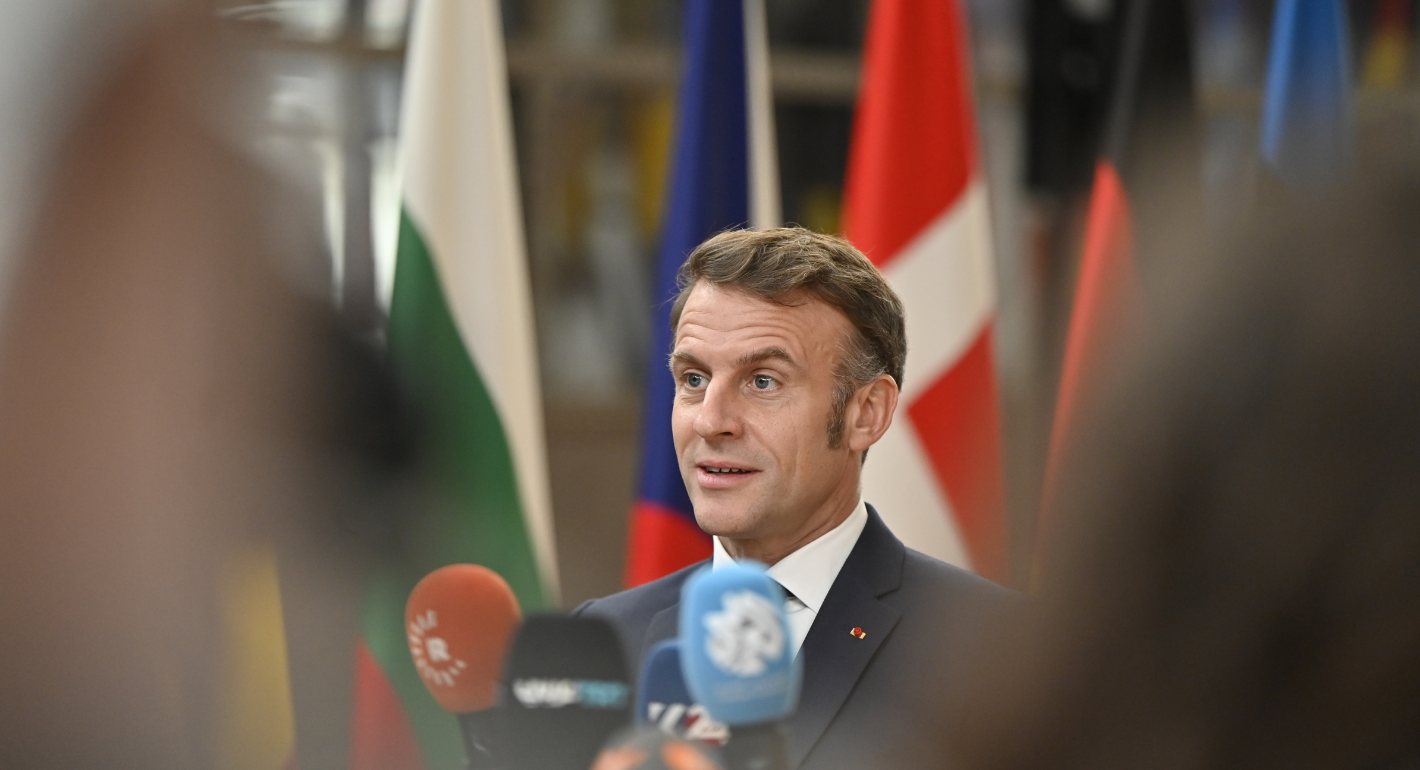
France has stopped clinging to notions of being a great power and is embracing the middle power moment. But Emmanuel Macron has his work cut out if he is to secure his country’s global standing before his term in office ends.
Rym Momtaz
In Donald Trump’s second term in office, the transatlantic relationship that helped define the postwar European project and global order appears broken. Is it time for Brussels to chart its own path?


Nathalie Tocci, Jan Techau
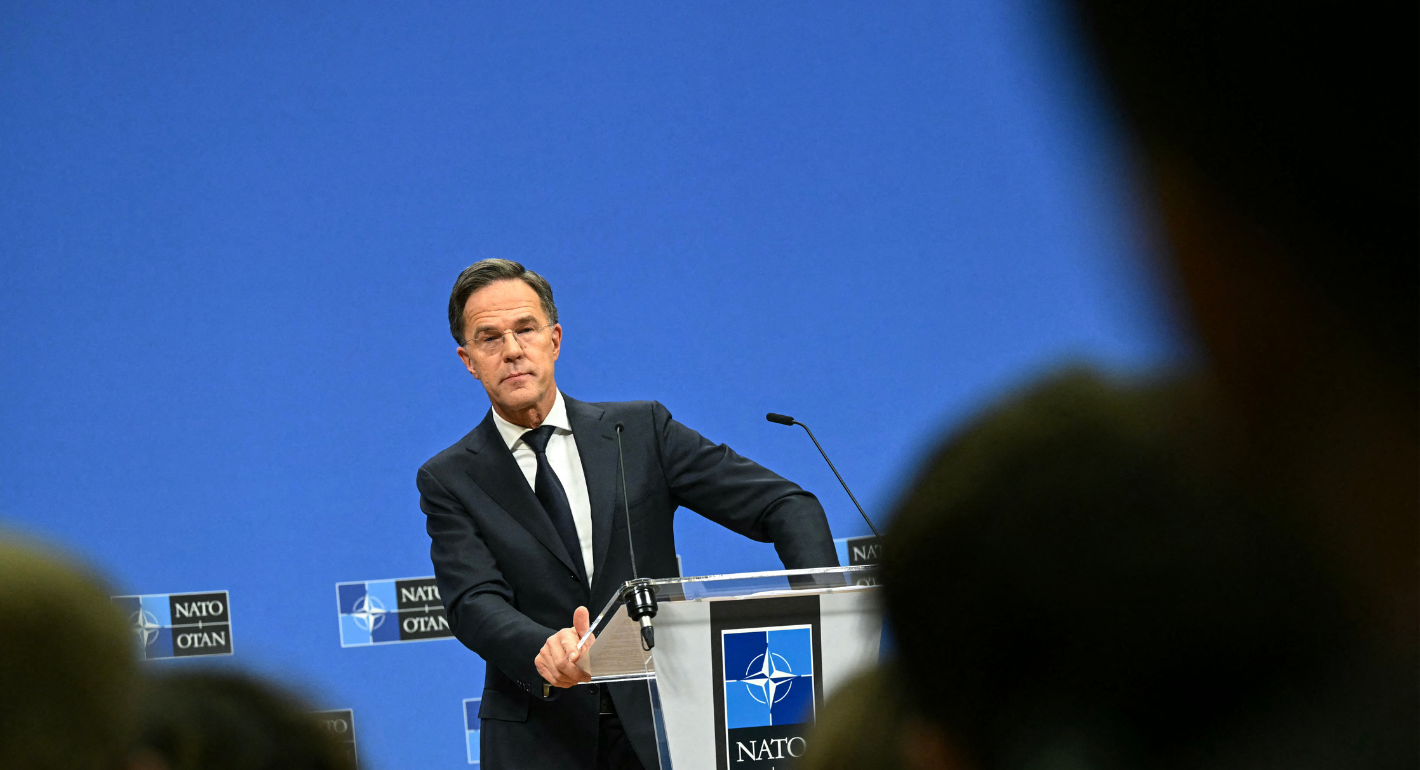
The debate on the future of European deterrence has intensified, as NATO allies seek to balance three key aims. Going forward, they will need to cooperate more deeply to craft a coherent strategy for confronting new threats.


Sophia Besch, Jamie Kwong