• Research
  • Strategic Europe
  • About
  • Experts
Carnegie Europe logoCarnegie lettermark logo
EUUkraine
  • Donate
{
  "authors": [
    "Se Young Jang"
  ],
  "type": "other",
  "centerAffiliationAll": "dc",
  "centers": [
    "Carnegie Endowment for International Peace"
  ],
  "collections": [
    "Korean Peninsula"
  ],
  "englishNewsletterAll": "ctw",
  "nonEnglishNewsletterAll": "",
  "primaryCenter": "Carnegie Endowment for International Peace",
  "programAffiliation": "NPP",
  "programs": [
    "Nuclear Policy"
  ],
  "projects": [],
  "regions": [
    "East Asia",
    "South Korea"
  ],
  "topics": [
    "Nuclear Policy"
  ]
}

Source: Getty

Other

The Development of South Korea’s Nuclear Energy Industry in a Resource-and Capital-Scarce Environment

Economic factors alone cannot explain the development of South Korea’s nuclear energy industry.

Link Copied
By Se Young Jang
Published on Oct 19, 2017

Source: Chapter in Economic Development and Environmental History in the Anthropocene

How was it possible for resource- and capital-scarce South Korea to launch capital- and technology-intensive nuclear energy projects in the 1960s and 1970s, not long after the devastating Korean War? The development of South Korea’s nuclear energy industry cannot be explained only by economic factors. Jang argues in this edited volume that the political setting—sometimes combined with the external economic environment—also played a significant role in facilitating South Korea’s interests in nuclear energy and further motivating the Park Chung-hee administration to develop indigenous nuclear technology. She emphasizes three specific elements: first, the favorable external environment for nuclear technology transfer under the U.S. Atoms for Peace project in the 1950s helped South Korea gain some basic knowledge and competence in nuclear energy; second, South Korea’s military ambitions to develop nuclear weapons in the 1970s promoted civilian nuclear research and investment because of the nuclear technology’s dual-use characteristics; and last, the competition among nuclear suppliers in the world nuclear market set up a favorable environment for new customers, thereby enabling South Korea relatively easily to acquire highly advanced technology and facilities with sufficient foreign loans.

Visit book page

This chapter was originally published in Economic Development and Environmental History in the Anthropocene: Perspectives on Asia and Africa by Bloomsbury Publishing.

About the Author

Se Young Jang

Former Nonresident Scholar, Nuclear Policy Program

Se Young Jang was a nonresident scholar in the Nuclear Policy Program at the Carnegie Endowment for International Peace.

Se Young Jang
Former Nonresident Scholar, Nuclear Policy Program
Nuclear PolicyEast AsiaSouth Korea

Carnegie does not take institutional positions on public policy issues; the views represented herein are those of the author(s) and do not necessarily reflect the views of Carnegie, its staff, or its trustees.

More Work from Carnegie Europe

  • Commentary
    Strategic Europe
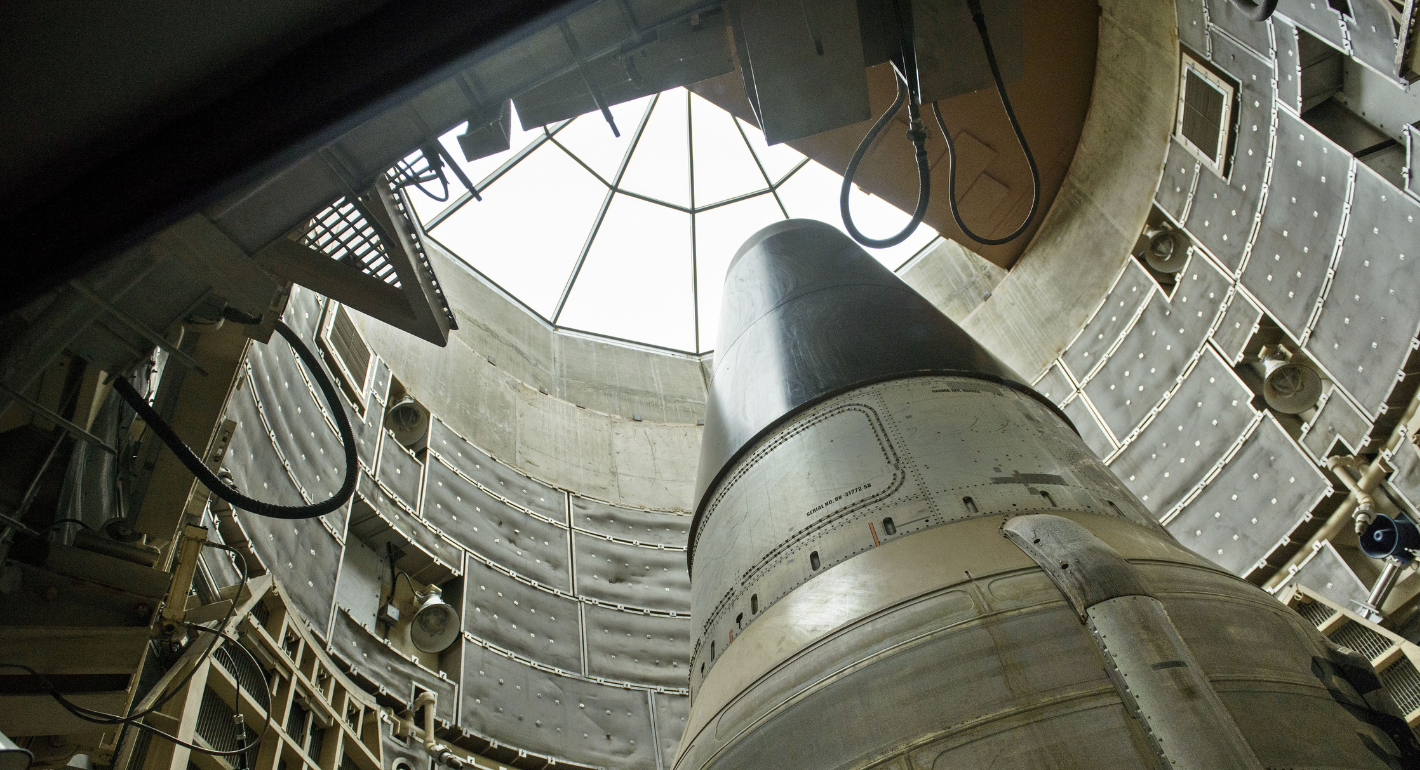
    Taking the Pulse: Is France’s New Nuclear Doctrine Ambitious Enough?

    French President Emmanuel Macron has unveiled his country’s new nuclear doctrine. Are the changes he has made enough to reassure France’s European partners in the current geopolitical context?

      • Rym Momtaz

      Rym Momtaz, ed.

  • Commentary
    Strategic Europe
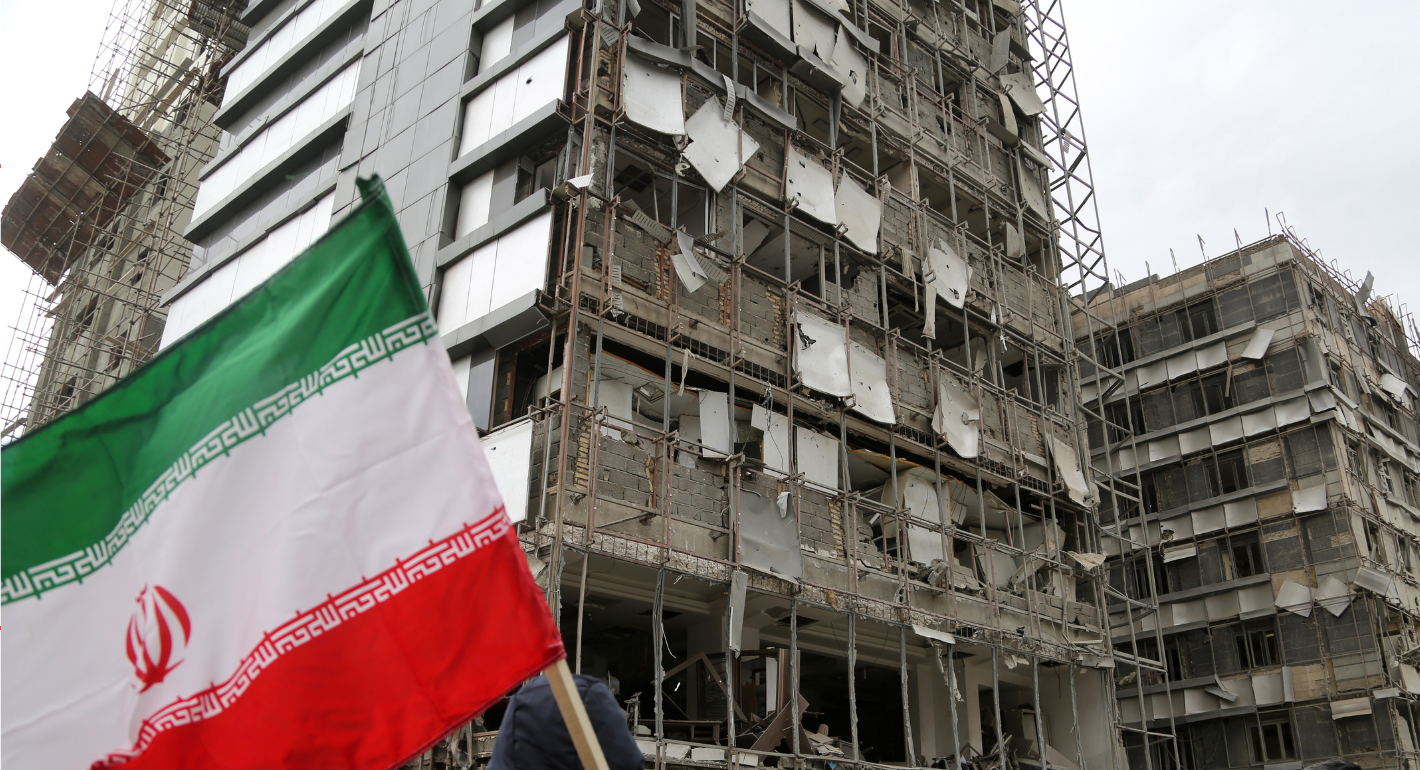
    Europe on Iran: Gone with the Wind

    Europe’s reaction to the war in Iran has been disunited and meek, a far cry from its previously leading role in diplomacy with Tehran. To avoid being condemned to the sidelines while escalation continues, Brussels needs to stand up for international law.

      Pierre Vimont

  • Commentary
    Strategic Europe
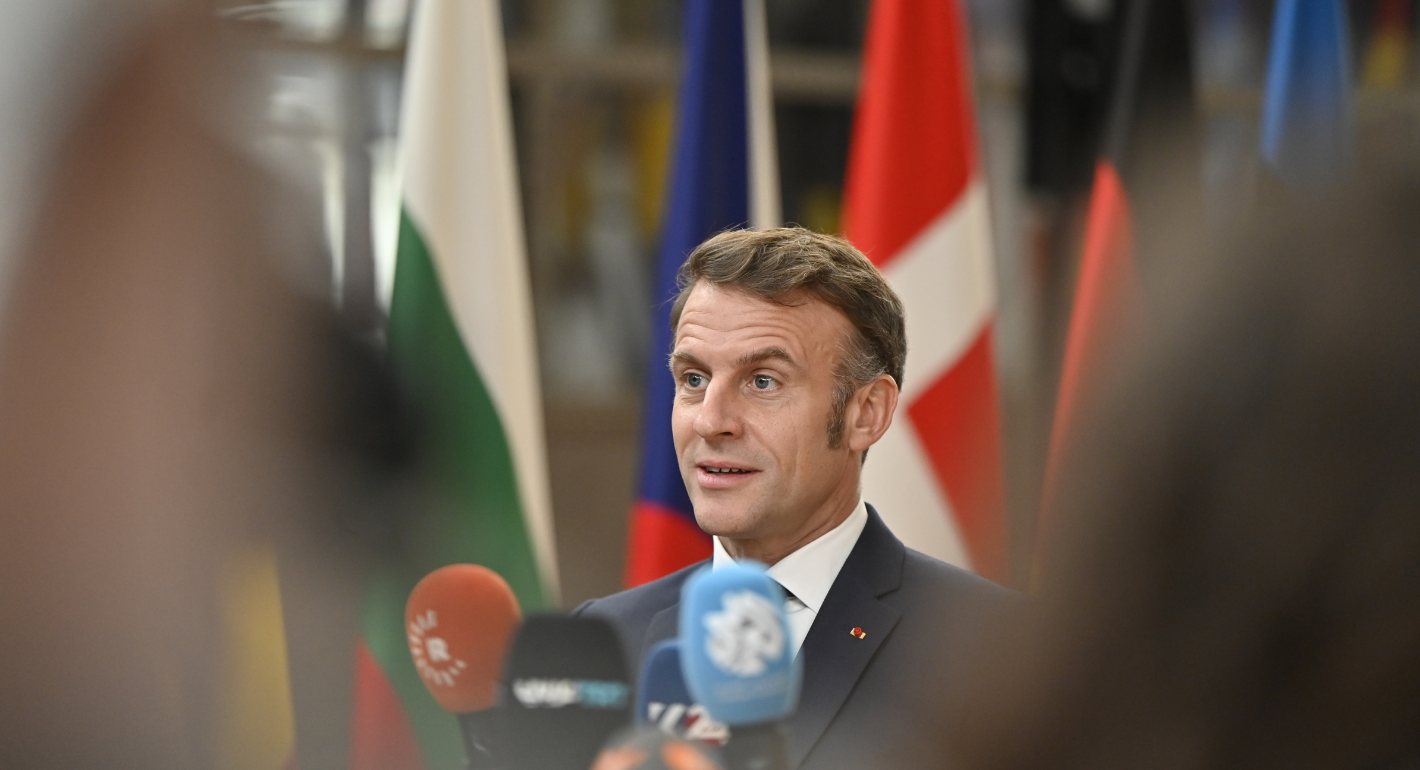
    Macron Makes France a Great Middle Power

    France has stopped clinging to notions of being a great power and is embracing the middle power moment. But Emmanuel Macron has his work cut out if he is to secure his country’s global standing before his term in office ends.

      • Rym Momtaz

      Rym Momtaz

  • Commentary
    Can Europe Trust the United States Again?

    In Donald Trump’s second term in office, the transatlantic relationship that helped define the postwar European project and global order appears broken. Is it time for Brussels to chart its own path?

      Nathalie Tocci, Jan Techau

  • Commentary
    Strategic Europe
    Unpacking Europe’s Deterrence Dilemmas

    The debate on the future of European deterrence has intensified, as NATO allies seek to balance three key aims. Going forward, they will need to cooperate more deeply to craft a coherent strategy for confronting new threats.

      Sophia Besch, Jamie Kwong

Get more news and analysis from
Carnegie Europe
Carnegie Europe logo, white
Rue du Congrès, 151000 Brussels, Belgium
  • Research
  • Strategic Europe
  • About
  • Experts
  • Projects
  • Events
  • Contact
  • Careers
  • Privacy
  • For Media
  • Gender Equality Plan
Get more news and analysis from
Carnegie Europe
© 2026 Carnegie Endowment for International Peace. All rights reserved.