

Research
- +4
Milan Vaishnav, Rahul Verma, Rukmini S., …
{
  "authors": [
    "Christophe Jaffrelot"
  ],
  "type": "legacyinthemedia",
  "centerAffiliationAll": "",
  "centers": [
    "Carnegie Endowment for International Peace"
  ],
  "collections": [],
  "englishNewsletterAll": "",
  "nonEnglishNewsletterAll": "",
  "primaryCenter": "Carnegie Endowment for International Peace",
  "programAffiliation": "",
  "programs": [],
  "projects": [],
  "regions": [
    "South Asia",
    "India"
  ],
  "topics": []
}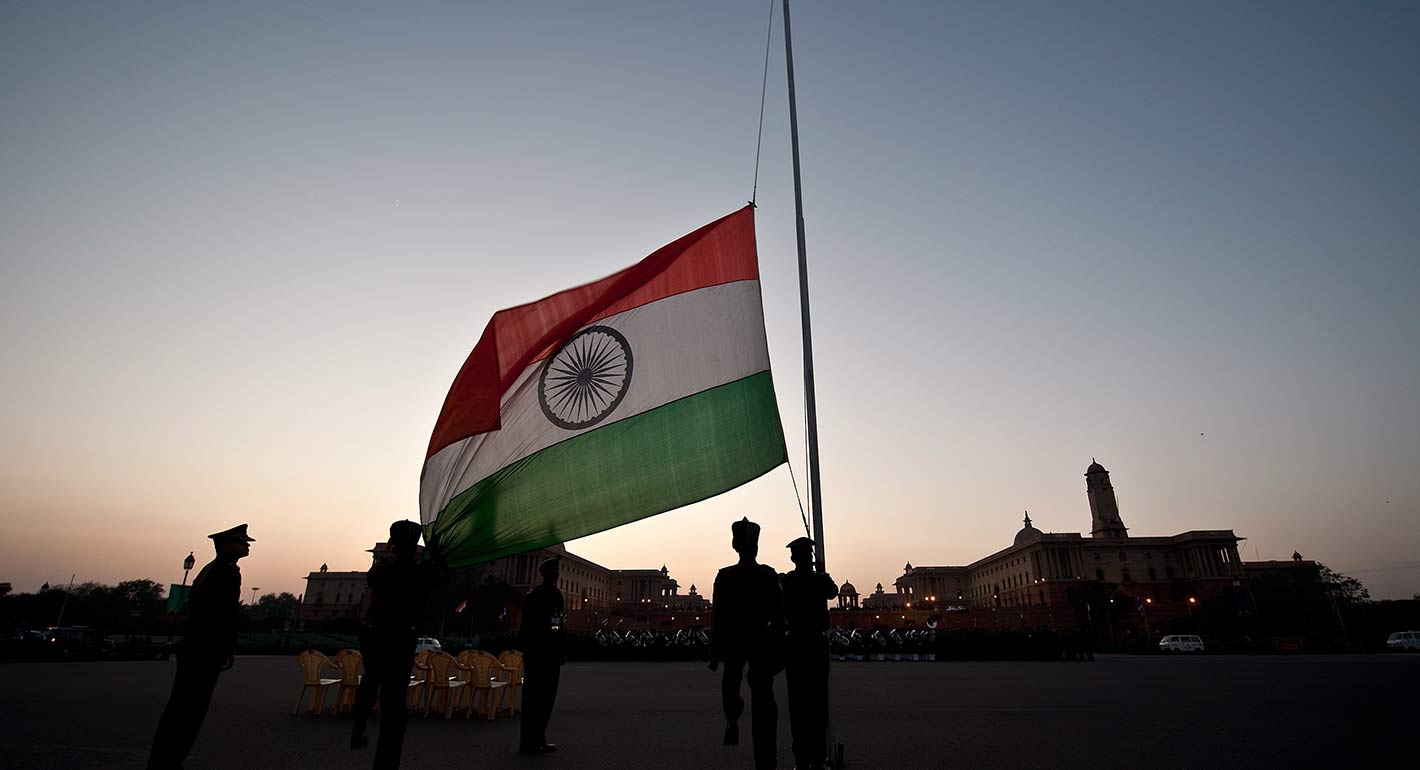
Source: Getty
History got accelerated in the wake of the BJP’s second electoral victory due to the fact that governments can more easily make big decisions immediately after they received a mandate from the voters and the severity of the economic slowdown.
Source: Wire
Indeed, we had not seen such a popular protest since the Anna Hazare movement 10 years ago. In fact, some of those who had demonstrated then may well be on the streets again – except, of course, those belonging to the Sangh parivar, who played such an important role in the Hazare movement, and except Anna Hazare himself.
What strikes me is the over representation of young Indians – girls as well as boys – in this movement, something we may also explain by the economic crisis as the youth is the primary casualty of joblessness.
And this feature calls to mind another comparison, with the mass demonstrations initiated by Mahatma Gandhi during the Freedom movement – non violence and civil disobedience were already the mottos at that time, and were already difficult to implement and maintain…
Former Nonresident Scholar, South Asia Program
Jaffrelot’s core research focuses on theories of nationalism and democracy, mobilization of the lower castes and Dalits (ex-untouchables) in India, the Hindu nationalist movement, and ethnic conflicts in Pakistan.
Recent Work

Milan Vaishnav, Rahul Verma, Rukmini S., …
Christophe Jaffrelot
Carnegie does not take institutional positions on public policy issues; the views represented herein are those of the author(s) and do not necessarily reflect the views of Carnegie, its staff, or its trustees.
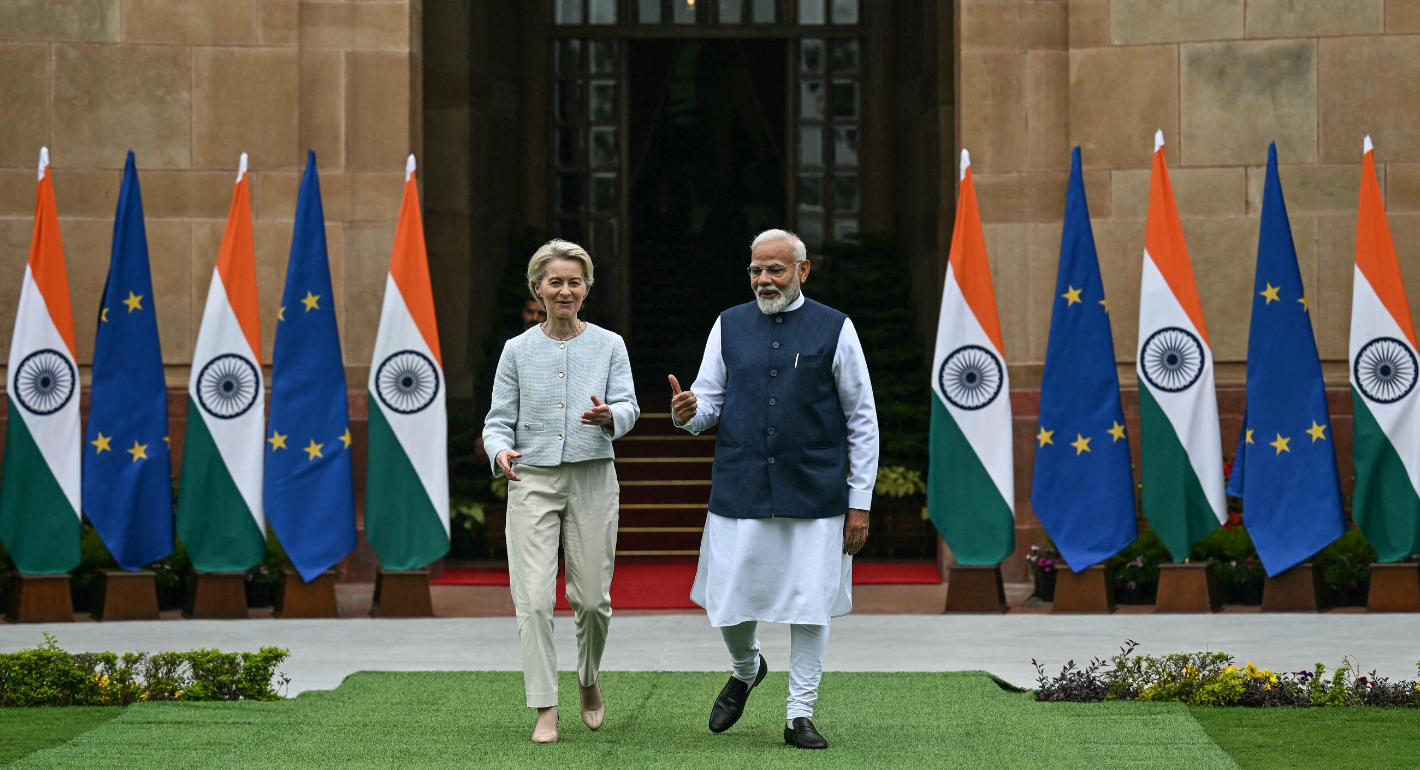
As European leadership prepares for the sixteenth EU-India Summit, both sides must reckon with trade-offs in order to secure a mutually beneficial Free Trade Agreement.

Dinakar Peri
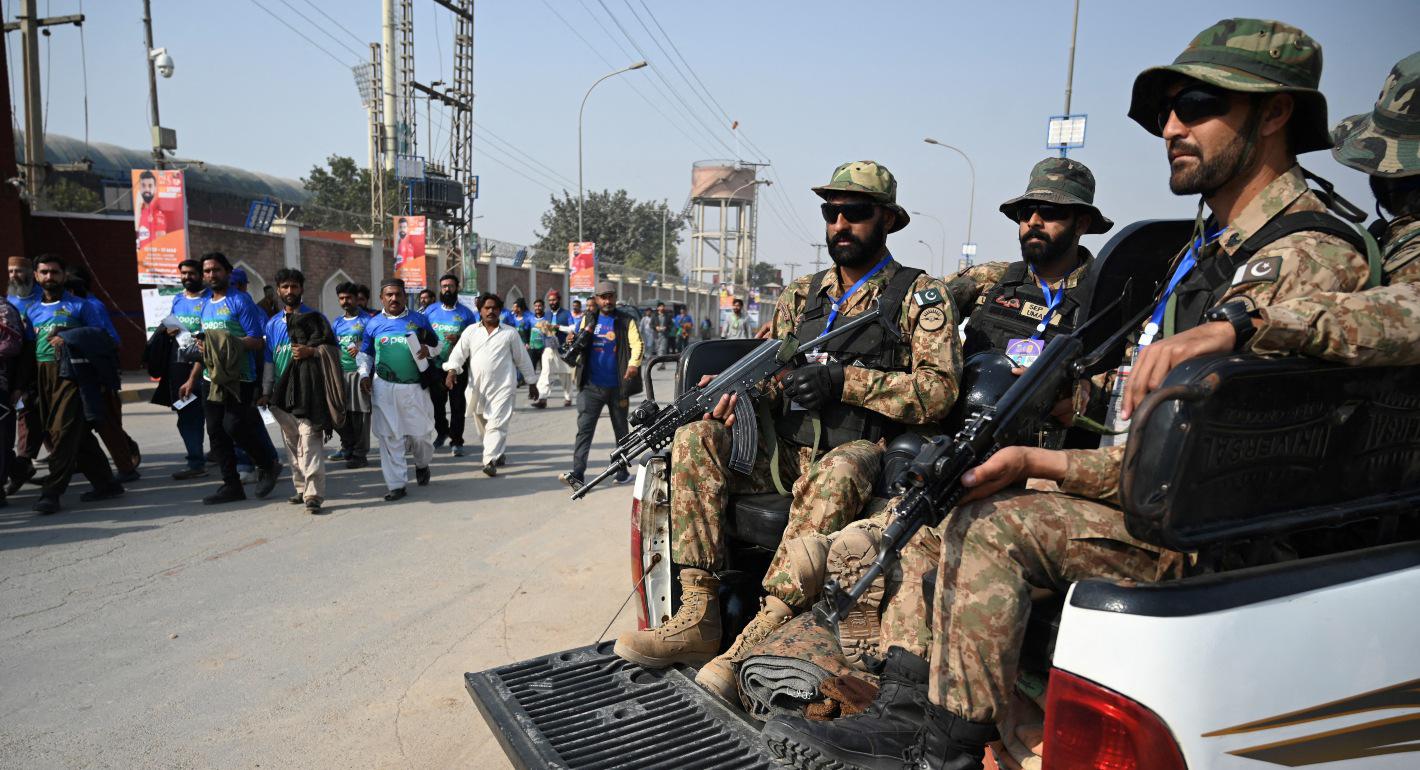
The ways in which democracies interact with autocracies can also play a role in sustaining repressive regimes. Democratic governments must adopt more holistic approaches that offset the negative implications of international engagement.


Nic Cheeseman, Marie-Eve Desrosiers
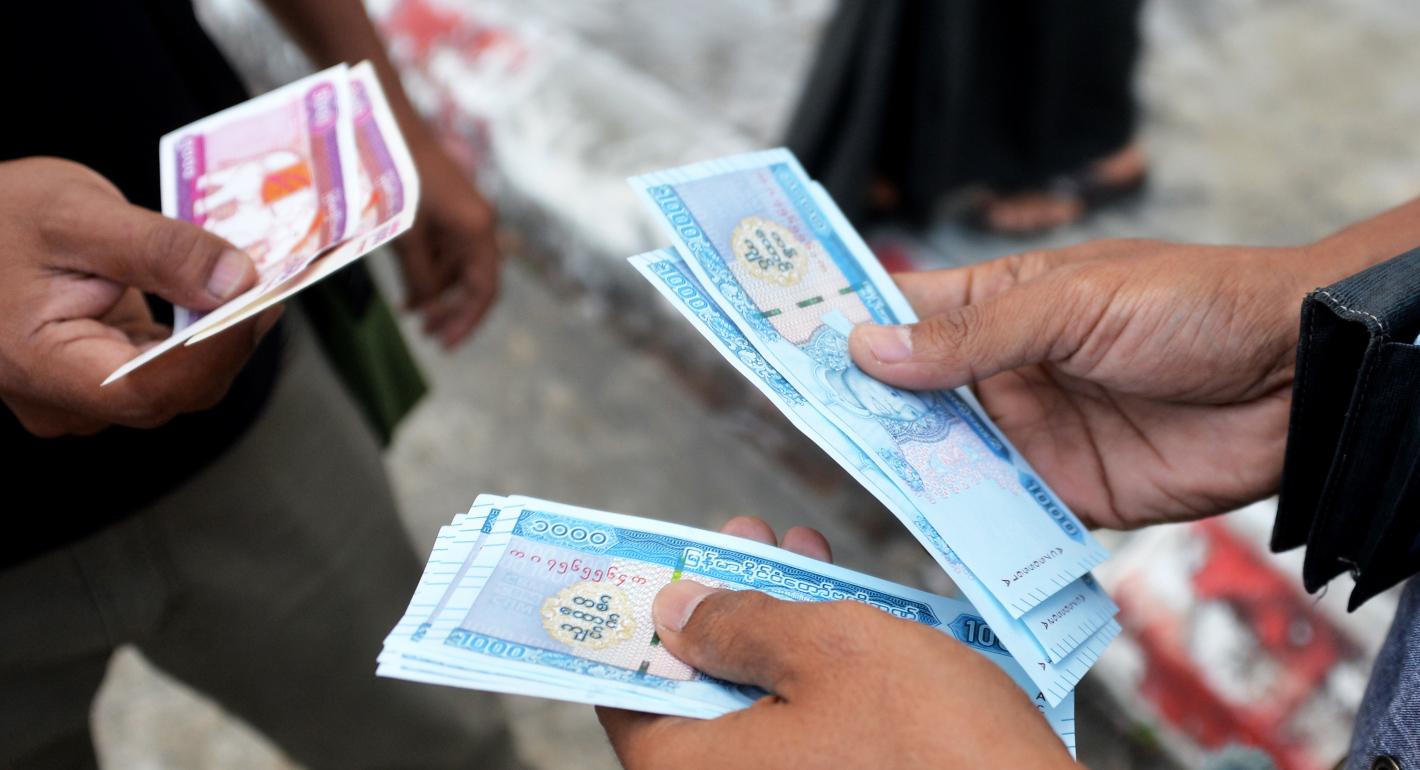
In the last decade, nondemocratic regimes have received more development assistance than democratic countries. This reveals how donors struggle with autocratization despite a rhetorical commitment to democracy.

Marc de Tollenaere
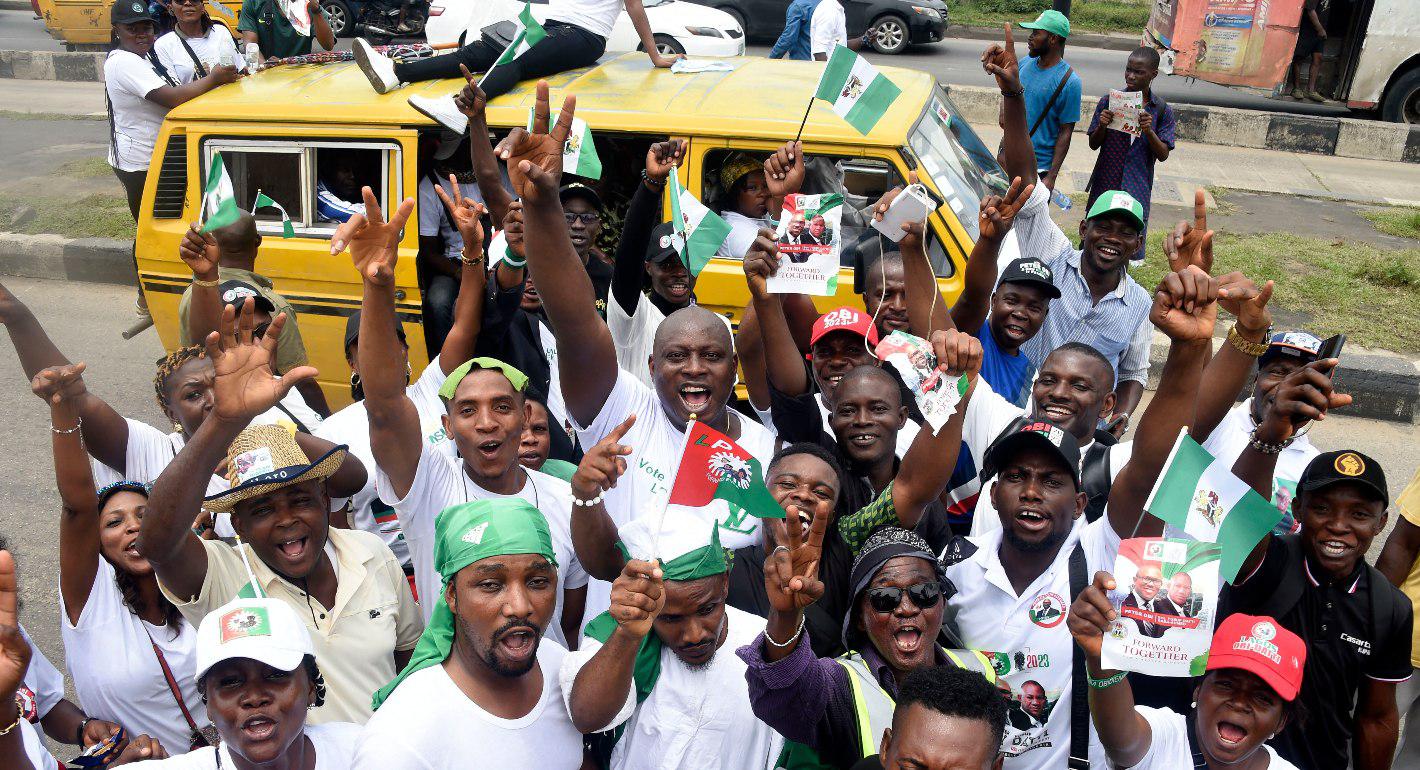
Countries around the world are struggling to bridge the gap between citizens and political elites. Innovative practices outside the West, while far from ideal, should be considered in debates about democratic renewal in Europe.


Richard Youngs, Ken Godfrey
Dissatisfaction with globalization has turned into a powerful force, with unchecked globalism increasingly seen as a threat to the integrity of democratic rule. Policymakers must reframe globalization to mitigate its negative consequences while keeping its core growth-enhancing dynamics intact.

Sinan Ülgen