

Article
Frederic Grare
{
  "authors": [
    "Frederic Grare"
  ],
  "type": "legacyinthemedia",
  "centerAffiliationAll": "dc",
  "centers": [
    "Carnegie Endowment for International Peace"
  ],
  "collections": [],
  "englishNewsletterAll": "ctw",
  "nonEnglishNewsletterAll": "",
  "primaryCenter": "Carnegie Endowment for International Peace",
  "programAffiliation": "SAP",
  "programs": [
    "South Asia"
  ],
  "projects": [],
  "regions": [
    "South Asia",
    "India"
  ],
  "topics": []
}
REQUIRED IMAGE
The trilateral dialogue between Australia, France, and India is at the confluence of three national concepts of the Indo-Pacific that are not totally identical but share two main characteristics: a common willingness to manage the rise of China peacefully and cooperatively, and an intention to keep away from the consequences of the China-U.S. rivalry.

Former Nonresident Senior Fellow, South Asia Program
Frédéric Grare was a nonresident senior fellow at the Carnegie Endowment for International Peace, where his research focuses on Indo-Pacific dynamics, the search for a security architecture, and South Asia Security issues.
Recent Work
Frederic Grare
Frederic Grare
Carnegie does not take institutional positions on public policy issues; the views represented herein are those of the author(s) and do not necessarily reflect the views of Carnegie, its staff, or its trustees.
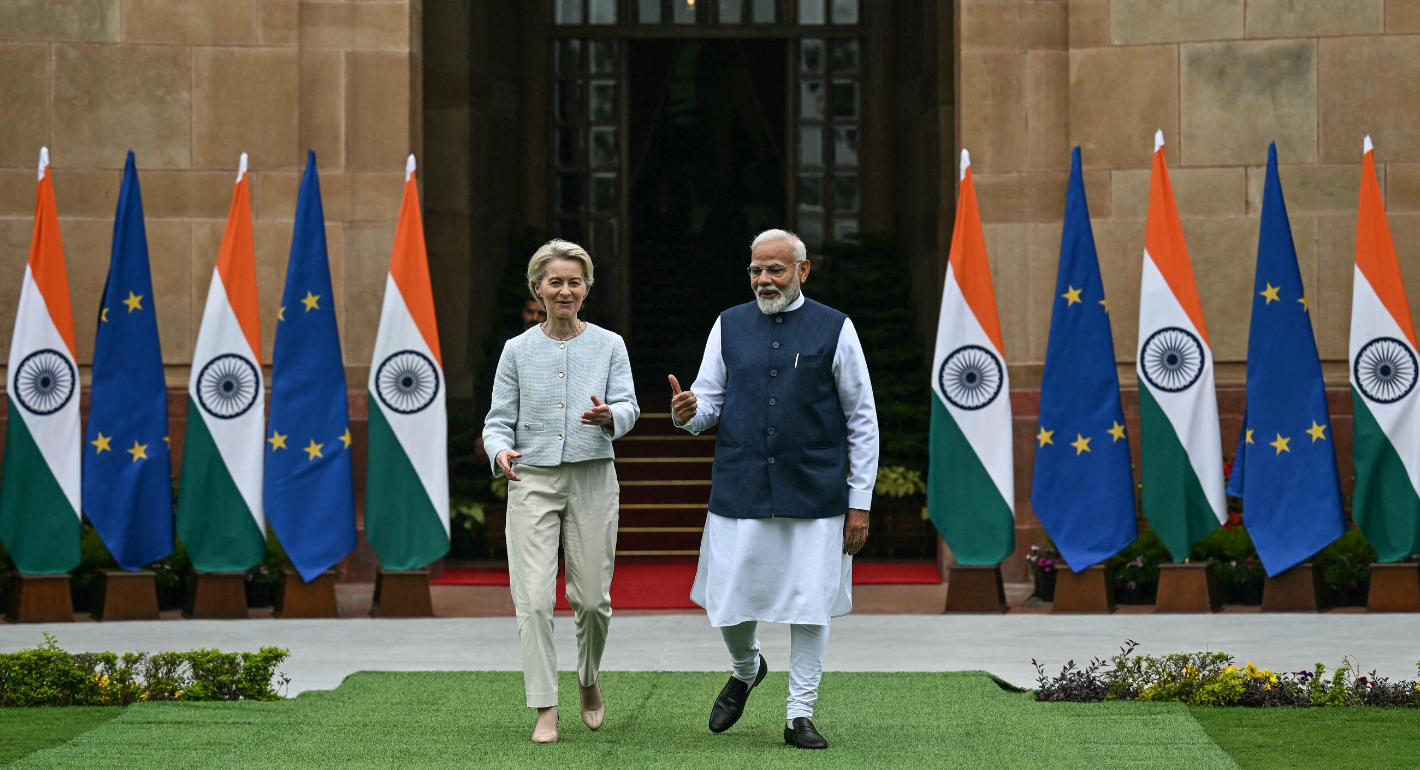
As European leadership prepares for the sixteenth EU-India Summit, both sides must reckon with trade-offs in order to secure a mutually beneficial Free Trade Agreement.

Dinakar Peri
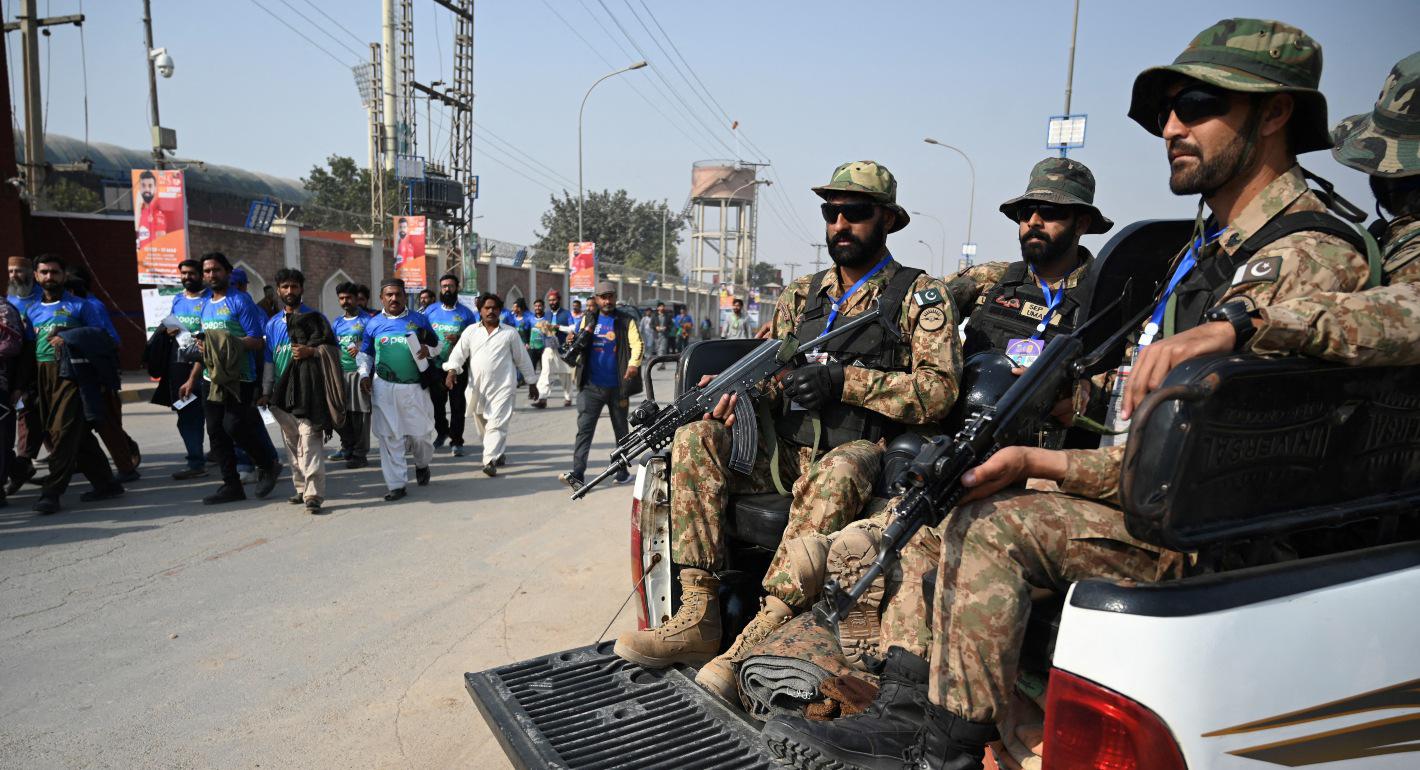
The ways in which democracies interact with autocracies can also play a role in sustaining repressive regimes. Democratic governments must adopt more holistic approaches that offset the negative implications of international engagement.


Nic Cheeseman, Marie-Eve Desrosiers
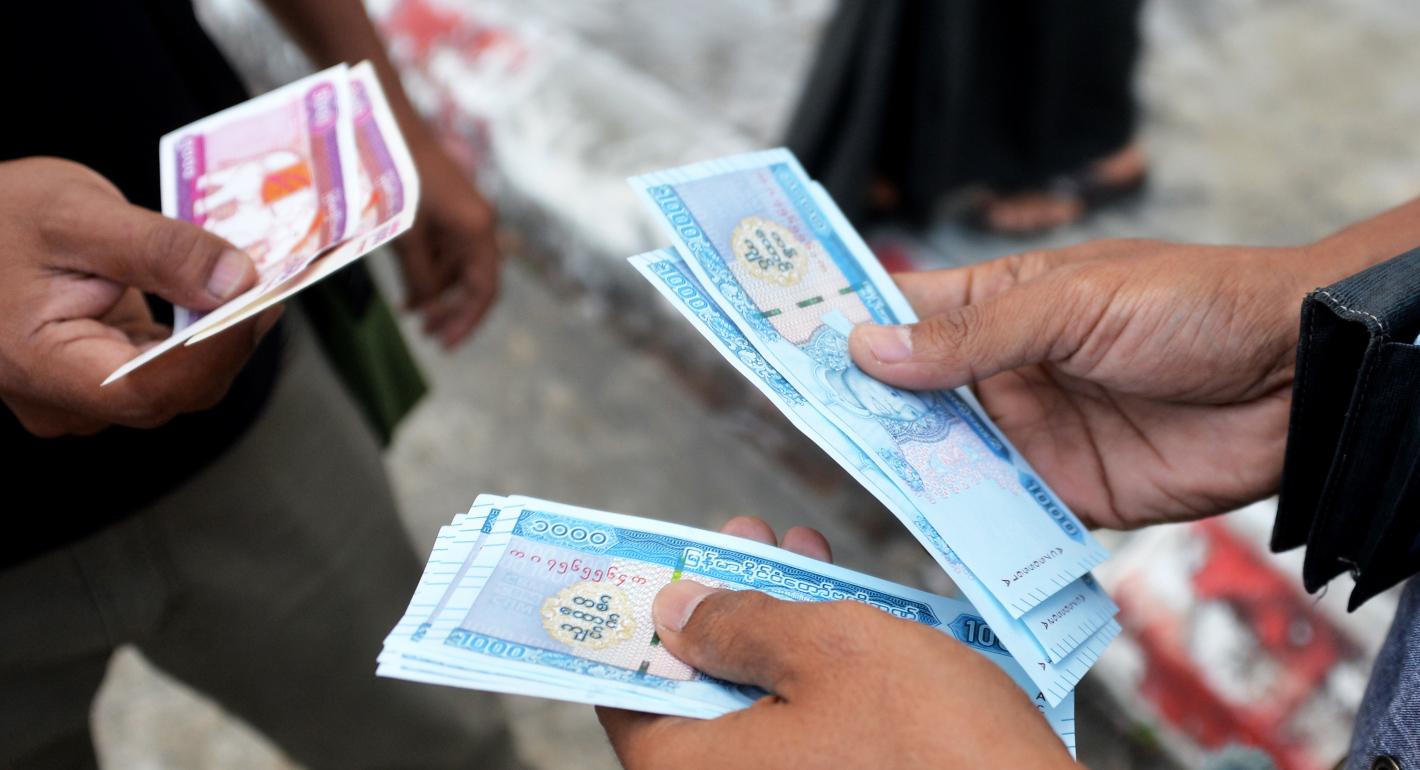
In the last decade, nondemocratic regimes have received more development assistance than democratic countries. This reveals how donors struggle with autocratization despite a rhetorical commitment to democracy.

Marc de Tollenaere
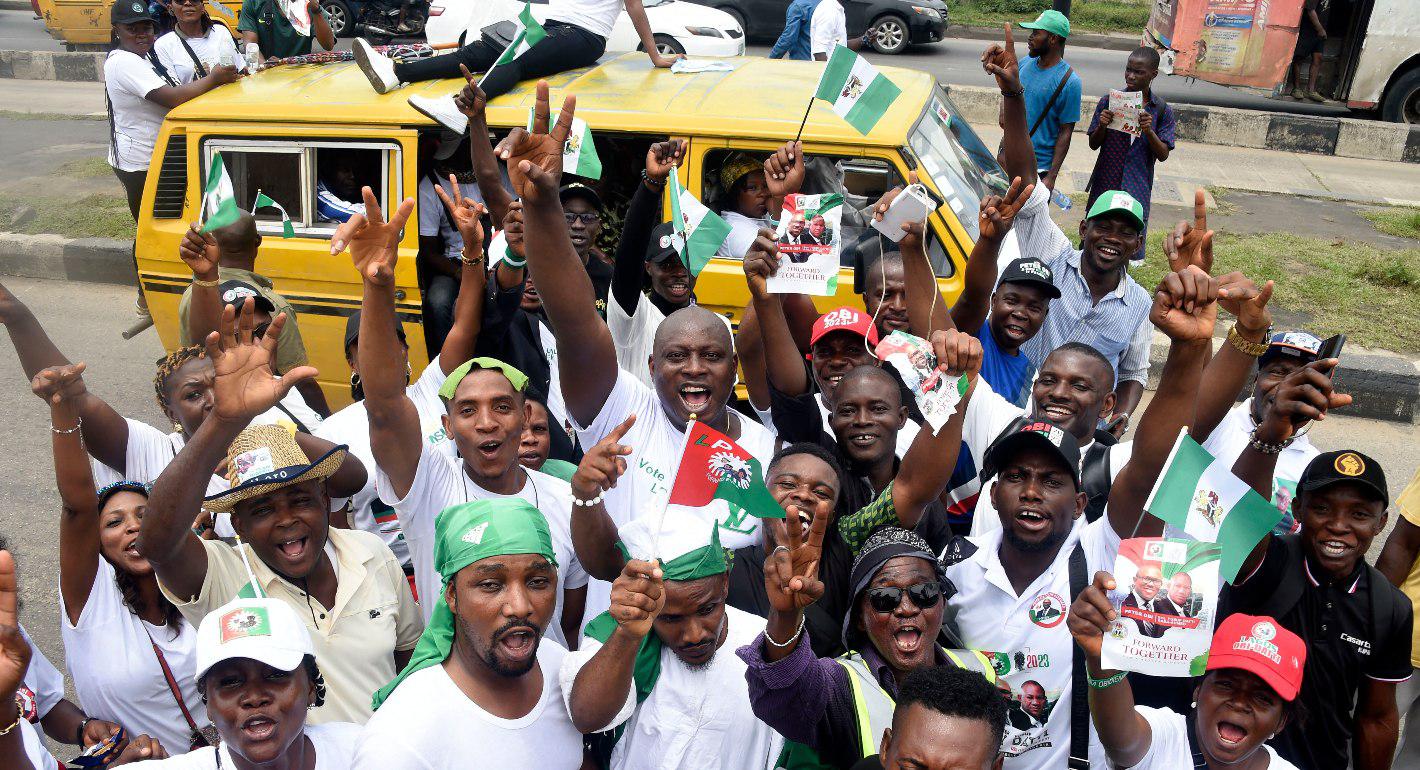
Countries around the world are struggling to bridge the gap between citizens and political elites. Innovative practices outside the West, while far from ideal, should be considered in debates about democratic renewal in Europe.


Richard Youngs, Ken Godfrey
Dissatisfaction with globalization has turned into a powerful force, with unchecked globalism increasingly seen as a threat to the integrity of democratic rule. Policymakers must reframe globalization to mitigate its negative consequences while keeping its core growth-enhancing dynamics intact.

Sinan Ülgen