
• Research
  • Strategic Europe
  • About
  • Experts
Carnegie Europe logoCarnegie lettermark logo
EUUkraine
  • Donate
{
  "authors": [
    "Alexander Gabuev",
    "Andrey Movchan",
    "Maria Shagina"
  ],
  "type": "commentary",
  "centerAffiliationAll": "",
  "centers": [
    "Carnegie Endowment for International Peace",
    "Carnegie Russia Eurasia Center"
  ],
  "collections": [],
  "englishNewsletterAll": "",
  "nonEnglishNewsletterAll": "",
  "primaryCenter": "Carnegie Endowment for International Peace",
  "programAffiliation": "",
  "programs": [],
  "projects": [],
  "regions": [],
  "topics": [
    "Economy"
  ]
}

Source: Getty

Commentary

Podcast: What’s the Point of the Latest U.S. Sanctions Against Russia?

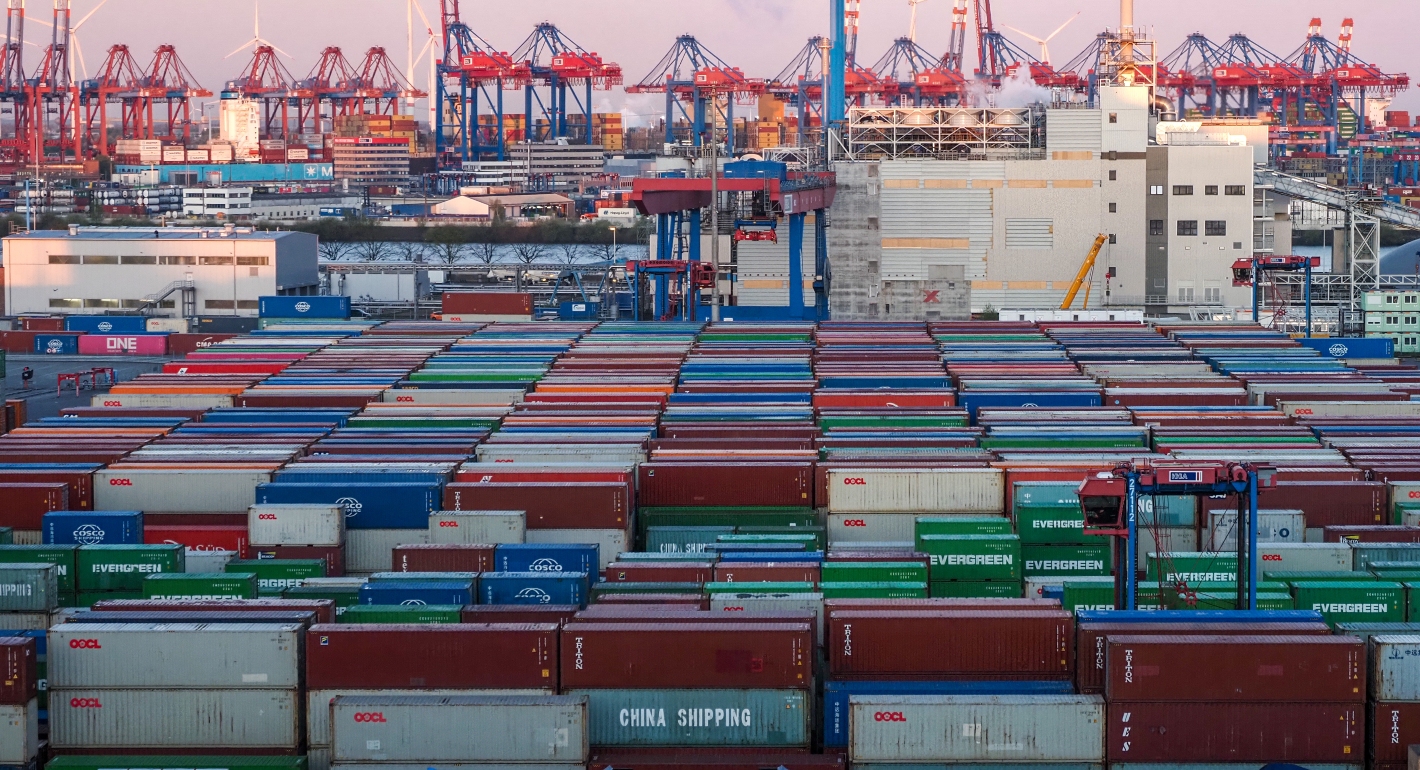
Podcast host Alex Gabuev is joined by Andrey Movchan, a nonresident scholar in the Economic Policy Program at the Carnegie Moscow Center, and Maria Shagina, a postdoctoral fellow at the Center for Eastern European Studies at the University of Zurich, to discuss the impact of Western sanctions on the Russian economy.

Link Copied
By Alexander Gabuev, Andrey Movchan, Dr. Maria Shagina
Published on Apr 30, 2021

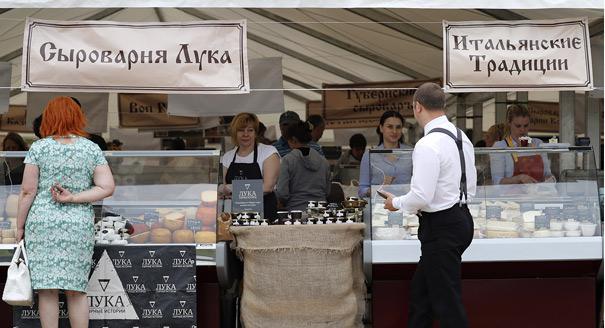
After eight years of Western sanctions, has the Russian economy suffered substantially as a result? Do the latest U.S. sanctions in fact show that Washington is ready to turn the page? How successful has Russia’s import substitution initiative been? And how far do sanctions actually play into the Kremlin’s hands at home?

Listen or download: SoundCloud | Subscribe: iTunes, Google Podcasts, Spotify, RSS

About the Authors

Alexander Gabuev
Alexander Gabuev

Director, Carnegie Russia Eurasia Center

Alexander Gabuev is director of the Carnegie Russia Eurasia Center. Gabuev’s research is focused on Russian foreign policy with particular focus on the impact of the war in Ukraine and the Sino-Russia relationship. Since joining Carnegie in 2015, Gabuev has contributed commentary and analysis to a wide range of publications, including the Financial Times, the New York Times, the Wall Street Journal, and the Economist.

Andrey Movchan

Former Nonresident Scholar, Carnegie Moscow Center

Movchan is a nonresident scholar at the Carnegie Moscow Center.

Dr. Maria Shagina

Dr Maria Shagina is a postdoctoral fellow at the Center for Eastern European Studies (CEES) at the University of Zurich

Authors

Alexander Gabuev
Director, Carnegie Russia Eurasia Center
Alexander Gabuev
Andrey Movchan
Former Nonresident Scholar, Carnegie Moscow Center
Dr. Maria Shagina

Dr Maria Shagina is a postdoctoral fellow at the Center for Eastern European Studies (CEES) at the University of Zurich

Economy

Carnegie does not take institutional positions on public policy issues; the views represented herein are those of the author(s) and do not necessarily reflect the views of Carnegie, its staff, or its trustees.

More Work from Carnegie Europe

  • Commentary
    Strategic Europe
    How Europe Can Survive the AI Labor Transition

    Integrating AI into the workplace will increase job insecurity, fundamentally reshaping labor markets. To anticipate and manage this transition, the EU must build public trust, provide training infrastructures, and establish social protections.

      Amanda Coakley

  • Commentary
    Strategic Europe
    Taking the Pulse: Can the EU Attract Foreign Investment and Reduce Dependencies?

    EU member states clash over how to boost the union’s competitiveness: Some want to favor European industries in public procurement, while others worry this could deter foreign investment. So, can the EU simultaneously attract global capital and reduce dependencies?

      • Rym Momtaz

      Rym Momtaz, ed.

  • Commentary
    Strategic Europe
    Europe Falls Behind in the South Caucasus Connectivity Race

    The EU lacks leadership and strategic planning in the South Caucasus, while the United States is leading the charge. To secure its geopolitical interests, Brussels must invest in new connectivity for the region.

      Zaur Shiriyev

  • Commentary
    Strategic Europe
    The EU and India in Tandem

    As European leadership prepares for the sixteenth EU-India Summit, both sides must reckon with trade-offs in order to secure a mutually beneficial Free Trade Agreement.

      Dinakar Peri

  • Commentary
    Strategic Europe
    Taking the Pulse: Is the EU Too Weak to Be a Global Player?

    Beset by an increasingly hostile United States, internal divisions, and the threat of Russian aggression, the EU finds itself in a make-or-break moment. U.S. President Donald Trump calls it a decaying group of nations headed by weak leaders. Is Europe able to prove him wrong?

      Thomas de Waal

Get more news and analysis from
Carnegie Europe
Carnegie Europe logo, white
Rue du Congrès, 151000 Brussels, Belgium
  • Research
  • Strategic Europe
  • About
  • Experts
  • Projects
  • Events
  • Contact
  • Careers
  • Privacy
  • For Media
  • Gender Equality Plan
Get more news and analysis from
Carnegie Europe
© 2026 Carnegie Endowment for International Peace. All rights reserved.