

Commentary
Nicole Grajewski
{
  "authors": [
    "Nicole Grajewski"
  ],
  "type": "scholarSpotlight",
  "centerAffiliationAll": "dc",
  "centers": [
    "Carnegie Endowment for International Peace"
  ],
  "collections": [
    "Iranian Proliferation"
  ],
  "englishNewsletterAll": "ctw",
  "nonEnglishNewsletterAll": "",
  "primaryCenter": "Carnegie Endowment for International Peace",
  "programAffiliation": "NPP",
  "programs": [
    "Nuclear Policy"
  ],
  "projects": [],
  "regions": [
    "North America",
    "United States",
    "Middle East",
    "Iran",
    "Russia"
  ],
  "topics": [
    "Nuclear Policy"
  ]
}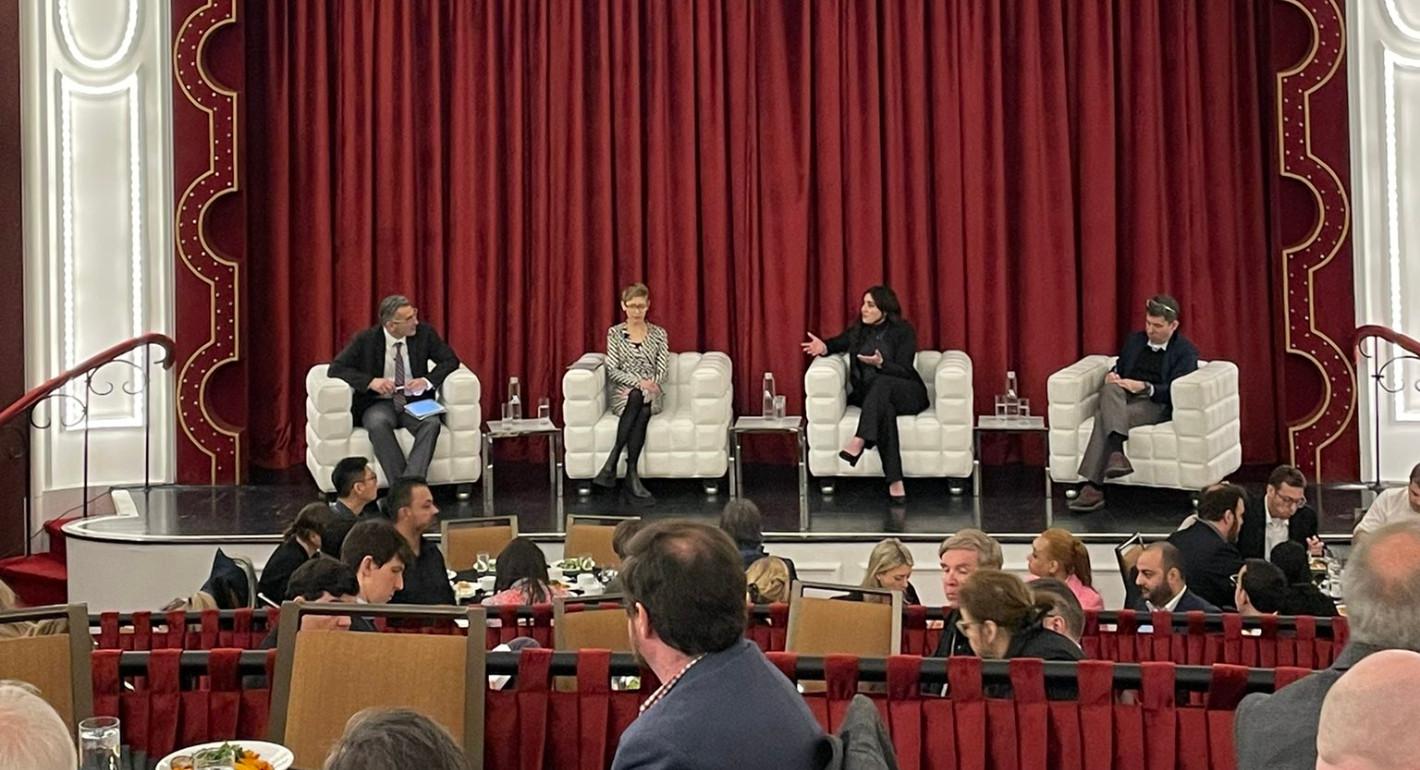
Source: Getty
Within the global nuclear order’s recent instability, Russia and Iran have emerged as two major focal points of U.S. policy.
The global nuclear order has increasingly been characterized by volatility and uncertainty. The progressive erosion of regimes, treaties, and confidence-building measures has been exacerbated by challenges associated with force modernization, regional proliferation, and contested interpretations of the rules governing nuclear safety. Within this unstable environment, Russia and Iran have emerged as two major focal points of U.S. policy.
Both Russia and Iran are important to the global nuclear order for distinct reasons. Russia is a major nuclear power with a significant nuclear arsenal and civilian nuclear energy sector. Though Iran does not possess nuclear weapons, its civilian nuclear activities have long been a concern for U.S. nonproliferation policy.
Due to the unspoken reliance on deterrence, Russia commands significant attention for U.S. nuclear strategy. However, the U.S.-Russia deterrence relationship is rapidly changing due to the emergence of China as a nuclear peer. This means that the future of U.S. nuclear strategy will have to understand both Russian and Chinese intentions as well as their interactions. Meanwhile, Russia remains a leading actor in shaping the norms and practices within the International Atomic Energy Agency as a depository state of the Nuclear Non-Proliferation Treaty and a major supplier of civilian nuclear energy. The war in Ukraine has reinvigorated a global interest in Russian nuclear policies. It has underscored the importance of understanding Moscow’s views about the future of deterrence and strategic stability as well as Russian approaches to nonproliferation and nuclear security.
Iran has also demonstrated its ability to shape the global nuclear order. For the past two decades, the Iran nuclear issue has been one of the two abiding concerns of the nuclear nonproliferation regime. This concern is ongoing, as the Iranian nuclear program has expanded progressively since the administration of president Donald Trump withdrew the United States from the Iran nuclear deal, formally known as the Joint Comprehensive Plan of Action (JCPOA).
My research has centered on the interplay between Russia and Iran, dissecting their individual foreign policies and evolving perspectives within the global nuclear order. My doctoral dissertation at the University of Oxford studied the evolution of Russian and Iranian debates about international order, with an emphasis on their views about the global nuclear order. I relied on Russian- and Persian-language sources, and I conducted elite interviews and archival research in Russia. My upcoming book with Hurst Publishers extends this analysis, exploring the dynamics of military and technical cooperation between Russia and Iran.
A major aspect of my work involves the study of Russian and Iranian nuclear decisionmaking by examining the countries’ domestic debates about the global nuclear order and identifying the drivers of their policies. One of my flagship projects as a Stanton Nuclear Fellow at Harvard University focused on Russia’s involvement in international efforts to ensure the civilian nature of Iran’s nuclear program and its shifting position since the war in Ukraine. Because of Russia’s involvement in Iran’s civilian nuclear program through the Bushehr nuclear reactor, Moscow’s technical expertise was an asset in the negotiations that eventually culminated in the JCPOA.. Russia often used this as leverage over Iran and as a way to seek concessions from the West during the negotiations.
I am excited to join Carnegie’s Nuclear Policy Program, where I plan to further explore Russian and Iranian policies within the global nuclear order. Leveraging my regional expertise, I hope to shed light on and offer solutions to the nuclear risks and challenges involving both Russia and Iran. My work seeks to contribute to U.S. policy discussions by providing nuanced insights into the nuclear decisionmaking processes of Russia and Iran, fostering a more stable and secure nuclear environment.
I plan to focus on Russia’s views of the future of deterrence, given China’s nuclear buildup and a potential trilateral nuclear arms race between Washington, Moscow, and Beijing. My research will also explore the internal dynamics that shape Iran’s perception of its technical progress and the trajectory of its nuclear policies since 2019. Carnegie’s Nuclear Policy Program is the ideal home for me to study these policies, and I am honored and privileged to join an organization with such esteemed scholars and innovative research.
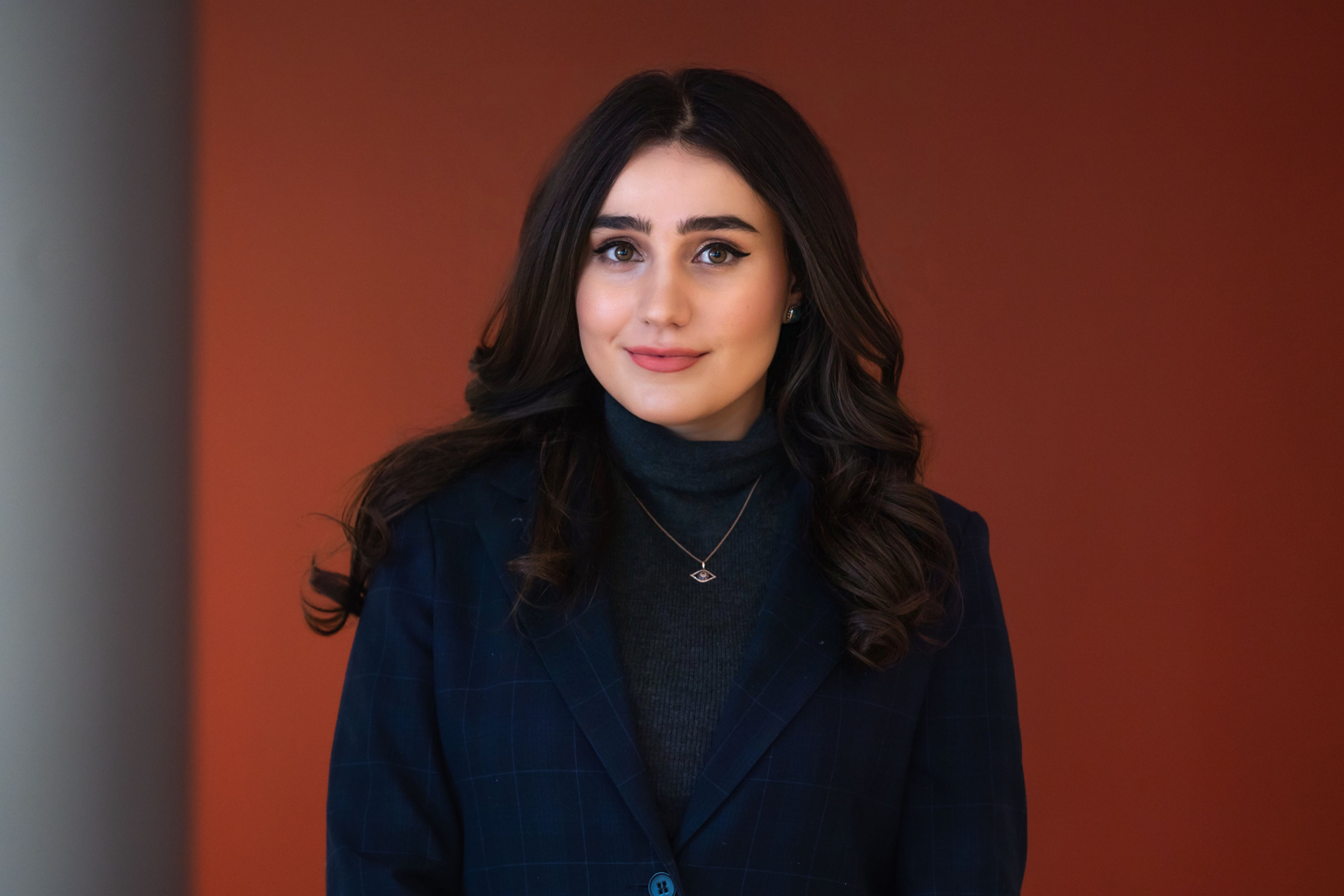
Nonresident Scholar, Nuclear Policy Program
Nicole Grajewski is a nonresident scholar in the Nuclear Policy Program at the Carnegie Endowment for International Peace.
Recent Work
Nicole Grajewski
Nicole Grajewski
Carnegie does not take institutional positions on public policy issues; the views represented herein are those of the author(s) and do not necessarily reflect the views of Carnegie, its staff, or its trustees.

The EU can impose sanctions but struggles to enforce them without the United States. With Washington increasingly disinterested in backing European interests, the bloc must now fend for itself.


Nicu Popescu, Tiago Antunes

Russia is testing the waters of NATO’s mutual defense clause. What do strikes in Romanian territorial waters mean for the alliance’s posture toward Moscow?

Dimitar Bechev

Ahead of a tough winter for Ukraine, Donald Trump’s swing back toward Russia bodes ill. But instead of panicking, Kyiv’s European allies are focusing on action.

Rym Momtaz

While the EU and European governments are embracing the much-lauded middle-power moment, this entails three difficult conundrums.

Richard Youngs

Europe is facing rising populism internally as well as external pressures from Russia, China, Turkey, and the United States.
Dimitar Bechev