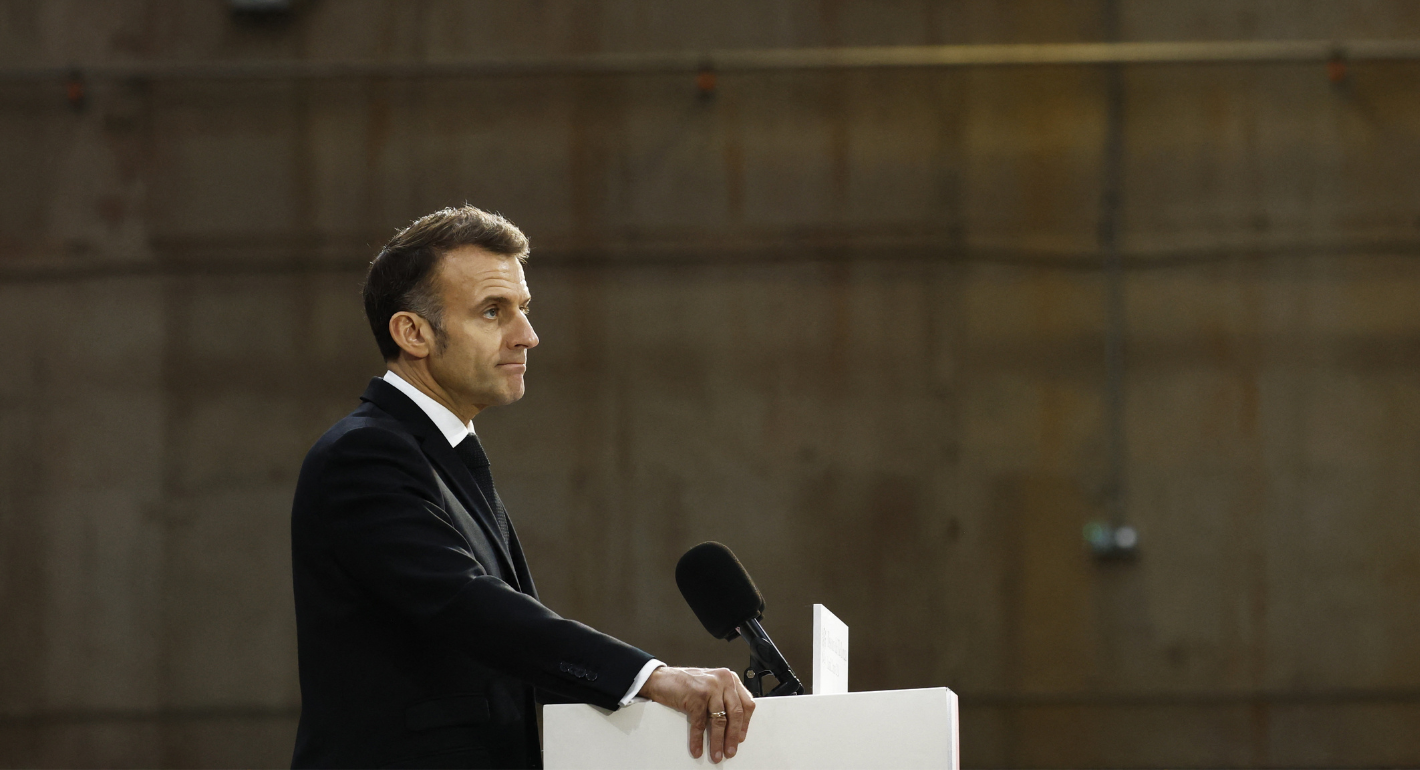

French President Emmanuel Macron has unveiled his country’s new nuclear doctrine. Are the changes he has made enough to reassure France’s European partners in the current geopolitical context?
Rym Momtaz, ed.
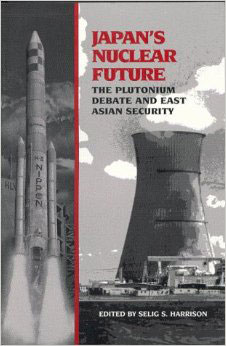
Japan's policy of basing its nuclear power program on reprocessed plutonium has aroused widespread suspicion, especially in neighboring East Asian countries, that Japan is secretly planning to develop nuclear weapons.
Source: Washington, DC: Carnegie Endowment for International Peace, 1996

Summary
Japan's policy of basing its nuclear power program on reprocessed plutonium has aroused widespread suspicion, especially in neighboring East Asian countries, that Japan is secretly planning to develop nuclear weapons. This book presents the views of a leading Japanese proponent of the reprocessing policy, Atsuyuki Suzuki, Professor of Nuclear Engineering at Tokyo University; a leading critic, Jinzaburo Takagi, Director of the Citizens Nuclear Information Center; and Taewoo Kim, a South Korean specialist who warns that the Japanese nuclear program could lead Seoul to pursue a reprocessing capability of its own.
An introductory essay by Selig S. Harrison analyzes the history of the domestic debate in Japan over the acquisition of nuclear weapons and assesses the possibility of a Japanese nuclear weapons program.
This unique and important book provides the international community with unprecedented access to a range of sophisticated Asian views on the possibility that Japan may convert its nuclear-energy programme to a nuclear-weapons programme... Harrison pulls no punches [and] no one has been as ambitiously comprehensive in offering policy options to enhance nuclear safety in the region.
-Survival, The IISS Quarterly
Carnegie does not take institutional positions on public policy issues; the views represented herein are those of the author(s) and do not necessarily reflect the views of Carnegie, its staff, or its trustees.
French President Emmanuel Macron has unveiled his country’s new nuclear doctrine. Are the changes he has made enough to reassure France’s European partners in the current geopolitical context?
Rym Momtaz, ed.
For years, the United States anchored global cyber diplomacy. As Washington rethinks its leadership role, the launch of the UN’s Cyber Global Mechanism may test how allies adjust their engagement.
Patryk Pawlak, Chris Painter
Europe’s reaction to the war in Iran has been disunited and meek, a far cry from its previously leading role in diplomacy with Tehran. To avoid being condemned to the sidelines while escalation continues, Brussels needs to stand up for international law.
Pierre Vimont
France has stopped clinging to notions of being a great power and is embracing the middle power moment. But Emmanuel Macron has his work cut out if he is to secure his country’s global standing before his term in office ends.
Rym Momtaz
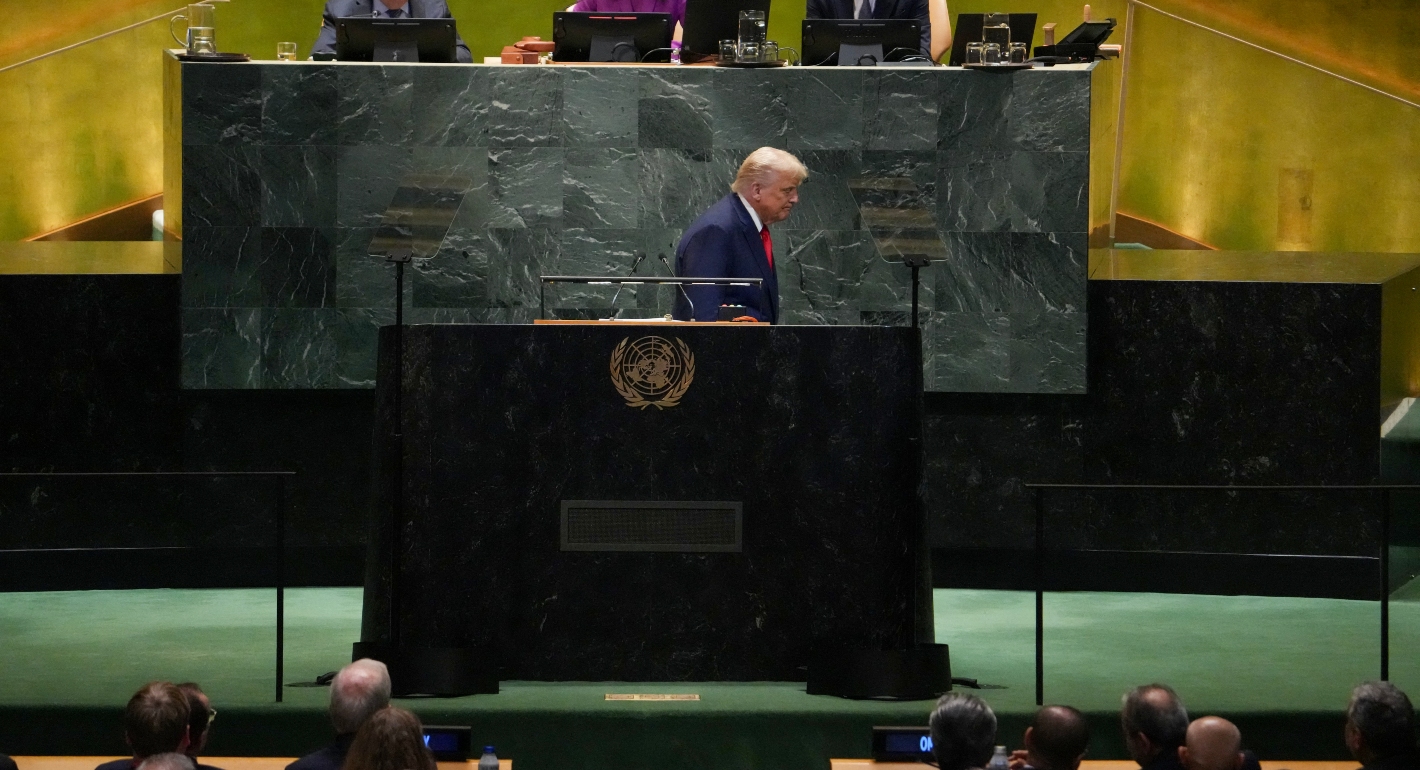
In Donald Trump’s second term in office, the transatlantic relationship that helped define the postwar European project and global order appears broken. Is it time for Brussels to chart its own path?
Nathalie Tocci, Jan Techau