

Commentary
While the EU and European governments are embracing the much-lauded middle-power moment, this entails three difficult conundrums.
Richard Youngs

Source: Washington, DC: Carnegie Endowment for International Peace, 2000
A report based on the Bangkok meeting of the Carnegie Economic Reform NetworkThe Politics of the Economic Crisis in Asia: Consensus and Controversies offers an assessment of the political economy factors that contributed to the Asian financial crisis and that will shape its recovery. It reports the findings of the Carnegie Economic Reform Network meeting in Bangkok in June 1999, which included former financial Ministers, high ranking regional officials and academics, and staff of the Carnegie Endowment for International Peace.
This publication was prepared by Lesley O'Connell under the direction of Nancy Birdsall. The Background paper on which it is based was prepared by Stephan Haggard, with input before the meeting and revision after by Daniel Morrow, Nancy Birdsall, and David Lipton. 62 pp.
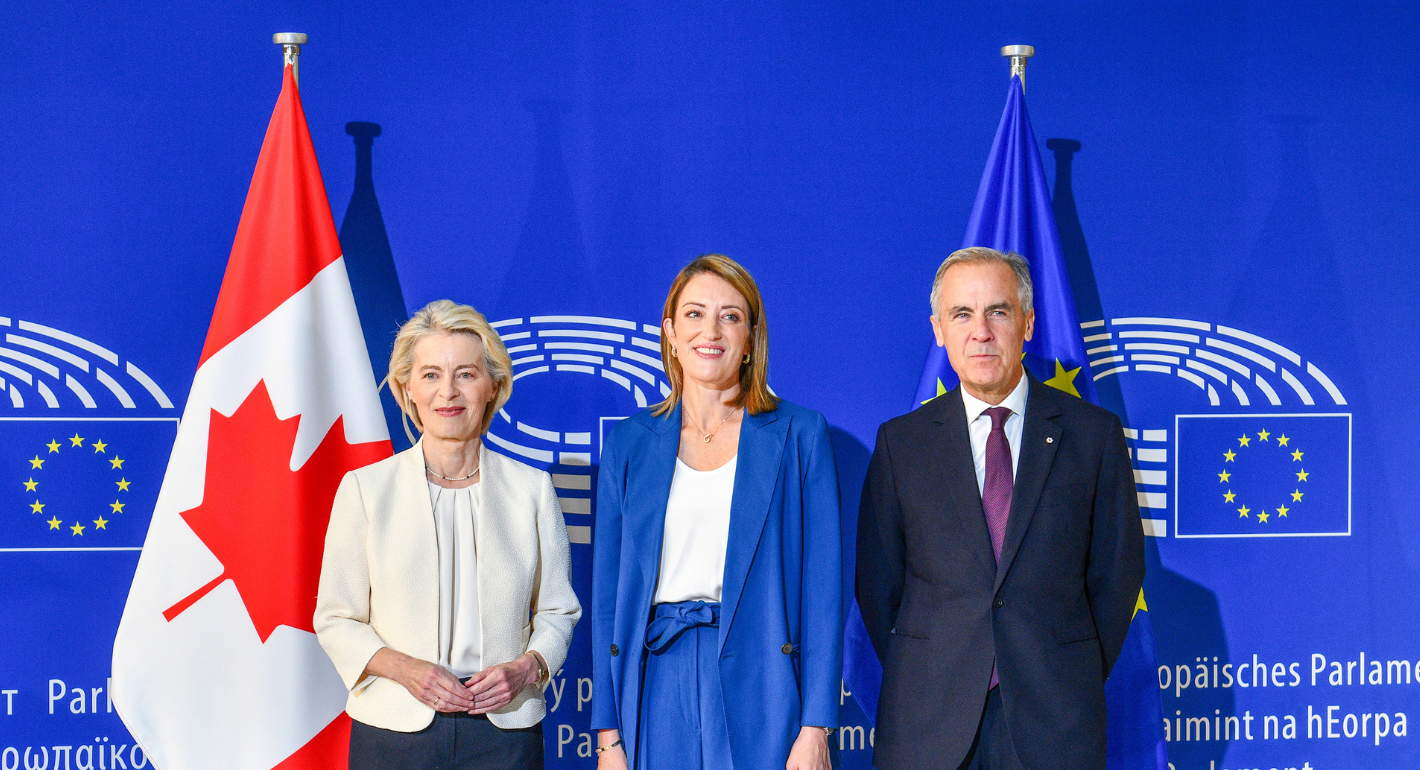
While the EU and European governments are embracing the much-lauded middle-power moment, this entails three difficult conundrums.

Richard Youngs
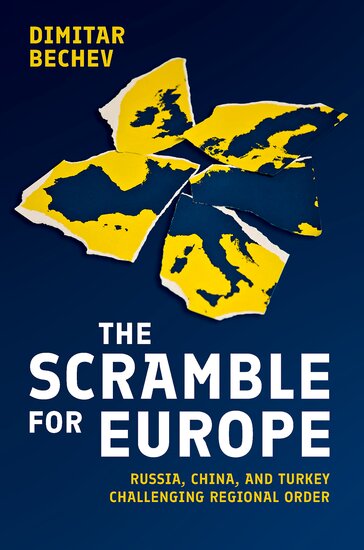
Europe is facing rising populism internally as well as external pressures from Russia, China, Turkey, and the United States.

Dimitar Bechev
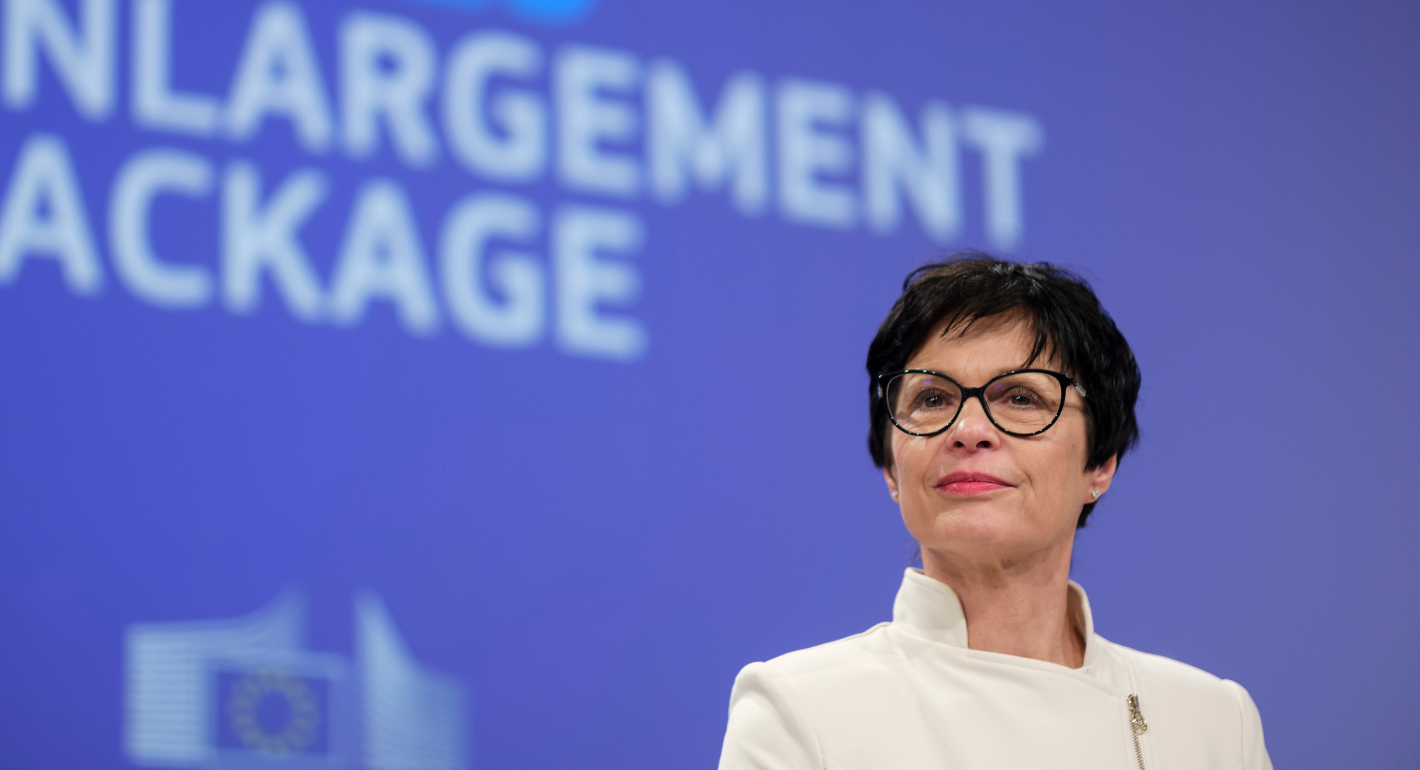
Much has been said of the changes Brussels is trying to make to the EU enlargement process. Here’s why gradual integration might—or might not—be the answer.
Dimitar Bechev
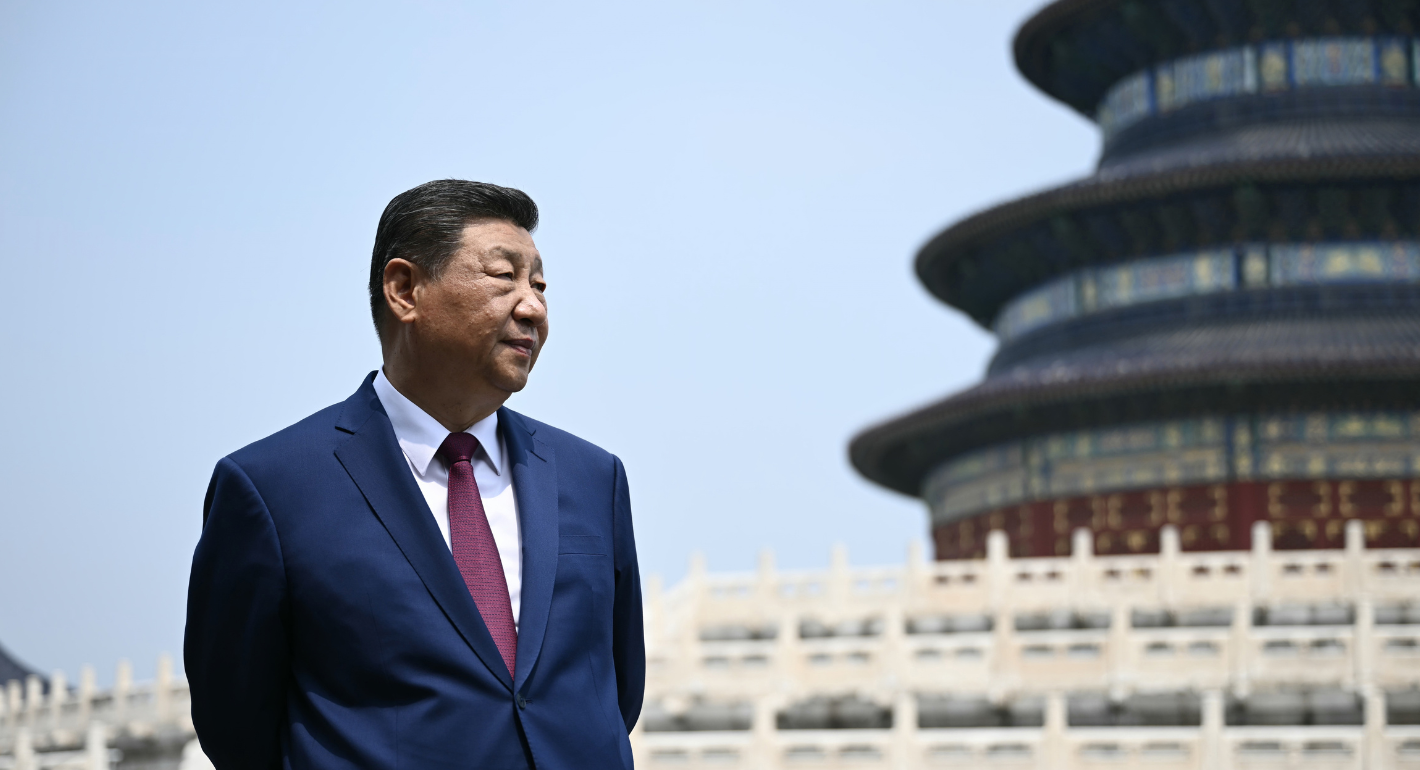
The European Commissioner for Trade is headed to China. But after President Xi’s bridge-building visit to Washington, can a more isolated EU overcome Beijing’s stranglehold on critical raw materials? Who will blink first?

Rym Momtaz, ed.
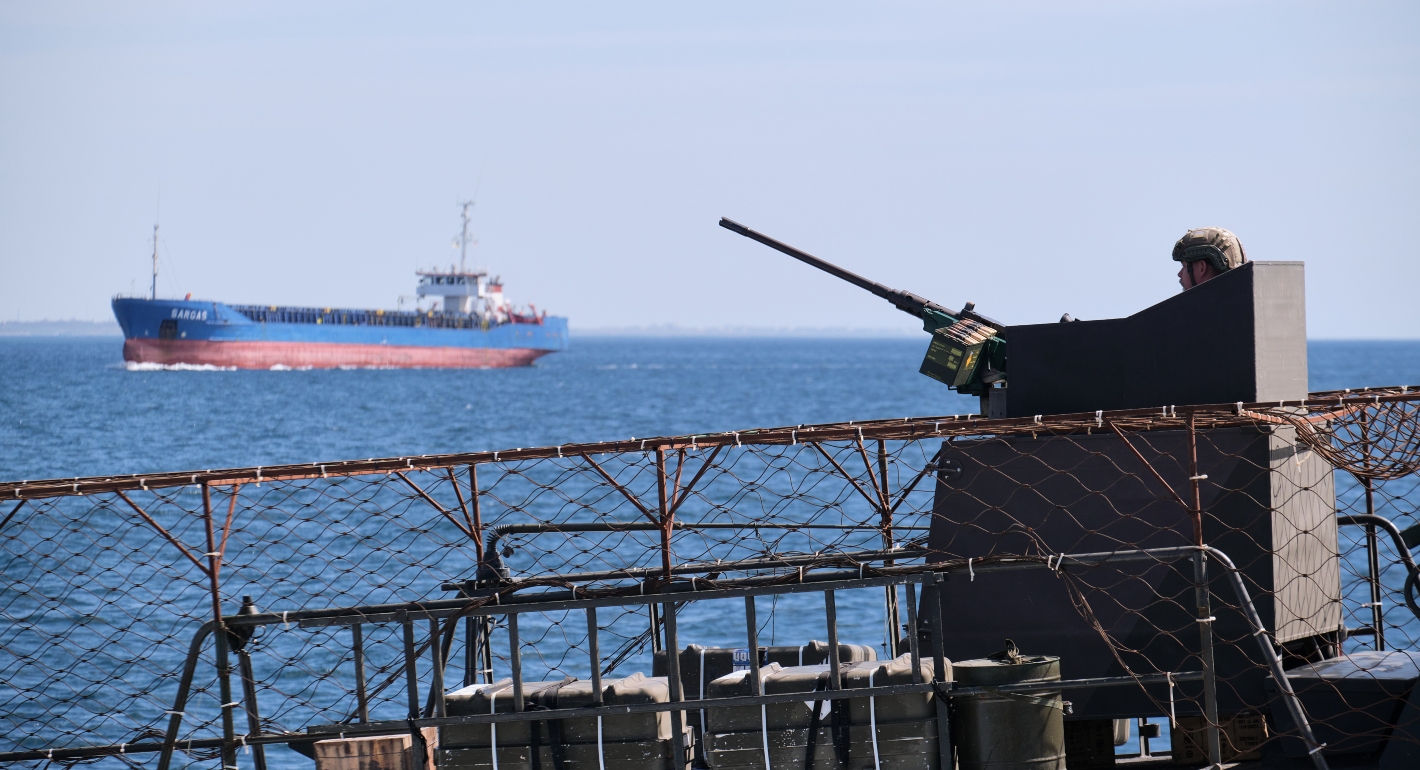
A summer of escalation in the Black Sea has hurt Ukraine economically and is exacerbating world food security. A truce is needed—as is a broader reframing of Europe’s Ukraine strategy.

Thomas de Waal