

Research
The EU and ASEAN have diverging priorities in climate, security, technology, trade, and democracy. Stronger cooperation in these fields would enable the two blocs to tackle shared challenges and pursue common interests.
Lizza Bomassi

REQUIRED IMAGE
In a major, potentially disastrous development, the Bush Administration - according to news reports - intends to stop certifying to Congress that North Korea is in compliance with the agreement reached in 1994, known formally as the Agreed Framework. While the administration intends to continue its implementation of the pact, this failure to certify North Korea's compliance will only increase outside criticism of the Agreed Framework and call its successful and full implementation into doubt.
In 1994, the United States managed, at the near risk of war, to freeze North Korea's nuclear weapons program in its tracks and stop its production of weapons-grade plutonium. This freeze was achieved by agreeing to build for North Korea two modern, proliferation-resistant nuclear power reactors. Before the reactors are completed, North Korea must make a full and verified accounting of its past nuclear activities to the satisfaction of the International Atomic Energy Agency.
In a major, potentially disastrous development, the Bush Administration - according to news reports - intends to stop certifying to Congress that North Korea is in compliance with the agreement reached in 1994, known formally as the Agreed Framework. While the administration intends to continue its implementation of the pact, this failure to certify North Korea's compliance will only increase outside criticism of the Agreed Framework and call its successful and full implementation into doubt.
Critics of the deal have long complained that providing North Korea with modern reactors in exchange for an end to their weapons production program was too risky and only rewarded Pyongyang's blackmail-like threat to withdraw from the Nuclear Nonproliferation Treaty. In addition, allegations that North Korea continues to operate secret, underground nuclear production sites - allegations discredited through on-site inspections by U.S. personnel - have continued to circulate. Moreover, in recent years, opponents of the engagement policy toward North Korea have complained that the country is not moving fast enough to satisfy the IAEA and come clean about its past plutonium production activities.
If North Korea is not complying with the provisions of the Agreed Framework, then the Bush administration has a responsibility to the American people and to U.S. allies to make evidence of North Korea's violations public and work through the U.N. Security Council to take appropriate action. But if no evidence of non-compliance or violations exists, it is dangerous and ill advised for the administration to risk the collapse of an arrangement that has prevented North Korea from producing over 140 nuclear weapons worth of plutonium. Provoking a crisis in East Asia, while the war in Afghanistan is on going and a potential war in Iraq is looming, unless U.S. security is directly threatened, would be a mistake and miscalculation of massive proportions. To do so to settle old scores against the previous administration's non-proliferation approach would be petty and negligent.
Carnegie does not take institutional positions on public policy issues; the views represented herein are those of the author(s) and do not necessarily reflect the views of Carnegie, its staff, or its trustees.
The EU and ASEAN have diverging priorities in climate, security, technology, trade, and democracy. Stronger cooperation in these fields would enable the two blocs to tackle shared challenges and pursue common interests.

Lizza Bomassi
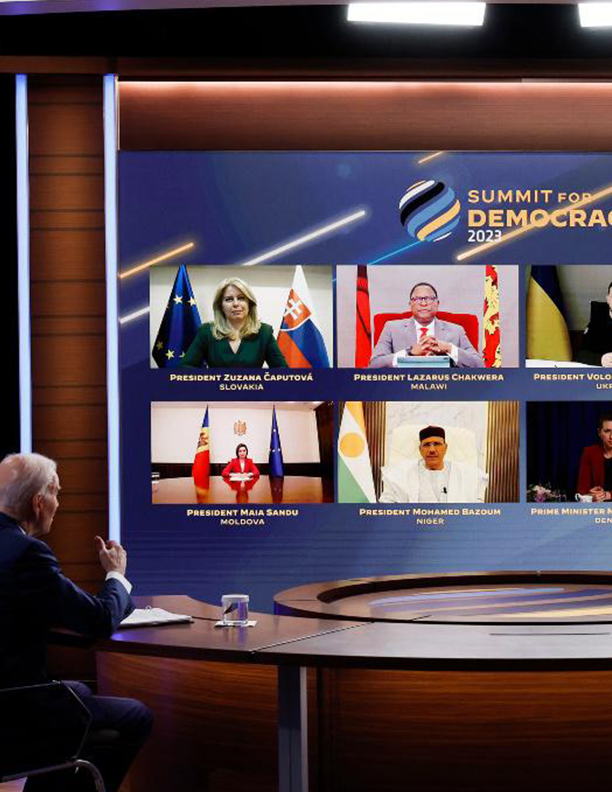
Leaders agreed that the Summit for Democracy process will continue to improve coordination among democracies. If the EU is to prove its credibility and effectiveness, concrete actions are needed in the months ahead.



Richard Youngs, Ken Godfrey, Thomas Carothers, …
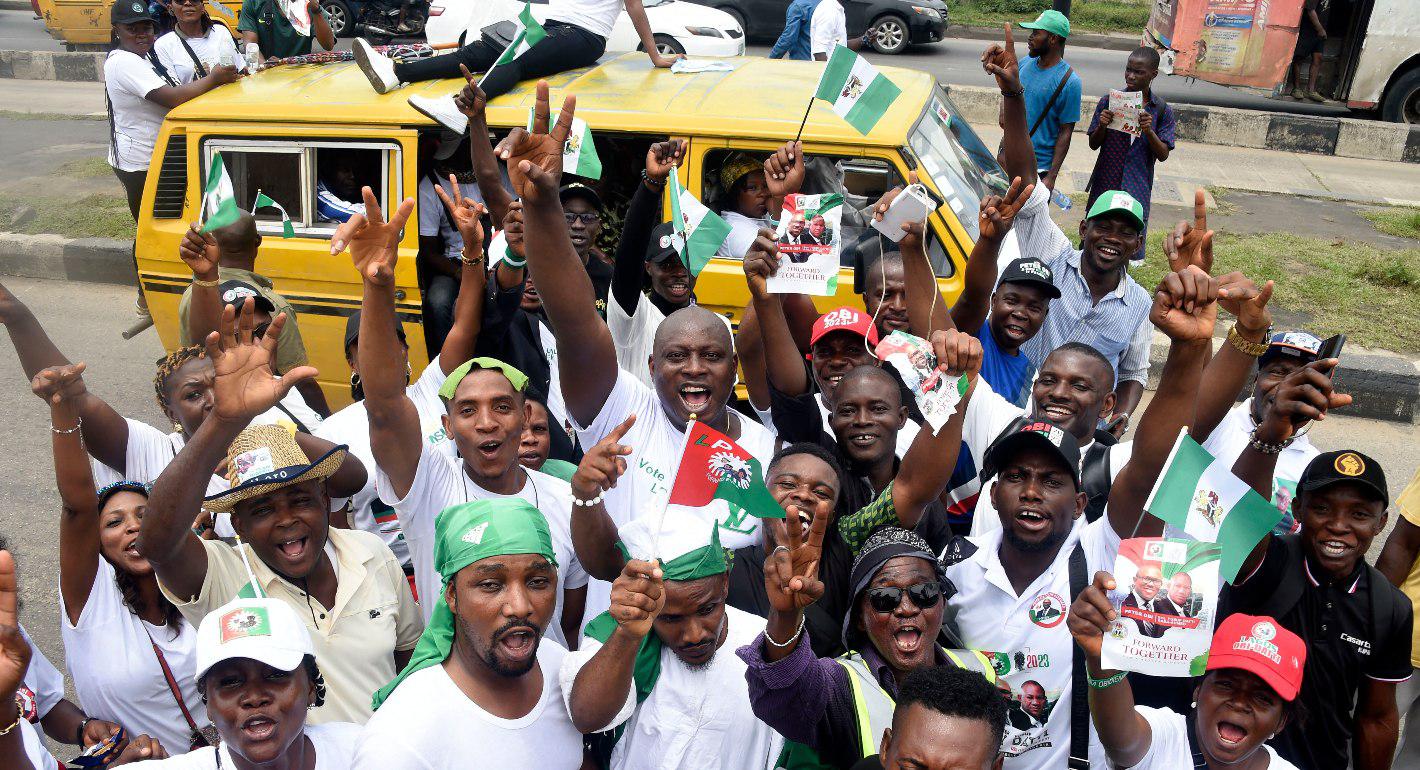
Countries around the world are struggling to bridge the gap between citizens and political elites. Innovative practices outside the West, while far from ideal, should be considered in debates about democratic renewal in Europe.
Richard Youngs, Ken Godfrey
Innovative forms of deliberative and participatory democracy from outside the West can inspire reform in European states.
Richard Youngs, Ken Godfrey
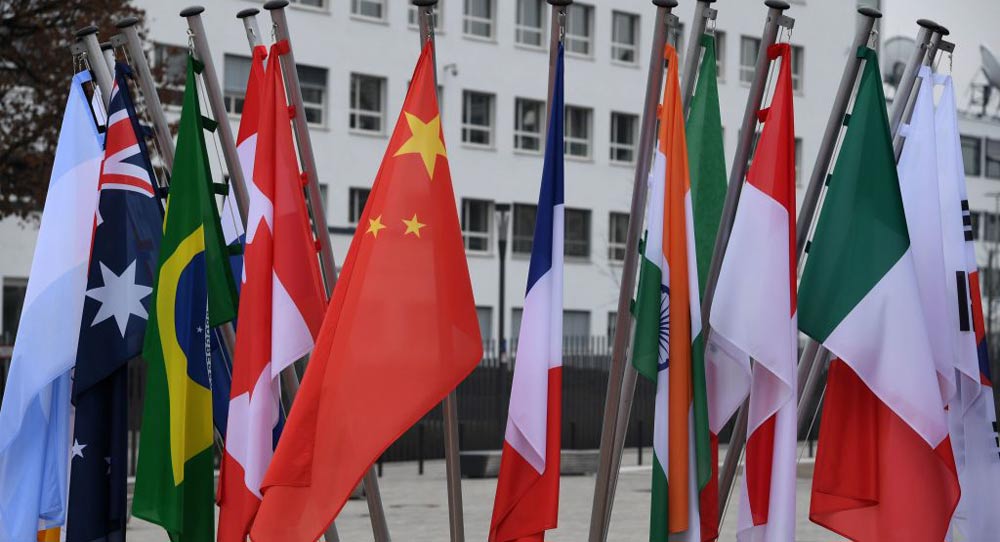
Many non-European countries are reassessing their views of the EU against a background of Trumpism, populism, and globalization.

Judy Dempsey