

Commentary
As Russia's war on Ukraine drags on, NATO is expanding its footprint in the Black Sea. Turkey, Romania, and Bulgaria are upgrading their fleets and deepening trilateral cooperation.
Dimitar Bechev

REQUIRED IMAGE
Source: Carnegie
Summary
The Bush Administration's Nuclear Posture Review, leaked earlier this year, advocates new nuclear weapons designed to destroy underground bunkers and neutralize caches of chemical and biological weapons. A new approach to developing non-nuclear weapons for attacking underground bunkers and chemical and biological weapons is urgently needed. Research currently is too focused on weapons systems to the neglect of intelligence assets, and non-nuclear weapons are not being sufficiently explored. This new working paper compares the potential of new nuclear weapons with that of innovative non-nuclear weapons, demonstrating that proponents of tactical nuclear weapons have consistently overestimated their destructive potential while underestimating the battlefield problems they would pose. The report's comprehensive review of non-nuclear technologies will be of immense assistance to anyone addressing weapons that might be used in a war with Iraq.
Click on link above for full text of this Carnegie Paper.
About the Author
Michael A. Levi is Director of the Strategic Security Project at the Federation of American Scientists. His current research focuses on nuclear weapons development and on nuclear terrorism. He is a doctoral candidate in physics at Princeton University.
Also published by Carnegie, Deadly Arsenals: Tracking Weapons of Mass Destruction provides the most comprehensive assessment available on WMD, and charts the spread of nuclear, chemical, and biological weapons and missile delivery systems. Click here to read an excerpt.
For more information on weapons of mass destruction, visit the Carnegie Endowment's Non-Proliferation Project page.
A limited number of print copies are available of this report.
Request a copy.
Michael A. Levi
Carnegie does not take institutional positions on public policy issues; the views represented herein are those of the author(s) and do not necessarily reflect the views of Carnegie, its staff, or its trustees.
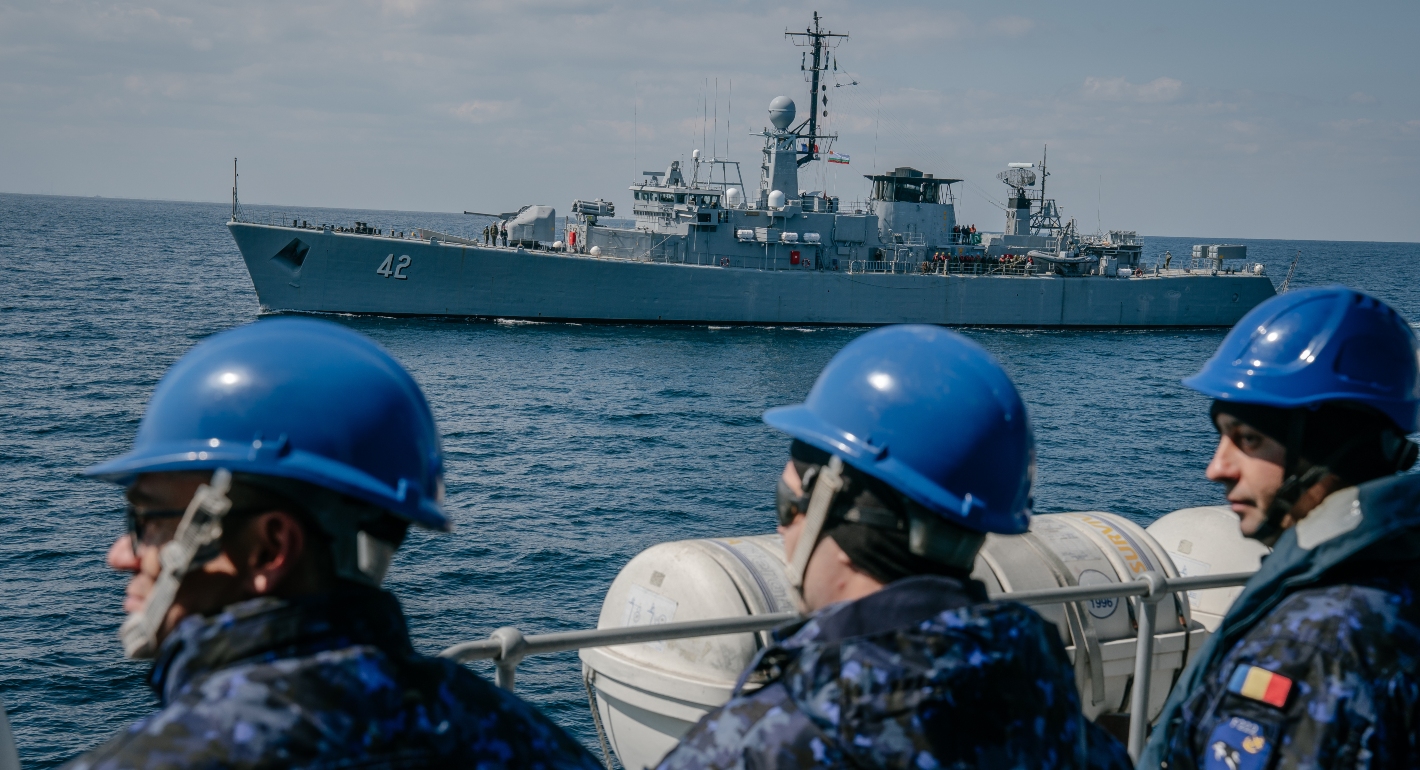
As Russia's war on Ukraine drags on, NATO is expanding its footprint in the Black Sea. Turkey, Romania, and Bulgaria are upgrading their fleets and deepening trilateral cooperation.

Dimitar Bechev
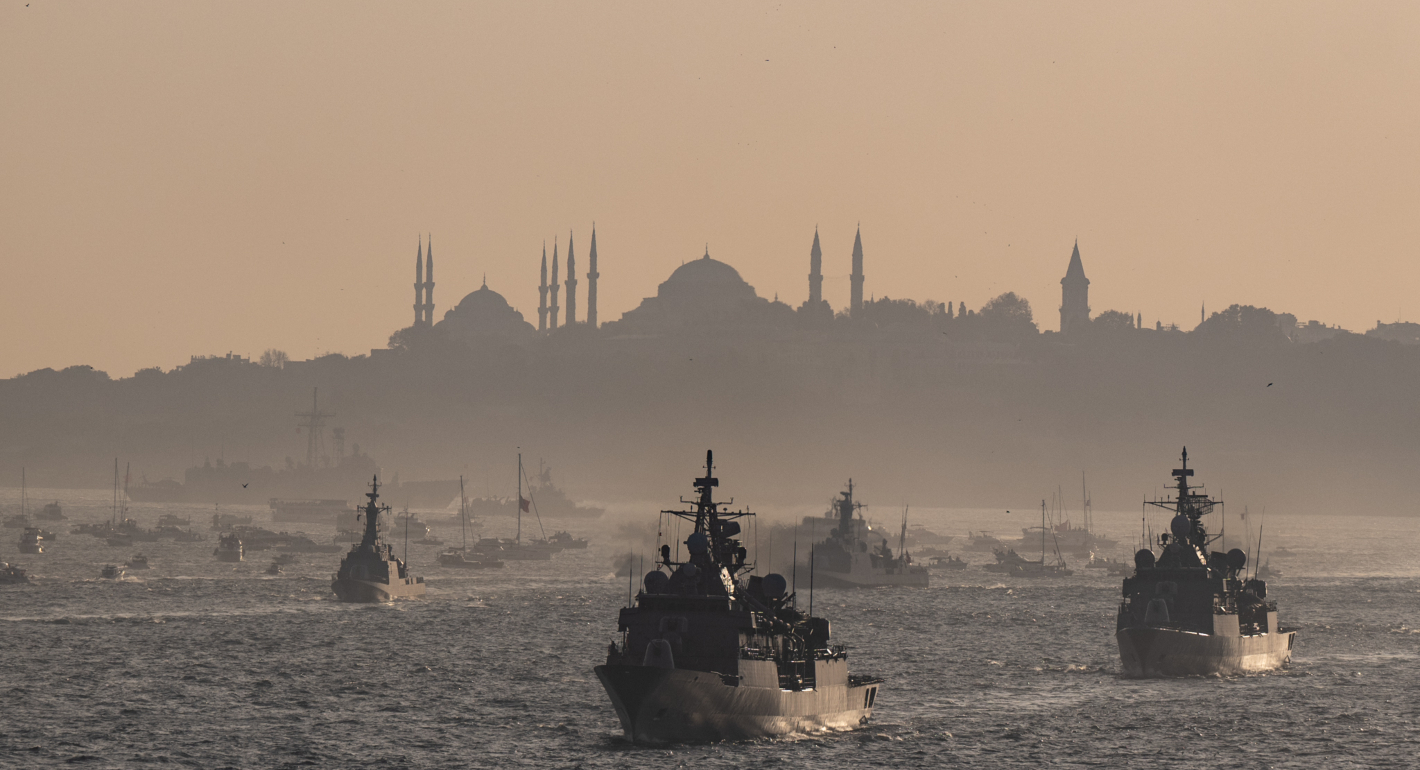
For ninety years, Turkey has been positioned as the principal gatekeeper of Black Sea security. As a result, European and NATO efforts to support Ukraine will require closer engagement with Ankara.

Thomas de Waal
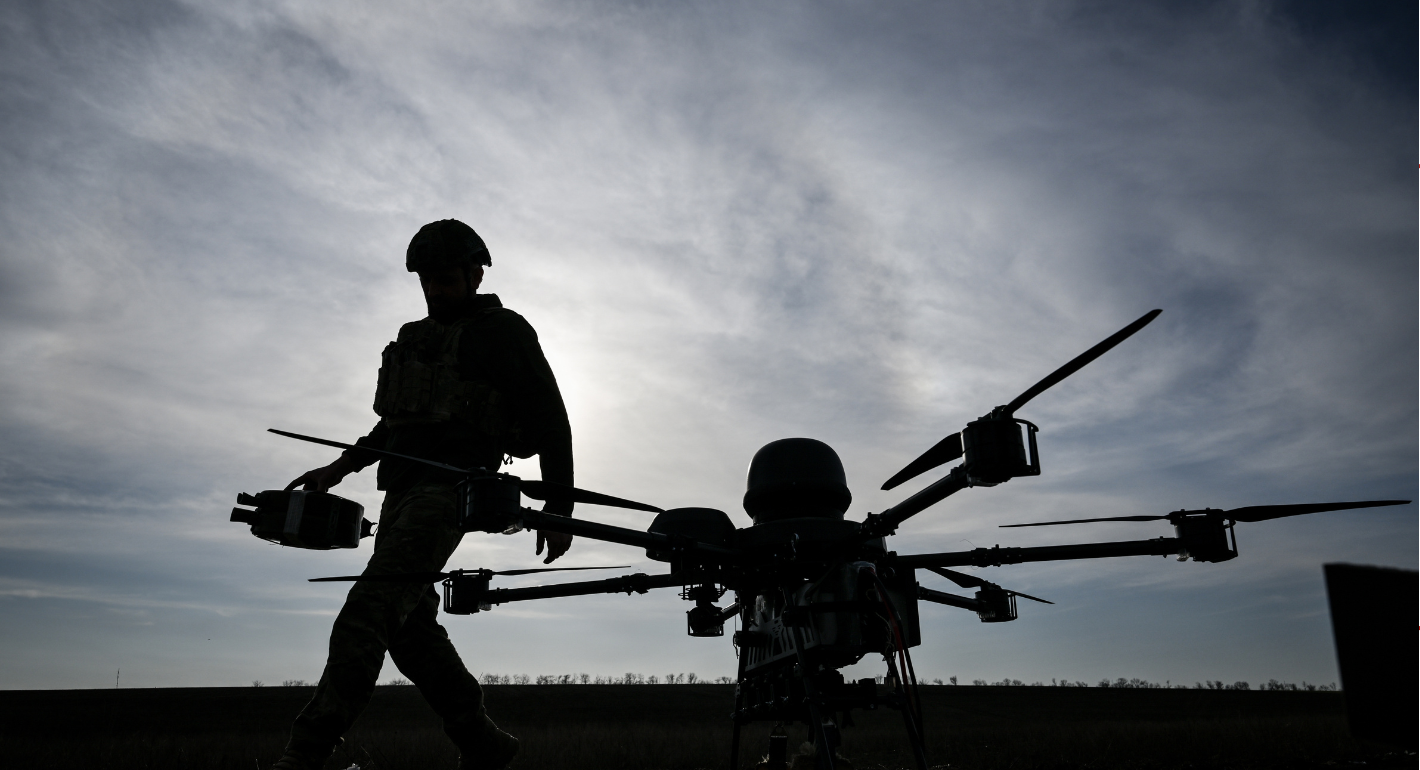
Defense tech innovations will be at the heart of Europe’s new security strategy. But so far, Brussels has been making moves without a broader plan, undermining readiness and credibility.

Raluca Csernatoni
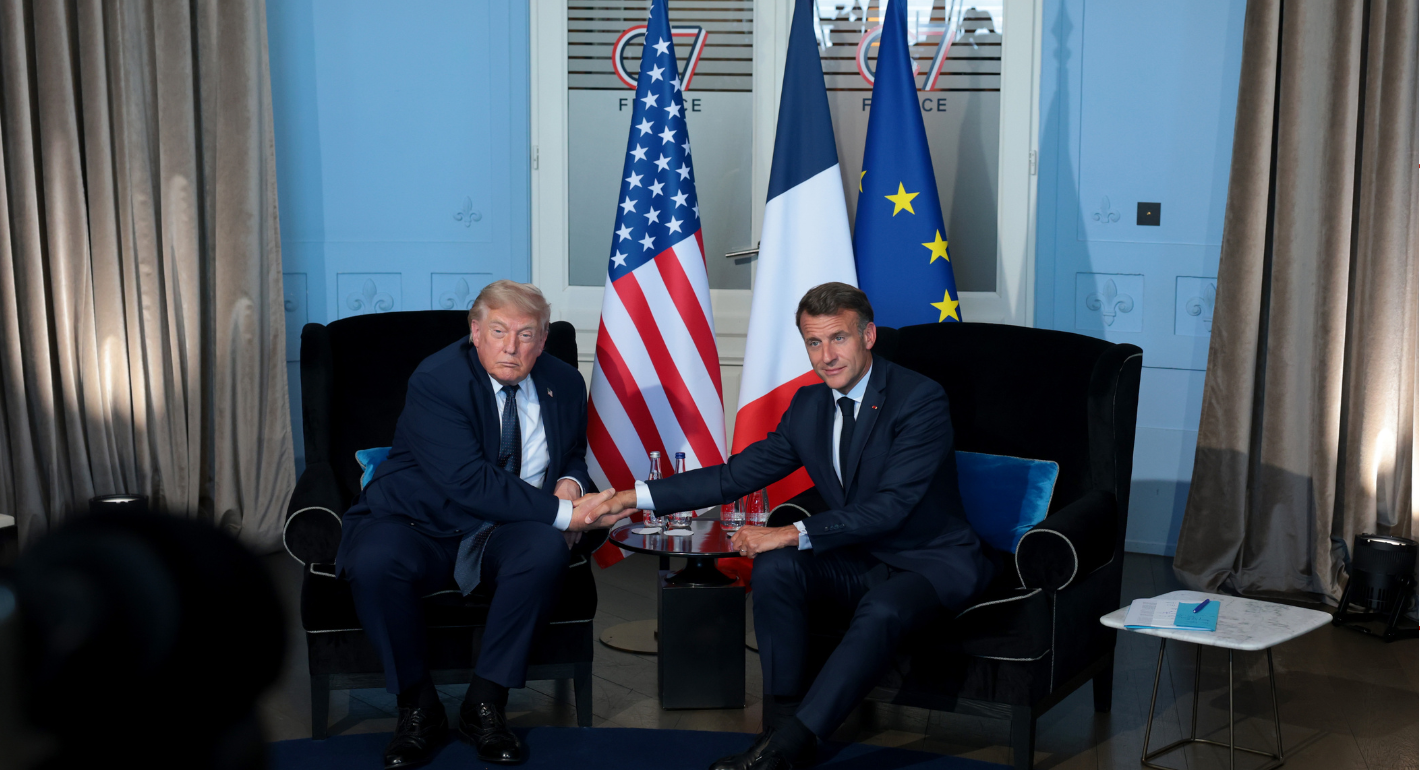
When the U.S.-Iran memorandum of understanding was announced, the UK, France, Germany, and Italy declared their readiness to help demine the Strait of Hormuz and lift nuclear sanctions on Tehran. But does Europe need new tools to recover a diplomatic role?

Rym Momtaz, ed.
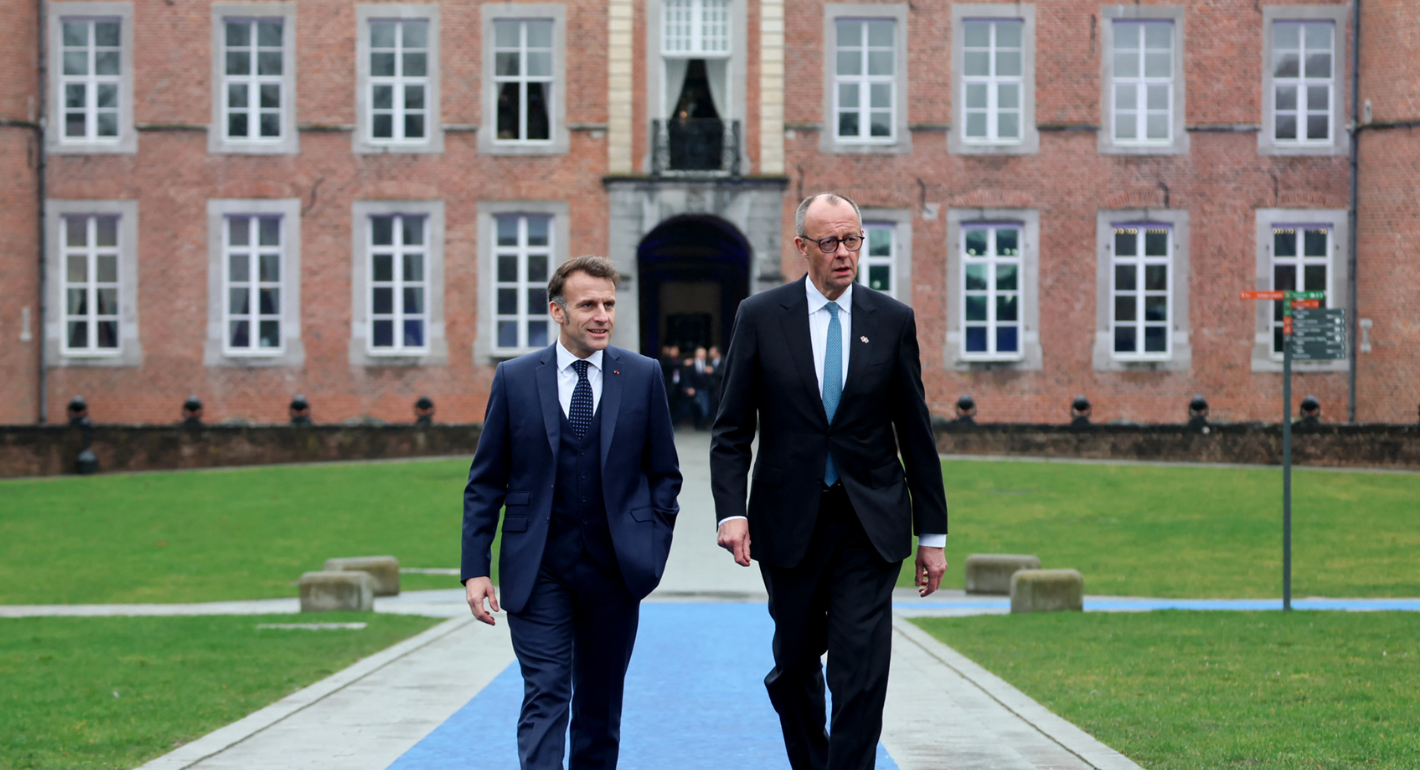
The Franco-German relationship is on the rocks again. But unlike previous moments of tension, the epochal changes on the world stage require that both step up investment in their bilateral ties.
Rym Momtaz