

Paper
The U.S.-Iran war has crossed a dangerous threshold: water infrastructure in the Gulf is now a target. Ecological statecraft is no longer peripheral to security, it's part of its foundations.
Olivia Lazard, Ali Bin Shahid

REQUIRED IMAGE
The issue that troubles most members of Congress is that of accountability," said Senator Pat Roberts (R-KS). "Almost three years after 9/11, no one in the Intelligence Community has been disciplined, let alone fired. Almost two years since the publication of the October 2002 National Intelligence Estimate that declared Saddam Hussein had weapons of mass destruction and was re-constituting his nuclear program, no one has been disciplined or fired. Are we asking too much?" Senator Roberts is the chair of the Senate Select Committee on Intelligence and a firm supporter of President Bush. His statement is another sign of the sense of crisis growing in Washington.
Senator Roberts made his remarks on May 3 at Kansas State University. He previewed the report his committee will issue in June on intelligence failures over weapons of mass destruction in Iraq. He said the committee has created an "intelligence matrix" comparing statements from Bush and Clinton administrations and from members of Congress. Many asserted the presence of mass destruction weapons in Iraq, citing intelligence estimates. "The problem is," he said "the information was wrong." He warned that his report "does not paint a flattering picture of the performance of our intelligence community as they developed their pre-war assessments."
The issue that troubles most members of Congress is that of accountability," said Senator Pat Roberts (R-KS). "Almost three years after 9/11, no one in the Intelligence Community has been disciplined, let alone fired. Almost two years since the publication of the October 2002 National Intelligence Estimate that declared Saddam Hussein had weapons of mass destruction and was re-constituting his nuclear program, no one has been disciplined or fired. Are we asking too much?" Senator Roberts is the chair of the Senate Select Committee on Intelligence and a firm supporter of President Bush. His statement is another sign of the sense of crisis growing in Washington.
Senator Roberts made his remarks on May 3 at Kansas State University. He previewed the report his committee will issue in June on intelligence failures over weapons of mass destruction in Iraq. He said the committee has created an "intelligence matrix" comparing statements from Bush and Clinton administrations and from members of Congress. Many asserted the presence of mass destruction weapons in Iraq, citing intelligence estimates. "The problem is," he said "the information was wrong." He warned that his report "does not paint a flattering picture of the performance of our intelligence community as they developed their pre-war assessments."
The report will lay the blame for the failures on the intelligence agencies. "It is my view this was clearly an intelligence failure as opposed to alleged manipulation," he said. "A golden rule should be instilled into all analysts and mangers: tell me what you know, tell me what you don’t know, tell me what you think and make sure I understand the difference," he continued. "Rarely is an intelligence case a ‘slam dunk.’ We have found serious failures to share information before 9/11 and in the pre-war work on Iraq’s weapons of mass destruction. Where is the accountability?"
He concluded his remarks with a general warning on imperial attitudes and assumptions in Washington. He did not name specific officials, but his comments seemed directed at senior defense officials and neo-conservative intellectuals. The senator’s remarks indicate how failure in Iraq is widening the split between conservatives and neo-conservatives, between those who favor the use of military force primarily to protect the territory and interests of the United States and those who want to use the U.S. military as a revolutionary agent of global transformation.
"Whether or not the United States views itself as an empire, it is obvious that for many foreigners and international critics, we look, walk and talk like one and they have responded accordingly. An empire that displays weakness and is not taken seriously is in serious trouble. However, being perceived as capricious or imperious is also dangerous. The problem has often occurred when an imperial power insists on imposing a particular vision on the world.
"We need to restrain what are growing U.S. messianic instincts – a sort of global social engineering where the United States feels it is both entitled and obligated to promote democracy – by force if necessary.
"Again, the United States must be willing to use force, unilaterally if necessary to protect our security and that of our allies. But, it is also time for some hard-headed assessment of American interests. I do not believe America wants to be or is an empire."
These remarks are excerpted from Senator Pat Roberts (R-KS) May 3 speech
at Kansas State University. His complete speech is available by clicking
here.
Carnegie does not take institutional positions on public policy issues; the views represented herein are those of the author(s) and do not necessarily reflect the views of Carnegie, its staff, or its trustees.

The U.S.-Iran war has crossed a dangerous threshold: water infrastructure in the Gulf is now a target. Ecological statecraft is no longer peripheral to security, it's part of its foundations.


Olivia Lazard, Ali Bin Shahid

Hard-line approaches to asylum policy are increasingly common, with crackdowns proposed even by parties that traditionally hold liberal views on migration. Does this shift represent a break with Europe’s fundamental values?

Thomas de Waal
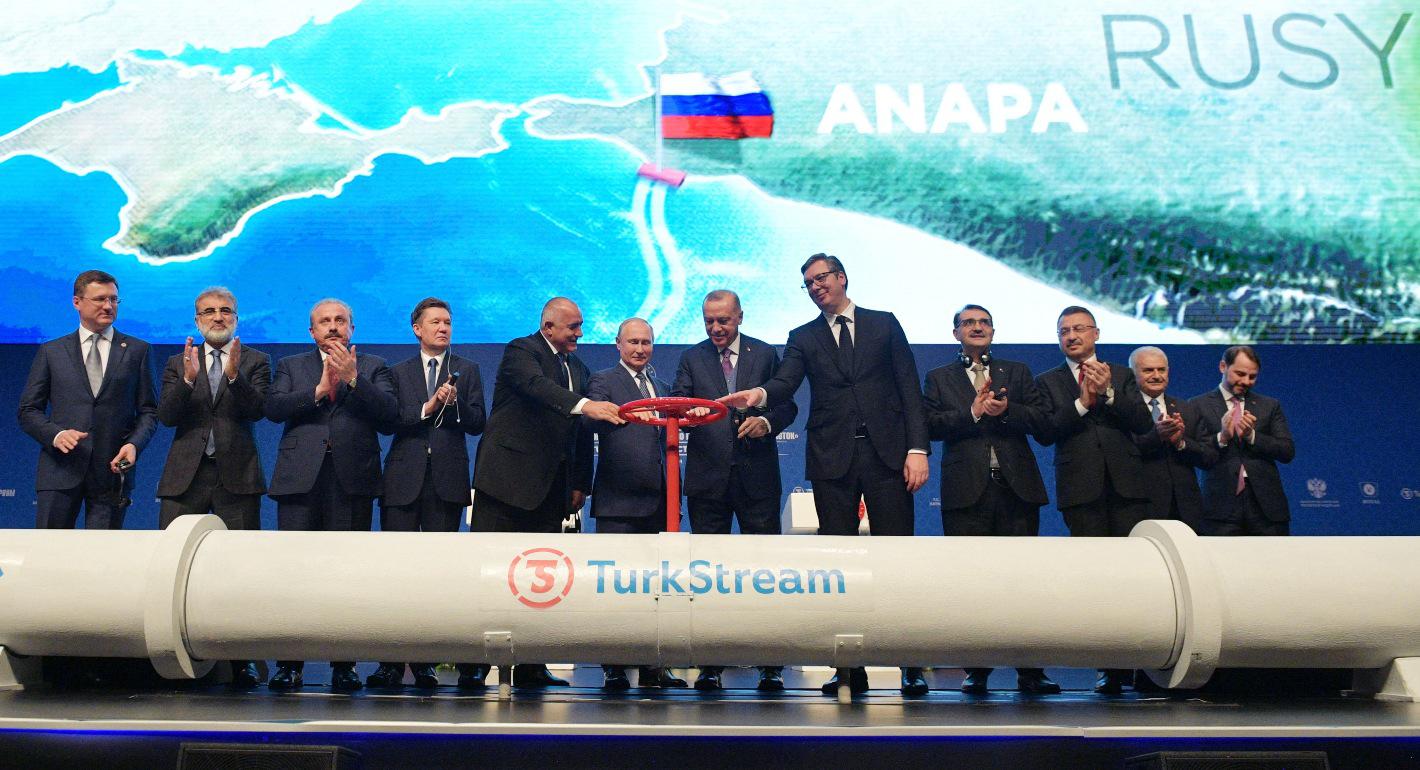
Turkey’s dependence on energy imports has an impact on the country’s economic and geopolitical orientation. Turkish leaders should devise energy policies that respond to domestic priorities, regional ambitions, and the challenges posed by climate change.
Francesco Siccardi
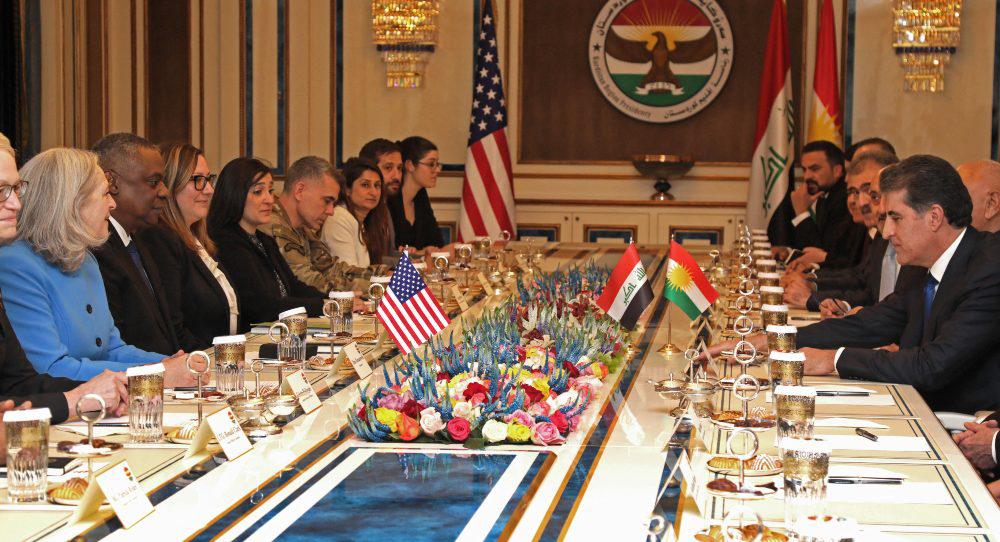
The United States and its European allies are still grappling with the consequences of their invasion of Iraq. As Russia continues its invasion of Ukraine, it is time to understand the lessons from 2003.

Rosa Balfour
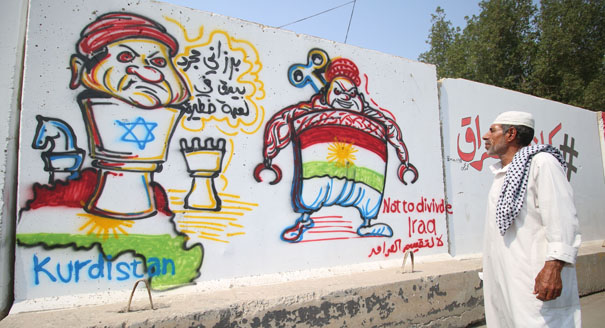
Iraqi Kurdistan, like Catalonia, must move on to peaceful negotiations over the modalities of equitable coexistence.

Marc Pierini