

Paper
The U.S.-Iran war has crossed a dangerous threshold: water infrastructure in the Gulf is now a target. Ecological statecraft is no longer peripheral to security, it's part of its foundations.
Olivia Lazard, Ali Bin Shahid

REQUIRED IMAGE
Following the release of the Senate Intelligence Committee report on pre-war assessments of Iraqi WMD, Carnegie has updated the four summary tables that appear in WMD in Iraq: Evidence and Implications on each type of suspected weapons: nuclear, chemical, biological, and missile and delivery programs. The summary tables show several key patterns.
Following the release of the Senate Intelligence Committee report on pre-war assessments of Iraqi WMD, Carnegie has updated the four summary tables that appear in WMD in Iraq: Evidence and Implications on each type of suspected weapons: nuclear, chemical, biological, and missile and delivery programs.
The summary tables show several key patterns:
First, they detail how the intelligence assessments prior to 2002 were generally accurate and cautious judgments, especially in describing Iraq's nuclear program.
Second, the tables show a dramatic shift between these earlier assessments and the October 2002 National Intelligence Estimate, which depicted Iraq's WMD programs as definite and expanding threats - with startling specificity.
Third, the United Nations inspectors appear to have had a generally accurate assessment of Iraq's illicit programs, despite their limited resources and time on the ground before the war.
Fourth, the tables show that U.S. administration officials misrepresented the threat from Iraq's weapons far beyond the intelligence failures. Administration officials and documents dropped the caveats, probabilities, and expressions of uncertainty present in intelligence assessments from public statements.
Finally, the release on the Senate report shows that almost all of the key judgments present in the NIE were "either overstated, or were not supported by, the underlying intelligence."
These patterns also suggest that the intelligence assessments shifted dramatically in 2002-for reasons other than just a failure in "analytic tradecraft." While we applaud the Senate Committee's report, it is imperative that the committee finish its work and expand its scope beyond the failures in the NIE to include assessments prior to 2002, UN findings, administration statements, and current evidence on the ground in Iraq. Only with an eye toward all these elements can we fully understand - and remedy - this dramatic failure.
Additional Resources:
Carnegie does not take institutional positions on public policy issues; the views represented herein are those of the author(s) and do not necessarily reflect the views of Carnegie, its staff, or its trustees.

The U.S.-Iran war has crossed a dangerous threshold: water infrastructure in the Gulf is now a target. Ecological statecraft is no longer peripheral to security, it's part of its foundations.


Olivia Lazard, Ali Bin Shahid

Hard-line approaches to asylum policy are increasingly common, with crackdowns proposed even by parties that traditionally hold liberal views on migration. Does this shift represent a break with Europe’s fundamental values?

Thomas de Waal
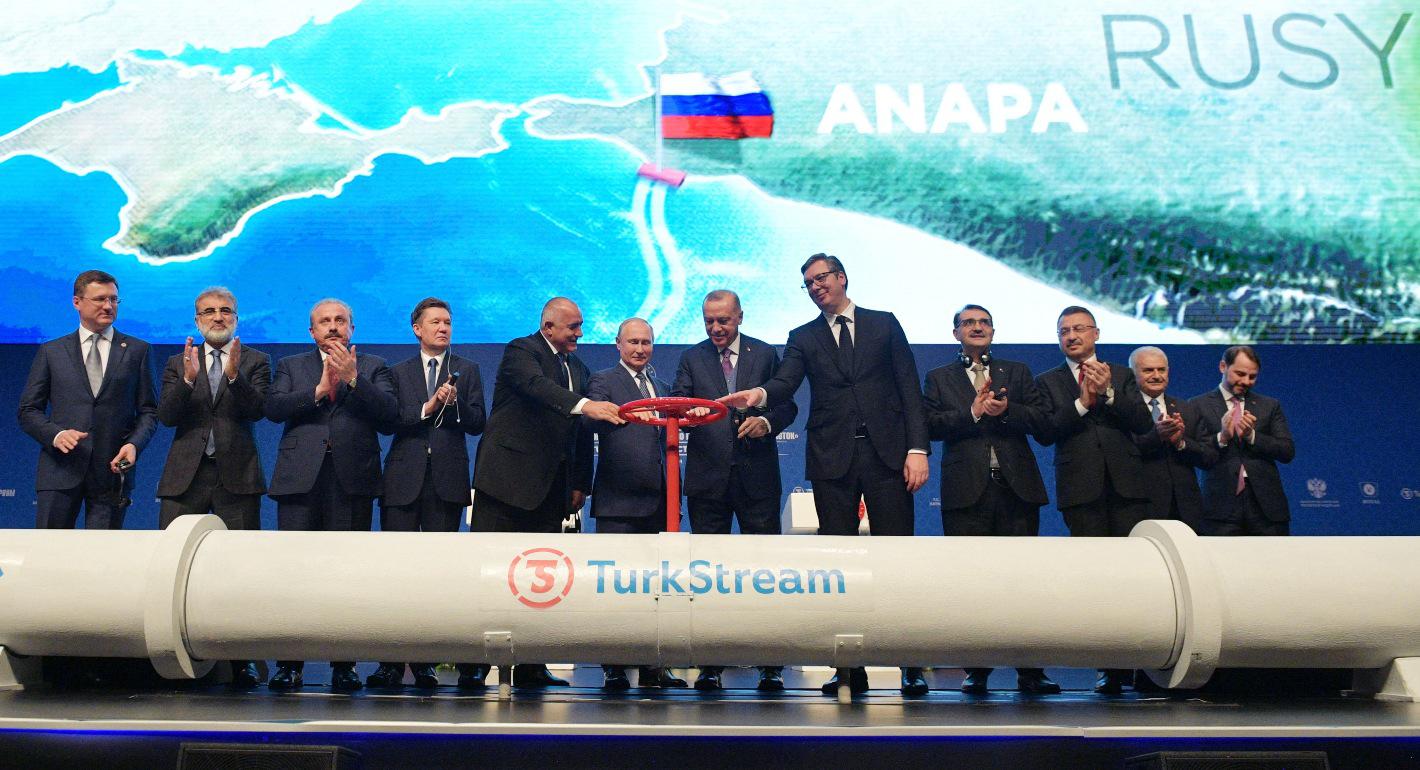
Turkey’s dependence on energy imports has an impact on the country’s economic and geopolitical orientation. Turkish leaders should devise energy policies that respond to domestic priorities, regional ambitions, and the challenges posed by climate change.
Francesco Siccardi
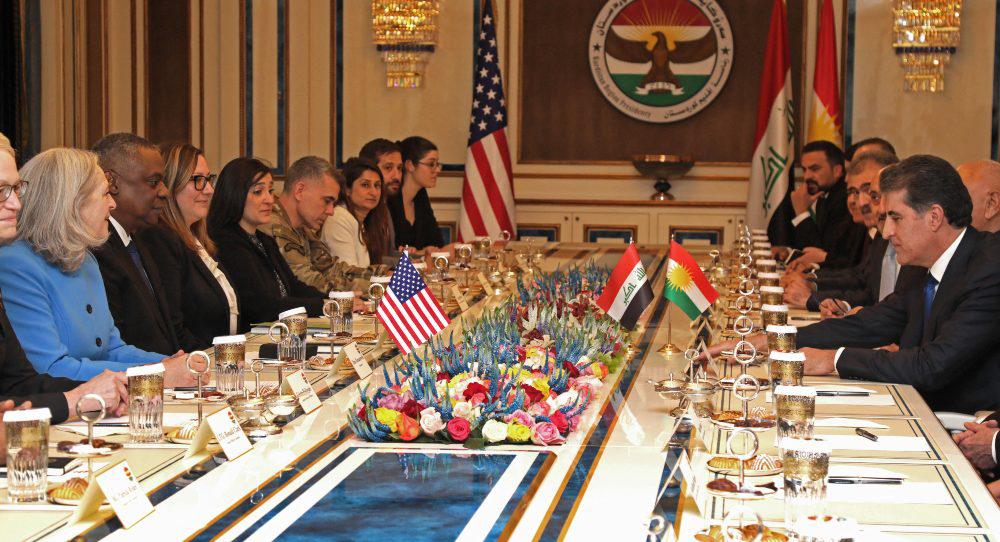
The United States and its European allies are still grappling with the consequences of their invasion of Iraq. As Russia continues its invasion of Ukraine, it is time to understand the lessons from 2003.

Rosa Balfour
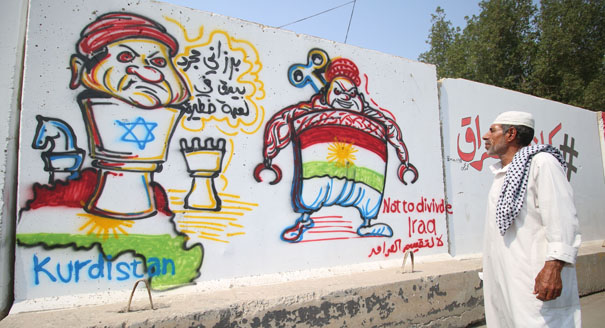
Iraqi Kurdistan, like Catalonia, must move on to peaceful negotiations over the modalities of equitable coexistence.

Marc Pierini