

Commentary
French President Emmanuel Macron has unveiled his country’s new nuclear doctrine. Are the changes he has made enough to reassure France’s European partners in the current geopolitical context?
Rym Momtaz, ed.

REQUIRED IMAGE
There are over 3,700 metric tons of plutonium and highly-enriched uranium in global stockpiles, according to a recent report by the Institute for Science and International Security.
There are over 3,700 metric tons of plutonium and highly-enriched uranium in global stockpiles, according to a recent report by the Institute for Science and International Security (ISIS). Global Stocks of Nuclear Explosive Materials, authored by David Albright and Kimberly Kramer, says that these materials, together with the 140 tonnes of Neptunium 237 and Americium, are enough for over 300,000 nuclear weapons.
The report estimates that at the end of 2003, 50 countries held a total of 1,900 tonnes of HEU, with nine of those countries in possession of at least 1 tonne. Nearly 91 percent of global HEU is in military stockpiles. According to the report, “stocks of civil HEU are decreasing as HEU is blended down into low enriched uranium” and by 2020, “the number of countries with a kilogram of HEU could decrease from about 50 to no more than 10 or 20 countries,” due to take-back programs initiated by the United States and Russia to consolidate civil HEU stocks.
Over the next 15 years, global stocks of separated civil plutonium will not decrease significantly. In fact, the report says, despite the “consensus in the international community that stockpiles of separated plutonium should be minimized because they are a proliferation hazard,” currently “the amount of separated (unirradiated) civil plutonium in the world continues to increase.” At the end of 2003, 25 countries had at least 5 tonnes of plutonium. Problems that will lead to continued unirradiated plutonium increases “include the separation of more plutonium than can be used, delays in gaining approvals in loading MOX fuel, and the impact of unexpected events such as nuclear accidents or incidents that further delay MOX programs.”
The ISIS report also estimates the number of potential nuclear weapons Israel, India, Pakistan, and the DPRK could build from estimated fissile material stockpiles through the end of 2003. Israel is believed to have the capability to produce around 145 nuclear weapons, whereas India and Pakistan could produce around 80 and 70 respectively. Estimates vary for the DPRK, ranging from 3-9 weapons.
The study also notes that “separated plutonium and both separated and irradiated HEU in [certain] countries…are of special concern because of the risk of diversion for use by terrorists.” Russia, Pakistan, and North Korea are some of the “most important to understand and secure.”
The report provides detailed tables and charts on national and global holdings.
Ben Bain
Former Junior Fellow, Nonproliferation Project
Carnegie does not take institutional positions on public policy issues; the views represented herein are those of the author(s) and do not necessarily reflect the views of Carnegie, its staff, or its trustees.
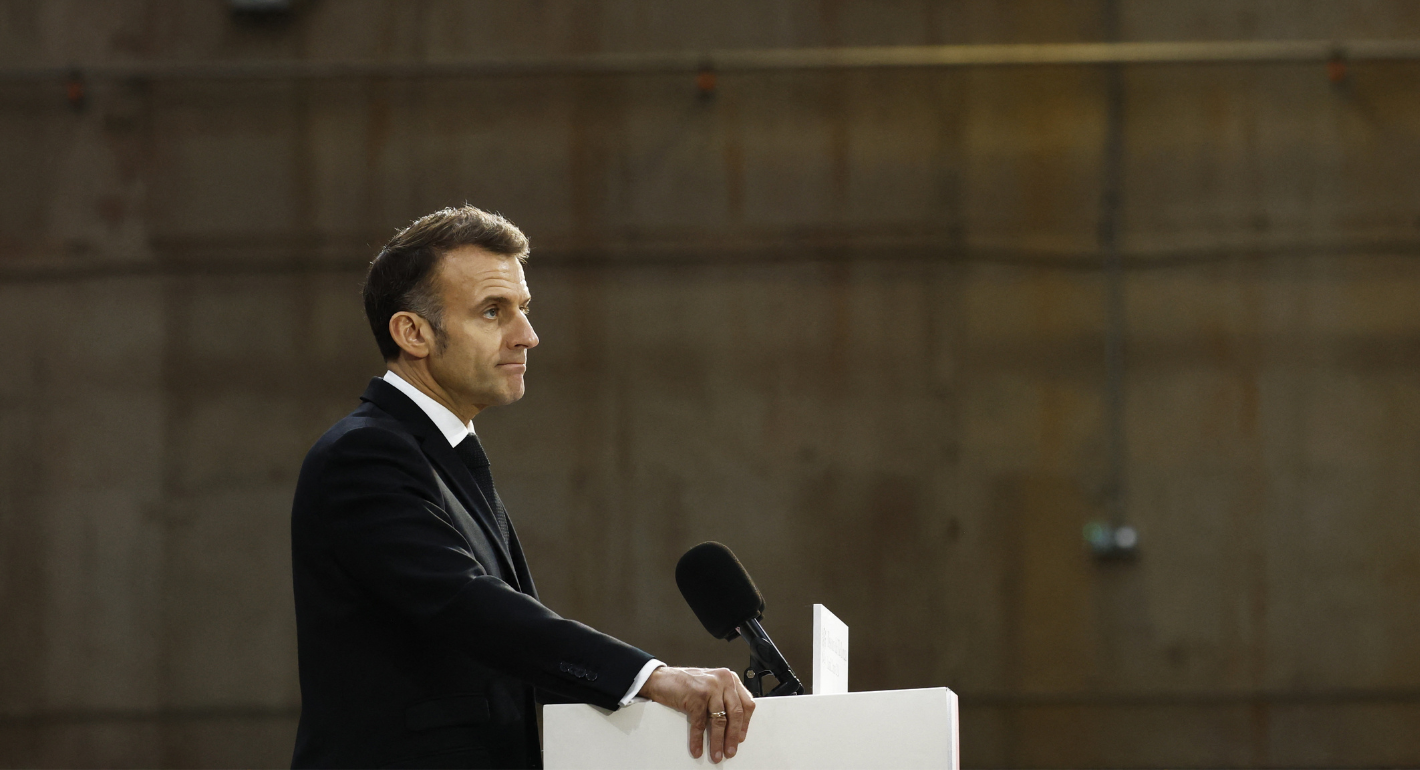
French President Emmanuel Macron has unveiled his country’s new nuclear doctrine. Are the changes he has made enough to reassure France’s European partners in the current geopolitical context?

Rym Momtaz, ed.
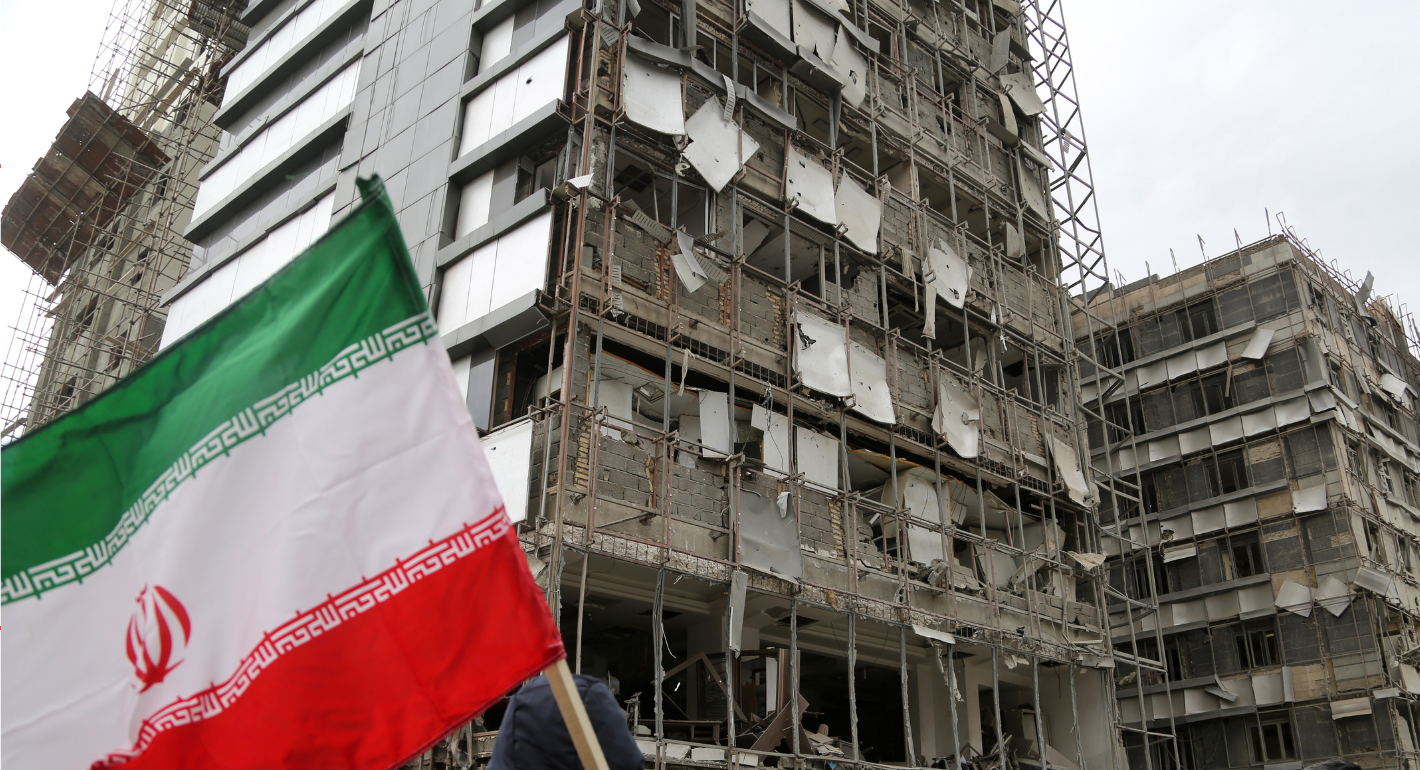
Europe’s reaction to the war in Iran has been disunited and meek, a far cry from its previously leading role in diplomacy with Tehran. To avoid being condemned to the sidelines while escalation continues, Brussels needs to stand up for international law.

Pierre Vimont
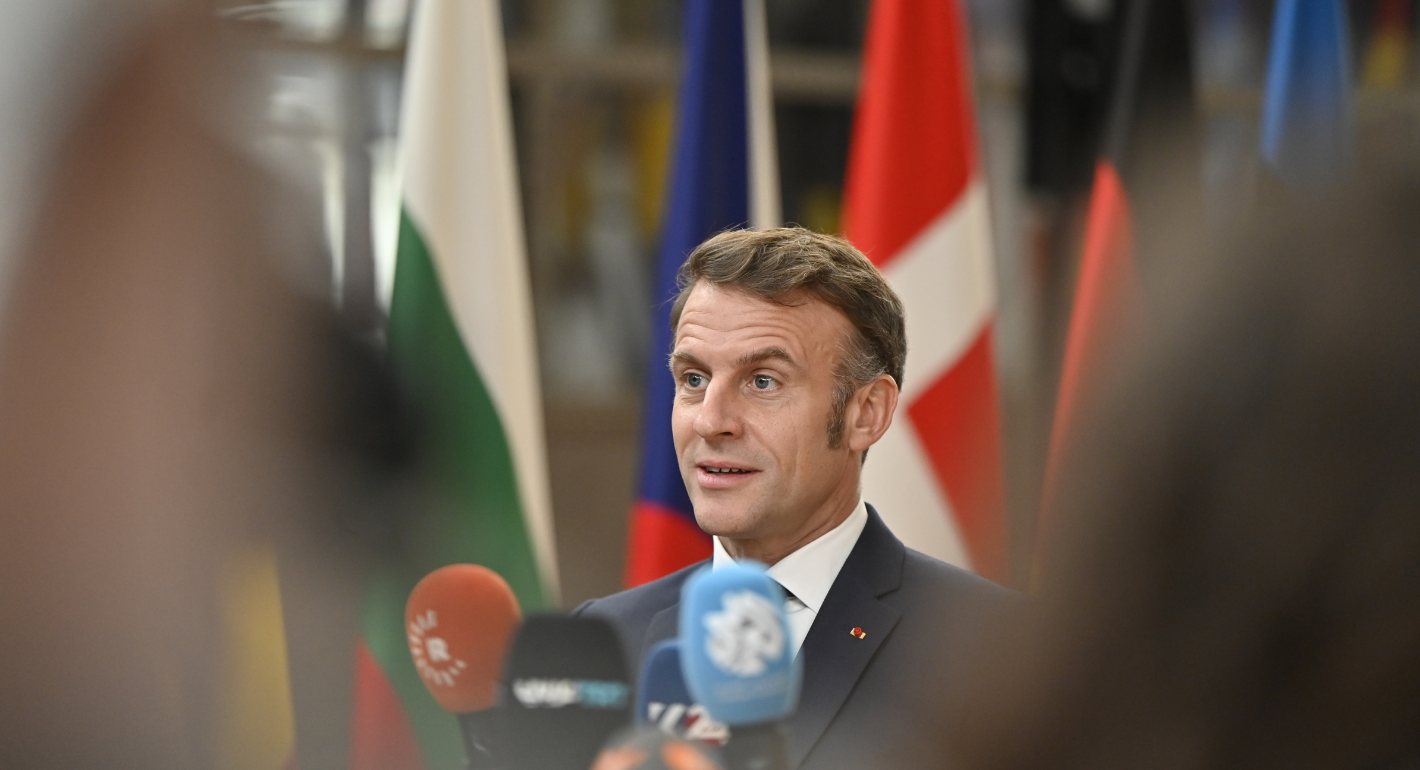
France has stopped clinging to notions of being a great power and is embracing the middle power moment. But Emmanuel Macron has his work cut out if he is to secure his country’s global standing before his term in office ends.
Rym Momtaz
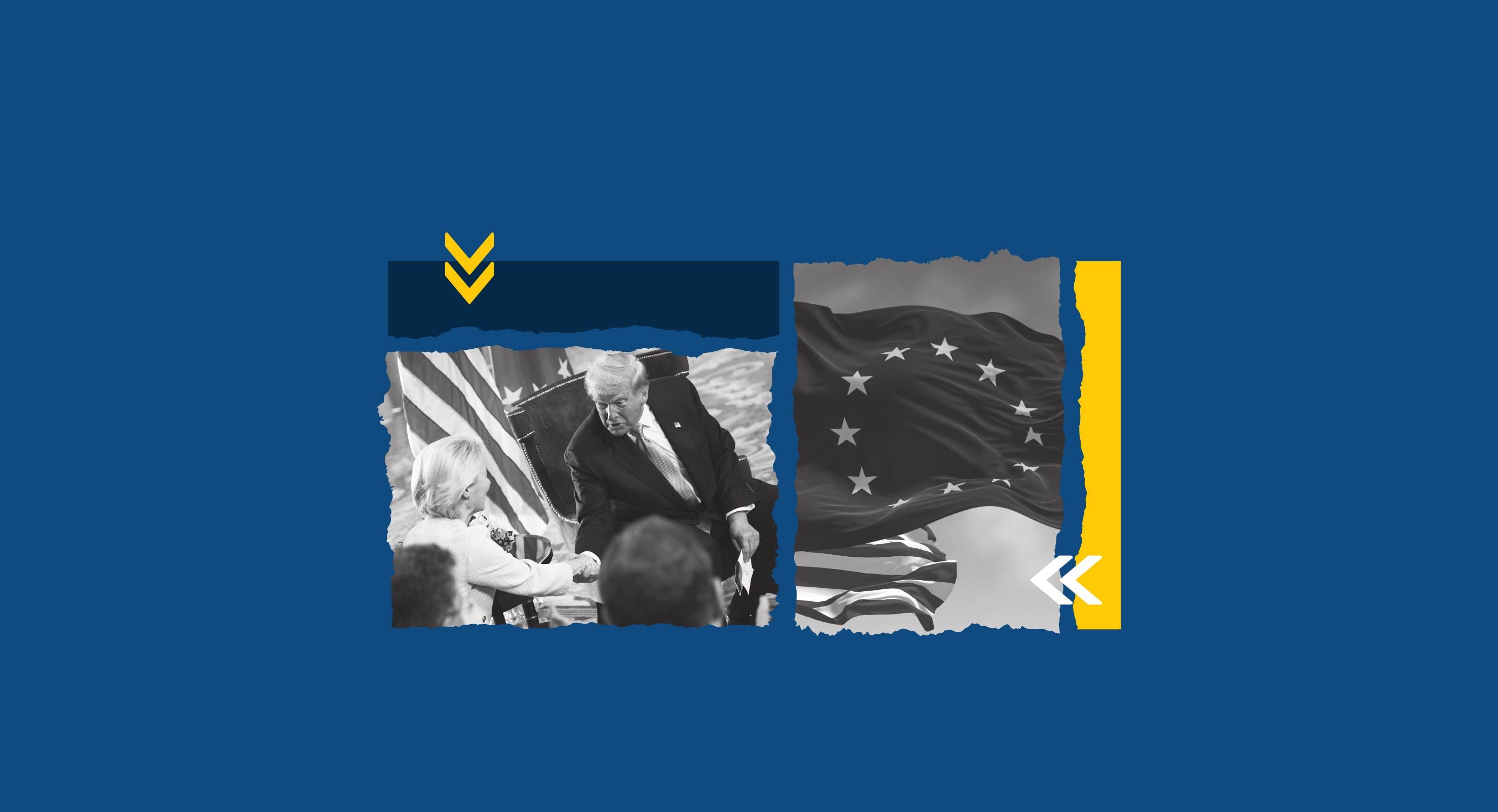
In Donald Trump’s second term in office, the transatlantic relationship that helped define the postwar European project and global order appears broken. Is it time for Brussels to chart its own path?


Nathalie Tocci, Jan Techau
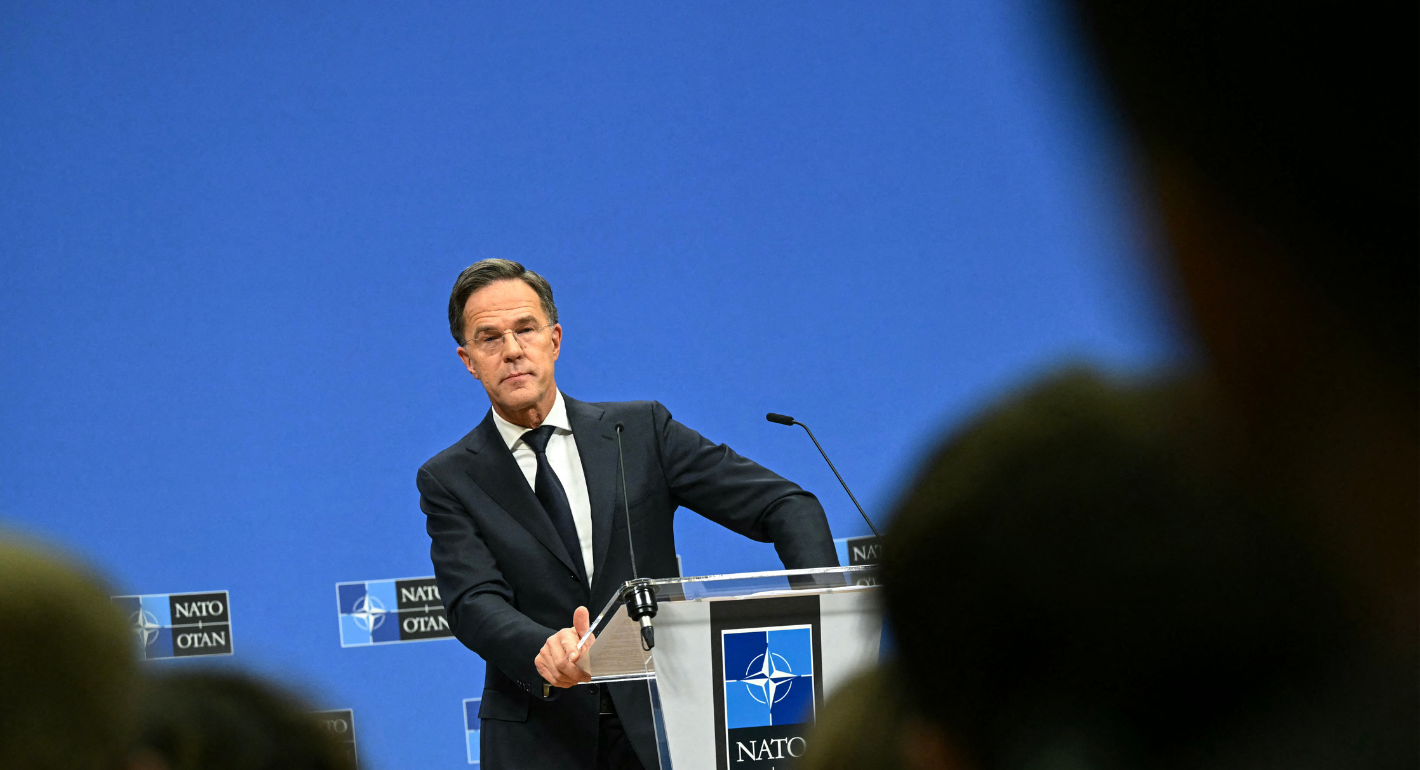
The debate on the future of European deterrence has intensified, as NATO allies seek to balance three key aims. Going forward, they will need to cooperate more deeply to craft a coherent strategy for confronting new threats.


Sophia Besch, Jamie Kwong