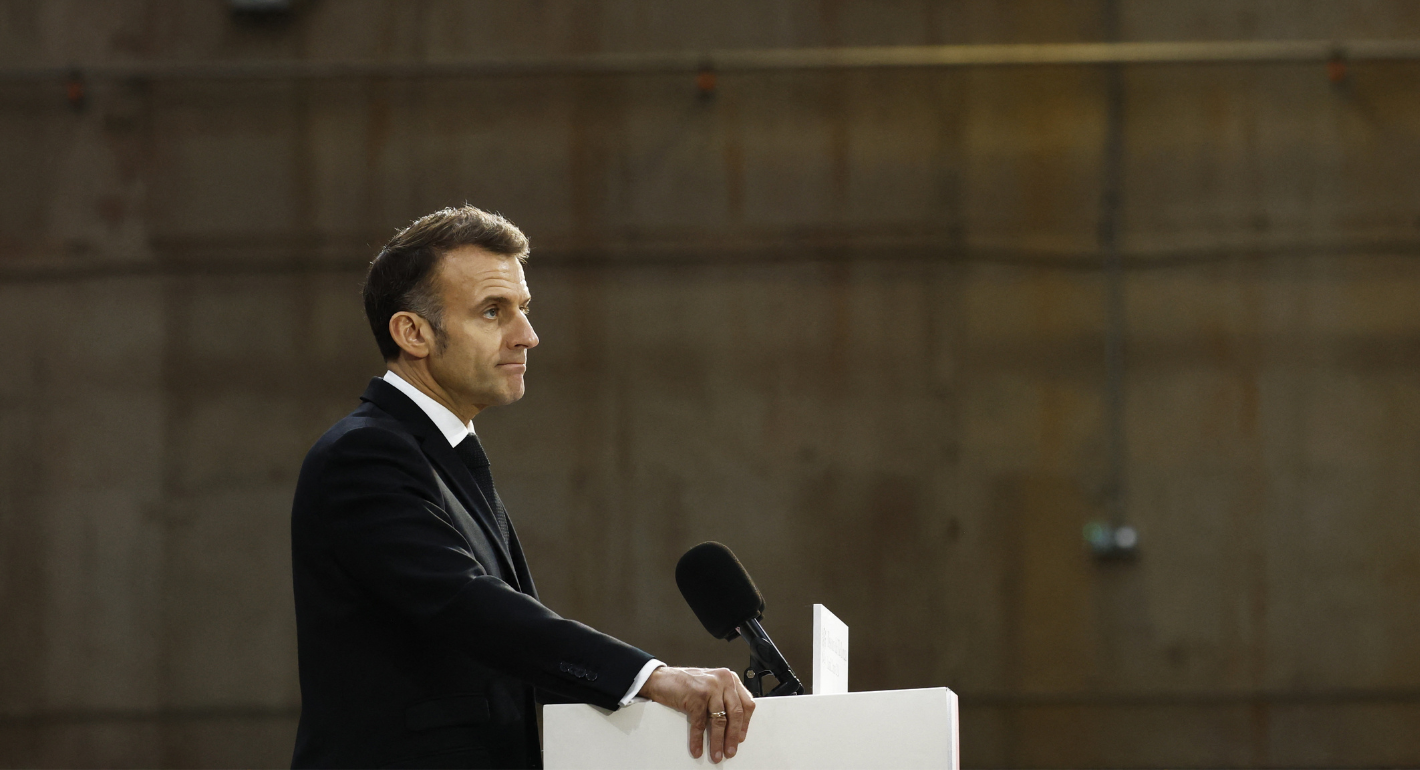
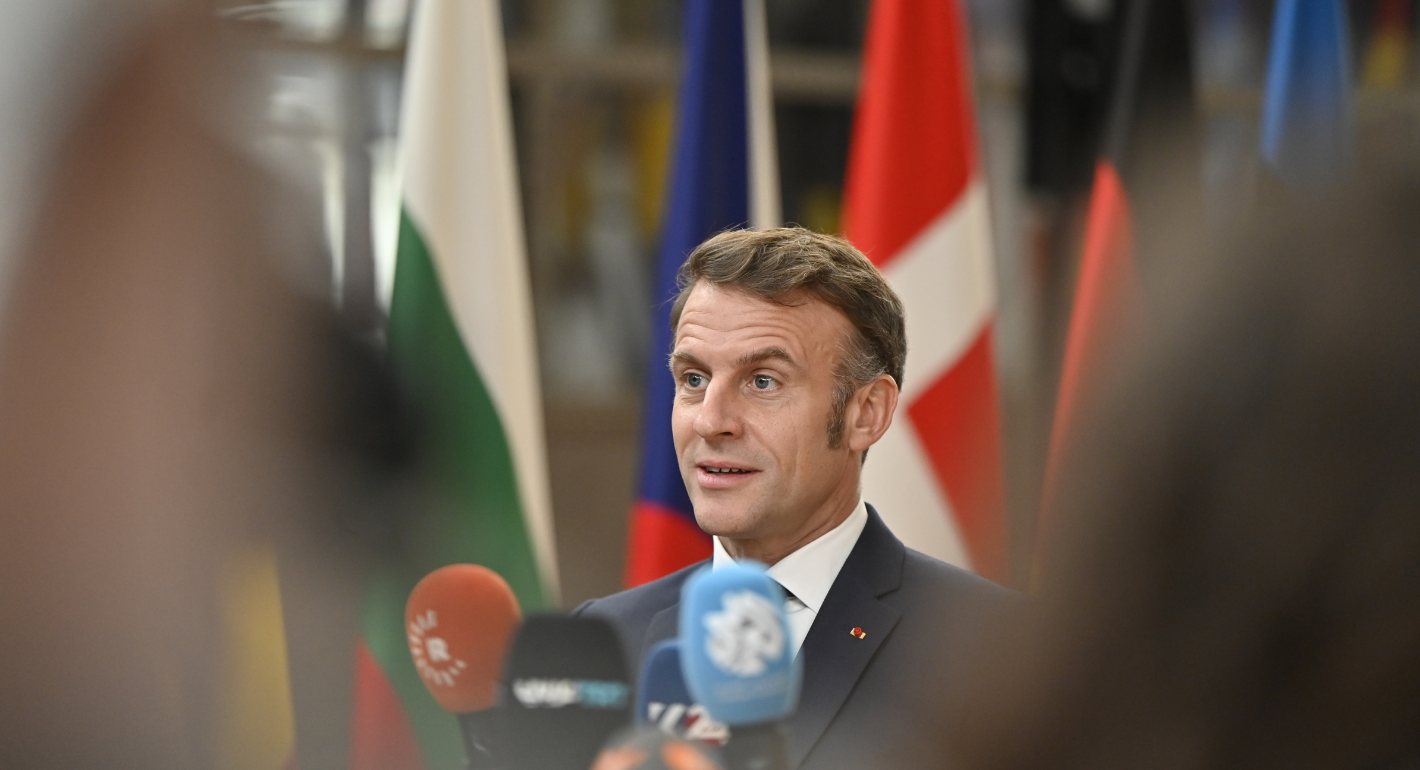
On January 19 French president Jacques Chirac announced slight changes to the county’s nuclear deterrence strategy. Chirac seemed to expand the definition of France’s vital interests to include oil. He would not hesitate to use nuclear weapons and protect these interests, he said, and to deter any terrorist attacks on those interests. Shortly after, French Defense Minister Michèle Alliot-Marie amplified this new crease in French strategy in speeches to the public and to French parliament members. In his speech Chirac said:
The integrity of our territory, the protection of our population, the free exercise of our sovereignty will always form the heart of our vital interests. But our interests are not limited to just these. The definition of these interests evolves with the rhythm of the world, a world marked by the increasing interdependence of the European countries and also by the effects of globalization. For example, the guarantee of our strategic supplies or the defense of allied nations is, among others, interests which are important to protect.
Some French experts say that Chirac’s speech had nothing to do with a growing Iranian threat. “One knows that this type of speech is prepared several months in advance and by definition cannot be directly linked to current affairs,” wrote Bruno Tertrais, a senior associate at the Foundation for Strategic Research in an analysis entitled La Dissuasion Revisitée (Deterrence Revisited).
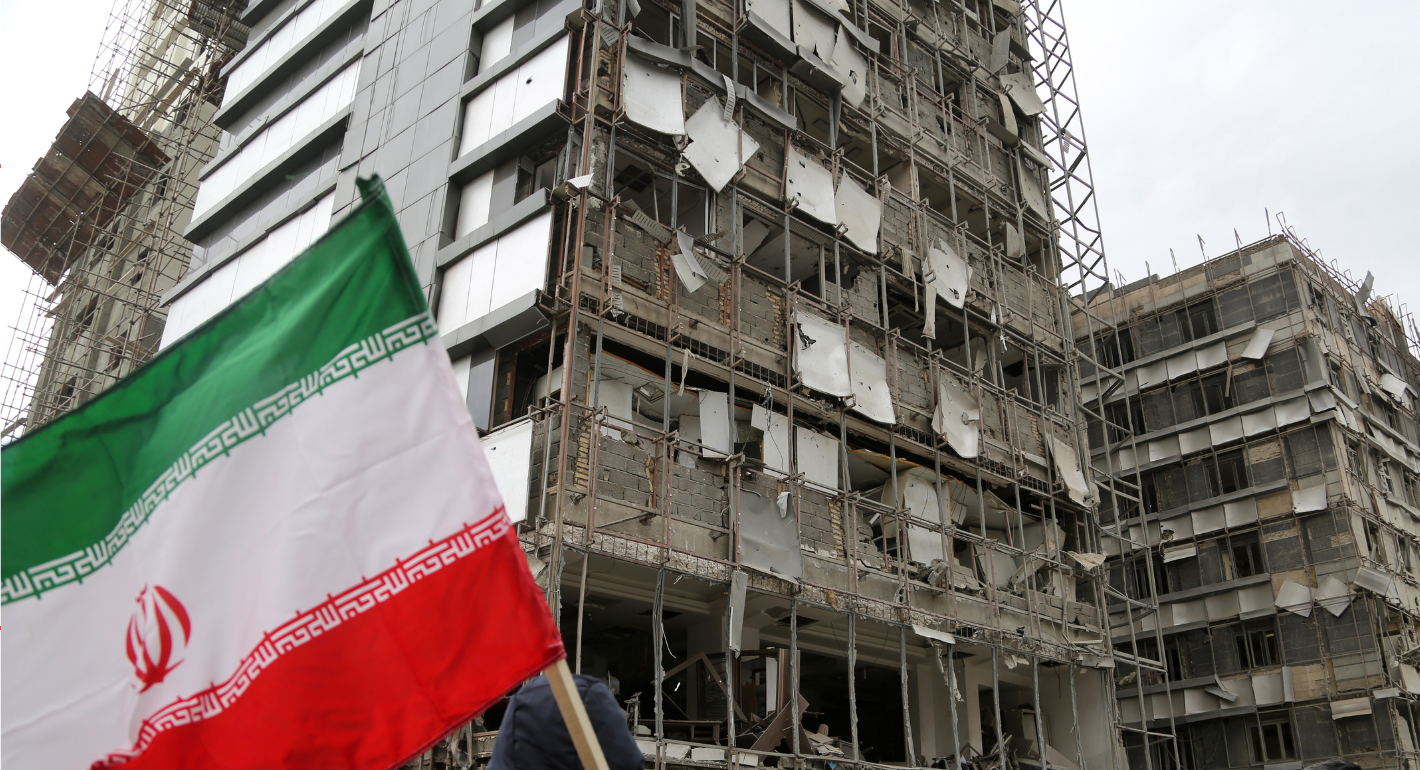
Others see direct linkage. Chirac specifically calls some of France’s vital interests “strategic supplies” (approvisionnements stratégique). Dominique Moisi of the French Institute of International Relations (IFRI) said that when speaking of strategic supplies France means oil and is “thinking quite clearly of Iran.” It is hard to ignore the timing of such a declaration; Chirac’s last speech on nuclear policy was nearly six years ago (June 8, 2001).
Chirac’s deterrence policy speech highlights another new element in French policy. This nouveauté was brought on by post 9-11 terrorist threat perception and the suspension of European-Iranian negotiations. Chirac said:
The leaders of those nations, who would resort to terrorist means against us, as well as those who may consider the use, in any way, of weapons of mass destruction, must understand that they will expose themselves to a firm and adequate response on our part. That response may be conventional, but it can also be of another kind.
Recently, France modified its nuclear submarines. France currently deploys four nuclear-powered ballistic missile submarines: one older Redoutable class and three of the newer Triomphant class, each of which carries 16 M45 missiles, each missile currently has six nuclear warheads. France indicated that they will reduce the number of warheads per missiles to increase the range and accuracy of the missiles.
Defense Minister Alliot-Marie said, “These evolutions are aimed at better taking into account the psychology of the enemy.” It is a falsity she said for a potential enemy to “think that France, given its principles, might hesitate to use the entire force of its nuclear arsenal against civilian populations [as] our country has modified its capacity for action and from now on has the possibility to target the control centers of an eventual enemy.”
While some French experts claim that Chirac’s speech does not show a large difference in French deterrence policy, the new statement does expand the definition of France’s vital interests and portrays a France ready to use nuclear weapons against even a non-nuclear enemy–which may include Iran and definitely includes any state sponsor or accomplice of a terrorist attack on France’s vital interests.