

Commentary
In Ukraine, Gaza, and Iran, AI warfare has come to dominate, with barely any oversight or accountability. Europe must lead the charge on the responsible use of new military technologies.
Raluca Csernatoni

REQUIRED IMAGE
The Acronym Institute published a report, Worse than Irrelevant? British Nuclear Weapons in the 21st Century, addressing the future ofBritain’s nuclear weapons system and outlining potential replacement options for the existing stockpile.
Britain’s decision will have important ramifications for the nonproliferation regime and the commitment of nuclear weapons states towards their disarmament obligations under Article VI of the Non-Proliferation Treaty.
The report calls for a comprehensive review ofBritain’s security and defense strategies, taking into accountBritain’s commitment to nonproliferation and the efficacy of nuclear deterrence in the changing security environment of the 21st century. The report contrasts the nuclear threats of the Cold War with the predominant security challenges in today’s post-Cold War environment such as climate change and environmental degradation, terrorism, poverty, transnational illicit trade, and failing states. The authors conclude that nuclear weapons have no useful role in protecting against today’s security challenges, adding that nuclear weapons are “not merely irrelevant,” but that they “have the potential to add greatly to other threats, notably terrorism, organised crime and trafficking.” (Read More)
The Acronym Institute published a report, Worse than Irrelevant? British Nuclear Weapons in the 21st Century, addressing the future of
The report calls for a comprehensive review of
The authors of the report conclude that the elimination of worldwide nuclear stockpiles is “a more feasible—and more pressing—security priority than current official assumptions and policies acknowledge.” They urge British policymakers to “take time for an informed debate” about the replacement of the Trident system rather than rushing to a decision. The Acronym Institute’s report has been published ahead of the release of a White Paper on Britain's policy options on replacing Britain’s nuclear weapons system due later this year.
To access the full text of the Acronym Institute's report, click here.
Caterina Dutto
Former Research Assistant
Carnegie does not take institutional positions on public policy issues; the views represented herein are those of the author(s) and do not necessarily reflect the views of Carnegie, its staff, or its trustees.

In Ukraine, Gaza, and Iran, AI warfare has come to dominate, with barely any oversight or accountability. Europe must lead the charge on the responsible use of new military technologies.

Raluca Csernatoni
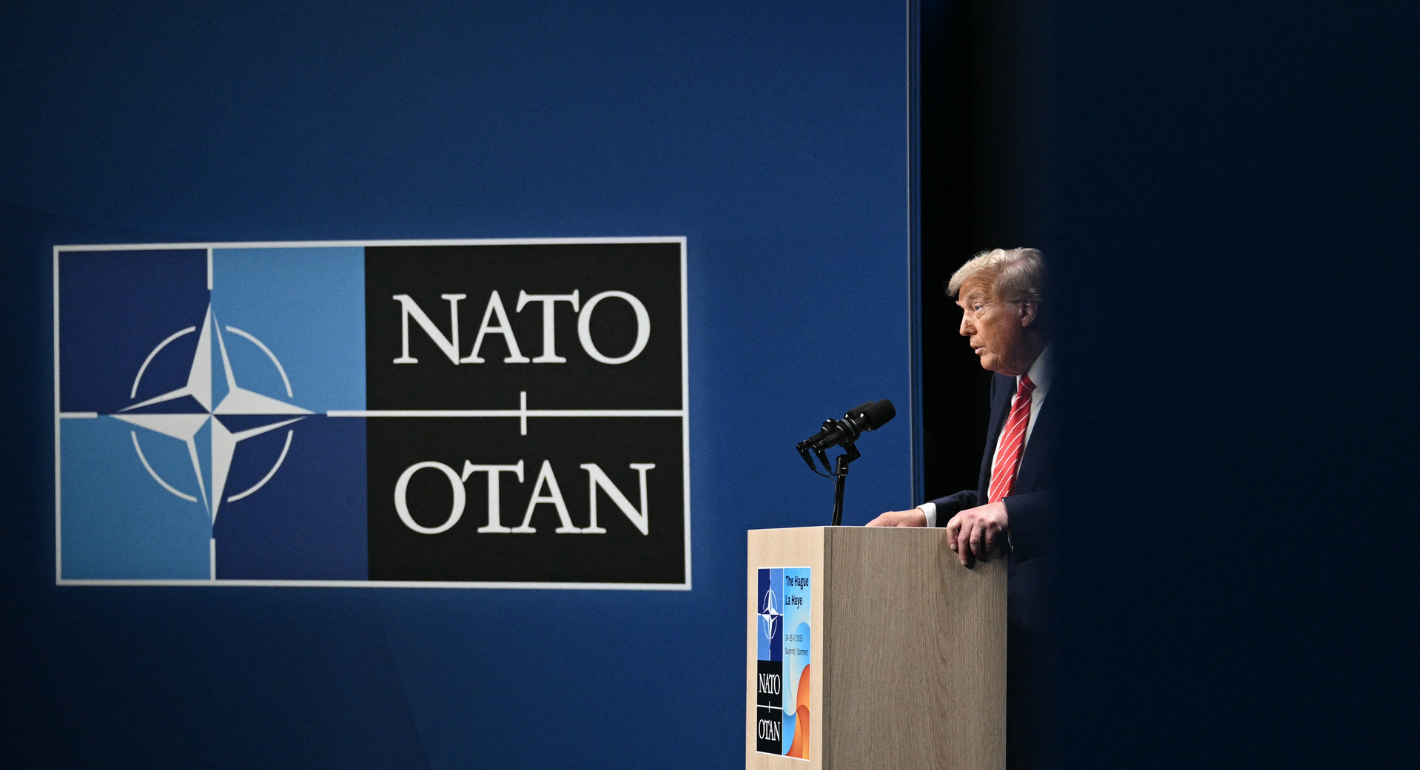
Donald Trump has repeatedly bashed NATO and European allies, threatening to annex Canada and Greenland and deploring their lack of enthusiasm for his war of choice in Iran. Is this latest round of abuse the final straw?

Rym Momtaz, ed.
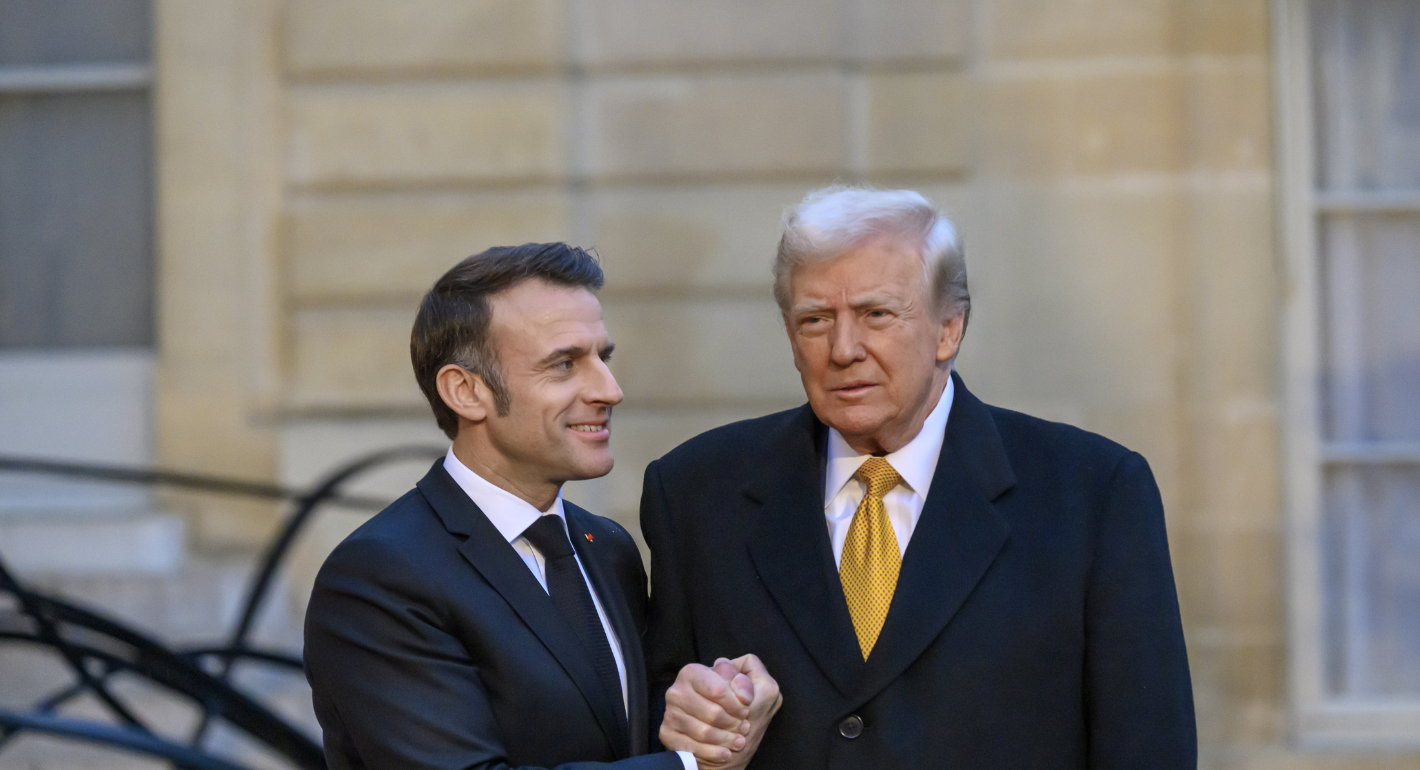
Donald Trump’s repudiation of NATO goes against the Make America Great Again vision of a U.S.-centered foreign policy. If the goal is to preserve the alliance by boosting Europe’s commitments, leaning into France’s vision is the most America First way forward.
Rym Momtaz

The wars in Ukraine and the Middle East are existential threats to Europe as a peace project. Leaders and citizens alike must reaffirm their solidarity to face up to today’s multifaceted challenges.

Marc Pierini
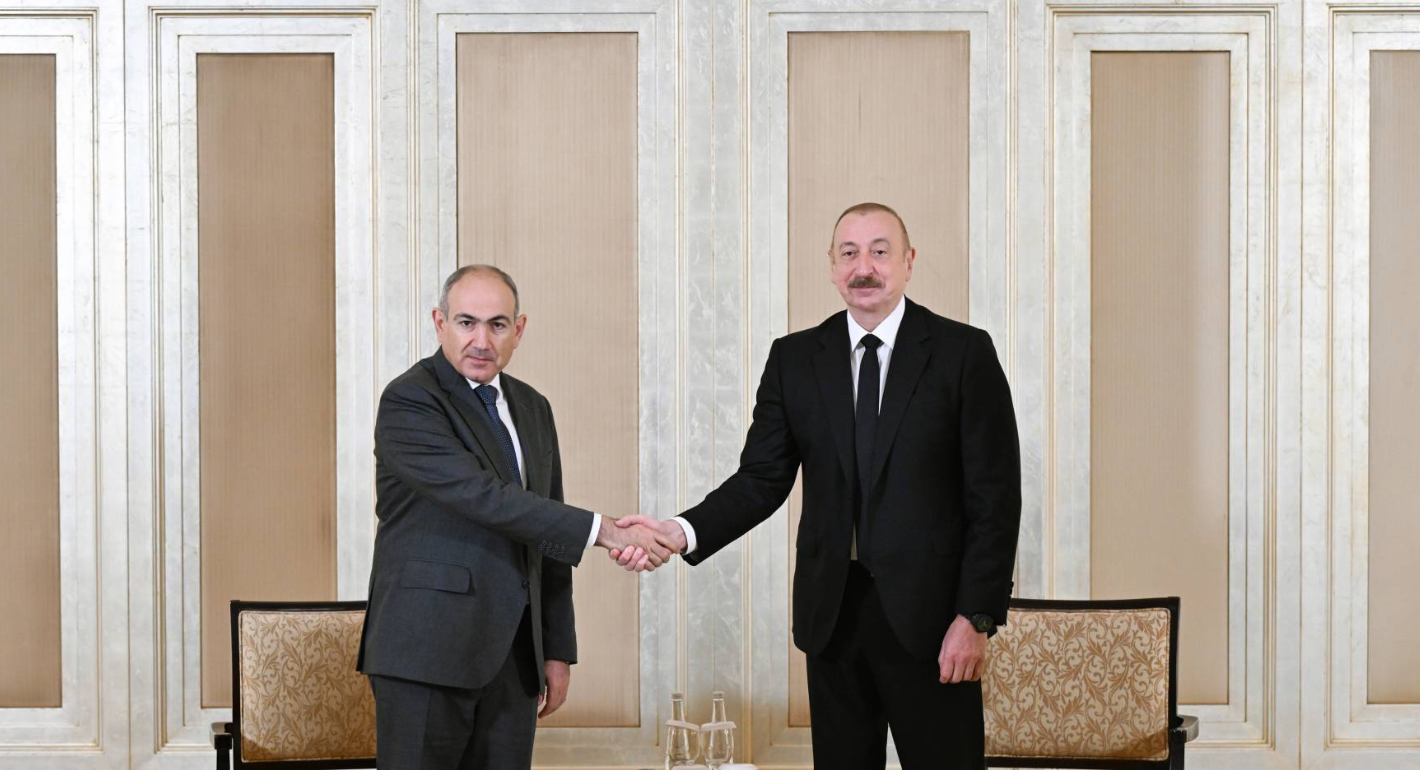
The U.S.-sponsored TRIPP deal is driving the Armenia-Azerbaijan peace process forward. But foreign and domestic hurdles remain before connectivity and economic interdependence can open up the South Caucasus.



Thomas de Waal, Areg Kochinyan, Zaur Shiriyev