

Commentary
In Ukraine, Gaza, and Iran, AI warfare has come to dominate, with barely any oversight or accountability. Europe must lead the charge on the responsible use of new military technologies.
Raluca Csernatoni

While many experts advocate for greater international cooperation on AI safety to address shared global risks, some view cooperation on AI with suspicion, arguing that it can pose unacceptable risks to national security. However, the extent to which cooperation on AI safety poses such risks, as well as provides benefits, depends on the specific area of cooperation.
Ben Bucknall
Saad Siddiqui
Lara Thurnherr
Conor McGurk
Ben Harack
Oxford Martin AI Governance Initiative
Anka Reuel
Patricia Paskov
Casey Mahoney
Casey Mahoney is an associate political scientist at RAND. He conducts policy research on international AI governance and the geopolitics of emerging technology. Mahoney holds a Ph.D. in political science.
Sören Mindermann

Fellow, Technology and International Affairs
Scott Singer is a fellow in the Technology and International Affairs Program at the Carnegie Endowment for International Peace, where he works on global AI development and governance with a focus on China.
Vinay Hiremath
Charbel-Raphaël Segerie
Oscar Delaney
Alessandro Abate
Fazl Barez
Michael K. Cohen
Philip Torr
Ferenc Huszár
Anisoara Calinescu
Gabriel Davis Jones
Yoshua Bengio

Robert F. Trager
Robert F. Trager is Co-Director of the Oxford Martin AI Governance Initiative, International Governance Lead at the Centre for the Governance of AI, and Senior Research Fellow at the Blavatnik School of Government at the University of Oxford. He is a recognized expert in the international governance of emerging technologies and regularly advises government and industry leaders on these topics.
Carnegie does not take institutional positions on public policy issues; the views represented herein are those of the author(s) and do not necessarily reflect the views of Carnegie, its staff, or its trustees.
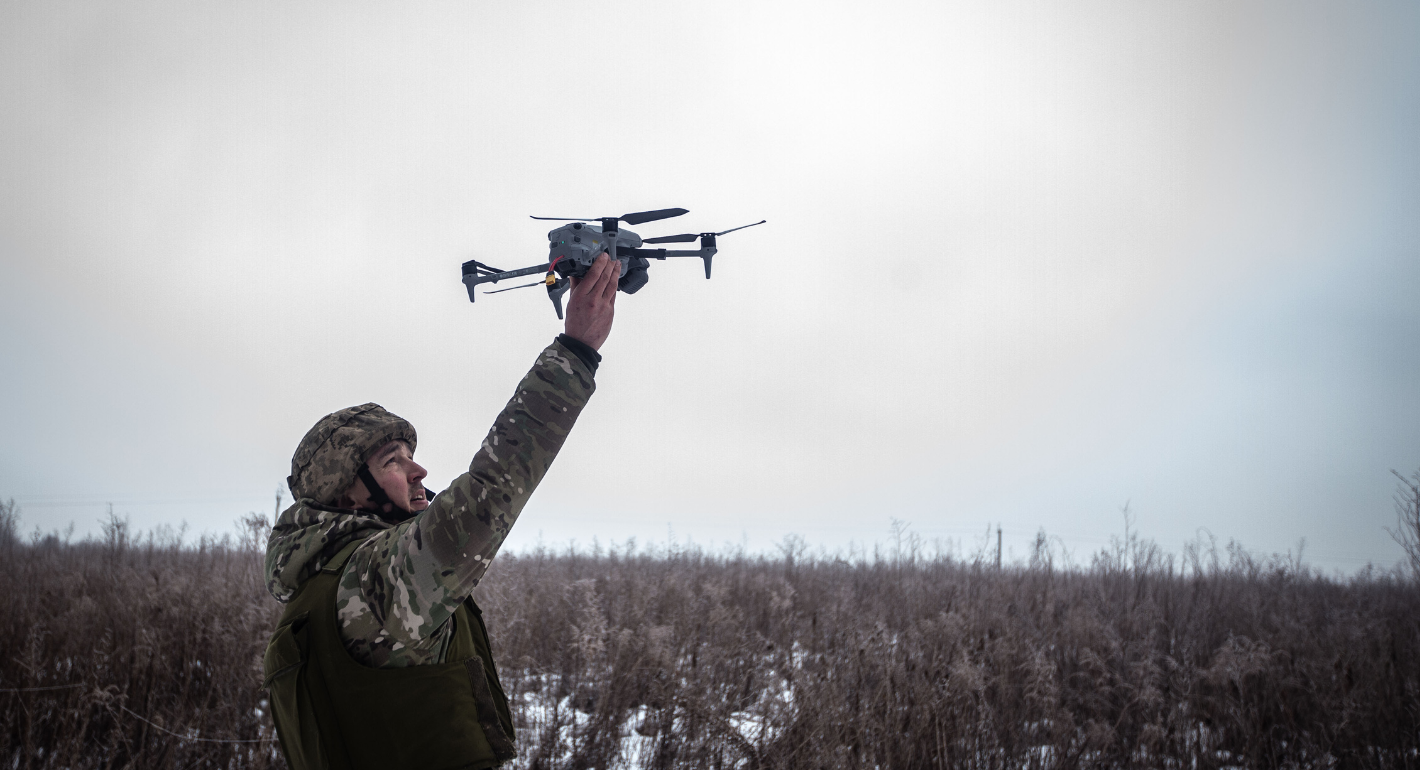
In Ukraine, Gaza, and Iran, AI warfare has come to dominate, with barely any oversight or accountability. Europe must lead the charge on the responsible use of new military technologies.

Raluca Csernatoni
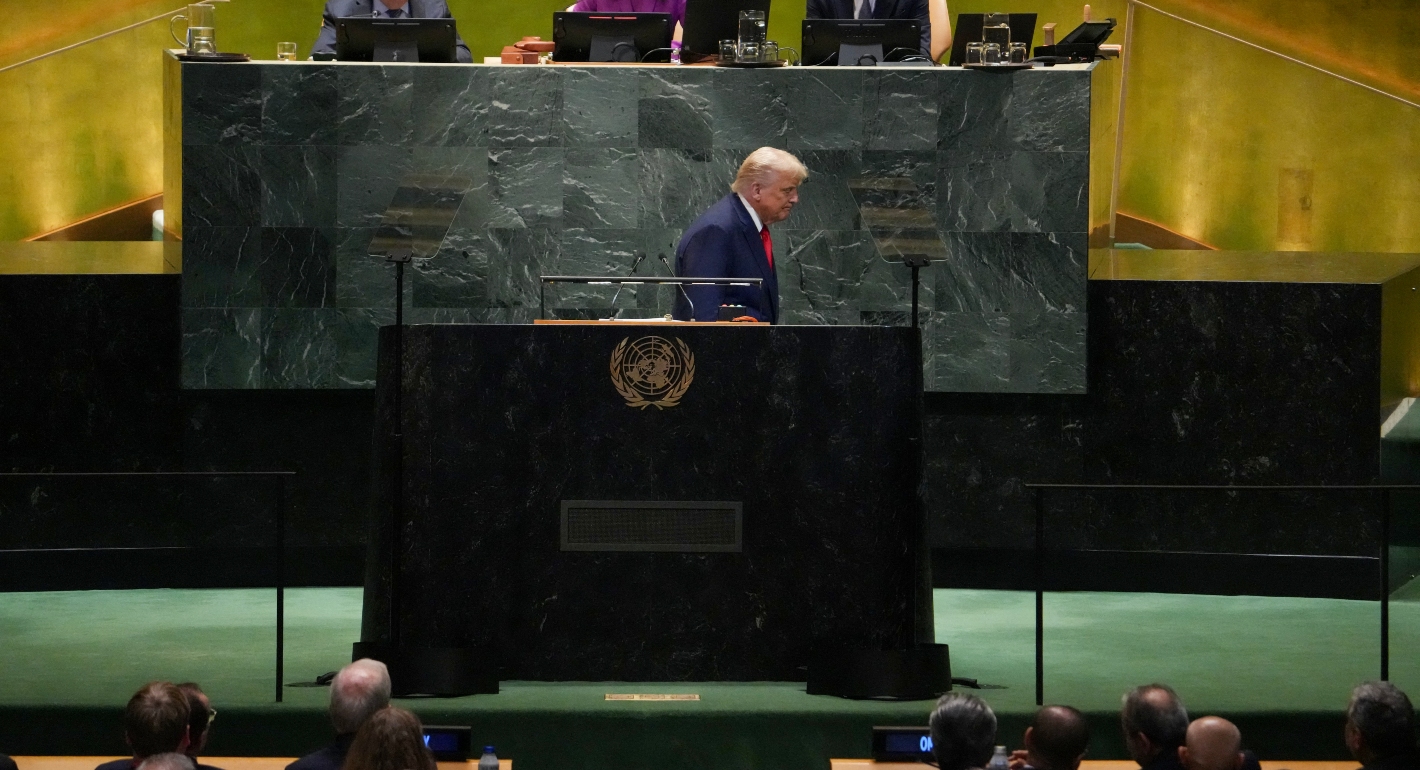
For years, the United States anchored global cyber diplomacy. As Washington rethinks its leadership role, the launch of the UN’s Cyber Global Mechanism may test how allies adjust their engagement.

Patryk Pawlak, Chris Painter
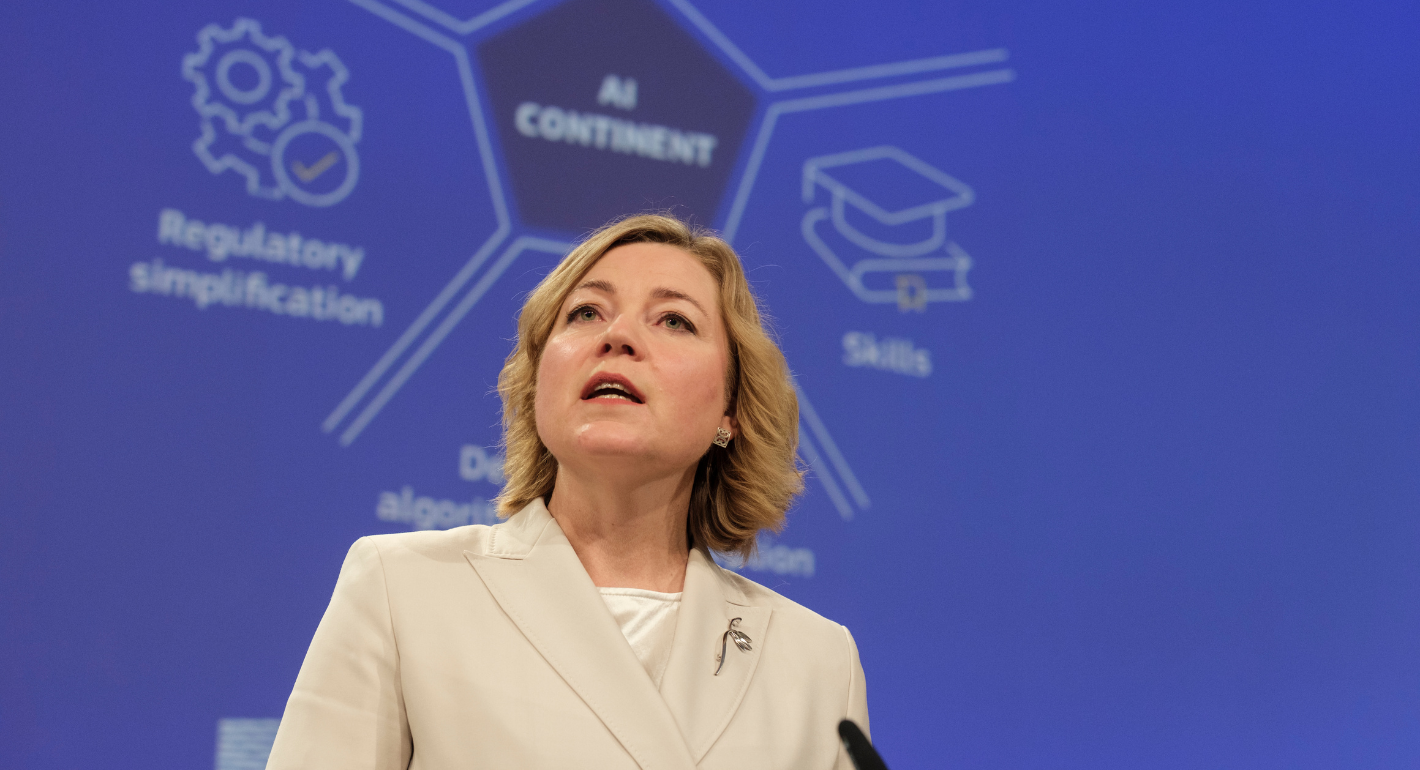
Integrating AI into the workplace will increase job insecurity, fundamentally reshaping labor markets. To anticipate and manage this transition, the EU must build public trust, provide training infrastructures, and establish social protections.

Amanda Coakley

Tech giants are increasingly able to wield significant geopolitical influence. To ensure digital sovereignty, governments must insist on transparency and accountability.
Raluca Csernatoni
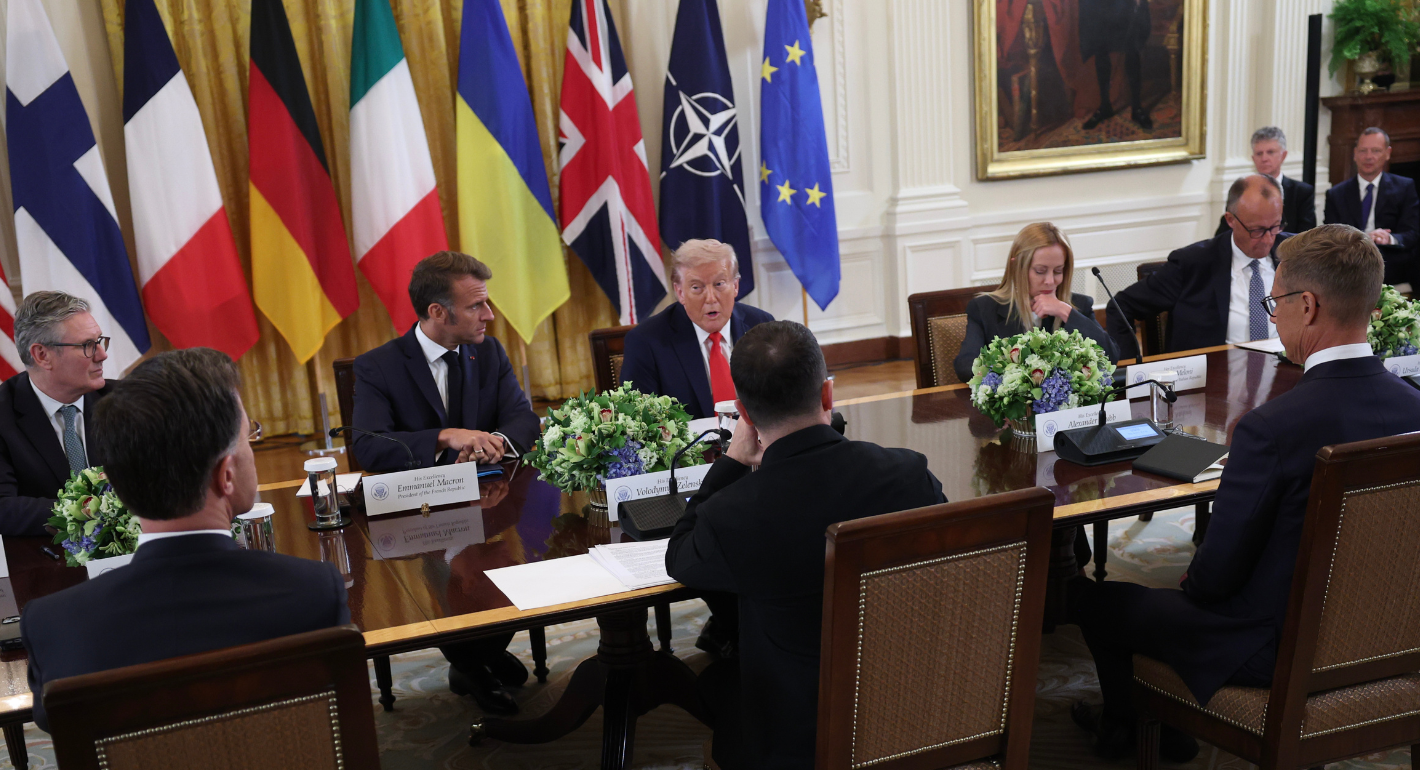
The second Trump administration has shifted the cornerstones of the liberal international order. How the EU responds will determine not only its global standing but also the very integrity of the European project.

Rym Momtaz