

Paper
Autonomous AI agents are increasingly prevalent in cyberspace. The EU needs a real-time monitoring strategy, to invest in AI defenses, and to reduce its strategic dependence on U.S. frontier models.
Raluca Csernatoni, Patryk Pawlak

Effectively steering outcomes for and through AI will require thoughtful, evidence-based policy development. Though it may seem self-evident that evidence should inform policy, this is far from inevitable in the inherently messy policy process.
Rishi Bommasani
Sanjeev Arora
Jennifer Chayes
Yejin Choi

Distinguished Fellow
Mariano-Florentino (Tino) Cuéllar is a distinguished fellow at the Carnegie Endowment for International Peace. He was previously the tenth president of the Carnegie Endowment for International Peace. A former justice of the Supreme Court of California, he has served three U.S. presidential administrations at the White House and in federal agencies, and was the Stanley Morrison Professor at Stanford University, where he held appointments in law, political science, and international affairs and led the university’s Freeman Spogli Institute for International Studies.
Li Fei-Fei
Daniel E. Ho
Dan Jurafsky
Sanmi Koyejo
Hima Lakkaraju
Arvind Narayanan
Alondra Nelson
Emma Pierson
Joelle Pineau

Fellow, Technology and International Affairs
Scott Singer is a fellow in the Technology and International Affairs Program at the Carnegie Endowment for International Peace, where he works on global AI development and governance with a focus on China.
Gaël Varoquaux
Suresh Venkatasubramanian
Ion Stoica
Professor in the EECS Department at the University of California at Berkeley and the Director of Sky Computing Lab
Ion Stoica is a professor in the EECS Department at the University of California at Berkeley, and the Director of Sky Computing Lab. He is currently doing research on cloud computing and AI systems. Current and past work includes ChatBot Arena, vLLM, Ray, Apache Spark, Apache Mesos, Tachyon, Chord DHT, and Dynamic Packet State (DPS). He is a Member of NAE, an Honorary Member of the Romanian Academy, an ACM Fellow and has received numerous awards, including the Mark Weiser Award (2019), SIGOPS Hall of Fame Award (2015), and several "Test of Time" awards. He also co-founded three companies, Anyscale (2019), Databricks (2013) and Conviva (2006).
Percy Liang
Dawn Song
Carnegie does not take institutional positions on public policy issues; the views represented herein are those of the author(s) and do not necessarily reflect the views of Carnegie, its staff, or its trustees.

Autonomous AI agents are increasingly prevalent in cyberspace. The EU needs a real-time monitoring strategy, to invest in AI defenses, and to reduce its strategic dependence on U.S. frontier models.


Raluca Csernatoni, Patryk Pawlak

Defense tech innovations will be at the heart of Europe’s new security strategy. But so far, Brussels has been making moves without a broader plan, undermining readiness and credibility.
Raluca Csernatoni
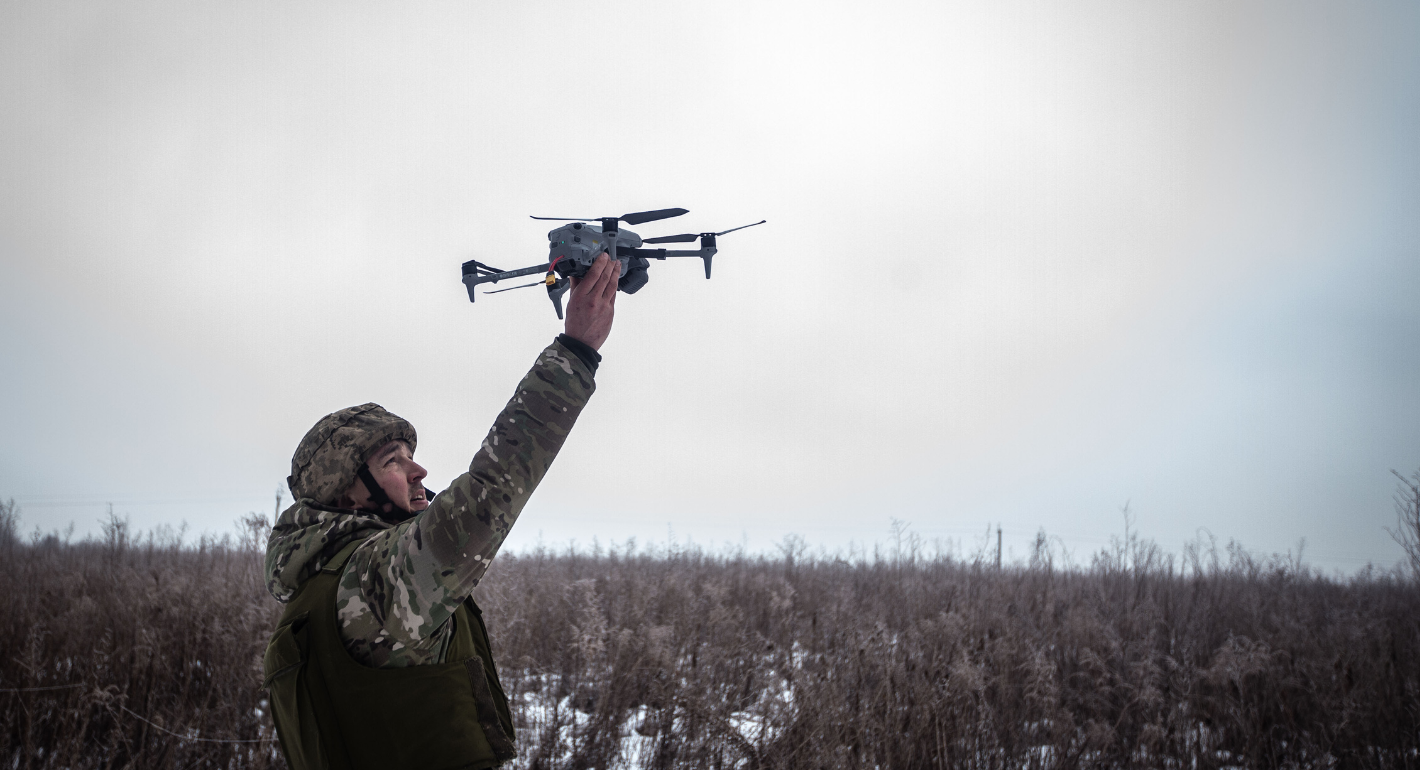
In Ukraine, Gaza, and Iran, AI warfare has come to dominate, with barely any oversight or accountability. Europe must lead the charge on the responsible use of new military technologies.
Raluca Csernatoni
For years, the United States anchored global cyber diplomacy. As Washington rethinks its leadership role, the launch of the UN’s Cyber Global Mechanism may test how allies adjust their engagement.

Patryk Pawlak, Chris Painter
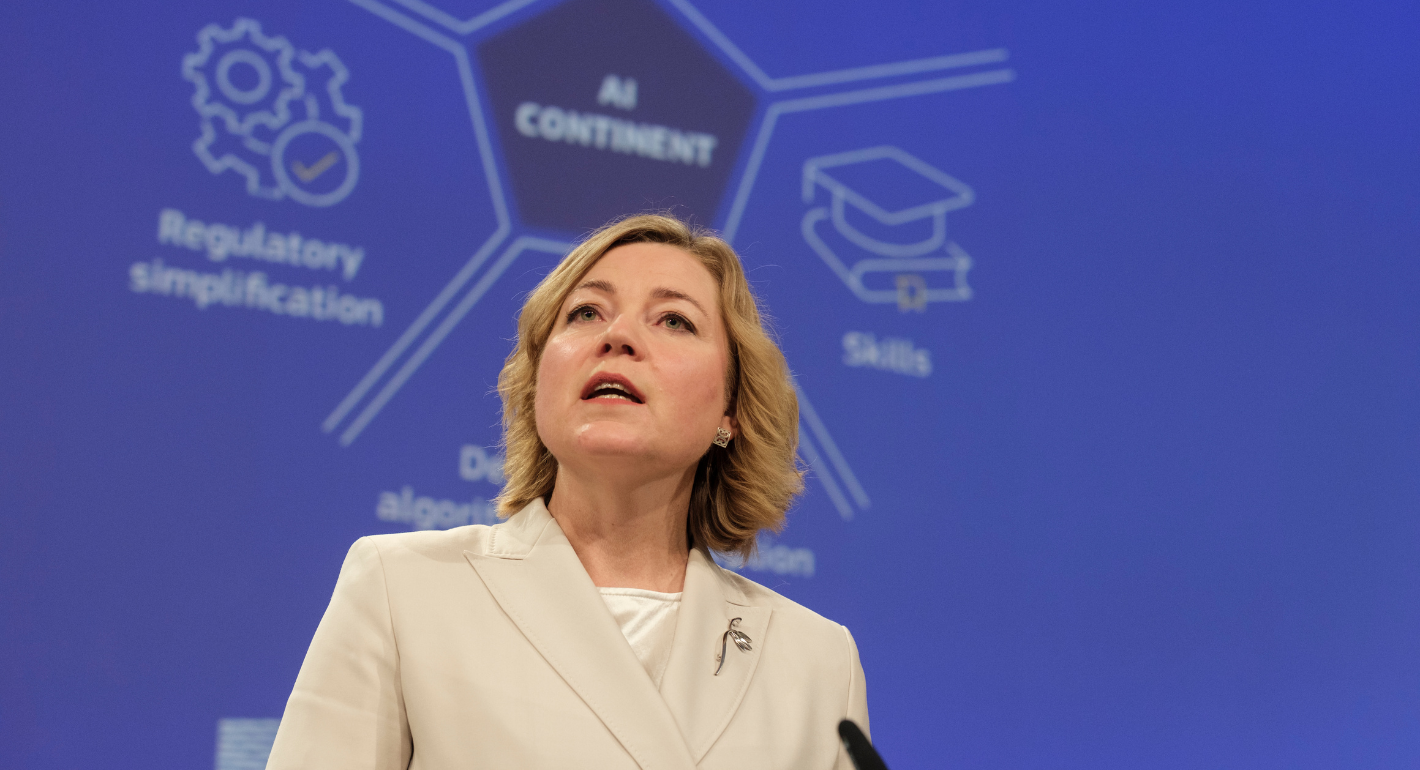
Integrating AI into the workplace will increase job insecurity, fundamentally reshaping labor markets. To anticipate and manage this transition, the EU must build public trust, provide training infrastructures, and establish social protections.
Amanda Coakley