

{
  "authors": [
    "Marina Ottaway",
    "Nathan J. Brown",
    "Amr Hamzawy",
    "Paul Salem"
  ],
  "type": "event",
  "centerAffiliationAll": "dc",
  "centers": [
    "Carnegie Endowment for International Peace"
  ],
  "collections": [],
  "englishNewsletterAll": "democracy",
  "nonEnglishNewsletterAll": "",
  "primaryCenter": "Carnegie Endowment for International Peace",
  "programAffiliation": "DCG",
  "programs": [
    "Democracy, Conflict, and Governance",
    "Middle East"
  ],
  "projects": [],
  "regions": [
    "Middle East",
    "North Africa",
    "Egypt",
    "Algeria",
    "Morocco",
    "Jordan",
    "Bahrain",
    "Kuwait"
  ],
  "topics": [
    "Political Reform",
    "Democracy"
  ]
}
REQUIRED IMAGE
Bridging the Divide: Can Islamists and Western Positions be Reconciled?
Fri, April 20th, 2007
Friday, 20 April
Welcoming Remarks
Roberto Aliboni (IAI) and Marina Ottaway (Carnegie)
Session I
The Gray Zones Revisited
The issues singled out in the Carnegie paper on the Gray Zones and in the more recent Policy Outlook on the Muslim Brotherhood go to the heart of the differences between Islamist movements and Western analysts. In this session, we will take an overall view of the major issues discussed in the papers, namely the role of religion in politics, the significance of sharia for the political/legal system, individual rights and freedoms, pluralism, the rights of minorities. A Carnegie researcher will present the major findings briefly, two representatives of Islamist movements will respond in details.
Moderator:
Roberto Aliboni (IAI)
Initial Speakers:
Nathan Brown, Carnegie and George Washington University
Abdul Moneim Aboul Fottouh (Muslim Brotherhood, Egypt)
Muhammed Al-Buzur (Islamic Action Front, Jordan)
Session II
Accepting Pluralism and Competing Political Agendas: Where are the Limits for the West and for Islamists, in theory and in practice
Both the West and Islamists draw lines at the participation of some groups and the expression of some ideas. The session will discuss overall views on both sides about what makes some groups and ideas legitimate and what makes them illegitimate.
Moderator:
Paul Salem (Carnegie Middle East Center)
Initial Speakers:
Mohamed al Katatni (Muslim Brotherhood, Egypt)
Abdul Razik Makri (Society for Peace, Algeria)
Daniela Pioppi (IAI)
Session III
Accepting Competing Social Agendas: Where are the Limits for the West and for Islamists, in theory and in practice
The session will discuss Islamist and Western models for society, particularly the different approaches to the rights of individuals vs. the rights of the community, and the importance of individual freedom as opposed to that of a just society.
Moderator:
Laura Guazzone (IAI)
Initial Speakers:
Mustapha Khalfi (Party for Justice and Development, Morocco)
Mohammed al-Dallal (Islamic Constitutional Movement, Kuwait)
Amr Hamzawy (Carnegie)
Session IV
Accepting Competing Cultural Agendas: Where are the Limits for the West and for Islamists, in theory and in practice
This session will discuss how Islamists and Westerners deal with the existence of “others” embracing different values, and in particular with the related issues of religious freedom, the rights of minorities, and, more broadly, managing diversity in the population. The discussion will also shed light on patterns of interaction between Islamist movements and secular political actors in different Arab countries.
Moderator:
Nathan Brown (Carnegie)
Initial Speakers:
Said al-Majid (al Wefaq Society, Bahrain)
Mustapha Rameed (Party for Justice and Development, Morocco)
Laura Guazzone (IAI)
Saturday, 21 April
Session V
Western and Islamist goals for the region
What are the goals of Islamists movements and of the West for the region? Can Islamist and Western interests be reconciled?
Moderator:
Roberto Aliboni (IAI)
Initial Speakers:
Ruhayl Ghorayba (Islamic Action Front, Jordan)
Ahmed Issaa (Society for Peace, Algeria)
Marina Ottaway (Carnegie)
Roberto Aliboni (IAI)
Session VI
How do we continue the dialogue and when do we bring in the government officials
This will be a broad discussion of how we can organize future meetings so they will be as fruitful as possible.
Moderator:
Amr Hamzawy (Carnegie)
Initial Speakers:
Nasr al-Saneh (Islamic Constitutional Movement, Kuwait)
Mohammed Yousouf al-Majal (al-Wefaq Society, Bahrain)
Closing Remarks
Roberto Aliboni (IAI) and Marina Ottaway (Carnegie)
Carnegie India does not take institutional positions on public policy issues; the views represented herein are those of the author(s) and do not necessarily reflect the views of Carnegie, its staff, or its trustees.
Event Speakers
Former Senior Associate, Middle East Program
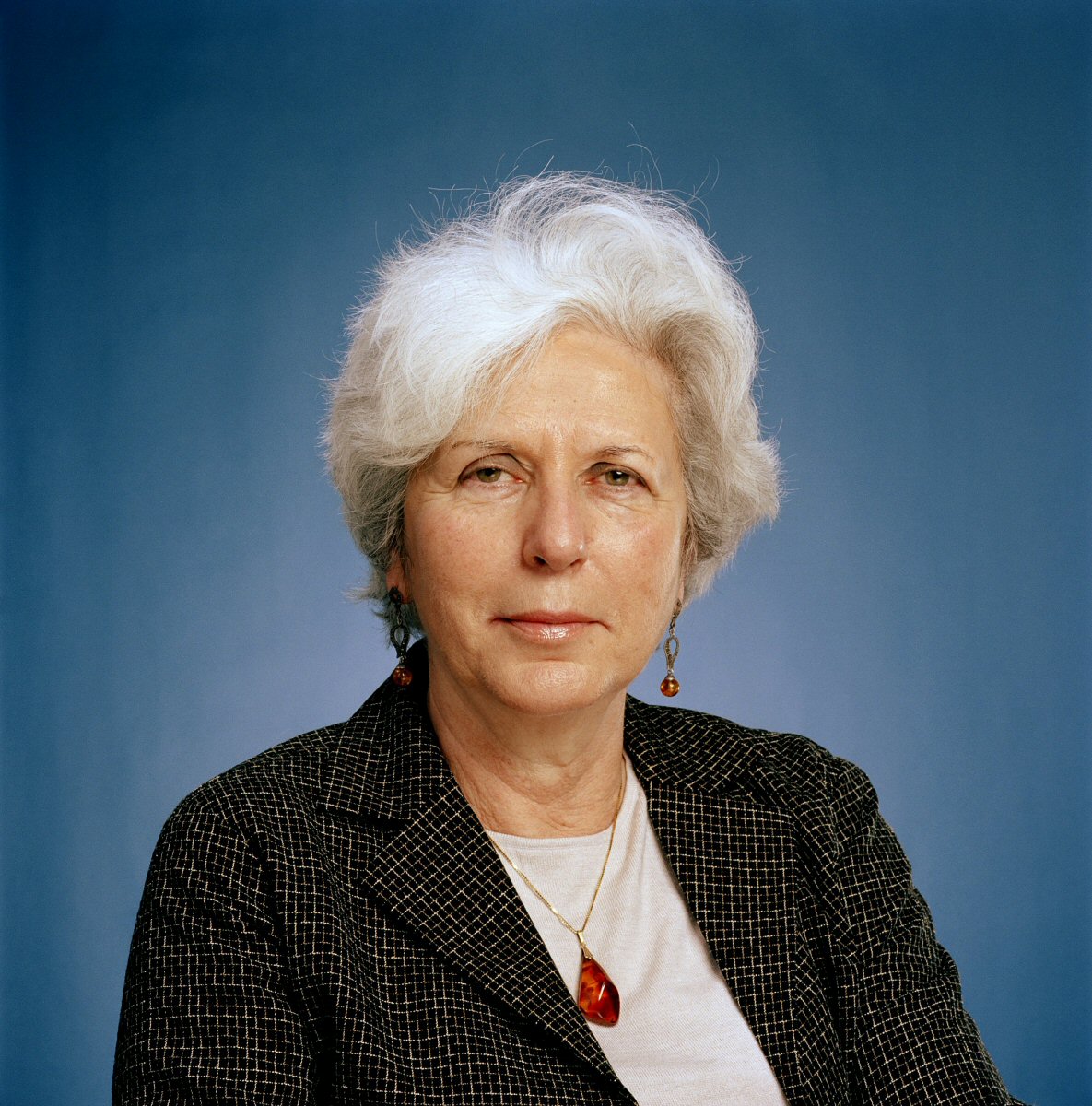
Before joining the Endowment, Ottaway carried out research in Africa and in the Middle East for many years and taught at the University of Addis Ababa, the University of Zambia, the American University in Cairo, and the University of the Witwatersrand in South Africa.
Nonresident Senior Fellow, Middle East Program

Nathan J. Brown, a professor of political science and international affairs at George Washington University, is a distinguished scholar and author of nine books on Arab politics and governance, as well as editor of five books.
Director, Middle East Program

Amr Hamzawy is a senior fellow and the director of the Carnegie Middle East Program. His research and writings focus on Egypt’s and other middle powers’ involvement in regional security in the Middle East, particularly through collective diplomacy and multilateral conflict resolution
Senior Fellow at the Middle East Institute
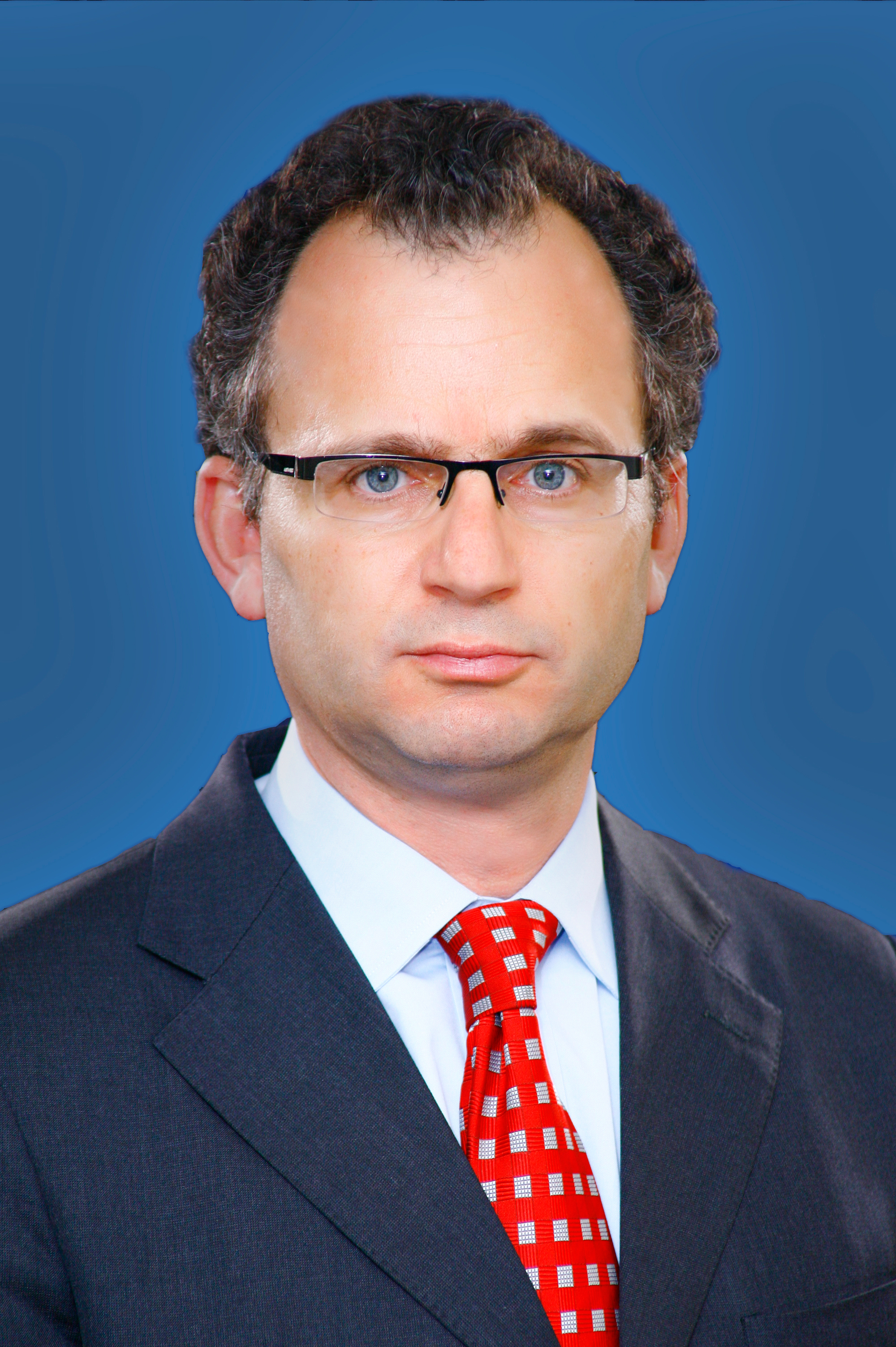
Paul Salem is a senior fellow at the Middle East Institute.