

{
  "authors": [
    "Jessica Tuchman Mathews",
    "George Perkovich",
    "Karim Sadjadpour",
    "Yezid Sayigh",
    "Frederic Wehrey",
    "Ali Vaez",
    "David Sanger"
  ],
  "type": "event",
  "centerAffiliationAll": "dc",
  "centers": [
    "Carnegie Endowment for International Peace"
  ],
  "collections": [
    "Iranian Proliferation"
  ],
  "englishNewsletterAll": "menaTransitions",
  "nonEnglishNewsletterAll": "",
  "primaryCenter": "Carnegie Endowment for International Peace",
  "programAffiliation": "MEP",
  "programs": [
    "Middle East"
  ],
  "projects": [],
  "regions": [
    "Middle East",
    "Iran",
    "Iraq",
    "Syria",
    "Saudi Arabia",
    "Yemen"
  ],
  "topics": [
    "Nuclear Policy"
  ]
}
The Iran Nuclear Deal
Mon, April 13th, 2015
Washington, DC
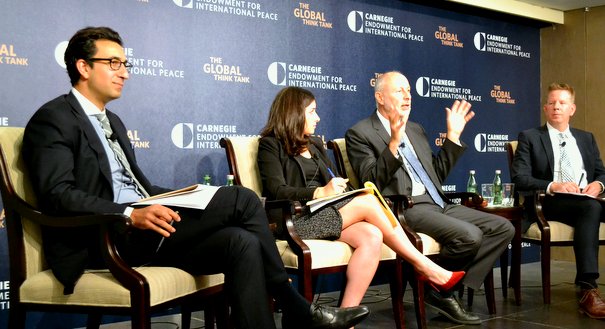
What are the short and long-term obstacles to finalizing and sustaining a nuclear deal with Iran, and how would a U.S.-Iran nuclear détente impact ongoing conflicts and long-standing alliances in the Middle East? The Carnegie Endowment for International Peace hosted two panels discussing the nuclear deal and its regional implications.
Carnegie India does not take institutional positions on public policy issues; the views represented herein are those of the author(s) and do not necessarily reflect the views of Carnegie, its staff, or its trustees.
Event Speakers
Distinguished Fellow

Mathews is a distinguished fellow at the Carnegie Endowment for International Peace. She served as Carnegie’s president for 18 years.
Japan Chair for a World Without Nuclear Weapons, Senior Fellow

George Perkovich is the Japan Chair for a World Without Nuclear Weapons and a senior fellow in the Carnegie Endowment for International Peace’s Nuclear Policy Program. He works primarily on nuclear deterrence, nonproliferation, and disarmament issues, and is leading a study on nuclear signaling in the 21st century.
Senior Fellow, Middle East Program

Karim Sadjadpour is a senior fellow at the Carnegie Endowment for International Peace, where he focuses on Iran and U.S. foreign policy toward the Middle East.
Senior Fellow, Malcolm H. Kerr Carnegie Middle East Center

Yezid Sayigh is a senior fellow at the Malcolm H. Kerr Carnegie Middle East Center in Beirut, where he leads the program on Civil-Military Relations in Arab States (CMRAS). His work focuses on the comparative political and economic roles of Arab armed forces, the impact of war on states and societies, the politics of postconflict reconstruction and security sector transformation in Arab transitions, and authoritarian resurgence.
Senior Fellow, Middle East Program
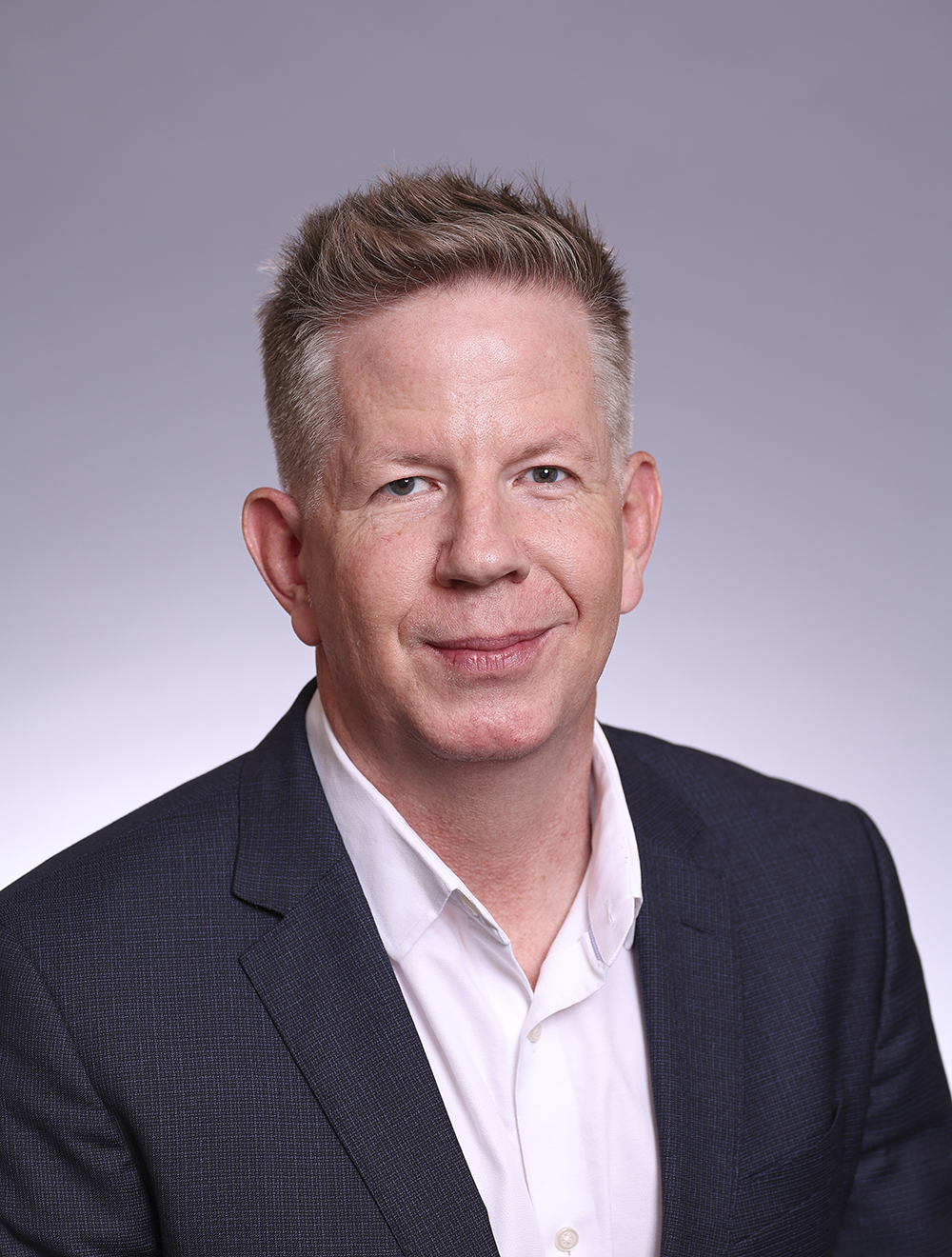
Frederic Wehrey is a senior fellow in the Middle East Program at the Carnegie Endowment for International Peace, where his research focuses on governance, conflict, and security in Libya, North Africa, and the Persian Gulf.
Ali Vaez
David Sanger
David E. Sanger is the national security correspondent for the New York Times and a senior writer for the paper.