This episode is part of our special series on the India AI Impact Summit, examining the conversations, decisions, and debates that are shaping global AI governance.
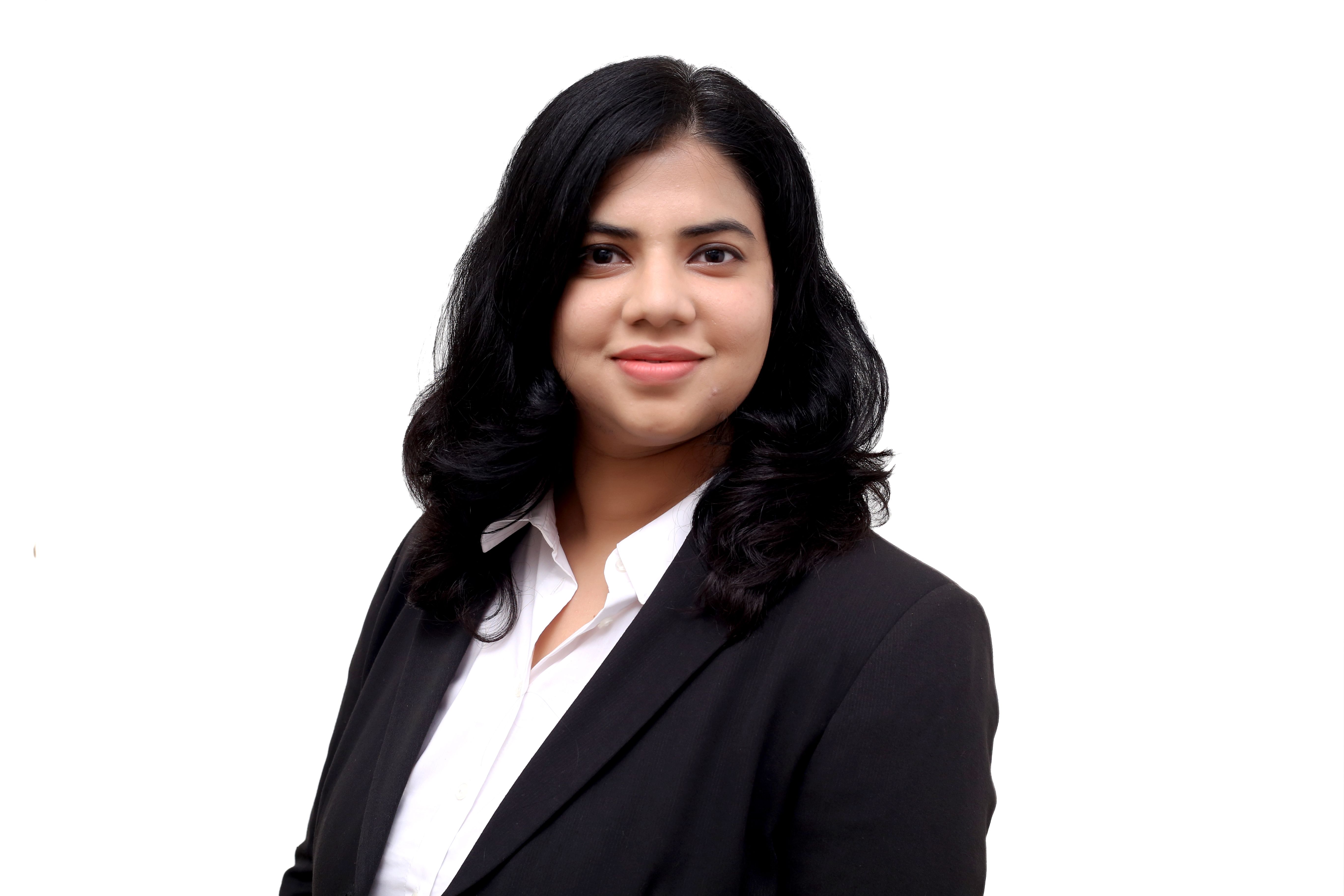
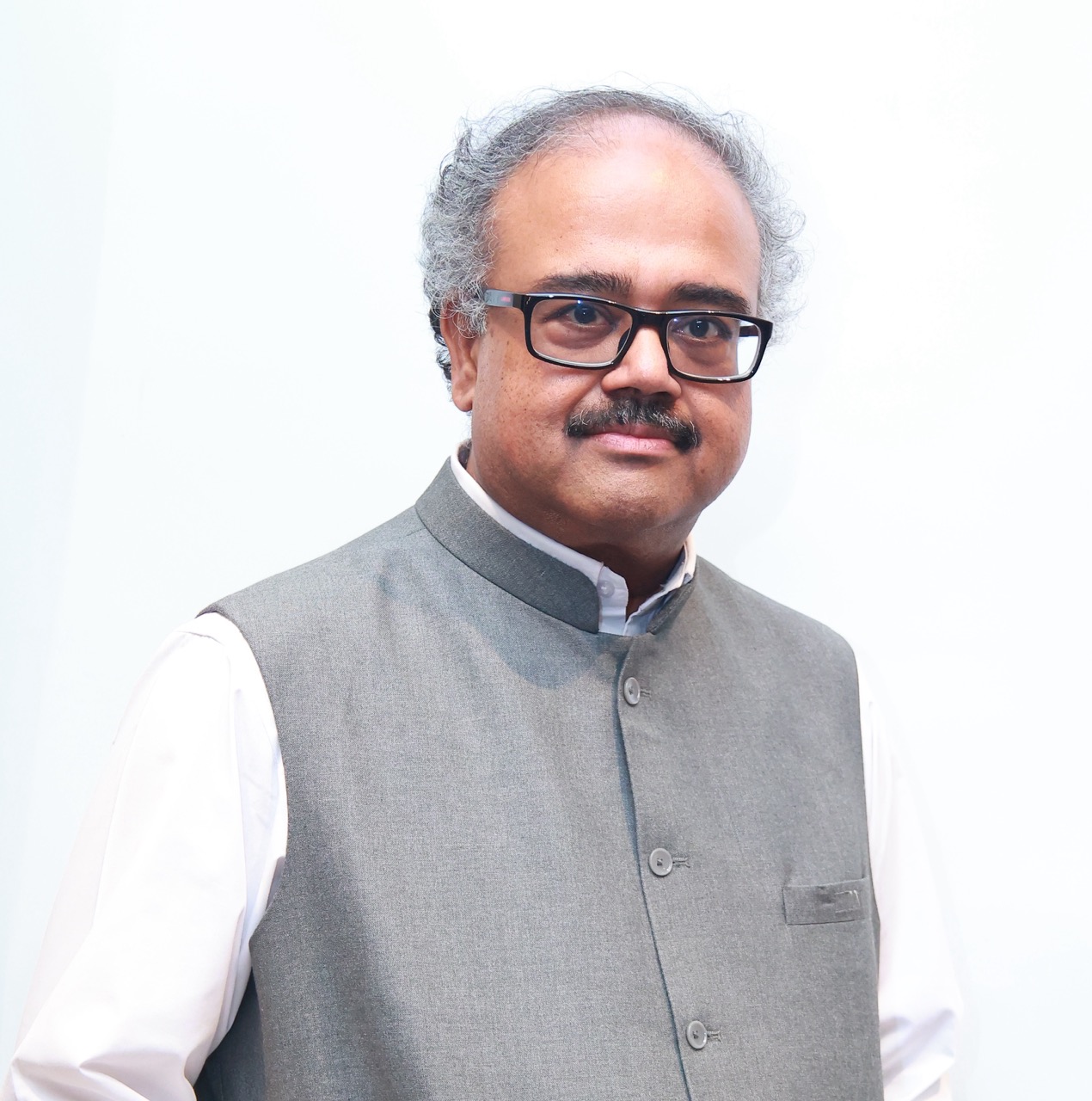
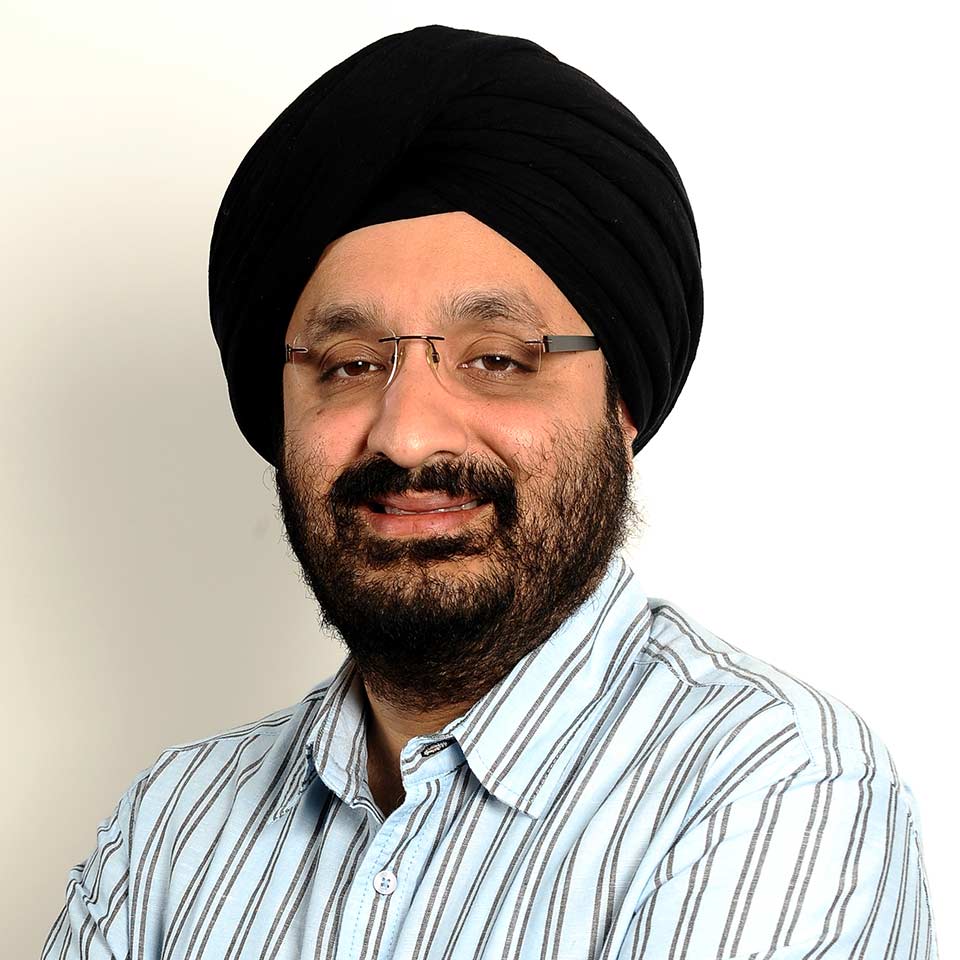
In this episode of Interpreting India, Nidhi Singh, associate fellow at Carnegie India, speaks with Saurabh Garg, secretary at the Ministry of Statistics and Programme Implementation, Government of India, who chaired the working group on democratizing AI resources at the India AI Impact Summit. The working group brought together over 30 countries and several international organizations to tackle a fundamental question: how do you make the foundational resources for AI, compute, data, models, and talent, accessible to countries that currently have very little of it?
This episode explores:
How did the working group build consensus across such a diverse set of countries and such different levels of AI maturity? How did India's own experience with digital public infrastructure inform the thinking behind these global initiatives? What are the next steps, and what role does India see itself playing going forward?
Episode Notes
The working group was designed from the start to be bottom-up rather than top-down. Rather than starting from the positions of countries already leading in AI, the agenda was shaped through consultations, bilateral discussions, and deliberate outreach beyond official channels. The concerns that emerged were consistent: uneven concentration of compute, limited access to quality data, dependence on external platforms, and the risk that much of the global south would not be able to fully participate in or benefit from AI-driven development.
The two key outcomes are the Democratic Diffusion of AI Resources charter, a collective commitment to inclusive and equitable AI development adopted in the summit's final declaration, and MAITRI, a collaborative platform designed to connect governments, researchers, and institutions to the essential building blocks of AI without each country having to start from scratch. Saurabh Garg draws a direct line between these initiatives and India's own experience with layered digital public infrastructure, pointing to the principles behind Aadhaar, UPI, and the India AI Mission as exactly what informed the working group's approach. The real work, he makes clear, begins now.
Transcript
Note: This is an AI-generated transcript and may contain errors.
Nidhi Singh:
Hello and welcome to a new episode of Interpreting India. From geopolitical complexities to economic uncertainties, India faces critical challenges in its quest for a more prominent role on the world stage. This season, we at Carnegie India continue to bring voices from India and around the world to examine the role of technology, the economy, and international security in shaping India’s future. I am Nidhi Singh, Associate Fellow at the Technology and Society Program at Carnegie India.
One of the most consequential outcomes of the India AI Impact Summit in February 2026 was the work done by the working group on democratizing AI resources. The group brought together over 30 countries and several international organizations to tackle a very difficult question: How do you make foundational resources for AI, things like compute and data and models, accessible to countries that currently have very little of it?
Today, we’re going to talk to the person who chaired this working group. He’s going to tell us a little about what it actually took to build consensus across such a diverse set of stakeholders, what was announced, and how we plan to go forward. Joining us today, we have Dr. Saurabh Garg, Secretary at the Ministry of Statistics and Program Implementation, Government of India. Dr. Garg chaired the working group on democratizing AI resources at the AI Impact Summit.
He previously served as the CEO of UIDAI, where he oversaw the expansion of Aadhaar services, and as Secretary at the Ministry of Social Justice and Empowerment. Dr. Garg, welcome to Interpreting India.
Saurabh Garg:
Pleasure to be here and talking about this.
Nidhi Singh:
Sir, we’ll get right into it. You chaired the working group on democratizing AI resources at the AI Impact Summit. Tell us a little about how this group got together and what you wanted to achieve through this.
Saurabh Garg:
This was one of the groups created under the AI Impact Summit. It was one of the seven core thematic pillars, or chakras, as they were called.
All the groups were constituted with the goal of moving from broad principles to tangible outcomes of the AI Impact Summit. You must also realize that this was the Impact Summit which really expanded its scope and had nearly 100 countries come together. Within the broader structure of AI, one of the most important issues is how to ensure equitable access to the foundational resources for AI, and that is a priority across nations.
That is how the group was constituted as a multi-stakeholder and multi-country platform. We had co-chairs from Egypt and Kenya, and along with country representatives, we had academic partners, academic institutions, and knowledge partners who worked together to look at how we can collectively examine and correct this imbalance. That was really the objective and the composition of this working group, and it was really great working with the other countries and partners in this.
Nidhi Singh:
Just to dig into this a little deeper, you’ve talked about how many countries were involved, how this was a very multi-stakeholder approach, and how there were so many organizations that came on board. Like you mentioned, there were co-chairs from Egypt and Kenya. How do you ensure that the agenda being shaped here aligns with the development priorities of the participating countries, and not just the concerns of the countries that are already leading AI?
Saurabh Garg:
I think the design of how we did the discussions was intentionally inclusive and bottom-up.
We didn’t start from the existing AI leaders’ positions, but shaped the agenda by having consultations, bilateral discussions with different countries, and multiple working group meetings. Obviously, most of them were virtual, though we did have one or two in-person meetings also.
The focus was on the real constraints being faced by the Global South and developing countries. Things like lack of compute access, limited datasets, and dependence on external infrastructure. Because there were shared development challenges common across countries, such as building local capacity, reducing dependencies, and enabling context-specific innovation, this ensured that the agenda reflected the needs and experiences of the group of countries that were there.
Nidhi Singh:
Thank you, sir. I think that gives a really nice framing to this conversation. It’s very interesting to hear that there were so many people involved in these conversations and so many international organizations were part of it. But there were some similar concerns that kept coming up. What would you say are maybe the top common concerns that you heard as you were going through the working group process?
Saurabh Garg:
In our discussions, there were more than 30 countries and, of course, international organizations that participated. I think the top concern was the uneven concentration of critical AI resources. That includes compute infrastructure, high-quality datasets, and advanced models.
Talent was also a concern in some regions. The major concern was the risk that many nations, particularly those in the Global South, may not be able to fully participate in AI-driven development. More importantly, they may not get the benefits of the potential for social good from AI. I think that, in a way, really summed up the major concerns of the Global South and the large proportion of countries that were part of the working group.
Nidhi Singh:
Thank you for that answer, sir. One of the things that I always think about is that even if you manage to get to common shared problems, even if you’ve managed to realize what the common concerns are, I imagine the process of building consensus in your working group, with so many partners involved, is still quite difficult. Especially when all the countries are at different levels of AI maturity, it’s not easy to get to some sort of consensus. What did the process of this consensus building, negotiation, and consultation look like?
Saurabh Garg:
As I mentioned earlier, first, we followed a highly consultative and inclusive approach, not starting with any a priori assumptions on what needs to be included or what does not need to be included.
We had continuous dialogue among the different partners. We engaged not only with governments, but also with international organizations, civil society organizations, and knowledge partners. We had different consultations focused on people outside the normal official process of decision-making to get more feedback. That helped us get a sense of the diverse priorities, challenges, and capacities.
Recognition of this helped us ensure that we did not try to do a one-size-fits-all kind of approach. Instead, we focused on identifying shared principles, particularly those around inclusivity, accessibility, and equitable growth.
These were some of the basic principles that all of us were committed to. At the same time, we recognized the need for flexibility for countries to design AI development within their national contexts, because each national context is slightly different. The process of listening, aligning interests, and building trust enabled us to arrive at a broad consensus on the need for democratizing AI resources and, more importantly, for fostering a collaborative ecosystem.
Nidhi Singh:
Yes, I think those are some very critical points that we can focus on, looking at how everybody can benefit and work together. Moving on from the process part of this to some of the outcomes of your working group. Can you walk us through what the key outcomes of the working group were, particularly the charter and the platform that was announced?
Saurabh Garg:
In the discussions, we came to the conclusion that we must have something concrete and, at the same time, something that helps guide future work in this area of democratizing AI resources. Keeping that broad concept in mind, the working group came out with two key outcomes.
One is a shared charter, which was adopted and is a part of the final declaration. The second is a collaborative platform, which has been termed METLI, an acronym for Multi-Stakeholder AI for Trusted and Resilient Infrastructure. This platform would help advance the process of democratizing AI resources.
To talk a bit about these two outcomes, the charter reflects a collective commitment among the participating countries to promote inclusive, equitable, and responsible AI development, with a strong emphasis on improving access to critical enablers such as data, compute, models, and talent. It details what is required to be done, the possible path that can be followed, and the different constraints and challenges that may come up.
The second outcome, which complements the charter and sets out the broad vision of how this can be taken forward, is the platform. It was envisioned as a practical mechanism to operationalize these principles by enabling knowledge sharing, fostering partnerships, and facilitating access to AI resources across countries.
Both these outcomes would help move the conversation from intent to implementation. They also give a sense of the how of implementation, and would help support the creation of a more inclusive global AI system while being aligned with diverse development priorities.
Nidhi Singh:
I just want to ask about the platform a bit more. For people who are not familiar with this space, as many of our listeners may not be, can you tell us a little bit, maybe in a more simple explanation, what does the platform actually do? And what kind of people do you expect it to serve?
Saurabh Garg:
As I mentioned, it’s going to be a shared collaborative ecosystem for countries that may not yet have full access to the required resources. In simple language, it can be understood as a kind of bridge that connects governments, researchers, and institutions to essential AI building blocks, which are datasets, tools, best practices, and expertise, without each country having to develop everything from scratch.
We expect a wide range of stakeholders to contribute to building this platform, including civil society, the private sector, academia, and startups.
Depending on what stage a country or partner is at, they would be able to provide resources, and those resources could be any one of the critical resources I mentioned. Apart from that, they could also suggest available best practices. This will essentially lower the barrier to entry for people to at least access these AI resources through this bridge, if I can call it that, or the platform.
This platform would be a continuous process of building. It is not a one-time activity, but an incremental activity, with the efforts of all countries and partners who will contribute varying sets of resources, whether models, datasets, compute, or talent. It would be visible to all countries what is available and how it is accessible. Over time, we hope this would provide the necessary basis for AI access.
Nidhi Singh:
Thank you, sir. It’s very nice to see how this kind of multi-stakeholder approach, this access, bringing the Global South together and helping them build AI, will eventually lead to the vision of impact that drove the summit in the first place.
Going beyond just the working group, India itself also has a lot of experience with building AI and scaling AI solutions. You yourself have a lot of experience with scaling solutions at larger scales when it came to UIDAI. India has its own domestic AI mission, and that offers compute access to researchers and startups. How much of this experience informed your thinking at the global level when you were working towards the outcomes of the working group?
Saurabh Garg:
Before I talk about that, let me just mention how the AI mission has helped bring in students and others. Just to give some numbers, it’s been less than 24 months since the India AI Mission was set up. In the ecosystem, we nearly already have 40,000 GPUs for common compute, which are available to researchers and startups.
Already, more than 8,000 undergraduate students, 5,000 postgraduate students, and 500 PhD students are being supported for talent development. Already, 27 India AI data labs have been established under the India AI Mission, and nearly 550 or more have been identified. So the scale that the India AI Mission achieved has been significant.
I think that the basic principles we have suggested are being used elsewhere. If you look at the business of public infrastructure and DPI growth, you mentioned Aadhaar, but you have a host of others like DigiLocker, UPI, etc. The basic approach followed is a federated ecosystem. There are layers, and you keep building on layers. Some layers are provided by the public sector or government, and other layers are built by startups or the private sector.
The focus is on how to ensure that the benefits or service delivery to individuals and citizens are improved. The focus is on building shared ecosystems rather than siloed capabilities. It is this principle of accessibility and inclusivity that has been at the basis of all the frameworks, platforms, and digital public infrastructure that have been developed.
That has really informed how we have approached the problem of democratizing AI resources. Given the fact that it is a demonstrated ability and capability that has worked, we need to look at what tweaks and changes are needed so that different contexts and capabilities can be incorporated.
Nidhi Singh:
Taking forward from that conversation, when you talk about different contexts and different capabilities, some of the conversations here are around making compute and datasets accessible across borders. This involves navigating questions around data governance and sovereignty. How are you thinking about these issues?
Saurabh Garg:
As I mentioned earlier, different national contexts will be different. This is an issue that each nation has to look at within its internal laws and frameworks. This is an issue that we did discuss in the working group because this would require a nuanced and country-specific approach. That would need to be done at subsequent times once we have the project in a working position.
Nidhi Singh:
That brings me to my very important question. We’ve had a lot of conversations about setting the context and how you can frame these broader conversations. But one important factor here is funding. What does the funding and sustainability picture look like for these initiatives as we go forward?
Saurabh Garg:
On the funding, this was one area that we discussed. We recognized that, again, we would have to follow a kind of multi-stakeholder and federated approach. Different players have different risk profiles and different objectives, whether it is the government, international organizations, industry, philanthropic institutions, or development partners.
The kinds of resources required could be a mix of financial, technical, and institutional resources. All these resources are required, and different partners would have strengths in different areas. Depending on the capacity and priority of each of those partners, their contribution might vary across the financial, technical, and institutional resources that are required.
The other thing we also recognized is that the focus needs to be not only on funding infrastructure, but also on creating longer-term value through knowledge sharing, capacity building, and building reusable digital public goods, among others.
The approach of the initiative was to ensure that whatever we do has to be resilient, adaptable, and capable of delivering inclusive impact over time. In this framework, depending on the status and the cycle at which they are, each of the partners can come in with a resource that they feel would help. These are the details that would need to be worked out as we move forward, depending on the kind of impact funding or market funding that might be available and the area that it would be available for.
Nidhi Singh:
Now that the summit is over and the announcements have been made, what do you think would be good immediate next steps to take to ensure that this is being operationalized properly?
Saurabh Garg:
Obviously, now we have to move from intent to implementation through a set of clearly defined, time-bound action plans and action points.
Some of these include operationalizing the platform architecture. The architecture needs to be discussed. We need to identify the initial use cases that could be brought in and also onboard early partners, whether they are from government, academia, or industry.
Along with that, we need to have efforts to co-develop the governance and data-sharing frameworks to ensure that the platform is both secure and interoperable. Apart from this, we would need some initial pilot projects and capacity-building efforts so that there is tangible value and confidence can be built.
These steps, as I indicated, are something that we hope to start working on with some of the initial partners that have been identified, so that we have some tangible work done over the next few months as we move forward.
Nidhi Singh:
Summits generate a lot of energy and attention, but the real work of building AI happens after the summit. You’ve touched upon how implementation is something that you really need to work on, and how you need to keep this going forward. How do you see the momentum that has been generated at this summit going forward in the medium term and long term? And what role do you see India playing in this medium-term and long-term plan?
Saurabh Garg:
Some of the activities will be needed to institutionalize this effort, including regular engagements, progress reviews, and scaling of the pilot initiatives that I mentioned.
India sees itself playing both a catalytic and a convening role in this journey. We are looking at what kind of digital public goods could be considered, what kind of capacity building or sharing of best practices is feasible, and what kind of initial work can be done with some of the international partners. That is the ongoing work. India would continue to play a role, both catalytic and convening.
Nidhi Singh:
One last question before we let you go. Switzerland is now the next host of the summit. Based on your experience working on AI, with the working group, and generally all of this work that has been going on with the platform and the charter, what do you hope that they will carry forward or build on from what has been done here in India?
Saurabh Garg:
Switzerland, as the next host, brings considerable strength in data governance, and they have a really well-established approach towards data sovereignty. They are very well placed in the sense that they understand the ecosystem well.
On the democratic diffusion of AI, which is the charter, I’m sure they would be able to work towards what kind of better inclusive approaches are possible for the work that is being taken forward, while at the same time ensuring robust safeguards around data privacy, security, and ethical use.
A pivotal role there is deepening trust-based frameworks and advancing responsible AI. I think these are aspects that one sees continuing to go forward within the overall context of greater democratic diffusion of AI resources.
Nidhi Singh:
Dr. Garg, thank you so much for taking the time and for walking us through all of this. It’s been so valuable to hear about the processes that went on behind these outcomes and to hear about what lies ahead of us.
Saurabh Garg:
Thank you. It’s been a pleasure, and I look forward to continued engagement on this.
Nidhi Singh:
We’ll be back in two weeks with a new episode. To make sure you don’t miss it, be sure to subscribe on Apple Podcasts, Spotify, YouTube Music, or wherever you get your podcasts. To learn more about our research and team, you can visit us at carnegieindia.org. You can also find us on social media on X, Facebook, LinkedIn, and Instagram. Thank you for listening. See you next time.