• Research
  • About
  • Experts
Carnegie India logoCarnegie lettermark logo
AI
Podcast Episode
Carnegie India

Scarcity, Sovereignty, Strategy: Mapping the Political Geography of AI Compute

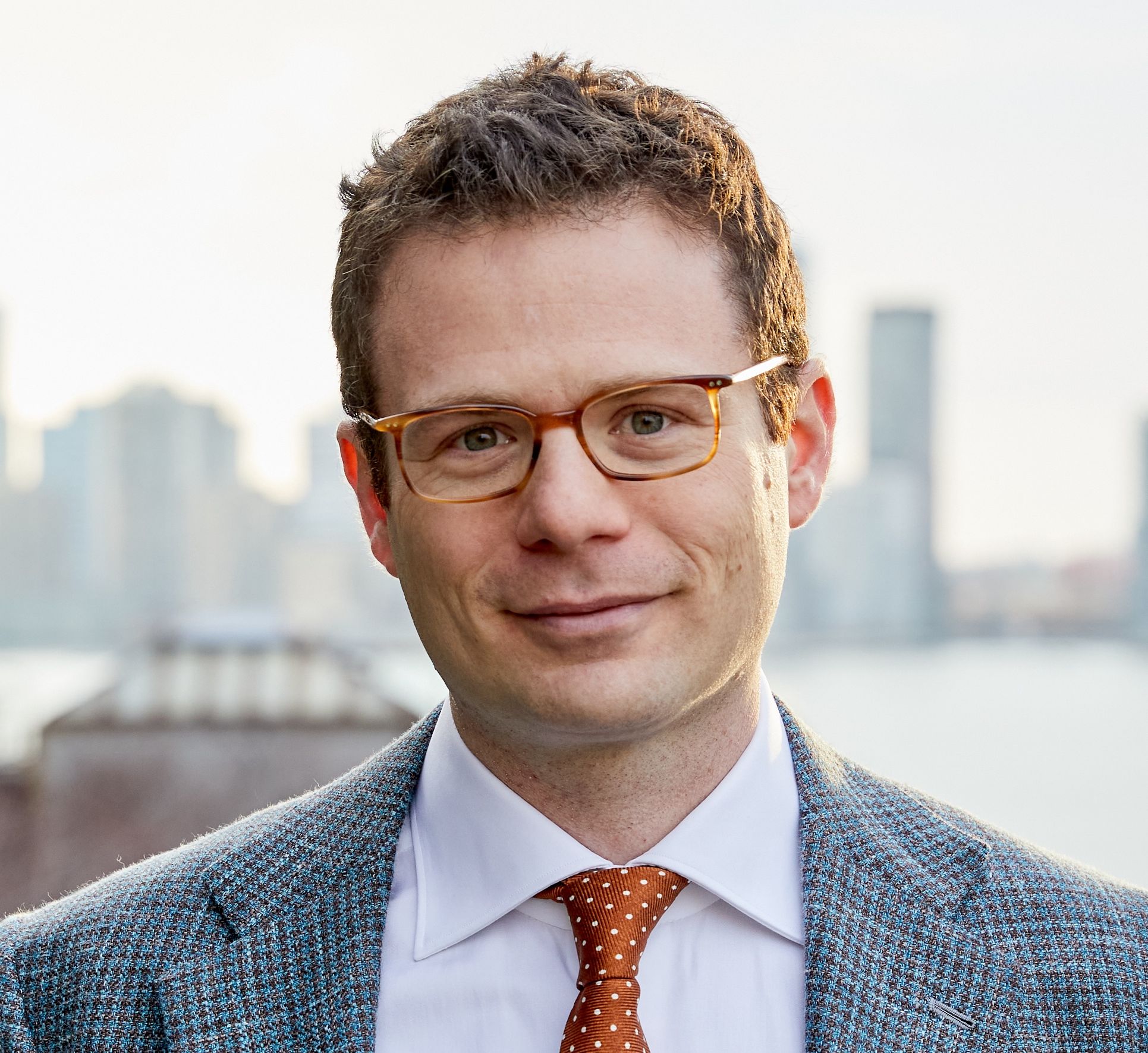
In this episode of Interpreting India, Adarsh Ranjan is joined by Zoe Jay Hawkins, co-founder and deputy executive director of the Tech Policy Design Institute. They explore the evolving idea of AI sovereignty, the geopolitics of compute, and how countries are navigating access to the foundational infrastructure that powers artificial intelligence. Drawing from her research at the Oxford Internet Institute, Zoe unpacks the political geography of AI compute, the rising concentration of AI chips and data centers, and what this means for both developed and developing economies.

Link Copied
By Adarsh Ranjan and Zoe Jay Hawkins
Published on Nov 21, 2025

Subscribe on

SpotifyApple PodcastsAmazon MusicYoutube

In this episode of Interpreting India, Adarsh Ranjan is joined by Zoe Jay Hawkins, co-founder and deputy executive director of the Tech Policy Design Institute. They explore the evolving idea of AI sovereignty, the geopolitics of compute, and how countries are navigating access to the foundational infrastructure that powers artificial intelligence. Drawing from her research at the Oxford Internet Institute, Zoe unpacks the political geography of AI compute, the rising concentration of AI chips and data centers, and what this means for both developed and developing economies.

What does “AI sovereignty” really mean, and how can countries conceptualize it across different levels? Why is access to compute becoming a critical geopolitical issue, and how concentrated is the global compute landscape today? How should countries, especially in the Global South, approach compute scarcity, supply chain risks, and long-term AI strategy?

Episode Notes

As AI systems grow more powerful, the computational infrastructure behind them has become a strategic resource, one that is unevenly distributed across the world. This episode takes a deep look at the three layers of compute sovereignty: where data centers are located, who owns them, and who manufactures the chips that power them. Zoe explains how access to compute has quickly shifted from a technical issue to a core question of economic resilience and sovereignty.

The conversation unpacks new research showing how few countries actually host advanced AI-relevant data centers, and how global dependencies on companies like Nvidia shape strategic decisions. Adarsh and Zoe discuss the implications for countries that are “compute deserts,” the growing push toward sovereign capabilities, and why a binary view of sovereignty is misleading. They also explore how countries are attempting to secure compute, through public investment, regional collaborations, and new transnational initiatives.

Finally, the episode examines the emerging tension between the pursuit of compute sovereignty and the environmental and socioeconomic costs of data centers. As global investments flow into AI infrastructure, Zoe argues for a more grounded, people-centric approach to AI strategy, one that balances access, sustainability, and long-term national priorities amid evolving questions about the future of the AI industry.

Hosted by

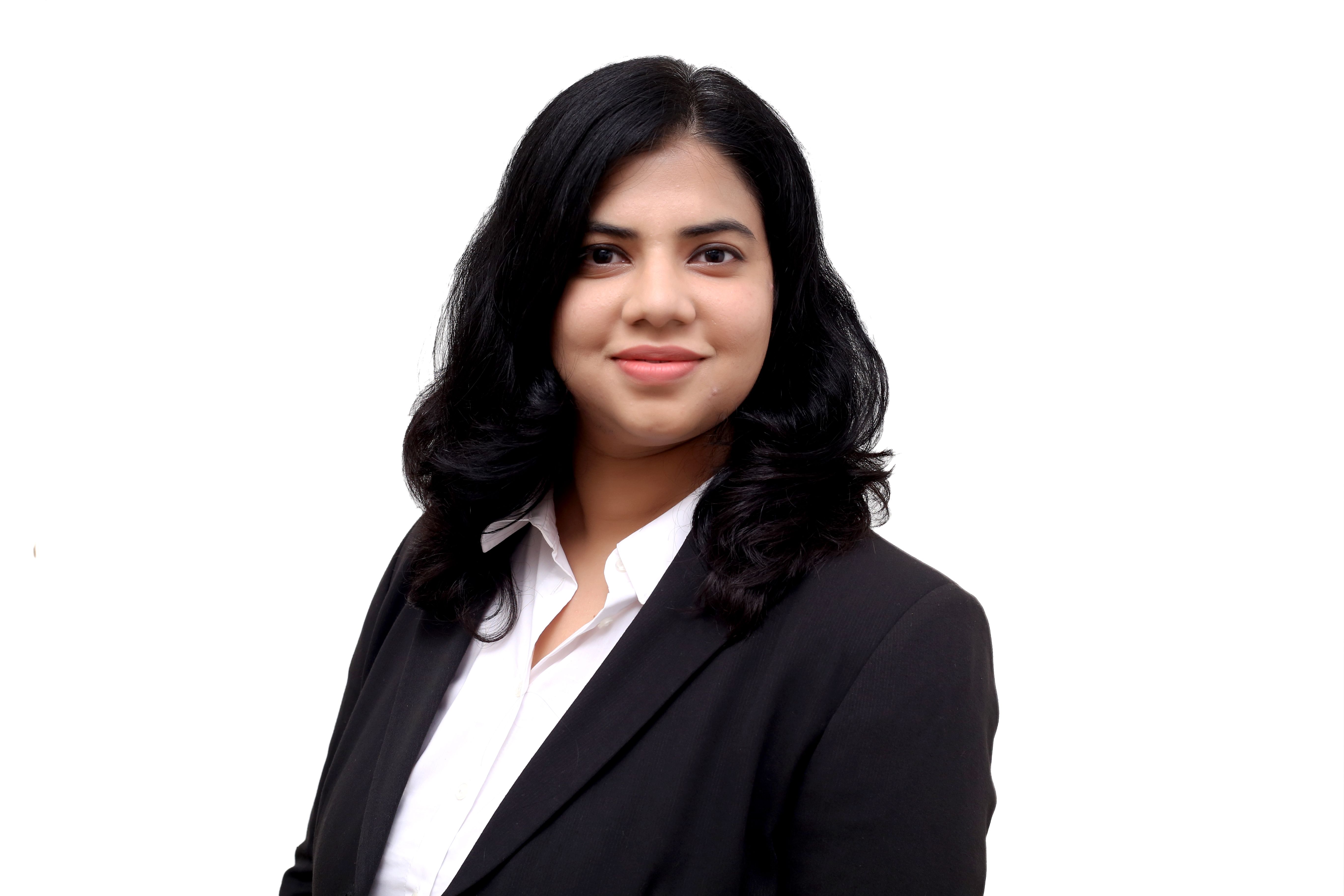
Adarsh Ranjan
Research Analyst, Technology and Society Program
Adarsh Ranjan

Featuring

Zoe Jay Hawkins

Carnegie India does not take institutional positions on public policy issues; the views represented herein are those of the author(s) and do not necessarily reflect the views of Carnegie, its staff, or its trustees.

More Work from Interpreting India

  • Podcast Episode
    An African Perspective for Building AI for Global South | AI Summit Special

    In this episode of Interpreting India, Nidhi Singh is joined by Raymond Ononiwu, founder and CEO of Horus Labs, for a conversation that cuts through the noise around compute, data centres, and AI infrastructure to ask a more fundamental question: who is this all actually being built for?

      Nidhi Singh, Raymond Ononiwu

  • Podcast Episode
    The India-EU Trade Deal: What It Delivers and What It Doesn't

    In this episode of Interpreting India, Vrinda Sahai is joined by Nicolas Köhler-Suzuki, Advisor for Trade and Economic Security at the Jacques Delors Institute, for a detailed conversation on the India-EU Free Trade Agreement. After decades of slow-moving negotiations, both sides have arrived at what is shaping up to be the most ambitious trade deal India has ever signed. Nicolas unpacks what is in the agreement, what is missing, and what its success will depend on in the years ahead.

      Vrinda Sahai, Nicolas Köhler-Suzuki

  • Podcast Episode
    From Bletchley Park to Delhi and What Comes Next | AI Summit Special

    In this episode of Interpreting India, Nidhi Singh is joined by Mariano-Florentino (Tino) Cuéllar, President of the Carnegie Endowment for International Peace and one of the very few people to have attended all four global AI summits, from Bletchley Park to Delhi. The conversation traces the arc of AI summit diplomacy, what has been accomplished, where the gaps remain, and what the process reveals about how different parts of the world are thinking about a technology that is moving faster than any single government or institution can keep up with.

      Nidhi Singh, Mariano-Florentino (Tino) Cuéllar

  • Podcast Episode
    Data, AI, and the Laws Trying to Keep Up

    In this episode of Interpreting India, Nidhi Singh is joined by Nikhil Narendran, Partner at Trilegal, for a conversation on two of the most pressing issues shaping India's digital future: data protection and AI governance. From the nuts and bolts of India's Digital Personal Data Protection Act to deeper questions about regulating artificial intelligence, Nikhil brings the perspective of a technology lawyer who is not just advising on these issues but actively living them.

      Nidhi Singh, Nikhil Narendran

  • Podcast Episode
    Inside the Iran Conflict: Power, Strategy, and India’s Balancing Act

    In this episode of Interpreting India, Srinath Raghavan speaks with Gaddam Dharmendra, Nonresident Senior Fellow, Carnegie India and India’s former Ambassador to Iran about the ongoing U.S.-Israel conflict with Iran and what it means for the region. The conversation looks at Iran’s response to sustained attacks, the wider impact on energy markets and regional stability, and the changing relationships between Iran, the Gulf countries, and global powers. It also reflects on India’s position as it balances its ties across West Asia while navigating strategic and economic pressures, and what lies ahead as the conflict continues to shape the region.

      Srinath Raghavan, Gaddam Dharmendra

Get more news and analysis from
Carnegie India
Carnegie India logo, white
Unit C-4, 5, 6, EdenparkShaheed Jeet Singh MargNew Delhi – 110016, IndiaPhone: 011-40078687
  • Research
  • About
  • Experts
  • Projects
  • Events
  • Contact
  • Careers
  • Privacy
  • For Media
Get more news and analysis from
Carnegie India
© 2026 Carnegie Endowment for International Peace. All rights reserved.