• Research
  • About
  • Experts
Carnegie India logoCarnegie lettermark logo
AI
Podcast Episode
Carnegie India

Steven Freeland on the Governance of Space Resource Activities

In this episode of Interpreting India, Steven Freeland, vice-chair of the United Nations Committee on Peaceful Uses of Outer Space (UN COPUOS) Working Group on Legal Aspects of Space Resource Activities, joins Tejas Bharadwaj to discuss space resource activities and governance.

Link Copied
By Tejas Bharadwaj and Steven Freeland
Published on Apr 11, 2024

Subscribe on

SpotifyApple PodcastsAmazon MusicYoutube

Additional Links

Listen to the Episode
Project hero Image

Project

Technology and Society

This program focuses on five sets of imperatives: data, strategic technologies, emerging technologies, digital public infrastructure, and strategic partnerships.

Learn More

EPISODE SUMMARY

In this episode of Interpreting India, Steven Freeland, vice-chair of the United Nations Committee on Peaceful Uses of Outer Space (UN COPUOS) Working Group on Legal Aspects of Space Resource Activities, joins Tejas Bharadwaj to discuss space resource activities and governance.

What are some ongoing initiatives that aim to govern space resource activities? What challenges and opportunities do they present? And how can active spacefaring countries like India contribute to these initiatives?

EPISODE NOTES

In the realm of space exploration, there's a growing focus on extracting resources from celestial bodies like the Moon and asteroids. This calls for a strong governance framework to ensure responsible and sustainable practices. International laws such as the Outer Space Treaty and the Moon Agreement provide the foundation, while initiatives like the Artemis Accords support commercial ventures. The UN's COPUOS Working Group is dedicated to addressing the legal and technical aspects of space resource activities, aiming to develop guidelines for their responsible use. Multilateralism is crucial for consensus among nations, with countries like China, Russia, and India actively participating. India, as a respected spacefaring nation, has a pivotal role to play, leveraging its expertise to shape global discussions on space resource governance.

However, it is important to ensure that such activities are carried out per obligations under international law. For example, Article II of the Outer Space Treaty prohibits the appropriation of outer space including celestial bodies. There are also concerns that if space resource activities are not governed properly, conflicts may arise in outer space and back on Earth. To facilitate an inclusive and multi-stakeholder dialogue on this issue, the UN COPUOS established the Working Group on Legal Aspects of Space Resource Activities.

How will this multilateral initiative function? What promises does this initiative hold in shaping the norms and future of space resource activities? And what is India’s possible role in this initiative?

Hosted by

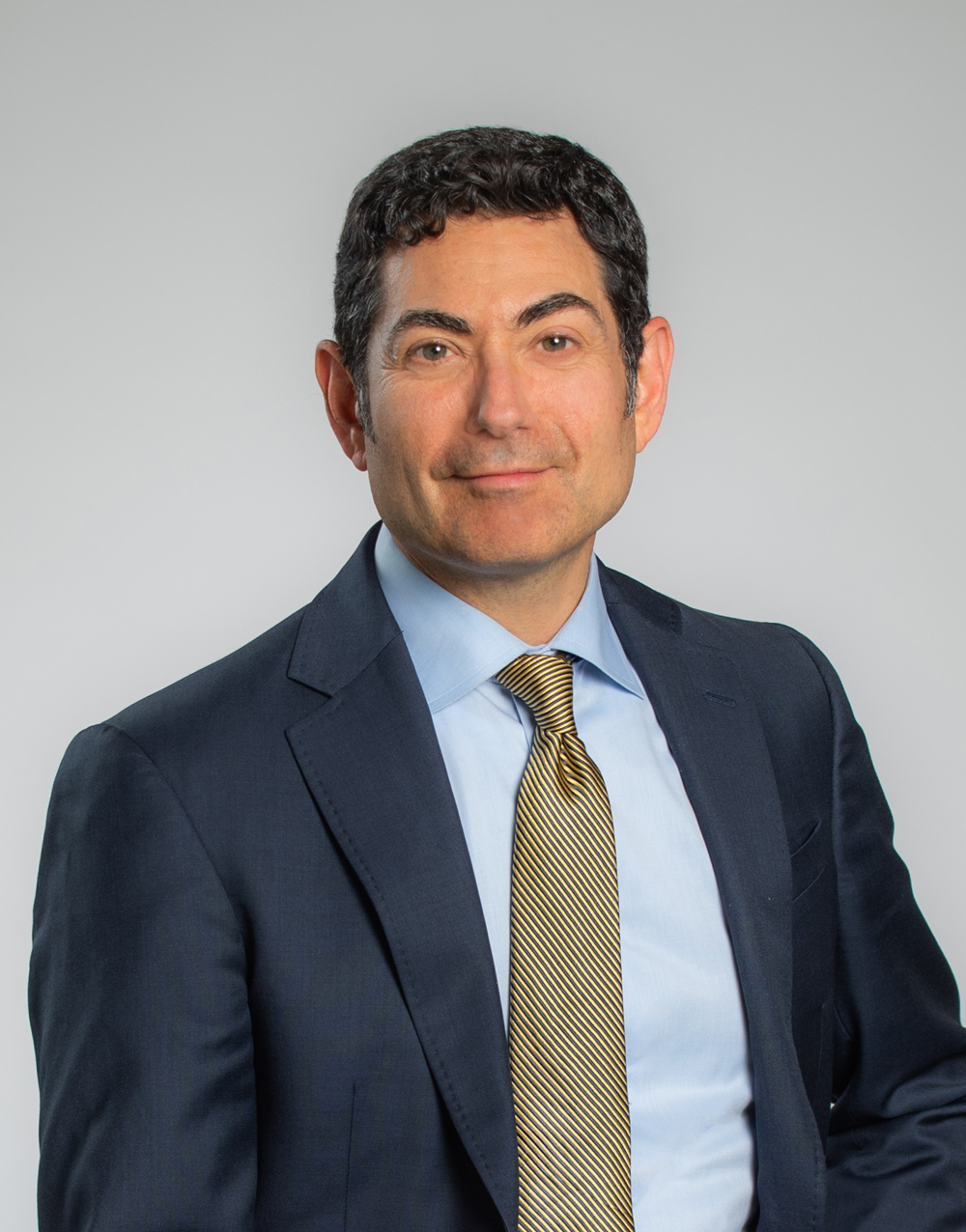
Tejas Bharadwaj
Senior Research Analyst, Technology and Society Program
Tejas Bharadwaj

Featuring

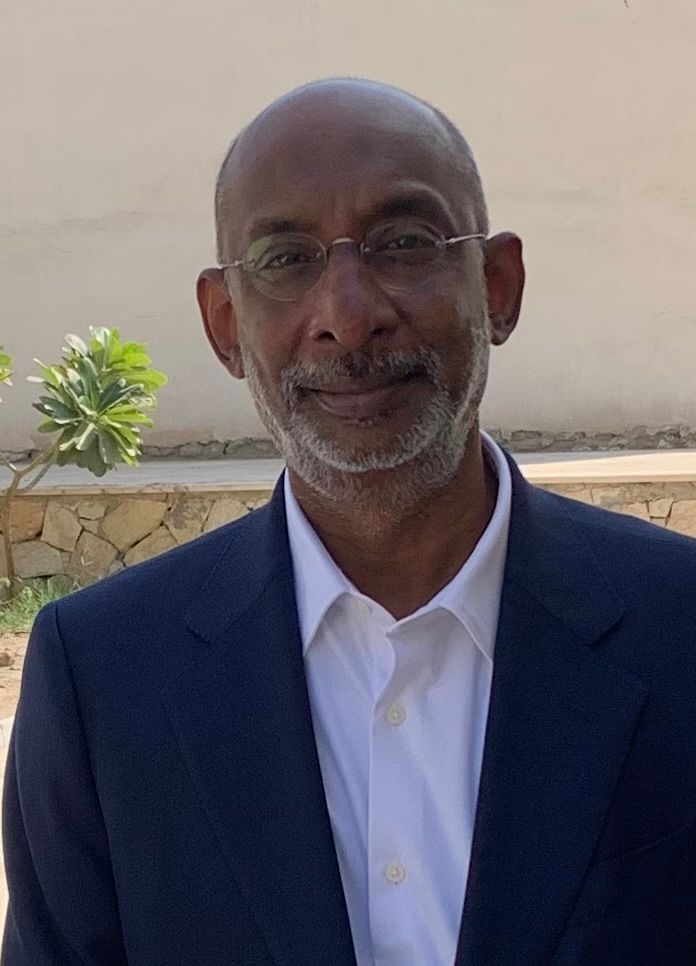
Steven Freeland
Emeritus Professor at Western Sydney University

Carnegie India does not take institutional positions on public policy issues; the views represented herein are those of the author(s) and do not necessarily reflect the views of Carnegie, its staff, or its trustees.

More Work from Interpreting India

  • Podcast Episode
    An African Perspective for Building AI for Global South | AI Summit Special

    In this episode of Interpreting India, Nidhi Singh is joined by Raymond Ononiwu, founder and CEO of Horus Labs, for a conversation that cuts through the noise around compute, data centres, and AI infrastructure to ask a more fundamental question: who is this all actually being built for?

      Nidhi Singh, Raymond Ononiwu

  • Podcast Episode
    The India-EU Trade Deal: What It Delivers and What It Doesn't

    In this episode of Interpreting India, Vrinda Sahai is joined by Nicolas Köhler-Suzuki, Advisor for Trade and Economic Security at the Jacques Delors Institute, for a detailed conversation on the India-EU Free Trade Agreement. After decades of slow-moving negotiations, both sides have arrived at what is shaping up to be the most ambitious trade deal India has ever signed. Nicolas unpacks what is in the agreement, what is missing, and what its success will depend on in the years ahead.

      Vrinda Sahai, Nicolas Köhler-Suzuki

  • Podcast Episode
    From Bletchley Park to Delhi and What Comes Next | AI Summit Special

    In this episode of Interpreting India, Nidhi Singh is joined by Mariano-Florentino (Tino) Cuéllar, President of the Carnegie Endowment for International Peace and one of the very few people to have attended all four global AI summits, from Bletchley Park to Delhi. The conversation traces the arc of AI summit diplomacy, what has been accomplished, where the gaps remain, and what the process reveals about how different parts of the world are thinking about a technology that is moving faster than any single government or institution can keep up with.

      Nidhi Singh, Mariano-Florentino (Tino) Cuéllar

  • Podcast Episode
    Data, AI, and the Laws Trying to Keep Up

    In this episode of Interpreting India, Nidhi Singh is joined by Nikhil Narendran, Partner at Trilegal, for a conversation on two of the most pressing issues shaping India's digital future: data protection and AI governance. From the nuts and bolts of India's Digital Personal Data Protection Act to deeper questions about regulating artificial intelligence, Nikhil brings the perspective of a technology lawyer who is not just advising on these issues but actively living them.

      Nidhi Singh, Nikhil Narendran

  • Podcast Episode
    Inside the Iran Conflict: Power, Strategy, and India’s Balancing Act

    In this episode of Interpreting India, Srinath Raghavan speaks with Gaddam Dharmendra, Nonresident Senior Fellow, Carnegie India and India’s former Ambassador to Iran about the ongoing U.S.-Israel conflict with Iran and what it means for the region. The conversation looks at Iran’s response to sustained attacks, the wider impact on energy markets and regional stability, and the changing relationships between Iran, the Gulf countries, and global powers. It also reflects on India’s position as it balances its ties across West Asia while navigating strategic and economic pressures, and what lies ahead as the conflict continues to shape the region.

      Srinath Raghavan, Gaddam Dharmendra

Get more news and analysis from
Carnegie India
Carnegie India logo, white
Unit C-4, 5, 6, EdenparkShaheed Jeet Singh MargNew Delhi – 110016, IndiaPhone: 011-40078687
  • Research
  • About
  • Experts
  • Projects
  • Events
  • Contact
  • Careers
  • Privacy
  • For Media
Get more news and analysis from
Carnegie India
© 2026 Carnegie Endowment for International Peace. All rights reserved.