

Report
- +2
George Perkovich, Jessica Tuchman Mathews, Joseph Cirincione, …
{
  "authors": [
    "Joseph Cirincione"
  ],
  "type": "legacyinthemedia",
  "centerAffiliationAll": "dc",
  "centers": [
    "Carnegie Endowment for International Peace"
  ],
  "collections": [],
  "englishNewsletterAll": "ctw",
  "nonEnglishNewsletterAll": "",
  "primaryCenter": "Carnegie Endowment for International Peace",
  "programAffiliation": "NPP",
  "programs": [
    "Nuclear Policy"
  ],
  "projects": [],
  "regions": [],
  "topics": [
    "Military",
    "Nuclear Policy"
  ]
}
REQUIRED IMAGE
Source: Carnegie
Nothing stops these guys.
We have spent more than $120 billion since 1962 trying to find a way to intercept long-range missiles. Our best scientists have failed repeatedly to build a system that works.
In 1975, we actually fielded a system of 100 nuclear-tipped interceptors - only to have then-Secretary of Defense Donald Rumsfeld shut it down five months later because it was militarily ineffective.
But proponents are not discouraged. Many of the most fervent advocates are veterans of the original "Star Wars" program begun by President Ronald Reagan. They spent nearly $50 billion between 1983 and 1993 without producing any deployable systems or major technological breakthroughs. Repeated failure hasn't stopped them from arguing that if they just had a few tens of billions more, they could surely do it this time.
Their optimism is not tarnished by facts. The Department of Defense has tried 17 times since 1983 to hit a long-range ballistic missile warhead target with an interceptor.Fourteen times, the interceptors missed.
After six straight failures, a THAAD interceptor earlier this month hit a short-range, Scud-like target that flew about one-tenth the range of an ICBM. This brings the statistics up a bit to 3 hits out of 17 and marks only the second time this decade that we have performed this feat.
No one would fly a plane with that kind of test record, but this random success will undoubtedly be used to "prove" all naysayers wrong and justify huge increases in the program's budget.
Intercepting missiles, however, is a tremendously difficult technological challenge, and we are still at step one.
Hitting a missile in a carefully controlled test is the easy part. Next, we have to demonstrate that we can do it reliably and repeatedly. Then, we must show that we can do it when the enemy isn't as cooperative as our specially designed targets, for example, when the enemy warhead is hidden in a cloud of decoys or jamming the interceptor's sensors. This will require years of rigorous, realistic tests before we know if we have something that will really work.
Why bother with all these tests?, the proponents ask. If we can put a man on the moon, surely American technology can shoot down enemy missiles. Let's get on with it!
That is exactly why an expert panel led by Gen. Larry Welch warned last year that the missile-defense programs were in a "rush to failure." In particular, the Welch panel said, the national missile-defense program was "highly unlikely" to succeed, lacked coherence and a realistic plan, and should be fundamentally restructured.
These warnings have been ignored. Budgets have been increased, schedules accelerated. These guys are optimists, and it's costing us: At $5 billion annually, missile defense is the most expensive single program in our defense budget.
Faith in America does not mean a blind belief in technological solutions. We cannot intercept a bomb once it is dropped or an artillery shell once it is fired, and we are, at best, a decade away from knowing whether we can reliably intercept long-range missiles after launch.
Beware the techno-optimists; they may turn out to have a lot more in common with infomercial hucksters than with true American pioneers.

Former Senior Associate, Director for NonProliferation
Recent Work


George Perkovich, Jessica Tuchman Mathews, Joseph Cirincione, …
Joseph Cirincione
Carnegie India does not take institutional positions on public policy issues; the views represented herein are those of the author(s) and do not necessarily reflect the views of Carnegie, its staff, or its trustees.
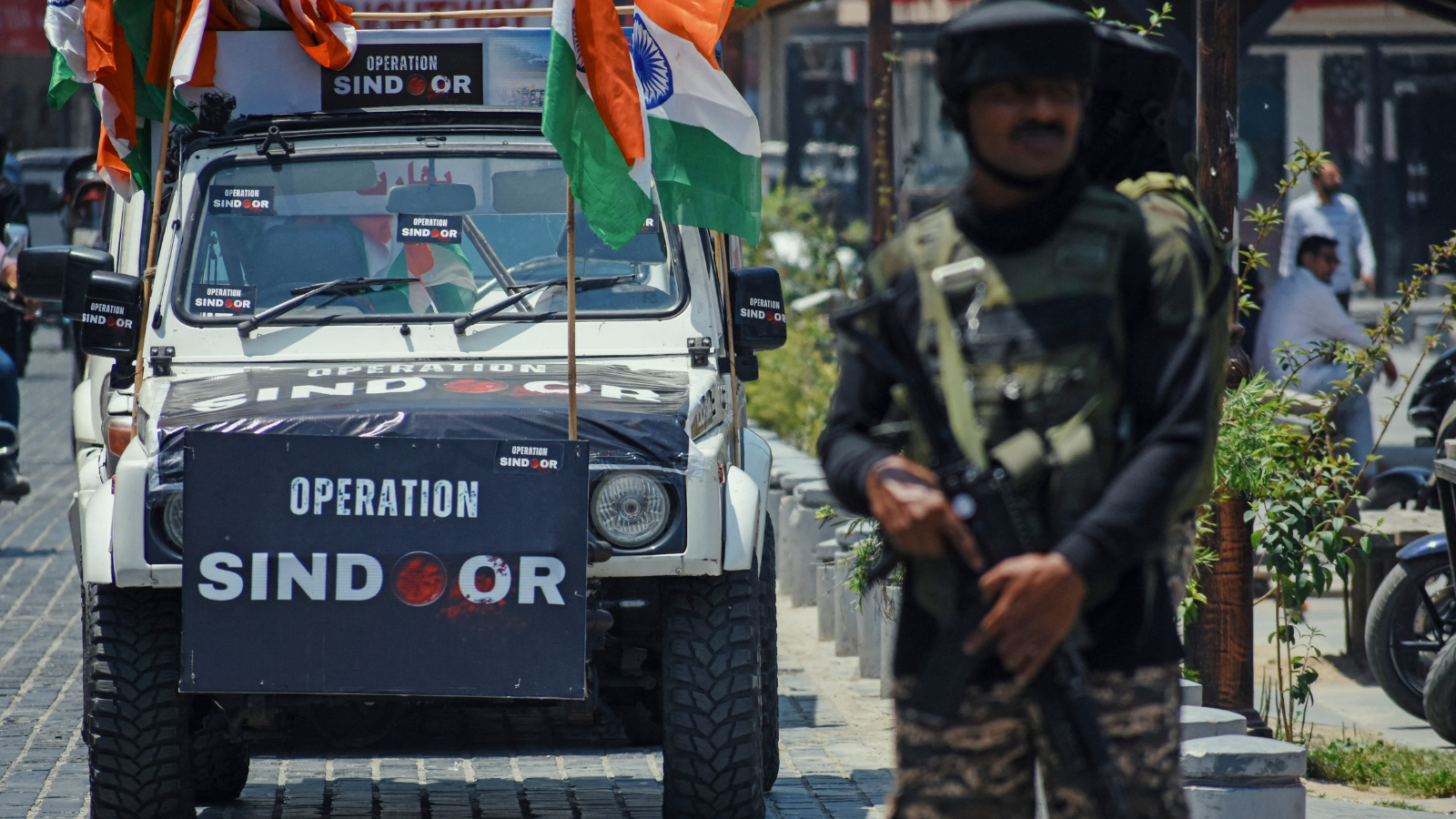
The India-Pakistan conflict that played out between May 6 and May 10, 2025, offers several military lessons. This article presents key takeaways from Operation Sindoor and breaks down how India’s preparations shaped the outcome and what more is needed to strengthen future readiness.

Dinakar Peri

This compendium provides an independent look at how to get the most out of India’s current technology ecosystem, and the measures that may need to be adopted or re-considered in order to build a lasting and enduring framework for policy changes in the select areas under the current administration.



Konark Bhandari, Ajay Kumar, Amlan Mohanty, …
In August 2024, the U.S. Department of Defense (DoD) entered into a Security of Supply Arrangement (SOSA) with the Indian Ministry of Defence (MoD). This commentary attempts to highlight the issues that arise in the wake of the arrangement.
Konark Bhandari

This article explores the global debate on lethal autonomous weapons systems (LAWS), highlighting the convergences, complexities, and differences within and beyond the UN Group of Governmental Experts (GGE) on LAWS. It further examines India’s key position at the GGE and the probable reasons behind them.


Charukeshi Bhatt, Tejas Bharadwaj
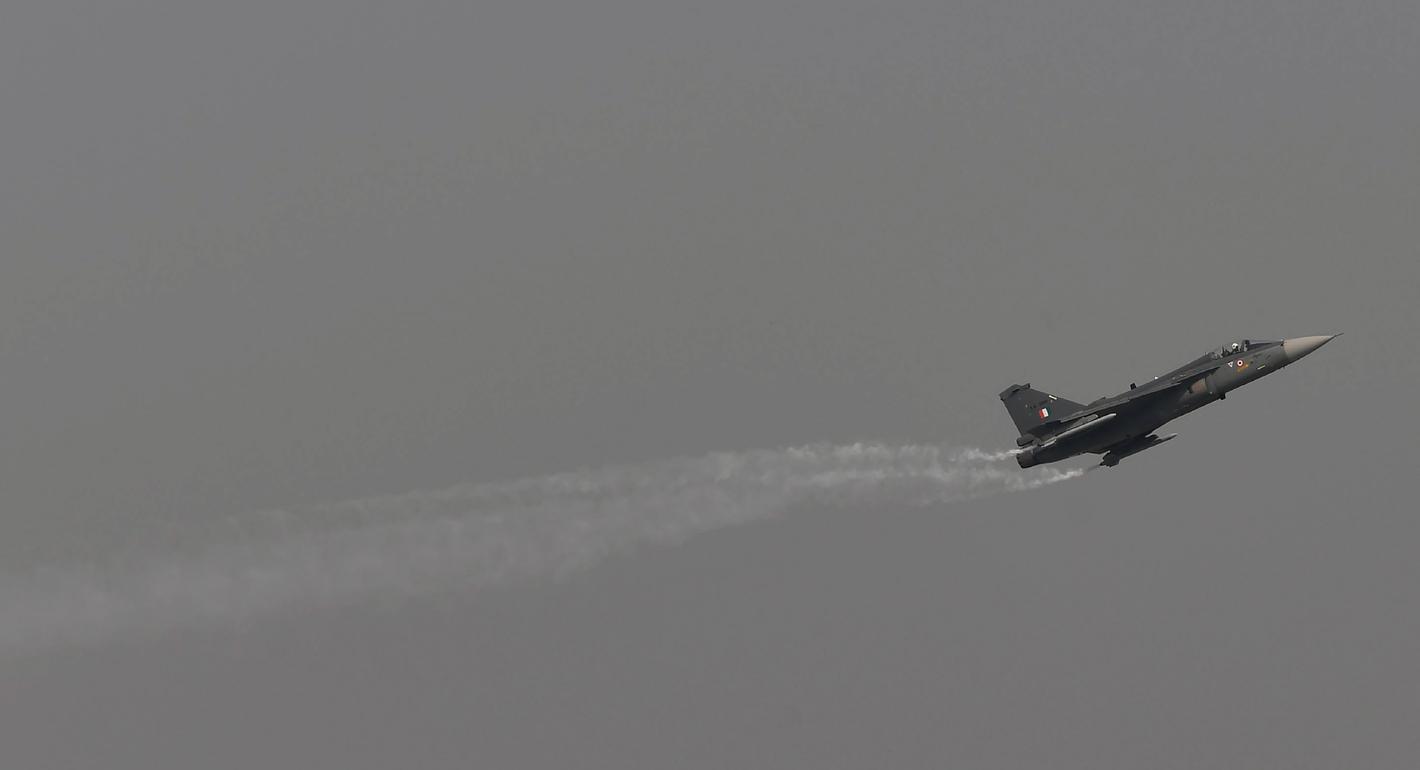
With India lacking the depth of research and design expertise required to build state-of-the-art stealth aircraft, the country needs to prioritize improving on its indigenous fighter, the Tejas.

Rahul Bhatia