

Commentary
Amr Hamzawy
{
  "authors": [
    "Amr Hamzawy"
  ],
  "type": "legacyinthemedia",
  "centerAffiliationAll": "dc",
  "centers": [
    "Carnegie Endowment for International Peace"
  ],
  "collections": [],
  "englishNewsletterAll": "democracy",
  "nonEnglishNewsletterAll": "",
  "primaryCenter": "Carnegie Endowment for International Peace",
  "programAffiliation": "DCG",
  "programs": [
    "Democracy, Conflict, and Governance",
    "Middle East"
  ],
  "projects": [],
  "regions": [
    "Middle East",
    "North Africa",
    "Egypt"
  ],
  "topics": [
    "Political Reform"
  ]
}
REQUIRED IMAGE
Since Egyptian legislative elections were held in December 2005, the National Democratic Party (NDP) has backslid on democratisation, reclaiming the ground of openness that it ceded over the past two years and reversing the short-lived tide of liberalisation. These and other factors indicate that democratisation is back to square one, unless the opposition can force the government's hand.
Source: Al-Ahram Weekly
The Egyptian political scene is grim. Since legislative elections were held in December 2005, the National Democratic Party (NDP) has backslid on democratisation, reclaiming the ground of openness that it ceded over the past two years and reversing the tide of liberalisation that brought 88 Muslim Brotherhood members to parliament. Over the past few months, the ruling NDP has postponed local elections, extended the state of emergency, cracked down on protests, and acted indignant when the country's judges demanded independence for the judiciary.
The lack of democracy in the country has endemic causes. The middle class is thin, the business class has infiltrated the ranks of government, and corruption is pervasive. But aside from these, there are three reasons that may explain the way things have come to a standstill in Egypt. For one thing, the ruling elite is having trouble formulating a clear strategy for democratisation. Authoritarian and semi-authoritarian regimes have a natural aversion to change. They are incapable of introducing substantial political reforms unless they are totally sure they will stay in power and retain their privileges through continued alliances with the segments of society expected to gain most from the change. Egypt's current ruling elite stands to lose from reform. Its chances of staying in power and protecting its interests would be threatened if President Hosni Mubarak were no longer in power.
The Egyptian elite hasn't come up with a viable successor for the president, and the public doesn't seem excited about the prospects of the president's son replacing him. The Egyptian elite has failed to forge an alliance with the advocates of change. It has also mindlessly antagonised many forces in the country, some government officials, teachers and academics included. The ruling elite is in a panic, resisting change while promising gradual reform. We need more time to introduce reform, Gamal Mubarak told the World Economic Forum in Sharm El-Sheikh. The opposition is nothing but special interest groups, Prime Minister Ahmed Nazif chimed in.
The second reason for the current gloom has to do with the opposition, which remains divided and lacking a common agenda. The right as well as the left, the Muslim Brotherhood as well as Kifaya, have failed to create a momentum for democratisation. The opposition needs to take its conflict with the ruling elite into new arenas and agree on a common denominator of desirable reforms and on the timetable for achieving these reforms. So far, the opposition has agreed only on the vocabulary of constitutional and political reform, but hasn't formulated a programme for making change happen. The opposition has not improved on any of the tactics it employed over the past two years. Kifaya is demonstrating but neglecting institutional work. Small political parties lack popular support and can achieve nothing with their token presence in parliament. The Muslim Brotherhood has filled up many seats in parliament, but remains ambiguous in its attitude towards the government. Were it to challenge the government or cooperate with it, things may move forward.
Instead of cleaning up its act, the divided opposition is running out of ideas. It has politicised the judges' conflict with the government and romanticised the "Intifada" of the Judges' Club. Yet the judiciary, however independent, cannot exceed its limits. The judiciary can keep elections fair, but it cannot be expected to inspire the people. Democratisation will have to wait until either the opposition reaches a deal with the government or forces its hand.
The third reason for the current stalemate has to do with the changed regional and international scene. Remember when everyone talked about "a spring of Arab democracy" in 2005? Well, it didn't come to much. The political resurgence we've seen in Lebanon, Jordan, Yemen and Bahrain has failed to change the nature of the existing political systems. This took pressure off the Egyptian regime. The train of regional democracy hasn't left the station, so why hurry?
Internationally, things weren't promising either. With Iraq falling to pieces and the Islamists gaining ground in both Palestine and Egypt, the US and its European allies have been having second thoughts. The Americans and Europeans are now looking for ways to expand the scope of freedom in Arab societies without endangering their interests or allowing Islamists to take over. Washington and Europe are still making up their minds and often send mixed signals. Mostly, they have stopped putting pressure on friendly Arab regimes, the Egyptian one included. As pressure decreased, the Egyptian elite went back to its authoritarian ways, safe in the knowledge that assistance would continue, that partnership agreements would remain in place, and that the White House would play host to the one potential successor in sight.

Director, Middle East Program
Amr Hamzawy is a senior fellow and the director of the Carnegie Middle East Program. His research and writings focus on Egypt’s and other middle powers’ involvement in regional security in the Middle East, particularly through collective diplomacy and multilateral conflict resolution
Recent Work
Amr Hamzawy
Amr Hamzawy
Carnegie India does not take institutional positions on public policy issues; the views represented herein are those of the author(s) and do not necessarily reflect the views of Carnegie, its staff, or its trustees.

A partnership between India, a country of subcontinental size, and Africa, a continent of fifty-four countries, may seem asymmetric until one notes that both are home to nearly the same number of people—1.4 billion. This essay spells out the existing challenges to the partnership, its optimal potential, and the possible pathways to realize it over the next quarter-century.

Rajiv Bhatia
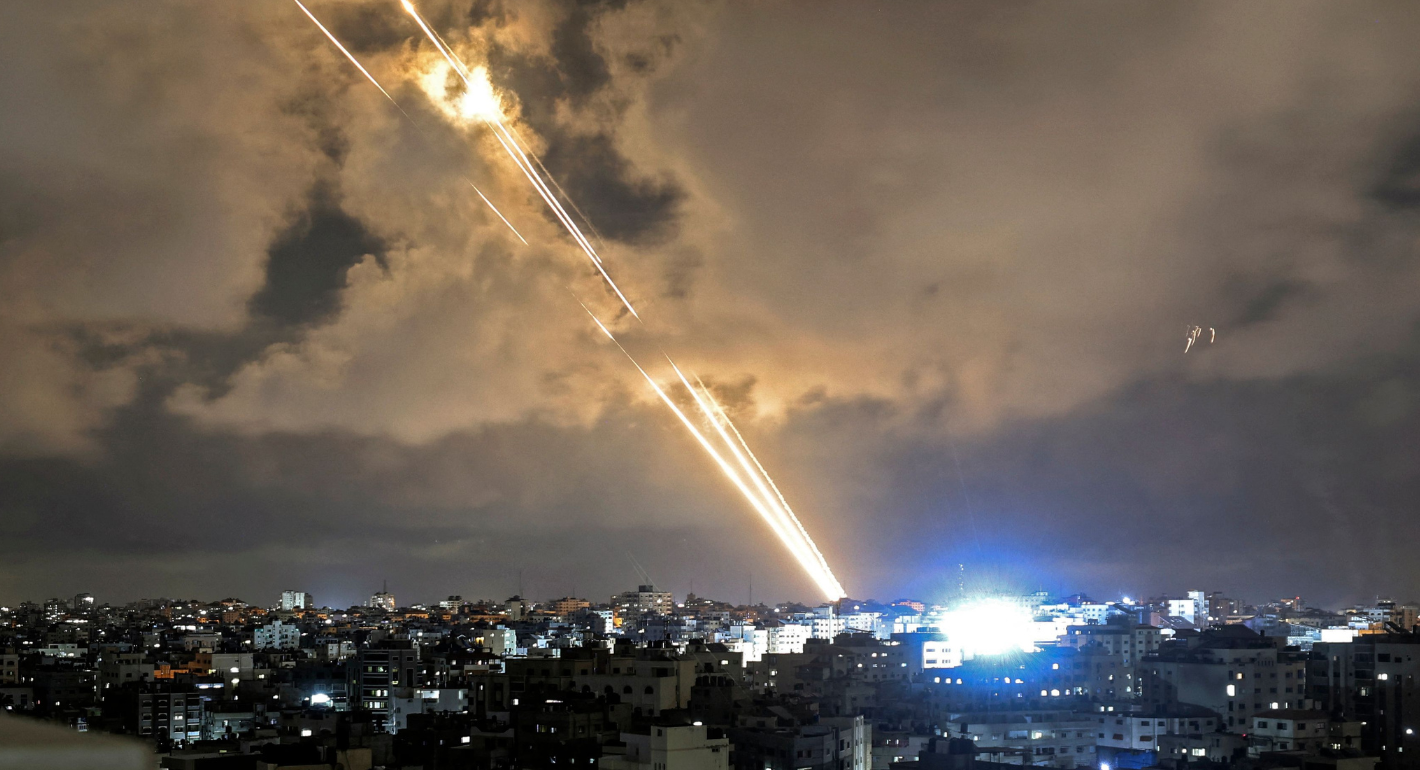
An Israeli response to Iran’s October 1 attack is imminent. The key question is of its intensity and potential fallout, both within Iran, in terms of nuclear security policy changes, and across the broader region. The coming days are likely to reshape West Asia irreversibly.
Gaddam Dharmendra
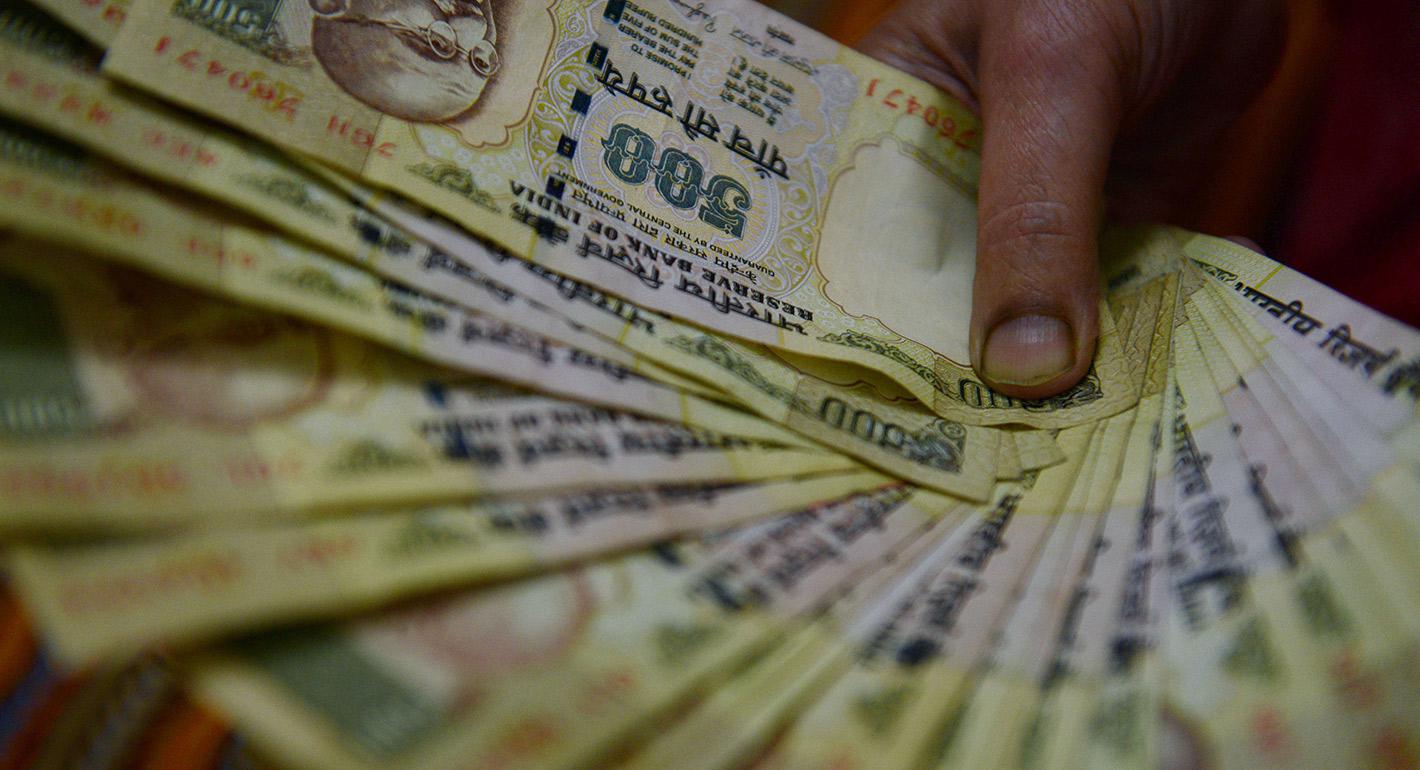
As India’s economy recovers from the coronavirus pandemic, Indian businesses need efficient financial structures to regain their ground. Key reforms to India’s Insolvency and Bankruptcy Code could fill these gaps.

Anirudh Burman

Access to cross-border data is an integral piece of the law enforcement puzzle. India is well placed to lead the discussions on international data agreements subject to undertaking necessary surveillance reforms.
Smriti Parsheera, Prateek Jha
After the coronavirus pandemic wanes, how will China’s reorientation of the Belt and Road Initiative to address global health concerns influence its relationships with South Asian countries?
Deep Pal, Rahul Bhatia