

Paper
Ashley J. Tellis
{
  "authors": [
    "Ashley J. Tellis"
  ],
  "type": "other",
  "centerAffiliationAll": "dc",
  "centers": [
    "Carnegie Endowment for International Peace",
    "Carnegie Europe"
  ],
  "collections": [],
  "englishNewsletterAll": "ctw",
  "nonEnglishNewsletterAll": "",
  "primaryCenter": "Carnegie Endowment for International Peace",
  "programAffiliation": "SAP",
  "programs": [
    "South Asia"
  ],
  "projects": [],
  "regions": [
    "South Asia",
    "Pakistan",
    "East Asia",
    "China",
    "Asia"
  ],
  "topics": [
    "Nuclear Policy",
    "Nuclear Energy"
  ]
}
Source: Getty
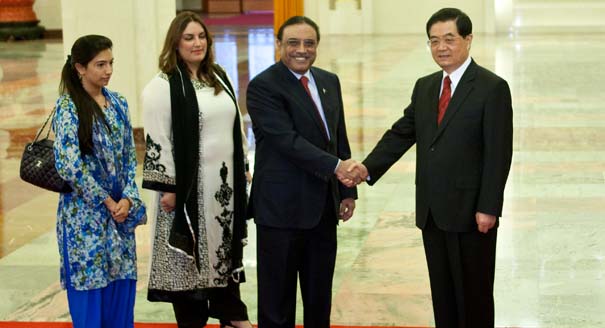
China’s commitment to provide Pakistan with two additional civilian nuclear reactors has created great unease in the international nonproliferation community. While some compare this assurance to the U.S.- India nuclear cooperation agreement, the differences between the two are significant.
China’s commitment to provide Pakistan with two additional civilian nuclear reactors has created great unease in the international nonproliferation community. While some compare this assurance to the U.S.- India nuclear cooperation agreement, the differences between the two are significant.
The United States must convey to China its strong concern about the planned reactor sale to Pakistan. The integrity of the global nonproliferation system requires an orderly and coordinated process for managing change—which the NSG provides—and China, as a member of that group, should be permitted to consummate its prospective deal with Pakistan only if it first secures an NSG exemption from the current guidelines.
By leading international opposition to the Sino-Pakistani deal in its current form—both bilaterally and multilaterally—Washington can prompt Beijing to reconsider its plans. It would also encourage other countries to insist that Beijing respect the integrity of the global nonproliferation system overseen by the NSG. China has shown its willingness in the past to listen. It is time for the United States to raise its voice again.
Former Senior Fellow
Ashley J. Tellis was a senior fellow at the Carnegie Endowment for International Peace.
Recent Work
Ashley J. Tellis
Ashley J. Tellis
Carnegie India does not take institutional positions on public policy issues; the views represented herein are those of the author(s) and do not necessarily reflect the views of Carnegie, its staff, or its trustees.

After the chill in ties between 2020 and 2024 that brought India–China relations to their lowest point in several decades, the two countries have engaged each other afresh. This paper argues that there are predominantly four imperatives guiding India’s approach to China, and they exist in an order of priority.

Saheb Singh Chadha

This piece argues that India’s central challenge is not managing a single flashpoint but resolving the underlying tension between expansion and institutional coherency of the BRICS grouping.

Vrinda Sahai

Trump 2.0 has unsettled India’s external environment—but has not overturned its foreign policy strategy, which continues to rely on diversification, hedging, and calibrated partnerships across a fractured order.



Milan Vaishnav, ed., Sameer Lalwani, Tanvi Madan, …

This paper examines the evolution of India-China economic ties from 2005 to 2025. It explores the impact of global events, bilateral political ties, and domestic policies on distinct spheres of the economic relationship.

Santosh Pai
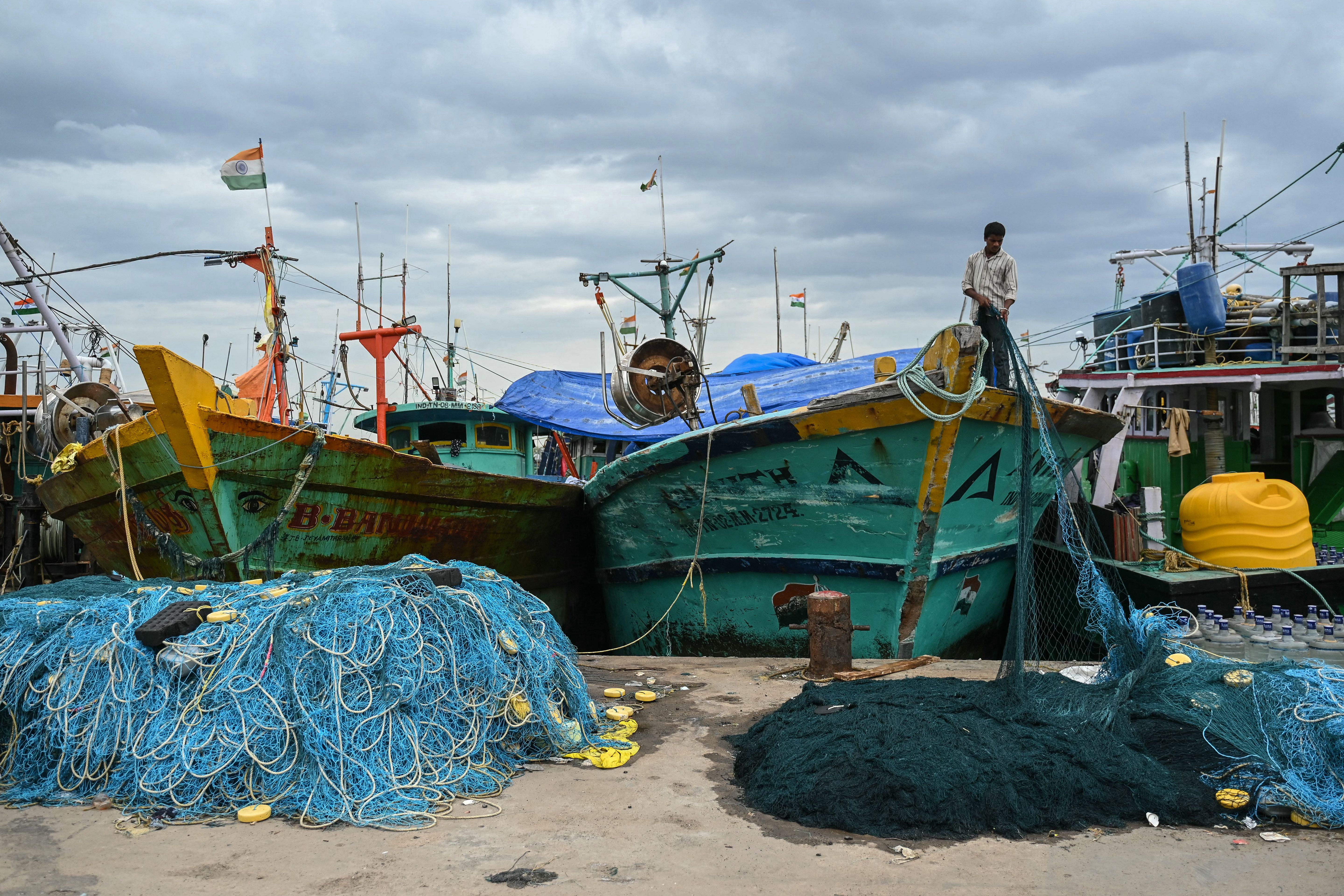
This article examines the scale and impact of Chinese IUU fishing operations globally and identifies the nature of the challenge posed by IUU fishing in the Indian Ocean Region (IOR). It also investigates why existing maritime law and international frameworks have struggled to address this growing threat.


Ajay Kumar, Charukeshi Bhatt