

Commentary
Thomas de Waal
{
  "authors": [
    "Thomas de Waal"
  ],
  "type": "other",
  "centerAffiliationAll": "dc",
  "centers": [
    "Carnegie Endowment for International Peace",
    "Carnegie Europe",
    "Carnegie Russia Eurasia Center"
  ],
  "collections": [
    "Turkey’s Transformation"
  ],
  "englishNewsletterAll": "ctw",
  "nonEnglishNewsletterAll": "",
  "primaryCenter": "Carnegie Europe",
  "programAffiliation": "russia",
  "programs": [
    "Russia and Eurasia",
    "Middle East"
  ],
  "projects": [],
  "regions": [
    "Middle East",
    "Russia",
    "Europe",
    "Türkiye",
    "Eastern Europe",
    "Caucasus",
    "Armenia"
  ],
  "topics": [
    "Political Reform",
    "Security"
  ]
}
Source: Getty
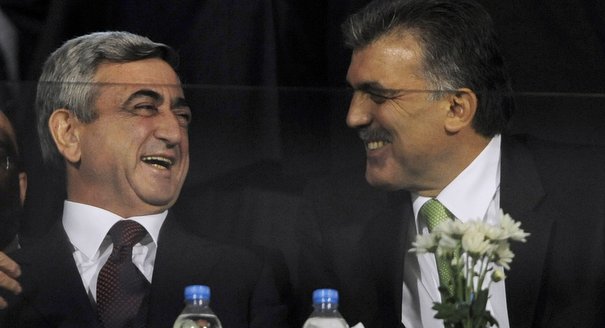
While there is virtually no hope that the 2009 Armenian–Turkish Protocols will be ratified soon, both parties should take steps to rebuild confidence and affirm their faith in the process.
One year ago, Armenia and Turkey began a historic rapprochement and signed two protocols on normalizing their relations. Unfortunately, the process stalled in April. In an updated policy brief, Thomas de Waal argues that the protocols—the most positive initiative in the South Caucasus for many years—must be kept alive as the process still has the potential to transform the region.
“If the process is to get back on track, all involved parties, including the United States, should set their sights on longer-term goals several years hence and ‘make haste slowly’ toward them,” de Waal writes. ”The centenary of the Armenian tragedy in 2015 is a good reference point by which to set the goal of full Armenian-Turkish normalization.”

Senior Fellow, Carnegie Europe
Thomas de Waal is a senior fellow at Carnegie Europe, specializing in Eastern Europe and the Caucasus.
Recent Work
Thomas de Waal
Thomas de Waal
Carnegie India does not take institutional positions on public policy issues; the views represented herein are those of the author(s) and do not necessarily reflect the views of Carnegie, its staff, or its trustees.

In any defense establishment, change is an ongoing process. However, despite the best of intentions, existing bureaucracies, bound by habit and years of socialization, have their limits in implementing transformative change.

Anit Mukherjee

After the chill in ties between 2020 and 2024 that brought India–China relations to their lowest point in several decades, the two countries have engaged each other afresh. This paper argues that there are predominantly four imperatives guiding India’s approach to China, and they exist in an order of priority.

Saheb Singh Chadha

This piece argues that India’s central challenge is not managing a single flashpoint but resolving the underlying tension between expansion and institutional coherency of the BRICS grouping.

Vrinda Sahai
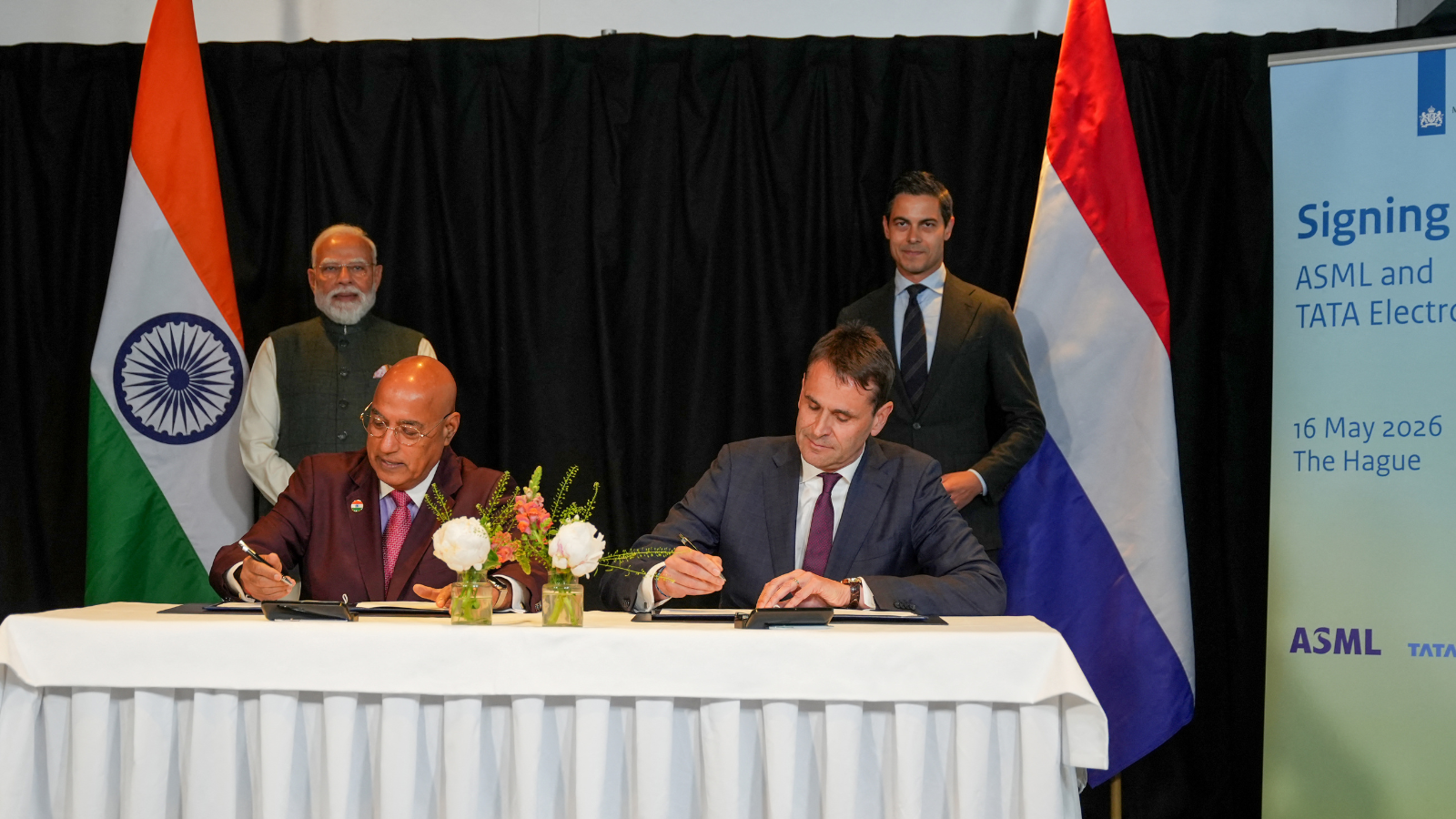
The ASML MoU with Tata Electronics is an indicator of how far the Indian semiconductor ecosystem has come. This ecosystem has been years in the making and represents real commercial logic.

Konark Bhandari

The India–EU Free Trade Agreement (FTA) is shaping up to be one of the most consequential trade negotiations, both economically and strategically. But, what’s in the agreement, what’s missing, and what will determine its success in the years ahead
Vrinda Sahai, Nicolas Köhler-Suzuki