

Commentary
Thomas de Waal
{
  "authors": [
    "Thomas de Waal"
  ],
  "type": "legacyinthemedia",
  "centerAffiliationAll": "dc",
  "centers": [
    "Carnegie Endowment for International Peace",
    "Carnegie Europe",
    "Carnegie Russia Eurasia Center"
  ],
  "collections": [],
  "englishNewsletterAll": "ctw",
  "nonEnglishNewsletterAll": "",
  "primaryCenter": "Carnegie Europe",
  "programAffiliation": "russia",
  "programs": [
    "Russia and Eurasia"
  ],
  "projects": [],
  "regions": [
    "Caucasus",
    "Azerbaijan",
    "Armenia"
  ],
  "topics": [
    "Security"
  ]
}
Source: Getty
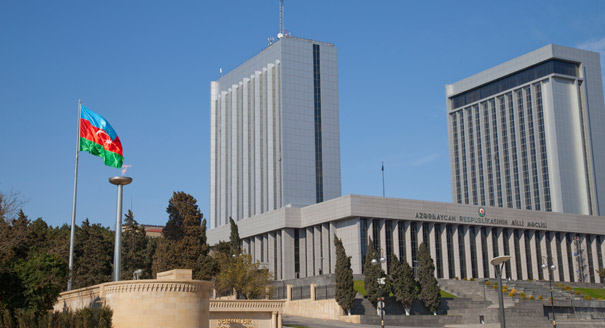
While war is not likely to break out over Nagorno-Karabakh in the near future, there is a growing possibility that escalation in the tension between Azerbaijan and Armenia could kill the peace process.
Source: NEWS.am

Unfortunately there is no basis to believe that there will be a political breakthrough in the talks on Nagorno-Karabakh in Astana. Rather the opposite. Ever since the freezing of the Armenia-Turkey process earlier this year, the Karabakh talks have been dead and the situation on the Line of Contact has worsened. Also, domestic public opinion in both Azerbaijan and on the Armenian side is pushing against compromise and peace which makes it even harder for Presidents Aliyev and Sarkisian to agree to the Basic Principles, even if they wish to. This means that the only pressure on the two leaders to make peace must come from abroad, but the basic problem remains that the international powers do not have a high enough level of interest or resources to push Armenians and Azerbaijanis to sign an agreement. Local factors are much stronger than geopolitical ones in this conflict.
There is an opinion that the negotiations will last till Azerbaijan launches a war. What do you think is war likely to break out in the Karabakh conflict zone?
I don’t believe there is a strong likelihood of a war over Karabakh, in the next two or three years at least, although the logic of Azerbaijan’s military build-up makes it a danger in the long term. My main worry is that another bad incident on the Line of Contact could escalate, result in the death of a few dozen young men and kill off the current peace process. That would make the situation much more difficult and the Line of Contact much more dangerous. That is why I believe the priority is to strengthen the ceasefire regime around Nagorno-Karabakh.
Will the negotiations bring to final solution to the conflict or they pursue another goal, for instance freezing of the conflict?
The current negotiation process looks more like “conflict management” than a substantial peace process. Of course a frozen conflict is better than war but I don’t believe that Azerbaijan will allow this conflict to be frozen in the long term without at least the return of the five territories east of Nagorno-Karabakh. So I believe it is better to begin confidence-building-measures that will restore trust between the two sides and that will reduce the likelihood of conflict.

Senior Fellow, Carnegie Europe
Thomas de Waal is a senior fellow at Carnegie Europe, specializing in Eastern Europe and the Caucasus.
Recent Work
Thomas de Waal
Thomas de Waal
Carnegie India does not take institutional positions on public policy issues; the views represented herein are those of the author(s) and do not necessarily reflect the views of Carnegie, its staff, or its trustees.

In any defense establishment, change is an ongoing process. However, despite the best of intentions, existing bureaucracies, bound by habit and years of socialization, have their limits in implementing transformative change.

Anit Mukherjee

After the chill in ties between 2020 and 2024 that brought India–China relations to their lowest point in several decades, the two countries have engaged each other afresh. This paper argues that there are predominantly four imperatives guiding India’s approach to China, and they exist in an order of priority.

Saheb Singh Chadha

This piece argues that the present Indian strategy, based on opportunistic diversification and utilization of limited strategic reserves, remains inadequate when confronting supply disruptions. It evaluates India’s options in the short, medium, and long terms.

Vrinda Sahai

This piece examines India’s response to U.S. sanctions and tariffs, specifically assessing the immediate market consequences, such as alterations in import costs, and the broader strategic implications for India’s energy security and foreign policy orientation.
Vrinda Sahai
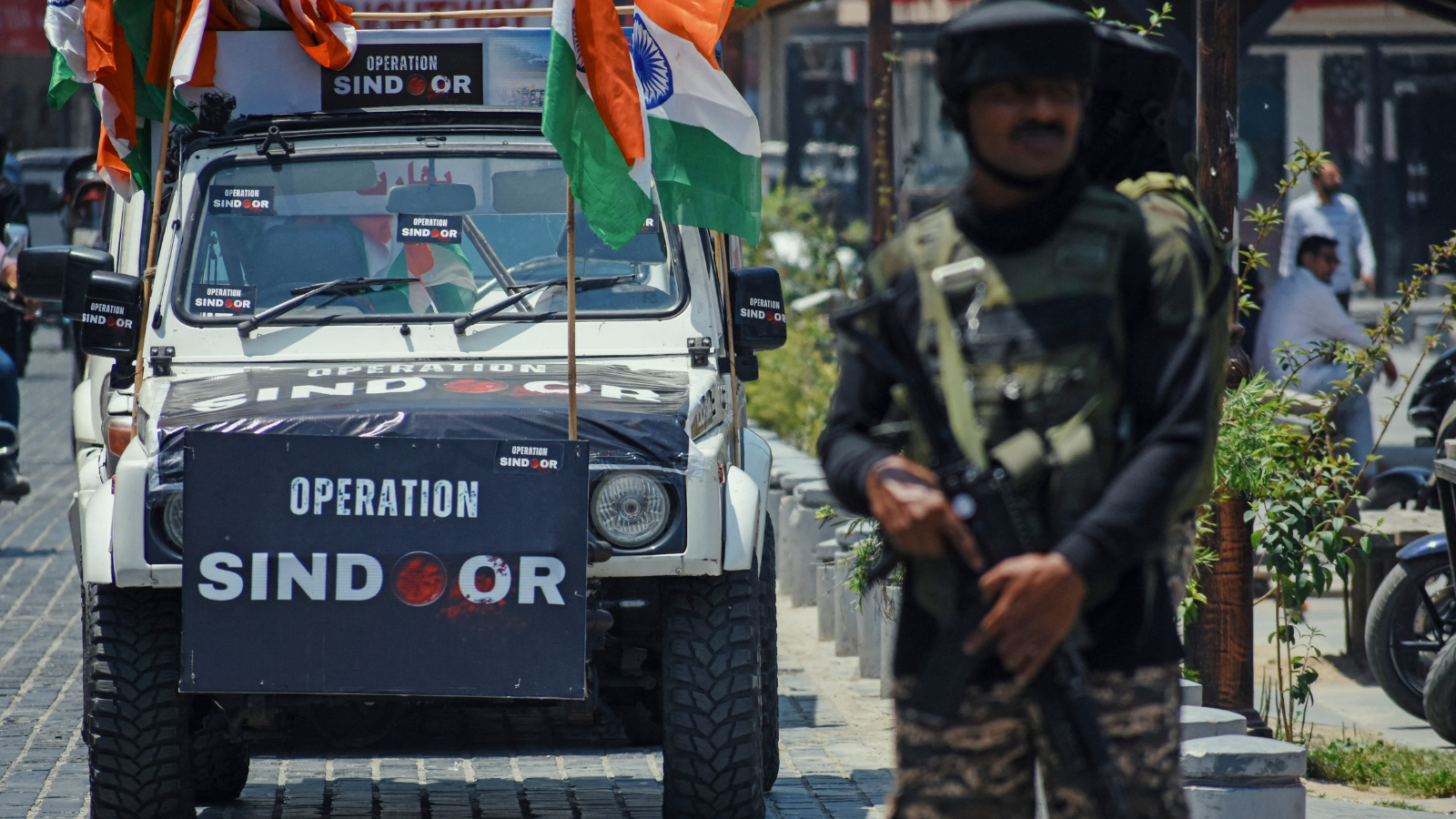
The India-Pakistan conflict that played out between May 6 and May 10, 2025, offers several military lessons. This article presents key takeaways from Operation Sindoor and breaks down how India’s preparations shaped the outcome and what more is needed to strengthen future readiness.

Dinakar Peri